Grow Hair in 3 Months? Dermatologist Tips for Faster, Healthier Hair Growth
Hair growth is a deeply personal journey that requires patience, science-backed strategies, and consistent dedication. While you cannot dramatically transform your hair overnight, achieving visible improvements within a 3-month timeframe is absolutely possible when you follow dermatologist-recommended practices. This comprehensive guide reveals the evidence-based approaches that can accelerate your hair growth journey and help you achieve the thick, vibrant hair you desire.
The human hair growth cycle operates on specific biological timelines, yet most people remain unaware of the actionable steps that can optimize this natural process. By understanding the science behind hair growth and implementing targeted interventions, you can maximize your results within 90 days. Your commitment to these strategies mirrors the goal-setting principles that drive personal achievement, transforming your hair aspirations into measurable reality.
Understanding Your Hair Growth Cycle
Your hair operates within a sophisticated biological cycle that determines how quickly it grows and how long it persists. The hair growth cycle consists of three primary phases: the anagen phase (active growth, lasting 2-6 years), the catagen phase (transition period, lasting 2-3 weeks), and the telogen phase (resting phase, lasting 3-4 months). Understanding these phases is fundamental to optimizing your growth strategy.
During the anagen phase, your hair cells actively divide and push upward, creating visible growth. Most scalp hairs (approximately 85-90%) are in this growth phase at any given time. However, genetics, age, hormonal balance, and overall health significantly influence how long your hair remains in this active growth phase. The longer your anagen phase, the longer your hair can potentially grow.
Dermatologists emphasize that optimizing your hair growth within 3 months means extending the anagen phase and minimizing premature hair loss from the telogen phase. This requires a multifaceted approach targeting nutrition, scalp health, hormonal balance, and stress management. When you align your hair growth strategy with your broader personal growth objectives, you develop the consistency needed for sustained results.
Nutritional Foundations for Hair Health
Hair is composed primarily of a protein called keratin, along with essential minerals and micronutrients that support its strength and growth rate. Your diet directly influences hair quality and growth speed. Dermatologists consistently recommend prioritizing specific nutrients that have been scientifically validated to support hair growth.
Protein intake is non-negotiable for hair growth. Aim for 1.2-1.6 grams of protein per kilogram of body weight daily. Quality sources include chicken, fish, eggs, legumes, and dairy products. Hair follicles require consistent amino acid availability to synthesize keratin, the structural protein that comprises your hair shaft.
Iron deficiency directly correlates with hair loss and slowed growth. According to research published in the Dermatology Practical & Conceptual journal, iron deficiency anemia accounts for significant hair loss in women. Include iron-rich foods like red meat, spinach, lentils, and fortified cereals. Pair iron-rich foods with vitamin C sources (citrus, berries, peppers) to enhance absorption.
Biotin, a B-vitamin, has demonstrated efficacy in multiple clinical trials for improving hair strength and growth rate. Studies show that biotin supplementation at 2.5 mg daily can significantly improve hair quality within 3-6 months. Biotin sources include eggs, almonds, sweet potatoes, and spinach, though supplementation often proves more practical.
Zinc plays a critical role in hair growth and immune function. Deficiency leads to telogen effluvium (excessive shedding). Aim for 8-11 mg daily through oysters, beef, pumpkin seeds, or supplements. Selenium, another trace mineral, supports thyroid function which directly impacts hair growth. Brazil nuts provide exceptional selenium content.
Omega-3 fatty acids reduce inflammation and support scalp health. Fatty fish (salmon, sardines, mackerel), flaxseeds, and walnuts provide these essential nutrients. Vitamin D deficiency correlates with alopecia and hair loss. Ensure adequate sunlight exposure or consider supplementation, particularly if you live in northern climates.

Dermatologist-Recommended Topical Treatments
While nutrition provides internal support, topical treatments deliver targeted benefits directly to hair follicles. Dermatologists consistently recommend evidence-based topical solutions that have demonstrated clinical efficacy for accelerating hair growth within 3-month periods.
Minoxidil (Rogaine) stands as the most extensively researched topical hair growth treatment. This FDA-approved medication extends the anagen phase and increases hair follicle size. Clinical studies demonstrate that minoxidil produces visible results within 3-4 months of consistent twice-daily application. The mechanism involves improving blood flow to hair follicles and stimulating cellular activity. Start with 5% solutions and maintain consistency—inconsistent application dramatically reduces effectiveness.
Ketoconazole shampoo (2% concentration) addresses scalp inflammation and fungal issues that can impede growth. Use 2-3 times weekly as part of your productivity routine for hair care. This antifungal agent reduces DHT (dihydrotestosterone) levels on the scalp, potentially slowing hair loss while promoting growth conditions.
Caffeine-based topical treatments have gained significant dermatological support. Caffeine penetrates the hair follicle and stimulates growth factors, extending the anagen phase. Research from the International Journal of Dermatology confirms caffeine’s efficacy in promoting hair growth and reducing hair loss. Apply caffeine serums or use caffeine-infused shampoos daily.
Peptide-based serums containing growth factors and amino acids provide nutritional support to follicles. These products strengthen existing hair and may accelerate growth cycles. Apply to the scalp and mid-lengths 3-4 times weekly for optimal results.
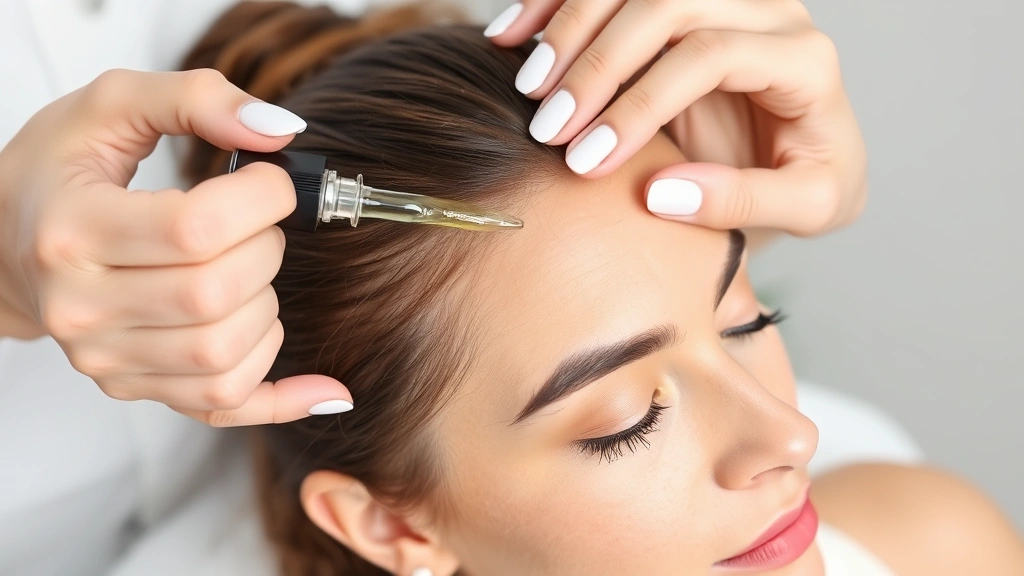
Essential oils like rosemary and peppermint have demonstrated modest but measurable benefits in peer-reviewed studies. Mix 2-3 drops with carrier oils and massage into your scalp 2-3 times weekly. While not dramatic, these natural options support overall scalp health without side effects.
Scalp Health and Circulation Optimization
Your scalp health directly determines hair growth potential. A healthy scalp provides optimal conditions for follicles to thrive. Dermatologists emphasize that scalp circulation is fundamental to rapid hair growth. Improved blood flow delivers more nutrients and oxygen to follicles, accelerating growth cycles.
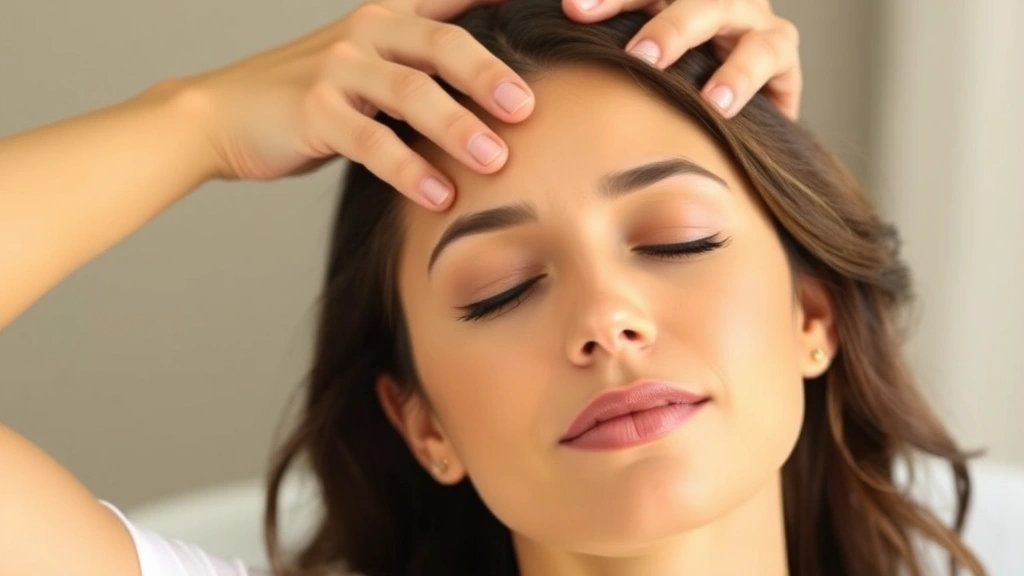
Scalp massage is a simple yet powerful technique for improving circulation. Perform 5-10 minute daily massages using your fingertips (not nails) in circular motions across your entire scalp. Research indicates that consistent scalp massage increases hair thickness within 24 weeks. The mechanical stimulation enhances blood flow and may trigger growth factor release in follicles.
Derma rolling (using a 0.5-1.5mm dermaroller) creates controlled micro-injuries that trigger the body’s healing response, increasing growth factor production in follicles. Use 1-2 times weekly on clean scalp, moving gently in multiple directions. Follow with your regular hair growth serums to maximize absorption.
Low-level laser therapy (LLLT) has emerged as a clinically validated approach. Devices emitting red and near-infrared light (600-1100 nm wavelengths) stimulate mitochondrial activity in hair follicles. Studies show measurable hair growth improvements within 3-6 months with consistent use (3-5 times weekly). While requiring investment, clinical-grade devices deliver superior results to consumer versions.
Exfoliate your scalp weekly using gentle chemical exfoliants (salicylic acid or glycolic acid) to remove buildup that restricts follicle function. Dead skin, product residue, and sebum accumulation impede nutrient absorption and circulation. A clean scalp environment optimizes growth conditions.
Hydration impacts scalp health significantly. Dehydration compromises scalp elasticity and follicle function. Ensure you consume adequate water (at least 2-3 liters daily) and consider hydrating hair masks weekly to support scalp moisture balance.
Lifestyle Factors That Accelerate Growth
Hair growth extends beyond topical treatments and supplements. Your lifestyle choices profoundly influence growth rates. Dermatologists recognize that stress, sleep, and exercise directly impact hair health through hormonal and physiological mechanisms.
Stress management is critical for preventing telogen effluvium and maintaining anagen phase duration. Chronic stress elevates cortisol, which pushes hair prematurely into the telogen (shedding) phase. Implement stress-reduction practices like meditation, yoga, or deep breathing exercises daily. Research from the American Psychological Association confirms that stress reduction improves overall health markers, including hair growth. Your commitment to increasing motivation and consistency directly translates to better hair outcomes.
Sleep optimization supports hair growth through hormonal regulation and cellular repair. During deep sleep, your body increases blood flow to the skin and hair follicles while optimizing growth hormone production. Aim for 7-9 hours nightly. Maintain consistent sleep schedules to regulate circadian rhythms, which influence hair growth cycles.
Exercise improves circulation throughout your body, including to the scalp. Cardiovascular exercise 150 minutes weekly enhances blood flow, oxygen delivery, and nutrient transport to hair follicles. Additionally, exercise reduces stress and improves sleep quality—creating a synergistic benefit for hair growth.
Hormonal balance significantly impacts hair growth, particularly for women. Thyroid function, cortisol levels, and reproductive hormones all influence hair cycles. If experiencing unexplained hair loss, request comprehensive hormonal testing from your dermatologist. Conditions like PCOS or thyroid dysfunction require medical intervention for optimal hair growth.
Avoid damaging practices that hinder growth. Tight hairstyles (ponytails, braids, extensions) cause traction alopecia—permanent hair loss from mechanical stress. Use loose styles and give your hair frequent breaks. Minimize heat styling, chemical treatments, and harsh brushing. When styling, use heat protectants and gentle techniques that preserve hair integrity.
Smoking restricially restricts blood flow and accelerates hair aging. If you smoke, quitting provides immediate benefits for hair growth within the 3-month window. Alcohol dehydrates the body and scalp, impairing growth conditions. Moderate consumption supports better results.
Measuring Your 3-Month Progress
Tracking progress keeps you motivated and accountable. Establish baseline measurements before beginning your 3-month growth protocol. Take photographs from multiple angles under consistent lighting conditions. Measure hair length monthly at specific points (typically from shoulder to hair ends). Document any changes in hair thickness, shine, or breakage rates.
Realistic expectations matter enormously. Average hair growth is approximately 0.5 inches monthly, meaning 3 months should yield 1.5 inches of growth. With optimized protocols, you may achieve slightly faster growth (up to 0.75 inches monthly), resulting in 2+ inches by month three. Thickness improvements and reduced shedding often become apparent within 4-6 weeks.
Use the growth mindset principles that drive personal development to maintain perspective. Hair growth is a marathon, not a sprint. The habits you build during these 3 months create lasting foundations for long-term hair health and transformation.
Consider keeping a hair health journal documenting your daily practices, nutrition, stress levels, and sleep quality. This comprehensive tracking reveals patterns and correlations between lifestyle factors and visible hair improvements. Scientific self-tracking provides powerful motivation as you witness tangible results from your dedication.
Frequently Asked Questions
Can I really grow thicker hair in 3 months?
Yes, visible improvements in thickness are achievable within 3 months through consistent implementation of dermatologist-recommended strategies. You won’t develop completely new hair, but you can extend the growth phase of existing follicles, reduce shedding, and improve overall hair quality. Most people notice measurable thickness improvements by week 8-12.
Which single treatment provides the fastest results?
Minoxidil (Rogaine) demonstrates the most consistent and rapid results in clinical studies, with visible improvements typically appearing within 3-4 months. However, combining minoxidil with proper nutrition, scalp massage, and stress management accelerates results beyond any single intervention alone.
Are supplements necessary for 3-month hair growth?
While whole-food nutrition is optimal, targeted supplementation significantly accelerates results within 3 months. Biotin, iron, zinc, and vitamin D supplementation addresses deficiencies that impede growth. If you maintain perfect nutrition through diet alone, supplements may provide less dramatic benefits. Most people benefit substantially from strategic supplementation.
How long does minoxidil take to show results?
Initial shedding (increased hair loss) often occurs in weeks 1-4 as minoxidil pushes old hairs into the telogen phase to make room for new growth. Visible growth typically appears by week 6-8, with significant improvements by month 3. Consistency is essential—missing applications reduces effectiveness.
Can stress really impact hair growth that quickly?
Yes, stress-induced telogen effluvium can cause noticeable shedding within 2-3 months. Conversely, stress reduction can halt this excessive shedding within similar timeframes. Implementing stress management practices immediately impacts hair loss reduction and supports optimal growth conditions.
What if I don’t see results after 3 months?
Consult your dermatologist for comprehensive evaluation. Underlying conditions like thyroid dysfunction, hormonal imbalances, nutritional deficiencies, or dermatological issues may require medical intervention. Your dermatologist can perform specialized tests and recommend personalized treatments beyond standard protocols.
Is it safe to use minoxidil long-term?
Yes, minoxidil is FDA-approved for long-term use with excellent safety profiles. Dermatologists typically recommend continuing treatment indefinitely, as hair growth returns to baseline after discontinuation. Regular monitoring ensures optimal results and addresses any individual variations in response.
Can men and women use the same hair growth protocols?
Most protocols are gender-neutral regarding nutrition, scalp health, and lifestyle factors. However, minoxidil concentrations and hormonal treatments may differ. Women sometimes benefit from lower minoxidil concentrations (2%) while men typically use 5%. Consult your dermatologist for gender-specific optimization.
Your 3-month hair growth journey represents more than physical transformation—it embodies commitment to self-improvement and dedication to achieving your goals. By implementing these dermatologist-backed strategies with consistency and patience, you create the conditions for visible, measurable hair improvements. Start today, track your progress, and celebrate the results that emerge from your dedication. Your healthier, thicker hair awaits within this 90-day window.


