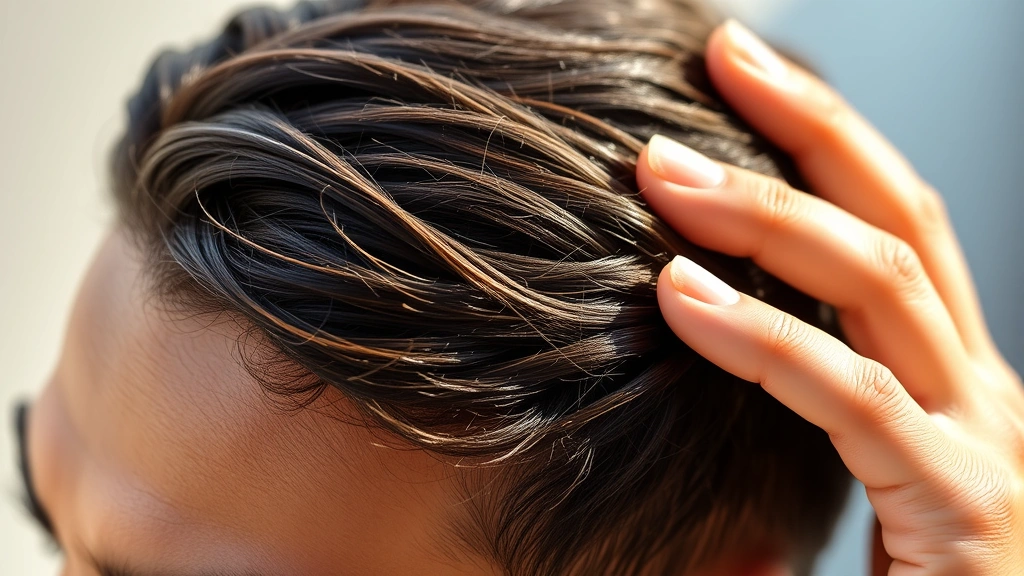
Zinc for Hair Growth: Dermatologist Insights and Science-Backed Solutions
Hair loss affects millions worldwide, and while genetics play a significant role, nutritional deficiencies often go undiagnosed as a contributing factor. Among essential minerals, zinc stands out as a critical nutrient for maintaining healthy hair growth cycles. Dermatologists increasingly recognize that zinc for hair growth isn’t merely anecdotal—it’s grounded in cellular biology and clinical research. This comprehensive guide explores what science reveals about zinc’s role in hair health and how you can optimize your intake for visible results.
Your hair follicles are among the most metabolically active tissues in your body, requiring constant nutrient replenishment to maintain the growth phase. When zinc levels drop, the consequences cascade through your follicles, disrupting protein synthesis and accelerating hair loss. Understanding this mechanism empowers you to take control of your hair health through informed dietary and supplementation choices.

Understanding Zinc’s Role in Hair Biology
Zinc functions as a cofactor for over 300 enzymes in your body, and hair follicles depend heavily on zinc-dependent proteins for growth and regeneration. The mineral plays four critical roles in hair health: it stabilizes protein structures within the follicle, regulates oil gland function at the scalp, supports immune responses that prevent follicle inflammation, and maintains the structural integrity of hair shafts themselves.
At the cellular level, zinc enables DNA and RNA polymerase activity—enzymes essential for protein synthesis. Hair cells divide rapidly, sometimes faster than any other cells in your body except bone marrow cells. This rapid division demands constant protein production, making zinc availability directly proportional to hair growth velocity. When zinc becomes scarce, your body prioritizes vital organs over hair follicles, essentially rationing the mineral away from your scalp.
The hair growth cycle consists of three phases: anagen (growth, lasting 2-7 years), catagen (transition, lasting 2-3 weeks), and telogen (resting, lasting 2-3 months). Zinc deficiency predominantly affects the anagen phase, shortening it and pushing more follicles prematurely into telogen. This explains why zinc-deficient individuals often experience diffuse hair shedding rather than localized baldness—an entire population of follicles simultaneously exits the growth phase.
Research from the National Center for Biotechnology Information demonstrates that zinc regulates the Wnt/β-catenin signaling pathway, which controls hair follicle stem cell activation. Without adequate zinc, these stem cells remain dormant, preventing the regeneration of new hair after the telogen phase concludes.

Zinc Deficiency and Hair Loss Connection
Telogen effluvium—sudden, diffuse hair shedding—represents one of the most common presentations of zinc deficiency. Unlike androgenetic alopecia (pattern baldness), which affects specific scalp regions, telogen effluvium from zinc deficiency causes generalized thinning across the entire scalp. Dermatologists recognize this pattern immediately and often order serum zinc tests before pursuing other interventions.
The connection between zinc deficiency and hair loss isn’t merely correlational; it’s mechanistic. Studies show that individuals with serum zinc levels below 70 micrograms per deciliter experience significantly increased hair shedding rates. Remarkably, hair loss often precedes other clinical manifestations of zinc deficiency, making it an early warning sign of systemic nutritional inadequacy.
Certain populations face elevated zinc deficiency risk: vegetarians and vegans (plant-based zinc has lower bioavailability), individuals with gastrointestinal disorders like Crohn’s disease (impaired absorption), chronic diarrhea sufferers, those taking certain medications that inhibit zinc absorption, and people following restrictive diets. Additionally, sustained growth rate of bodily functions requires consistent mineral availability—any interruption creates cascading effects.
Zinc deficiency also triggers increased scalp inflammation and sebum dysregulation. Seborrheic dermatitis, characterized by flaking and itching, frequently accompanies zinc deficiency and independently contributes to hair loss by creating an inflammatory environment hostile to follicle health. This dual mechanism—direct follicle disruption plus inflammatory aggravation—explains why zinc-deficient individuals often experience both increased shedding and scalp symptoms.
The psychological impact compounds the physical effects. Hair loss itself increases stress and anxiety, which elevate cortisol levels and further impair zinc absorption. Breaking this cycle requires addressing the nutritional foundation while managing stress through evidence-based techniques.
Optimal Zinc Intake for Hair Health
The Recommended Dietary Allowance (RDA) for zinc is 11 milligrams daily for adult men and 8 milligrams for adult women. However, dermatologists often recommend higher intake specifically for addressing hair loss—typically 15-30 milligrams daily, provided this doesn’t exceed the tolerable upper limit of 40 milligrams daily for adults.
This distinction matters enormously. Meeting the RDA maintains baseline health, but optimizing hair growth requires intake toward the higher end of the safe range. The difference between preventing deficiency and promoting hair regrowth represents a critical threshold that many individuals miss.
Individual zinc needs vary based on several factors: your current serum zinc level (measured via blood test), dietary zinc bioavailability, absorption efficiency, and concurrent use of medications or supplements that compete for absorption. Phytates in grains, legumes, and nuts bind zinc and reduce bioavailability; conversely, animal proteins enhance zinc absorption.
Timeline expectations matter for motivation and compliance. Hair growth cycles operate on monthly scales—you won’t notice improvement in 2-3 weeks. Most dermatologists recommend a minimum 3-month trial of optimized zinc intake before assessing results, as this allows follicles currently in telogen to complete their resting phase and enter the growth phase with adequate zinc available. Some individuals require 6 months to observe significant improvements.
As you develop growth mindset quotes and patience-based approaches to personal development, apply the same philosophy to hair restoration—sustainable change requires consistent effort over extended periods.
Best Food Sources and Supplementation
Optimizing dietary zinc should precede supplementation when possible, as food-based zinc typically includes cofactors that enhance absorption. Excellent sources include:
- Oysters and shellfish (up to 14mg per 3-ounce serving)—highest bioavailable source
- Beef and lamb (5-7mg per 3-ounce serving)—excellent absorption from animal protein
- Pumpkin seeds (8.5mg per ounce)—plant-based option with reasonable bioavailability
- Cashews (5.6mg per ounce)—convenient snack option
- Chickpeas (2.4mg per cooked cup)—pair with vitamin C for enhanced absorption
- Dark chocolate (3.3mg per ounce)—pleasurable source, though phytate content reduces bioavailability)
- Wheat germ (4.8mg per quarter cup)—add to smoothies or yogurt
When supplementing, zinc glycinate and zinc picolinate demonstrate superior absorption compared to zinc oxide. These chelated forms bypass some absorption barriers and reduce gastrointestinal upset. Take supplements with food to enhance absorption and minimize nausea, though avoid calcium-rich meals simultaneously, as calcium competes with zinc for absorption.
The timing of supplementation matters less than consistency. Daily intake at approximately the same time establishes routine and improves compliance. Many individuals find success taking zinc supplements with breakfast, ensuring the habit integrates into established routines.
Quality matters significantly in supplementation. Third-party testing through NSF International or USP ensures the supplement contains advertised quantities without contamination. Avoid megadose formulations exceeding 40mg daily, as chronic high-dose zinc supplementation can impair copper absorption and cause neurological complications.
Combining Zinc with Other Nutrients
Zinc doesn’t operate in isolation—synergistic nutrients amplify its hair-growth effects. Understanding these interactions transforms supplementation from single-nutrient focus to comprehensive follicle support.
Iron works alongside zinc to support hemoglobin synthesis and oxygen delivery to follicles. Iron deficiency independently causes telogen effluvium, and combining iron optimization with zinc creates multiplicative benefits. Women of reproductive age face particular iron deficiency risk; testing and supplementation should accompany zinc protocols.
Vitamin D regulates calcium homeostasis and immune function—both critical for follicle health. Research shows vitamin D deficiency correlates with increased alopecia risk. Optimal serum vitamin D levels (40-60 ng/mL) support zinc absorption and reduce scalp inflammation. Combine zinc supplementation with 1000-2000 IU daily vitamin D, or test levels and adjust accordingly.
Biotin (vitamin B7) strengthens hair shaft structure and keratin synthesis. While biotin alone rarely reverses significant hair loss, combining it with zinc creates comprehensive support for hair strength and growth. Typical biotin doses range from 2.5-5mg daily.
Vitamin A regulates sebum production and supports epithelial cell differentiation in follicles. However, excessive vitamin A impairs zinc absorption and can trigger hair loss—maintain intake between 700-900 micrograms daily rather than pursuing megadoses.
B-complex vitamins support energy metabolism in rapidly-dividing hair cells. B6, B12, and folate particularly influence hair growth cycles. Consider comprehensive B-complex supplementation providing 100% daily values of each B vitamin.
Your personal growth journey includes nutritional optimization—viewing supplements as tools for self-improvement rather than quick fixes establishes healthier relationships with supplementation.
Dermatologist-Recommended Protocols
Evidence-based dermatological approaches to zinc supplementation follow specific frameworks that maximize efficacy while minimizing risks:
- Initial Assessment: Request serum zinc testing before beginning supplementation. Normal range is 70-150 micrograms per deciliter; levels below 70 confirm deficiency requiring intervention. Testing also establishes baseline for monitoring progress.
- Dietary Optimization First: Implement dietary changes for 4-6 weeks before adding supplements. Increase animal protein consumption, incorporate zinc-rich foods, and reduce phytate intake from processed grains. This approach builds sustainable habits.
- Targeted Supplementation: If dietary changes alone prove insufficient, add 15-25mg daily zinc glycinate or picolinate for 3-6 months. Monitor for side effects including nausea, copper deficiency symptoms (neurological changes, anemia), or gastrointestinal upset.
- Combination Therapy: Simultaneously optimize iron, vitamin D, and biotin levels. Dermatologists increasingly recognize that isolated nutrient supplementation often fails; comprehensive micronutrient optimization drives superior outcomes.
- Stress Management Integration: Cortisol elevation impairs zinc absorption and accelerates hair loss. Combine nutritional interventions with evidence-based stress reduction—meditation, exercise, or cognitive-behavioral therapy—for synergistic effects.
- Monitoring and Adjustment: After 3 months, reassess hair shedding rates. Most individuals notice reduced shedding before observing new growth. If improvement stalls, retest serum zinc and consider absorption barriers (medications, GI conditions) requiring medical attention.
Dermatologists increasingly integrate nutritional assessment into standard hair loss evaluation. This represents a paradigm shift from purely pharmaceutical or procedural approaches toward comprehensive growth opportunities addressing root causes rather than symptoms alone.
For individuals experiencing stress-related hair loss, zinc supplementation pairs effectively with American Psychological Association resources on stress management. The mind-body connection in hair loss deserves equal attention to nutritional factors.
Advanced dermatological protocols sometimes combine zinc with topical treatments. Zinc-containing shampoos and serums provide localized scalp support, while oral supplementation addresses systemic deficiency. This dual approach—internal and external—often produces faster results than either intervention alone.
Your journey toward hair restoration connects to broader year over year growth in health metrics. Track not just hair density but also energy levels, immune function, and skin health—all influenced by zinc status. This holistic perspective reveals supplementation’s broader benefits beyond aesthetics.
FAQ
How quickly does zinc supplementation improve hair loss?
Timeline varies individually, but most dermatologists recommend 3-6 months minimum before expecting visible results. Hair growth cycles operate on monthly scales; you’ll notice reduced shedding before observing new growth. Patience and consistency prove more valuable than hoping for rapid transformation.
Can too much zinc damage hair growth?
Yes—chronic zinc supplementation exceeding 40mg daily can impair copper absorption, leading to neurological complications and paradoxically worsening hair loss. Stick to evidence-based dosing and avoid megadose formulations. Periodic testing ensures you remain within safe ranges.
Should I get tested for zinc deficiency before supplementing?
Testing provides valuable baseline information and confirms deficiency rather than assuming it. However, some dermatologists recommend trial supplementation for individuals with clinical hair loss symptoms, especially if testing proves inconvenient. If you supplement without testing, monitor for improvement after 3 months and discontinue if ineffective.
Are plant-based zinc sources sufficient for hair health?
Plant-based sources like pumpkin seeds and legumes contain zinc, but bioavailability is typically 50% lower than animal sources due to phytate content. Vegetarians and vegans should increase intake quantity and pair plant sources with vitamin C-rich foods to enhance absorption. Supplementation often becomes necessary for optimal hair health on plant-based diets.
Can zinc supplementation interact with medications?
Yes—zinc can interfere with certain antibiotics (tetracyclines, quinolones) and bisphosphonates (osteoporosis medications). Separate zinc supplementation and medications by at least 2 hours. Discuss supplementation with your healthcare provider, especially if taking chronic medications.
What’s the relationship between zinc and male pattern baldness?
While zinc deficiency causes telogen effluvium affecting both sexes, its role in androgenetic alopecia (genetic pattern baldness) remains unclear. Some research suggests zinc may modulate DHT sensitivity, but evidence remains preliminary. Zinc supplementation alone rarely reverses pattern baldness but may slow progression when combined with proven treatments like minoxidil or finasteride.
How does stress affect zinc absorption and hair loss?
Chronic stress elevates cortisol, which impairs zinc absorption and accelerates follicle transition into telogen phase. Additionally, stress hormones trigger inflammatory responses in scalp tissue. Addressing stress through meditation, exercise, or therapy proves as important as nutritional supplementation for comprehensive hair loss management.


