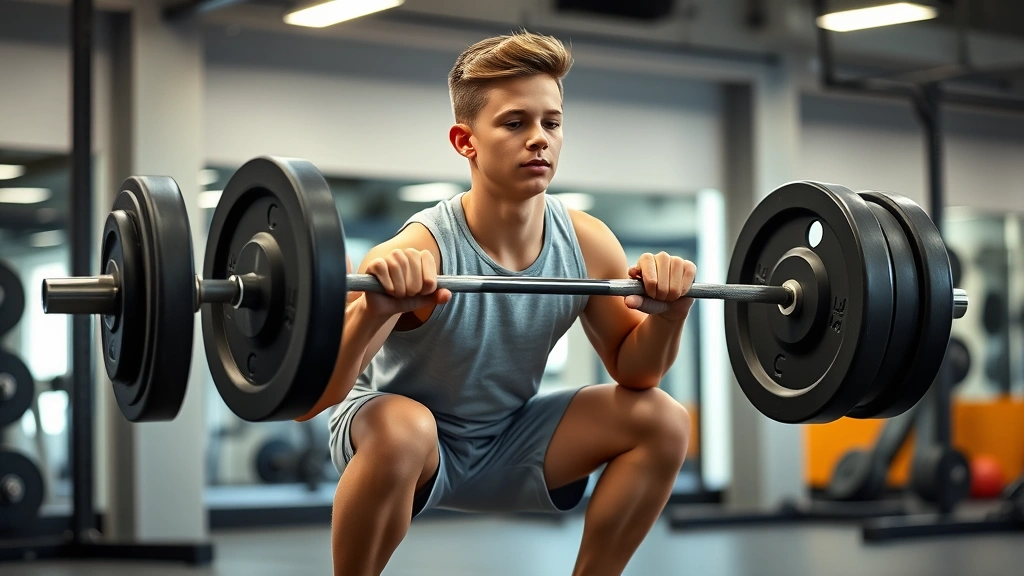
Does Lifting Weights Stunt Growth? Myths Debunked
The question “will lifting weights stunt my growth?” has haunted countless teenagers considering strength training. Parents worry, coaches caution, and myths persist across locker rooms and online forums. Yet the scientific evidence tells a different story—one backed by decades of research in sports medicine, physiology, and pediatric health. Understanding the truth about weightlifting and growth is essential for anyone seeking to build a strong, healthy body during their formative years.
This comprehensive guide separates fact from fiction, examining the biological mechanisms behind growth, analyzing peer-reviewed research, and providing practical guidance for safe strength training at every age. Whether you’re a teenager eager to start lifting, a parent concerned about your child’s development, or a coach designing training programs, this article equips you with evidence-based answers that can transform misconceptions into confidence.

The Origin of the Growth-Stunting Myth
The belief that weightlifting stunts growth likely stems from observations made in the early 20th century about child laborers and their development. Workers subjected to extreme physical strain—performing heavy manual labor for 12+ hours daily without proper nutrition or rest—showed stunted growth patterns. This observation created an association between physical exertion and reduced height that persisted for generations.
The myth was further reinforced by misunderstandings about hormonal responses to exercise. When researchers discovered that intense physical activity affects growth hormone and cortisol levels, some interpreted these changes as inherently harmful to growth. However, they misunderstood the complex interplay between hormones and actual skeletal development. The reality is far more nuanced than these early conclusions suggested.
Modern pediatric sports medicine has thoroughly investigated this concern, and the evidence is clear: properly performed weightlifting does not stunt growth. In fact, the American Academy of Pediatrics, American College of Sports Medicine, and National Strength and Conditioning Association all endorse resistance training for youth when executed with proper technique and appropriate progression.

How Growth Actually Works: The Science
Understanding whether lifting weights stunts growth requires first comprehending how your body actually grows. Human height is determined primarily by genetics (accounting for approximately 80% of variation) and nutrition, with environmental factors playing secondary roles. Growth occurs through a complex process involving bones, hormones, and cellular development that continues from infancy through the late teenage years.
The Role of Growth Plates
Growth plates, or epiphyseal plates, are areas of cartilage tissue located near the ends of long bones. These specialized zones contain rapidly dividing cells that increase bone length. During childhood and adolescence, growth plates are gradually replaced by solid bone through a process called ossification. This process typically completes in the late teenage years or early twenties, though timing varies among individuals.
Growth is primarily regulated by growth hormone, thyroid hormone, and sex hormones like testosterone and estrogen. Nutrition—particularly adequate protein, calcium, vitamin D, and calories—provides the building blocks for bone formation. Sleep and overall health status also significantly influence growth trajectory. These factors work together in a coordinated system that is remarkably resilient to typical physical activity.
Hormonal Responses to Exercise
When you lift weights, your body responds by releasing various hormones including growth hormone, cortisol, and testosterone. Some people worry that elevated cortisol (a stress hormone) might inhibit growth. However, the cortisol response to moderate resistance training is minimal and brief. Moreover, the anabolic hormones released during and after strength training—particularly growth hormone and testosterone—actually support tissue building and development.
Research shows that properly structured resistance training actually enhances the hormonal environment for growth and development. Young athletes who engage in age-appropriate strength training often experience improved bone density, better hormonal profiles, and accelerated lean muscle development—all markers of healthy growth and development.
What Research Actually Shows About Weightlifting and Height
Multiple peer-reviewed studies have directly investigated whether weightlifting affects growth in young athletes. The findings are remarkably consistent: there is no evidence that properly performed resistance training stunts growth in children or adolescents.
A comprehensive review published in the Journal of Strength and Conditioning Research examined longitudinal studies of young weightlifters and found no differences in final adult height compared to non-lifting peers. Athletes who began strength training in childhood and continued through adolescence reached normal adult heights consistent with their genetic potential.
The American Academy of Pediatrics states: “Resistance training, when properly designed and supervised, is a safe and effective activity for children and adolescents.” This endorsement comes after reviewing extensive evidence on safety, injury rates, and long-term health outcomes. The organization emphasizes that benefits include improved strength, bone health, and metabolic function—with no documented negative effects on growth.
Cross-sectional studies comparing elite young weightlifters to age-matched controls show no stunting effect. In fact, many young weightlifters achieve heights at or above population averages. Some of the tallest athletes in Olympic weightlifting and powerlifting began training in early adolescence, demonstrating that serious strength training is entirely compatible with reaching one’s full genetic height potential.
One particularly revealing finding: studies of young gymnasts—who perform intense physical training starting at very young ages—show that while gymnastics may select for shorter individuals (due to biomechanical advantages), the training itself does not stunt growth. This distinction is crucial: correlation does not equal causation.
Growth Plates: Understanding the Real Risk
While weightlifting doesn’t stunt growth, growth plates do represent a legitimate concern for injury prevention. Growth plates are softer and more vulnerable to injury than fully ossified bone. However, the solution isn’t to avoid resistance training—it’s to train intelligently with proper technique and appropriate progression.
When Are Growth Plates Most Vulnerable?
Growth plates are most vulnerable during periods of rapid skeletal growth, typically during early puberty. During these growth spurts, the growth plate temporarily becomes even softer as new cells rapidly multiply. This is when injury risk peaks, making proper technique and load management especially important.
However, the actual risk of growth plate injury from properly performed weightlifting is remarkably low. Most growth plate injuries result from high-impact activities (jumping, running on hard surfaces) or traumatic events (falls, collisions) rather than controlled resistance training. When growth plate injuries do occur in young lifters, they typically result from poor form, excessive loads, or inadequate supervision—not from resistance training itself.
Safe Training Parameters for Young Athletes
To minimize any theoretical risks while maximizing benefits, young lifters should follow evidence-based guidelines:
- Technique first: Master proper form with light loads before increasing weight
- Progressive overload: Gradually increase weight, reps, or sets over weeks and months
- Appropriate loads: Use weights that allow 8-12 controlled repetitions for most exercises
- Supervision: Train under guidance of qualified strength coaches or trainers
- Variety: Include bodyweight exercises, resistance bands, and machines alongside free weights
- Rest: Allow adequate recovery between sessions (48 hours for same muscle groups)
- Nutrition: Maintain adequate calories, protein, and micronutrients
Following these guidelines virtually eliminates injury risk while providing tremendous benefits for strength, bone health, athletic performance, and overall development. This approach to training aligns with goal-setting principles that emphasize gradual progression and sustainable habits.
Safe Weightlifting Practices for Young Athletes
Implementing safe training practices is straightforward and highly effective. These evidence-based approaches protect young athletes while maximizing the benefits of strength training for their development.
Age-Appropriate Program Design
Children as young as six or seven can safely begin resistance training using bodyweight exercises, resistance bands, and light implements. The focus at this age should be on movement patterns, coordination, and building positive associations with physical activity. Programs for younger children (6-10 years) emphasize technique and fun rather than maximal strength.
Early adolescents (11-14 years) can progress to more structured programs incorporating light weights, machines, and resistance bands. This age group benefits significantly from resistance training for bone development, injury prevention, and athletic performance. Programs should emphasize perfect technique and controlled progression.
Older adolescents (15-18 years) can safely perform more advanced training including barbell exercises, when properly coached. By this age, growth plates are more resistant to injury, and young athletes can handle more sophisticated programming. However, the fundamentals of proper technique and progressive overload remain paramount.
Essential Safety Components
Every young athlete’s program should include: (1) A thorough warm-up addressing mobility and movement preparation; (2) Technical instruction from qualified professionals; (3) Regular form checks and corrections; (4) Appropriate load selection that allows controlled movement; (5) Progressive overload that increases demands gradually; (6) Adequate rest and recovery; (7) Comprehensive nutrition supporting growth and training adaptations.
The importance of qualified instruction cannot be overstated. A coach who understands youth development, proper biomechanics, and age-appropriate programming can make the difference between a transformative training experience and potential problems. Many facilities now offer youth-specific coaching, and this investment pays enormous dividends in safety and results.
Benefits of Strength Training During Development
Beyond settling the growth-stunting myth, it’s important to understand the genuine benefits of strength training for young people. These advantages extend far beyond physical development and include psychological and metabolic benefits.
Bone Health and Development
Resistance training stimulates bone formation and increases bone mineral density during the critical years when peak bone mass is achieved. Young people who engage in strength training develop stronger, denser bones that serve them throughout life, reducing osteoporosis risk decades later. This benefit is particularly important for girls, who have higher osteoporosis risk later in life.
The stimulus of mechanical loading during resistance training sends signals to bone cells to build more bone tissue. This adaptation is most pronounced during the growing years when bone remodeling is most active. The bone-building benefits of young adult strength training persist throughout life.
Injury Prevention and Athletic Performance
Strength training significantly reduces injury rates across virtually all sports. Young athletes with adequate strength, particularly in stabilizer muscles and core, experience fewer injuries during sports participation. This protective effect extends to both acute injuries (sprains, strains) and overuse injuries.
Improved strength also enhances athletic performance across measures including speed, power, jumping ability, and sport-specific skills. Young athletes who include resistance training in their programs consistently outperform non-training peers in athletic tests and competitive performance.
Metabolic and Mental Health Benefits
Strength training improves metabolic health markers including insulin sensitivity, body composition, and cardiovascular function. Young people who strength train typically have better body composition (more muscle, less excess fat) even when total weight is similar to non-training peers.
Perhaps equally important are mental health benefits. Strength training builds confidence, resilience, and self-efficacy. Young people who set strength training goals and achieve them develop psychological skills that transfer to other life domains. The discipline and consistency required for progressive training builds character and intrinsic motivation that supports lifelong health.
Common Concerns Addressed
Won’t Heavy Lifting Damage My Joints?
Properly performed resistance training actually strengthens joints by building the muscles, tendons, and ligaments that support them. Young athletes who strength train appropriately have stronger, more stable joints than non-training peers. The risk of joint damage comes from poor technique, excessive loads, or inadequate recovery—not from strength training itself when properly executed.
What About Muscle-Bound Appearance Limiting Flexibility?
This concern stems from outdated stereotypes. Modern strength training programs emphasize functional movement patterns and include adequate stretching and mobility work. Young athletes who strength train while maintaining flexibility through proper programming are actually more athletic and functional than those avoiding resistance training.
Could Strength Training Interfere with Other Sports?
Properly designed strength training complements other sports by improving performance, reducing injury risk, and building work capacity. The key is integrating resistance training appropriately into overall training periodization rather than allowing it to interfere with sport-specific preparation. This requires thoughtful programming that considers total training volume and intensity.
What if I’m Still Growing Rapidly?
Periods of rapid growth actually warrant more careful attention to technique and recovery, not avoidance of strength training. During growth spurts, young athletes should potentially use slightly lighter loads, emphasize perfect technique, and ensure adequate nutrition and sleep. However, continuing appropriate resistance training during growth spurts is safe and beneficial.
How Do I Know If My Coach Knows About Youth Training Safety?
Look for coaches with certifications from reputable organizations like the National Strength and Conditioning Association (NSCA), American College of Sports Medicine (ACSM), or similar bodies. Ask about their experience with youth athletes, their approach to progression, and their emphasis on technique. A qualified coach will prioritize form over load and will adapt programming based on individual development.
FAQ
At what age is it safe to start weightlifting?
Children can safely begin resistance training around age 6-7 using bodyweight exercises and resistance bands. Structured programs with light weights can begin around age 10-12 with proper coaching. There is no minimum age for beginning resistance training when it’s age-appropriately designed and properly supervised.
Should young lifters avoid heavy weights?
Young athletes should use appropriately challenging loads—typically weights that allow 8-12 controlled repetitions—rather than attempting maximal loads. “Heavy” is relative to the individual’s strength level. Progressive overload (gradually increasing demands) is more important than absolute load.
How much recovery do young athletes need between lifting sessions?
Young athletes typically need 48 hours of recovery for the same muscle groups between resistance training sessions. However, they can perform resistance training 3-4 days per week by training different muscle groups on different days. Adequate sleep (8-10 hours for most adolescents) is crucial for recovery and growth.
Can girls safely lift weights during puberty?
Yes, girls can safely and beneficially lift weights throughout puberty. Resistance training during this period builds bone density, prevents injuries, improves athletic performance, and supports healthy body composition. Girls benefit equally from strength training as boys, though programming should account for individual differences in development timing.
What should young lifters eat to support training and growth?
Young lifters need adequate total calories, protein (0.7-1.0 grams per pound of body weight), and micronutrients including calcium, vitamin D, and iron. Whole foods should form the foundation of nutrition, with emphasis on lean proteins, whole grains, fruits, and vegetables. Hydration is also critical, particularly when training.
How can I tell if my child is overtraining?
Signs of overtraining include persistent fatigue, declining performance, increased injury susceptibility, mood changes, sleep disruption, or loss of appetite. Young athletes should have adequate recovery days, should not train intensely every day, and should enjoy their training. If concerns arise, consulting with a sports medicine physician is appropriate.
Will lifting weights make me too muscular?
Building significant muscle mass requires years of consistent training, appropriate nutrition, and often doesn’t occur maximally until after puberty when hormone levels stabilize. Young athletes who strength train develop appropriate muscle for their age and activity level. The concern about becoming “too muscular” is unfounded for most young trainees.
Can strength training prevent growth plate injuries?
Properly performed strength training with good technique can help prevent growth plate injuries by strengthening supporting muscles and connective tissues. However, growth plate injuries typically result from high-impact activities or traumatic events rather than controlled resistance training.
The evidence is clear and compelling: lifting weights does not stunt growth. When young athletes follow evidence-based training principles—emphasizing proper technique, progressive overload, appropriate loads, and adequate recovery—they not only reach their full genetic height potential but also gain tremendous benefits for bone health, athletic performance, injury prevention, and mental development. The myth persists despite scientific evidence to the contrary, but this comprehensive guide provides the information needed to make confident, informed decisions about youth strength training. By embracing properly designed resistance training, young people invest in their immediate athletic success and long-term health and vitality throughout life. This aligns with the broader personal growth philosophy that emphasizes evidence-based improvement across all life domains.


