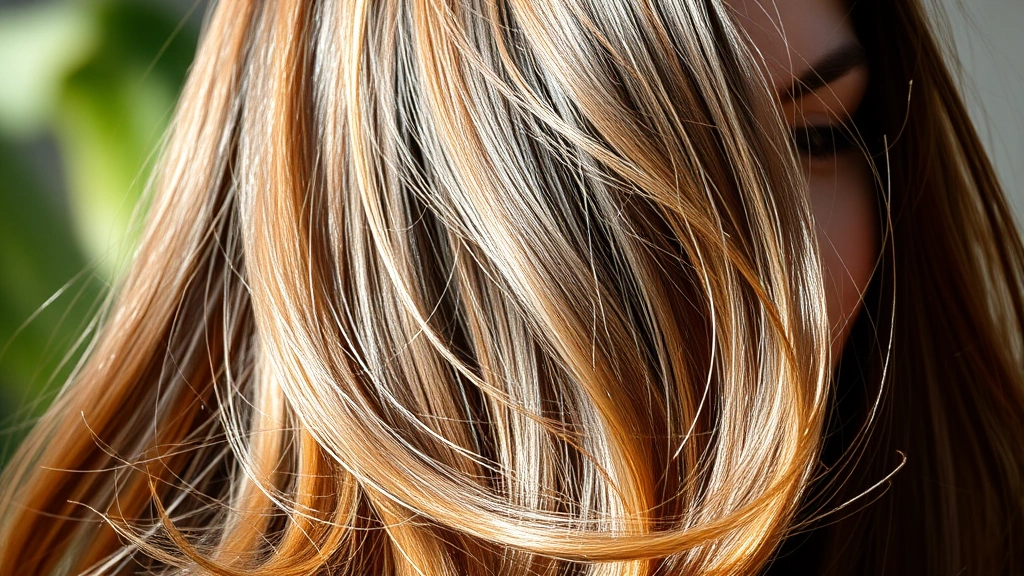
Unlock Wild Hair Growth: Dermatologist Tips for Transforming Your Hair
Your hair is more than just strands on your head—it’s a reflection of your overall health, vitality, and commitment to self-care. When you’re serious about achieving wild hair growth, you’re not just investing in aesthetics; you’re investing in a version of yourself that radiates confidence and wellness. The journey toward luxurious, thick, fast-growing hair requires understanding the science behind hair growth, implementing proven dermatological strategies, and maintaining consistency with your routine.
Many people struggle with slow hair growth, thinning, and breakage, often feeling frustrated when results don’t appear overnight. However, dermatologists have identified specific, evidence-based approaches that can dramatically accelerate hair growth when implemented correctly. This comprehensive guide combines dermatological expertise with practical strategies you can start today to unlock the wild hair growth you’ve always wanted.
Understanding Your Hair Growth Cycle
Before implementing any strategy for wild hair growth, you must understand how hair actually grows. Your hair follows a precise biological cycle with three distinct phases: the anagen phase (active growth), the catagen phase (transition), and the telogen phase (resting and shedding). Most of your hair—approximately 85-90%—is in the anagen phase at any given time, which is the growth phase where your hair can extend by about half an inch per month.
The duration of your anagen phase is genetically determined and typically lasts between 3-7 years. This is why some people naturally grow longer hair than others. However, dermatologists have discovered that you can optimize the conditions within this cycle to maximize growth speed and hair thickness. By understanding this biology, you’re already positioning yourself ahead of those who treat hair growth as random chance rather than a manageable process.
Hair loss occurs when the telogen phase becomes extended or when hairs prematurely enter this shedding phase. Stress, poor nutrition, hormonal imbalances, and scalp inflammation are primary triggers for this disruption. By addressing these root causes—much like personal growth requires addressing foundational beliefs—you can shift your hair back into optimal growth conditions.

Nutritional Foundations for Hair Health
Dermatologists consistently emphasize that wild hair growth starts from within. Your hair is composed primarily of a protein called keratin, and it requires specific micronutrients to grow strong and resilient. Without proper nutrition, even the best topical treatments will yield minimal results. Think of your body as a garden: you can water the surface all you want, but without nutrient-rich soil, nothing thrives.
The most critical nutrients for hair growth include:
- Biotin (Vitamin B7): This vitamin strengthens hair structure and improves elasticity. Research shows biotin supplementation can increase hair thickness within 90 days.
- Iron: Low iron levels are directly linked to hair loss. Iron deficiency anemia disrupts the hair growth cycle, pushing hairs prematurely into the shedding phase.
- Zinc: Essential for protein synthesis and cell division in hair follicles. Zinc deficiency causes telogen effluvium, a condition causing excessive hair shedding.
- Selenium: Protects hair follicles from oxidative stress and supports thyroid function, which regulates hair growth.
- Vitamin D: Low vitamin D correlates with alopecia and hair loss. This vitamin activates hair follicle growth.
- Protein: Since hair is primarily protein, adequate intake is non-negotiable. Aim for 1.2-1.6 grams per kilogram of body weight daily.
- Omega-3 Fatty Acids: Reduce scalp inflammation and support follicle health from the inside out.
According to research published by the National Institutes of Health, micronutrient deficiencies are among the most overlooked causes of hair loss. Before spending money on expensive treatments, get blood work done to identify any deficiencies. This diagnostic approach aligns with the principle of growth mindset—understanding your starting point enables strategic improvement.
Include these hair-boosting foods daily: wild salmon, spinach, sweet potatoes, eggs, almonds, Greek yogurt, and lentils. These whole foods provide the complete nutritional profile your hair needs to thrive, rather than relying solely on supplements.

Dermatologist-Approved Topical Treatments
While nutrition addresses hair growth from within, topical treatments work directly on your scalp and hair. Dermatologists recommend two FDA-approved medications with proven efficacy for promoting wild hair growth:
Minoxidil (Rogaine) is a topical solution applied directly to the scalp twice daily. Originally developed as a blood pressure medication, scientists discovered it stimulates hair growth as a side effect. Minoxidil works by extending the anagen phase and increasing blood flow to hair follicles. Clinical studies show that 40% of users experience significant hair regrowth, with results appearing after 4-6 months of consistent use.
Finasteride (Propecia) is an oral medication that blocks DHT (dihydrotestosterone), a hormone that shrinks hair follicles in genetically predisposed individuals. By reducing DHT levels, finasteride prevents further hair loss and can promote regrowth. Results typically appear after 3-6 months, with maximum benefits at 12 months.
Beyond these medications, dermatologists recommend peptide-based serums and growth factor treatments that signal follicles to enter the growth phase. Look for products containing copper peptides, which research from the Journal of Dermatological Treatment shows can increase hair thickness and density.
Consistency is critical. Many people abandon treatments after 8-12 weeks, expecting dramatic results. Hair growth is a marathon requiring patience and persistence—qualities that also apply to increasing motivation for any long-term goal.
Scalp Health: The Foundation of Growth
Your scalp is the soil in which hair grows. A healthy scalp environment is absolutely essential for wild hair growth. Many people neglect scalp care, focusing instead on hair strands themselves. This is a critical mistake. Inflammation, buildup, fungal issues, and bacterial imbalances all sabotage growth.
Start with scalp cleansing. Use a gentle, sulfate-free shampoo designed for scalp health rather than just hair cleansing. Massage your scalp with your fingertips (not nails) in circular motions for 2-3 minutes during each wash. This increases blood flow to follicles and distributes natural oils.
Exfoliate your scalp weekly using a gentle scalp scrub or a soft brush. This removes dead skin cells, product buildup, and sebum that suffocate hair follicles. Many dermatologists recommend scalp massagers with specific bristle patterns designed to stimulate without irritating.
Consider using a scalp treatment serum containing ingredients like salicylic acid (for oil control), zinc pyrithione (for fungal control), or niacinamide (for inflammation reduction). Apply these treatments 2-3 times weekly, focusing on the scalp rather than hair strands.
Hydration is equally important. Your scalp needs moisture just like your skin does. Use a lightweight scalp moisturizer or hair oil that won’t clog follicles. Argan oil, rosehip oil, and jojoba oil are excellent choices that provide hydration while supporting follicle health.
The American Academy of Dermatology emphasizes that scalp pH balance is crucial. Most tap water is alkaline, which disrupts your scalp’s natural acidic pH. Use a pH-balanced rinse or dilute apple cider vinegar rinse (1 part vinegar to 4 parts water) after shampooing to restore balance and create an optimal environment for wild hair growth.
Lifestyle Factors That Accelerate Growth
Your lifestyle directly impacts hair growth speed and quality. Stress, sleep deprivation, sedentary behavior, and poor hydration all impede growth. Conversely, strategic lifestyle changes can dramatically accelerate results.
Stress Management: Chronic stress elevates cortisol, which disrupts the hair growth cycle and pushes hair into the telogen phase prematurely. Implement stress-reduction practices daily: meditation, deep breathing exercises, yoga, or time in nature. Research shows that even 10 minutes of daily meditation reduces cortisol and supports hair health.
Sleep Quality: Hair growth accelerates during sleep when your body prioritizes repair and regeneration. Aim for 7-9 hours of quality sleep nightly. During deep sleep, growth hormone peaks, which directly stimulates hair follicles. Poor sleep disrupts this process, slowing growth and increasing shedding.
Exercise: Regular cardiovascular exercise increases blood circulation throughout your body, including to your scalp. This enhanced blood flow delivers more oxygen and nutrients to hair follicles. Aim for 150 minutes of moderate aerobic activity weekly. The improved circulation combined with stress reduction from exercise creates an ideal environment for wild hair growth.
Hydration: Your hair is 13% water. Dehydration weakens hair structure and slows growth. Drink at least 8-10 glasses of water daily, more if you exercise regularly. Proper hydration also supports nutrient absorption and scalp health.
Avoid Smoking and Excessive Alcohol: Both smoking and heavy alcohol consumption reduce blood flow to hair follicles, accelerate hair loss, and impede growth. If you’re serious about wild hair growth, eliminating these habits is non-negotiable.
Advanced Techniques and Treatments
Once you’ve mastered the fundamentals, advanced dermatological techniques can further accelerate wild hair growth. These treatments work best when combined with the foundational strategies already discussed.
Platelet-Rich Plasma (PRP) Therapy: This cutting-edge treatment involves extracting your blood, concentrating the platelets, and injecting them into your scalp. Platelets contain growth factors that stimulate hair follicles. Studies show PRP can increase hair density by 30-50% within 6 months. Multiple sessions spaced 4-6 weeks apart yield best results.
Low-Level Laser Therapy (LLLT): Also called red light therapy, LLLT uses specific wavelengths of light to stimulate cellular activity in hair follicles. Clinical trials demonstrate that LLLT increases hair count and thickness. Devices range from professional-grade treatments to at-home caps and combs you can use daily.
Mesotherapy: This technique involves injecting customized micronutrient cocktails directly into the scalp. These injections deliver concentrated doses of vitamins, minerals, and growth factors directly to follicles, bypassing digestive absorption limitations. Results appear within 4-8 weeks.
Hair Transplantation: For those with significant hair loss, modern hair transplantation techniques (FUE and FUT) provide permanent solutions. These procedures move healthy hair follicles from donor areas to thinning areas, ensuring wild hair growth in previously bald regions.
Before pursuing advanced treatments, consult with a board-certified dermatologist. They’ll assess your specific situation and recommend the most appropriate interventions for your hair type, loss pattern, and goals.
Common Mistakes Sabotaging Your Growth
Even with perfect intentions, certain habits undermine wild hair growth progress. Awareness of these mistakes enables you to avoid them.
Over-washing: Washing hair more than 3-4 times weekly strips natural oils and stresses follicles. Limit washing to 2-3 times per week, using lukewarm (not hot) water. Hot water opens the scalp cuticle and causes moisture loss.
Tight Hairstyles: Constant tension from tight ponytails, braids, and buns causes traction alopecia—permanent hair loss from mechanical stress. Wear your hair down or in loose styles at least 50% of the time.
Excessive Heat Styling: Frequent blow-drying, straightening, and curling damage hair structure and slow growth. Minimize heat styling to 1-2 times weekly, always using heat protectant products. Air-dry when possible.
Ignoring Scalp Issues: Dandruff, seborrheic dermatitis, and fungal infections create hostile environments for growth. Address scalp conditions immediately with appropriate treatments rather than hoping they resolve independently.
Inconsistent Application: Many people start treatments enthusiastically but abandon them after 2-3 months. Hair growth requires 4-6 months minimum to show noticeable results. Build consistency into your routine like you would with personal growth initiatives—progress compounds over time.
Using the Wrong Products: Not all hair products are created equal. Avoid products with sulfates, parabens, and silicones that build up on hair and scalp. Invest in quality, science-backed products designed for your specific hair type and concerns.
Neglecting Professional Guidance: If you’re experiencing significant hair loss or slow growth despite implementing these strategies, see a dermatologist. Underlying health conditions, hormonal imbalances, or medication side effects might require professional intervention.
FAQ
How long does it take to see results from hair growth treatments?
Most dermatologically-approved treatments require 4-6 months of consistent use before noticeable results appear. Some people see changes within 3 months, while others need 6-12 months. The hair growth cycle means you’re essentially waiting for new hairs to complete their growth phase. Patience and consistency are essential.
Can I use minoxidil and finasteride together?
Yes, dermatologists often recommend combining minoxidil and finasteride for enhanced results. They work through different mechanisms—minoxidil stimulates growth while finasteride prevents loss—making them complementary. Always consult your dermatologist before combining treatments.
What’s the best diet for hair growth?
Focus on whole foods rich in protein, iron, biotin, zinc, and omega-3 fatty acids. Include wild salmon, eggs, spinach, sweet potatoes, almonds, Greek yogurt, and lentils daily. Consider biotin and iron supplements if blood work reveals deficiencies, but food sources are generally superior to supplements.
Does stress really cause hair loss?
Absolutely. Chronic stress elevates cortisol, which disrupts the hair growth cycle and triggers telogen effluvium (excessive shedding). Stress management through meditation, exercise, and adequate sleep directly supports hair growth. The mind-body connection is powerful—addressing stress benefits both your hair and overall wellness.
How often should I wash my hair?
Dermatologists recommend washing 2-3 times weekly for most hair types. Over-washing strips natural oils that protect hair and scalp. If you exercise frequently and sweat heavily, you might wash more often, but use dry shampoo between washes to minimize water exposure.
Are hair growth supplements effective?
Supplements can be helpful if you have documented deficiencies, but they’re not magic solutions. Biotin, iron, zinc, and vitamin D supplements show promise in clinical research, but results depend on whether you actually have deficiencies. Get blood work done before supplementing. Food sources combined with targeted supplementation of confirmed deficiencies yields best results.
Can I regrow hair naturally without medications?
Natural approaches—proper nutrition, stress management, scalp care, and lifestyle changes—can improve hair health and slow loss. However, if you have androgenetic alopecia (genetic hair loss), natural methods alone typically cannot reverse it. Combining natural approaches with dermatologist-approved treatments yields superior results.
What’s the difference between hair loss and normal shedding?
Losing 50-100 hairs daily is normal. If you’re losing more than 100-150 hairs daily, or if you notice thinning patches, that’s abnormal hair loss requiring dermatological evaluation. Keep a hair count for a week to assess whether you’re within normal range.


