
Jumping Exercises for Bone Growth: Trainer Tips
Bone health is foundational to your overall physical performance and longevity. While many people focus on cardiovascular fitness or muscle building, they often overlook one of the most effective ways to strengthen bones: jumping exercises. The impact forces generated during jumping stimulate bone-forming cells, triggering adaptive responses that increase bone density and mineral content. This is particularly crucial during childhood and adolescence when bone mass is still developing, but remains valuable throughout adulthood for maintaining skeletal strength and preventing age-related deterioration.
As a fitness trainer, I’ve witnessed firsthand how strategic jumping protocols transform not just athletic performance, but also skeletal resilience. The science is compelling: weight-bearing impact exercise increases osteoblast activity, the cells responsible for bone formation. When you jump, your bones experience forces two to three times greater than your body weight, sending signals to your skeletal system to adapt and strengthen. This article explores evidence-based jumping exercises that trainers recommend for optimal bone growth, along with practical implementation strategies to maximize results safely.
Why Jumping Builds Stronger Bones
Understanding the mechanism behind bone adaptation is essential for appreciating why jumping is so effective. Your skeleton is a living, dynamic tissue that constantly responds to mechanical stress. When you engage in personal growth through physical training, your bones literally become stronger through a process called wolff’s law. This principle states that bone adapts to the loads placed upon it—increased loading stimulates bone formation, while reduced loading leads to bone loss.
Research from the Journal of Bone and Mineral Research demonstrates that high-impact activities produce the greatest osteogenic stimulus. Jumping creates rapid acceleration and deceleration forces that send metabolic signals throughout your skeletal system. The magnitude and novelty of these forces matter tremendously—this is why varied jumping patterns outperform repetitive, low-impact activities. Your bones adapt best to unpredictable, high-velocity movements that challenge them in new ways.
Age is a critical factor in bone development. Peak bone mass typically occurs in the late twenties to early thirties. Building maximum bone density during youth provides a crucial buffer against age-related bone loss. Adults can increase bone density by 1-3% annually through appropriate impact exercise, while children and adolescents can achieve even more dramatic gains. This makes implementing jumping protocols early particularly valuable for long-term skeletal health.
Best Jumping Exercises for Bone Development
Not all jumping exercises produce equal results. Trainers prioritize movements that maximize ground reaction forces while maintaining proper biomechanics. Here are the most effective exercises for bone growth:
Vertical Jumps and Box Jumps
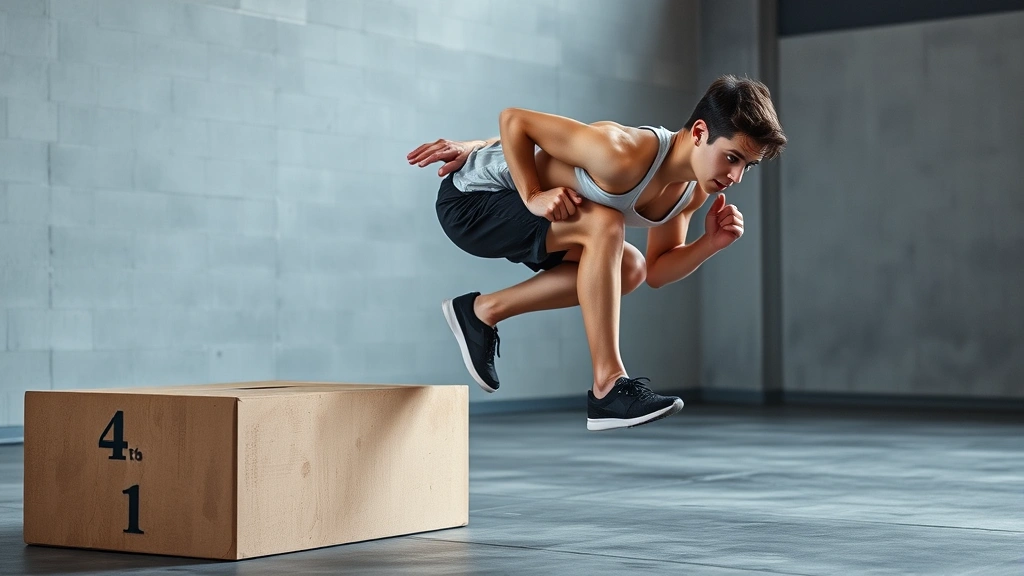
Vertical jumps represent one of the most straightforward yet powerful bone-loading exercises. Begin by standing with feet shoulder-width apart, explosively extending your hips, knees, and ankles simultaneously to achieve maximum height. The eccentric loading phase—when you land and absorb force—provides the strongest osteogenic stimulus. Box jumps, where you jump onto an elevated surface, allow for progressive overload by increasing box height as strength develops. These movements generate ground reaction forces of 2-3 times body weight, directly stimulating bone formation in the legs, hips, and spine.
Single-Leg Hops
Single-leg hops demand greater stabilization and produce asymmetrical loading patterns that strengthen individual limbs. This exercise is particularly valuable for addressing bone density imbalances between sides. Begin with short, controlled hops on one leg, maintaining upright posture and landing softly with a slight knee bend to absorb impact. Progress by increasing hop distance or height. The unilateral nature makes these movements excellent for functional bone strength development.
Depth Jumps
Advanced athletes benefit from depth jumps, where you step down from a box and immediately jump vertically upon landing. This creates an intense eccentric loading phase followed by explosive concentric action. Depth jumps produce substantial ground reaction forces and train the stretch-shortening cycle, improving power while simultaneously loading bones. Start with modest box heights (12-18 inches) and progress cautiously, as these movements are intense.
Jump Squats and Burpees
Jump squats combine lower body strengthening with explosive power development. Descend into a squat position, then explosively extend through your legs to propel yourself upward. These movements engage multiple muscle groups while loading the entire lower kinetic chain. Burpees add complexity by incorporating upper body loading, creating a full-body osteogenic stimulus. Both exercises are accessible yet highly effective for comprehensive bone development.
Lateral Bounds and Lateral Jumps
Lateral movements load bones differently than vertical patterns, providing multidirectional stimulus. Lateral bounds involve explosive sideways movement from one leg to the other, while lateral jumps entail jumping perpendicular to your body’s forward direction. These movements strengthen bones in planes of motion often neglected by traditional training, reducing injury risk and promoting balanced skeletal development.
Programming Strategies for Maximum Impact
Exercise selection matters, but programming strategy determines results. Trainers recommend structuring jumping protocols with specific frequency, intensity, and progression patterns. The principle of progressive overload—gradually increasing training demands—is essential for continued bone adaptation. Your skeleton responds to novel stimulus, so varying exercises prevents plateaus and maintains adaptation.
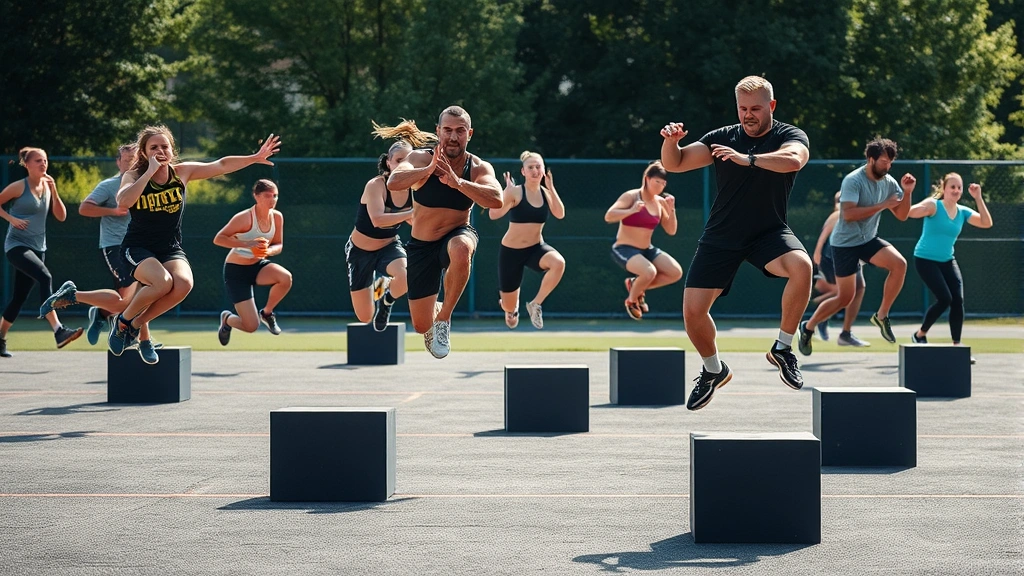
Frequency matters significantly for bone development. Research indicates that 3-4 jumping sessions weekly produces optimal results, providing sufficient stimulus while allowing recovery. Each session should include 20-40 total repetitions of high-impact movements. This might involve 3 sets of 8-10 vertical jumps, followed by 2 sets of 15 single-leg hops per side. The total volume accumulates to adequate osteogenic stimulus without excessive fatigue.
Intensity refers to the impact magnitude and power output required. Higher jumps and faster movements create greater ground reaction forces. Trainers progress intensity by increasing jump height, adding resistance (weighted vests), reducing ground contact time, or performing movements on unstable surfaces. However, intensity must increase gradually to avoid overuse injuries.
Integrating jumping into comprehensive training programs maximizes results. Combine jumping exercises with strength training, which provides complementary bone-loading stimulus. Resistance training increases muscle force production, which transmits greater loads through bones during dynamic activities. Setting specific bone health goals helps maintain consistency and track progress.
Recovery between sessions is critical. Bone adaptation occurs during rest periods when osteoblasts actively build new tissue. Inadequate recovery prevents adaptation and increases injury risk. Allow 48 hours between intense jumping sessions targeting the same body areas. Cross-training with swimming, cycling, or upper body jumping on alternate days maintains activity while permitting adequate recovery.
Safety Considerations and Progression
While jumping is highly effective, improper execution or excessive progression causes injury. Trainers prioritize technique and gradual progression to maximize benefits while minimizing risk. Begin with lower-impact variations—box step-downs, jump rope, or low-height box jumps—before advancing to more demanding movements.
Proper landing mechanics are paramount. Land softly with bent knees, engaging your quadriceps and glutes to absorb impact. Avoid stiff-legged landings or allowing knees to collapse inward. These faulty patterns increase injury risk and reduce osteogenic stimulus. Practice landing mechanics before adding height or complexity.
Surface selection influences training safety and effectiveness. Grass or rubberized surfaces provide some cushioning while maintaining impact forces. Avoid training exclusively on hard concrete, which increases injury risk without improving bone stimulus compared to moderate-impact surfaces. Variety in training surfaces also provides unpredictable stimulus that enhances adaptation.
Age-specific considerations matter tremendously. Children and adolescents have developing skeletal systems requiring careful progression. Begin with simple jumping patterns and gradually increase complexity and intensity. Young athletes benefit greatly from varied jumping activities, which develop coordination alongside bone strength. Adults can progress more aggressively, though caution remains necessary for those with previous injuries or low initial fitness levels.
Individuals with existing bone health concerns should consult healthcare providers before implementing intensive jumping protocols. Those with osteoporosis may benefit from jumping, but progression must be extremely gradual under professional supervision. The American Society for Bone and Mineral Research provides evidence-based guidance for bone-loading exercise prescription.
Nutrition and Recovery for Bone Health
Exercise provides the mechanical stimulus for bone growth, but nutrition provides the building blocks. Calcium and vitamin D are non-negotiable for bone development. Adequate calcium intake (1000-1200 mg daily for adults) supplies the mineral content bones require. Vitamin D (2000-4000 IU daily) enables calcium absorption and regulates bone metabolism. Without these nutrients, even excellent jumping programs produce suboptimal results.
Protein supports bone matrix formation and muscle development that transmits force through bones. Consume adequate protein (1.2-1.6 grams per kilogram body weight) to support both muscle and bone adaptation. Phosphorus, magnesium, and vitamin K also contribute to bone health. A balanced diet including dairy products, leafy greens, fatty fish, and whole grains provides comprehensive micronutrient support.
Hydration influences nutrient transport and recovery processes. Dehydration impairs cellular function and recovery capacity. Drink adequate water throughout the day, particularly around training sessions. This supports nutrient delivery to bones and muscles undergoing adaptation.
Sleep quality directly impacts bone remodeling and adaptation. During sleep, growth hormone secretion increases, supporting bone formation. Aim for 7-9 hours nightly to optimize recovery. Poor sleep impairs osteoblast function and increases inflammatory markers that interfere with bone adaptation. This represents a critical but often-overlooked component of bone development strategy.
Stress management contributes to bone health through hormonal pathways. Elevated cortisol impairs bone formation and increases bone resorption. Implement stress-reduction techniques like meditation, deep breathing, or motivation-building strategies that support psychological wellbeing. This holistic approach to health enhances training results.
Consider working with a healthcare provider or sports nutritionist to assess your individual micronutrient status. Blood tests can identify deficiencies in vitamin D, calcium, or other bone-supporting nutrients. Personalized supplementation, when needed, ensures your nutrition strategy optimally supports your jumping training program.
The integration of fitness and personal development insights from Growth LifeHub creates a comprehensive approach to bone health. Physical training, proper nutrition, adequate recovery, and psychological resilience work synergistically to build stronger bones and improve overall quality of life.
FAQ
At what age should children start jumping exercises for bone development?
Children can safely begin jumping activities as early as 6-7 years old with age-appropriate progressions. Simple jumping patterns, jump rope, and playground activities provide excellent stimulus. Formal training programs with progressive resistance can begin around 10-12 years old with proper supervision. Early exposure to varied jumping movements optimizes peak bone mass development.
How long does it take to see bone density improvements from jumping?
Measurable bone density improvements typically appear within 6-12 months of consistent jumping training. However, mechanical strengthening and enhanced fracture resistance can develop more rapidly. Individual variation exists based on age, baseline fitness, nutrition, and genetics. Consistency matters more than intensity—regular training over months produces superior results compared to sporadic intense efforts.
Can jumping exercises help prevent osteoporosis in older adults?
Yes, jumping and high-impact exercise effectively combat age-related bone loss. Studies demonstrate that older adults who engage in regular jumping activities maintain bone density better than sedentary peers. However, progression must be gradual, and medical clearance is essential for those with existing osteoporosis. Supervised programs produce the best outcomes.
Is jumping effective for upper body bone development?
While jumping primarily loads lower body bones, burpees and other full-body movements engage upper extremities. However, upper body bones respond better to resistance training and throwing activities. A comprehensive bone development program combines jumping with strength training and sport-specific movements.
Can jumping exercises cause joint damage?
Properly executed jumping with adequate progression, recovery, and technique rarely causes joint damage. In fact, appropriately challenging exercise strengthens joints and surrounding tissues. Injury risk increases with poor technique, excessive volume progression, inadequate recovery, or training on inappropriate surfaces. Working with a qualified trainer minimizes injury risk.
What’s the difference between jumping for bone growth versus athletic performance?
While exercises overlap, bone development emphasizes consistent, moderate-volume jumping with adequate recovery. Athletic performance training prioritizes high intensity and power output. Bone health benefits from 3-4 sessions weekly with 20-40 total repetitions per session. Athletic training often involves higher volumes and intensities but requires careful management to prevent overtraining.
How does jumping compare to other weight-bearing exercises for bone growth?
Jumping generates greater ground reaction forces than walking or running, making it superior for bone stimulus. However, a comprehensive program combines multiple activities. Running provides sustained impact loading, resistance training transmits muscular forces through bones, and varied activities provide multidirectional stimulus. The most effective approach integrates multiple training modalities.
Implementing jumping exercises for bone growth represents an investment in lifelong skeletal health and physical capability. The combination of evidence-based training protocols, proper nutrition, adequate recovery, and consistent progression creates the optimal environment for bone adaptation. Whether you’re building peak bone mass in youth or maintaining strength as you age, jumping exercises offer accessible, effective methods for developing stronger bones and improving overall physical resilience.


