Vegan Hair Growth Oil: Dermatologist-Approved Tips for Stronger, Healthier Hair
Your hair is a reflection of your inner health and commitment to self-care. Just as personal growth requires consistent effort and the right tools, achieving luscious, healthy hair demands intentional choices about what you apply to your scalp and strands. Vegan hair growth oils have emerged as a game-changing solution for those seeking plant-based alternatives that actually deliver results—without compromising on ethics or efficacy.
The beauty industry has undergone a profound transformation in recent years, with consumers increasingly demanding products that align with their values. Whether you’re motivated by environmental concerns, animal welfare, or simply wanting to nourish your hair with pure, natural ingredients, vegan hair growth oils offer a compelling answer. But not all plant-based oils are created equal, and understanding which ones work best—according to dermatological science—can mean the difference between mediocre results and truly transformative hair growth.
This comprehensive guide explores dermatologist-approved vegan hair growth oils, evidence-based application methods, and the science behind why these botanical powerhouses work. You’ll discover how to integrate these oils into your routine, optimize your results, and overcome common obstacles—much like the principles outlined in our guide on effective goal setting, applied to your hair wellness journey.
Understanding Vegan Hair Growth Oils and Scalp Science
Before diving into specific oils, it’s crucial to understand the biological mechanisms at work. Your scalp contains millions of hair follicles, each requiring proper blood circulation, nutrient delivery, and hormonal balance to produce healthy growth. When follicles become undernourished or inflamed, hair growth slows, thinning occurs, and shedding increases.
Vegan hair growth oils work through multiple pathways: they improve scalp blood flow, reduce inflammation, provide essential fatty acids and antioxidants, and create an optimal microenvironment for follicle function. Unlike synthetic products that may contain silicones, sulfates, or parabens, plant-based oils deliver bioactive compounds that your scalp recognizes and utilizes efficiently.
Research published in the Journal of Cosmetic Dermatology demonstrates that certain plant oils contain phytosterols, polyphenols, and essential fatty acids that directly support keratinocyte function—the cells responsible for hair shaft production. This isn’t just anecdotal; it’s backed by rigorous scientific methodology.
The beauty of vegan oils lies in their multi-functional nature. A single bottle of quality oil addresses multiple concerns simultaneously: scalp health, hair strength, moisture retention, and follicle vitalization. This holistic approach aligns perfectly with the growth mindset philosophy—recognizing that sustainable improvement requires addressing root causes rather than surface symptoms.

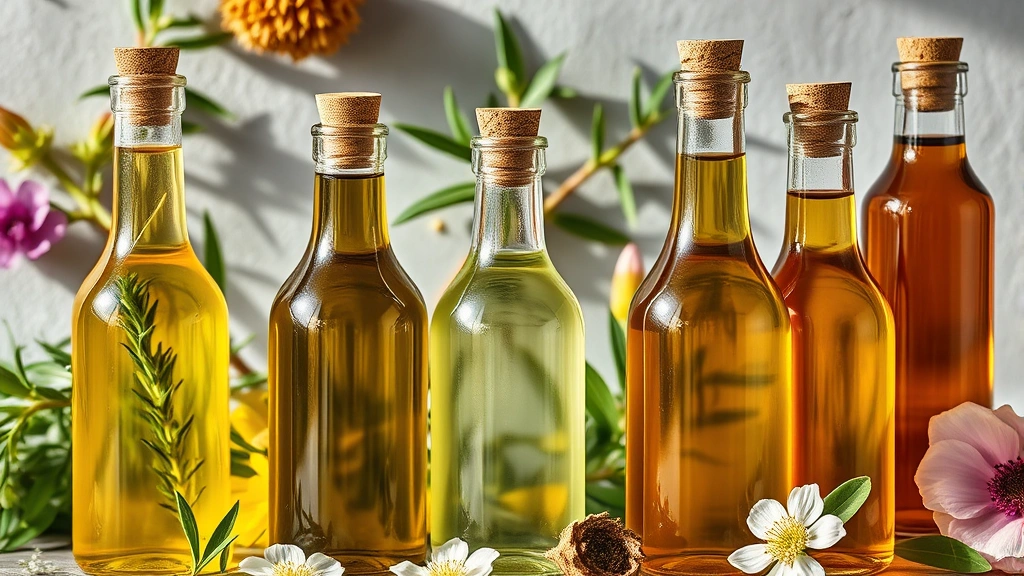
Top Dermatologist-Recommended Plant-Based Oils
Rosemary Oil stands as perhaps the most scientifically validated option for hair growth. A landmark study in Phytotherapy Research compared rosemary oil directly to minoxidil (a common hair loss treatment) and found comparable results after six months of use. Rosemary stimulates the scalp, improves circulation, and contains carnosic acid—a compound with demonstrated neuroprotective properties that may support follicle health.
When selecting rosemary oil, ensure it’s properly diluted (never apply essential oils directly to skin) or choose carrier oil blends specifically formulated for hair care. The potency matters; quality matters; consistency matters—principles that extend to every area of building lasting motivation and sustainable habits.
Coconut Oil functions as an excellent carrier oil and treatment agent. Its lauric acid penetrates the hair shaft, reducing protein loss and strengthening strands from within. Coconut oil also possesses antimicrobial properties that help maintain scalp health, preventing infections that can compromise follicle function. For those with oily scalps, use it sparingly or dilute with lighter oils.
Jojoba Oil closely mimics the scalp’s natural sebum, making it ideal for sensitive or balanced scalp types. Its vitamin E content and anti-inflammatory properties soothe irritation while promoting optimal scalp conditions. Jojoba oil is lightweight and won’t leave residue—a practical consideration for those maintaining consistent wellness practices.
Argan Oil delivers exceptional nourishment through its rich tocopherol and polyphenol profile. Originally used for centuries in Morocco, this oil strengthens hair, reduces breakage, and adds lustrous shine. Its lightweight texture makes it suitable for daily use, even on fine hair types.
Castor Oil contains ricinoleic acid and omega-6 fatty acids that support scalp circulation and follicle health. Thicker than other oils, it works best as an intensive treatment applied 2-3 times weekly rather than daily use.
Sea Buckthorn Oil represents a newer frontier in hair care science. Rich in omega-3, omega-6, and omega-9 fatty acids, plus carotenoids and vitamin E, this oil addresses nutritional deficiencies that often underlie hair loss. Research in PubMed increasingly validates its efficacy for supporting hair growth and scalp health.
How to Apply Hair Growth Oils for Maximum Results
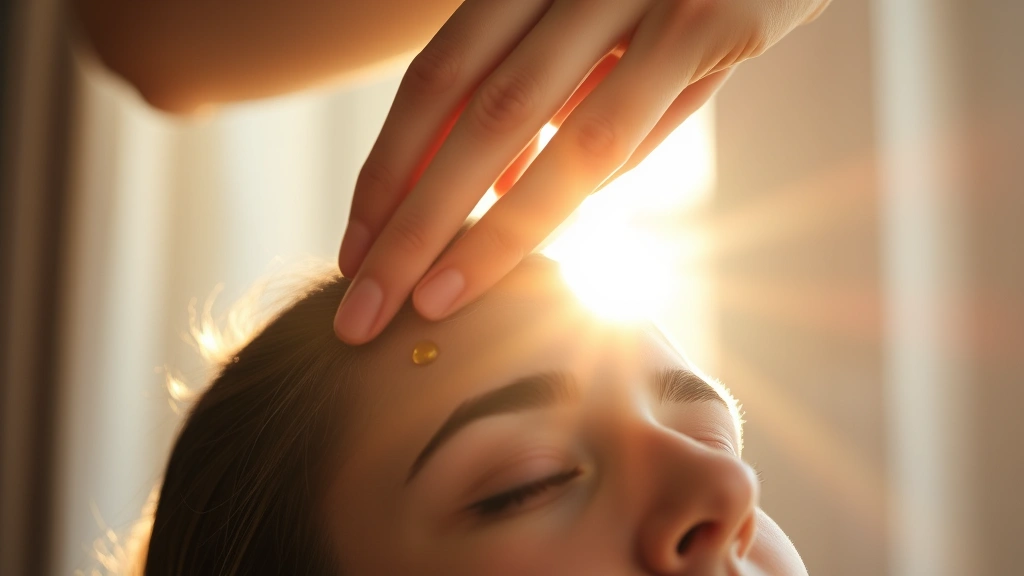
Application method determines whether you’ll see transformative results or merely marginal improvements. The Oil Massage Technique activates blood flow and ensures even distribution. Warm your oil between your palms (not too hot—test on your wrist first), then massage it into your scalp using firm, circular motions for 5-10 minutes. Focus on areas experiencing thinning or weakness. This practice also serves as a mindfulness activity, connecting you to your body and intentions—similar to the reflective practices discussed in our personal growth resources.
Timing and Frequency matter significantly. Most dermatologists recommend oil treatments 2-3 times weekly for optimal results without overwhelming the scalp. Consistency over time produces visible changes; sporadic use yields minimal benefits. Commit to 8-12 weeks before expecting substantial hair growth improvements—this timeline aligns with the natural hair growth cycle.
Leave-In Duration depends on oil type and your scalp condition. Lightweight oils like jojoba can remain on your scalp throughout the day. Heavier oils like castor work best as overnight treatments or 2-3 hour applications. Always follow with gentle shampooing to remove excess oil without stripping natural moisture.
Layering Strategy enhances efficacy. Apply oil to damp (not wet) scalp, as moisture helps penetration. Consider layering complementary oils: rosemary for stimulation, coconut for nourishment, argan for shine. This approach addresses multiple hair concerns simultaneously, much like how strategic tool selection amplifies professional performance.
Building Your Hair Care Routine with Vegan Oils
Sustainable hair growth requires a comprehensive routine, not isolated treatments. Begin by selecting a gentle, sulfate-free shampoo that won’t strip natural oils. Sulfates create an alkaline environment that damages the hair cuticle and disrupts scalp pH balance—counterproductive to growth goals.
Establish a weekly deep-conditioning ritual. Apply your chosen oil blend to clean, damp scalp and hair. Massage thoroughly, then cover with a shower cap to enhance penetration and heat retention. Leave for 1-3 hours or overnight. This dedicated practice creates accountability and reinforces your commitment to self-care—foundational elements of sustainable personal development.
Consider your diet’s role in hair health. Hair growth depends on adequate protein, iron, zinc, biotin, and B vitamins. Plant-based sources include legumes, nuts, seeds, leafy greens, and whole grains. This nutritional foundation makes topical oils far more effective; they work synergistically with internal nourishment.
Scalp health directly influences hair quality. Use your oil treatments to assess scalp condition. Excessive dryness, oiliness, flaking, or sensitivity indicates imbalances requiring attention. Some conditions benefit from specific oils: dry scalps respond well to coconut and argan; oily scalps prefer jojoba and rosemary.
Track your progress through photos taken monthly under consistent lighting. Measure hair thickness, density, and growth rate. This documentation provides motivation during plateaus and helps you identify which oils and techniques work best for your unique hair type and scalp condition—personalized optimization at its finest.
Overcoming Hair Growth Challenges
Hair growth isn’t linear; it involves growth phases (anagen), transition phases (catagen), and resting phases (telogen). Understanding this cycle prevents discouragement when results plateau. Most people shed 50-100 hairs daily—this is normal. Excessive shedding (telogen effluvium) often results from stress, nutritional deficiencies, hormonal changes, or illness.
If you experience persistent hair loss despite consistent oil treatment, consult a dermatologist. Conditions like androgenetic alopecia, alopecia areata, or thyroid dysfunction require professional diagnosis and treatment. Vegan oils support overall scalp health but cannot replace medical intervention for serious conditions.
Patience proves essential. Hair grows approximately half an inch monthly, and follicles must complete their growth cycle before visible improvements appear. This timeline teaches valuable lessons about delayed gratification and sustained effort—principles central to all meaningful goal achievement.
Environmental factors influence results. Hard water, pollution, excessive heat styling, and UV exposure damage hair and impede growth. Use a water softener or chelating shampoo monthly, minimize heat styling, and always apply UV-protective products before sun exposure. These protective measures prevent setbacks and accelerate progress.
Product quality directly impacts outcomes. Seek oils from reputable suppliers offering third-party testing, proper storage (dark glass bottles, cool temperatures), and transparent sourcing. Oxidized or contaminated oils provide minimal benefit and may irritate sensitive scalps.
The Motivation Behind Sustainable Hair Care
Choosing vegan hair growth oils reflects broader values about sustainability, ethics, and personal responsibility. This choice connects to larger questions about how we care for ourselves and our planet. When you commit to plant-based hair care, you’re not merely addressing a cosmetic concern—you’re making a statement about the kind of person you want to be and the impact you want to have.
The discipline required to maintain consistent oil treatments builds character. Showing up for yourself twice weekly, investing time in self-care rituals, and tracking progress develops the same qualities essential for success in any domain. This intersection of personal care and personal development creates powerful momentum.
Research from behavioral psychology demonstrates that small, consistent actions in one area of life generate positive spillover effects. Committing to hair health often catalyzes improvements in nutrition, exercise, sleep, and stress management. These interconnected improvements accelerate hair growth while simultaneously enhancing overall wellbeing—a perfect example of how sustained motivation creates compounding benefits.
Share your journey. Document your hair transformation and inspire others to embrace plant-based care. This community aspect provides accountability, motivation, and the satisfaction of contributing to collective wellbeing. Your commitment to vegan hair growth oils becomes part of a larger movement toward conscious consumption and personal empowerment.
FAQ
How long before I see results from vegan hair growth oils?
Most people notice improved scalp health and reduced shedding within 4-6 weeks. Visible hair growth improvements typically appear after 8-12 weeks of consistent use, 2-3 times weekly. Hair growth rates vary individually based on genetics, age, nutrition, and overall health.
Can I use vegan hair oils if I have an oily scalp?
Yes, but choose lightweight oils like jojoba, rosemary, or diluted argan oil. Apply only to the scalp, not hair strands, and use less frequently (once weekly initially). These oils balance sebum production rather than adding excessive oil.
Are vegan oils safe for color-treated hair?
Absolutely. Plant-based oils actually protect color-treated hair by sealing the cuticle and reducing moisture loss. Apply oils to mid-lengths and ends, avoiding the roots immediately after coloring. This practice extends color vibrancy while promoting hair health.
Can I combine multiple vegan oils?
Yes, combining complementary oils often produces superior results. A typical blend might include rosemary (stimulation), coconut (nourishment), and argan (shine). Start with equal parts and adjust based on your scalp’s response.
What’s the difference between essential oils and carrier oils?
Essential oils are highly concentrated plant extracts requiring dilution in carrier oils before scalp application. Carrier oils (coconut, jojoba, argan) can be applied directly. Never apply undiluted essential oils to your scalp, as they may cause irritation or burning.
Should I use vegan oils if I’m experiencing hair loss?
Vegan oils support overall scalp health and may help prevent further loss, but they cannot address underlying medical conditions causing hair loss. Consult a dermatologist if you’re experiencing significant or persistent hair loss. Oils work best as preventive maintenance or complementary treatment.


