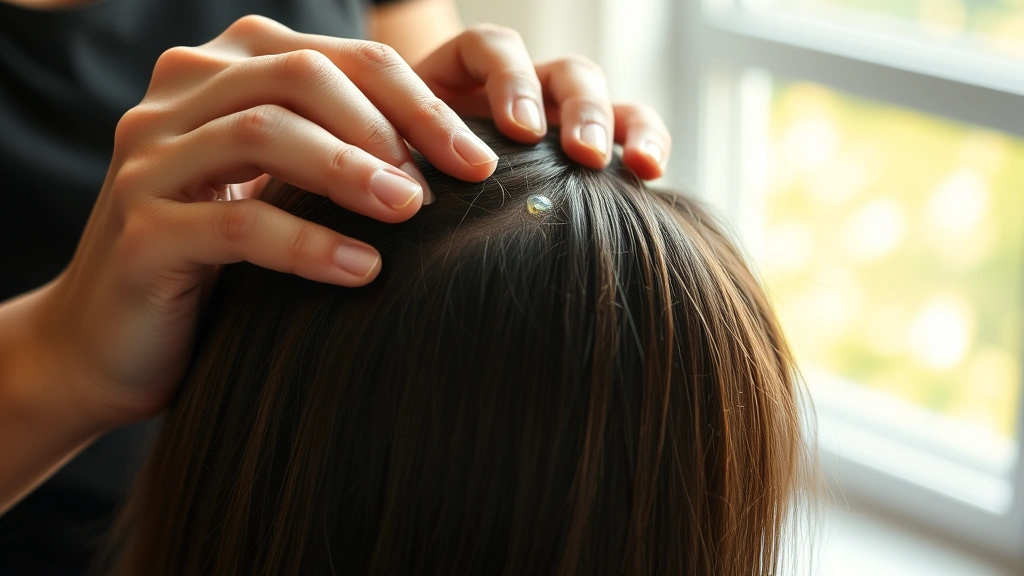
Top Hair Growth Oils: Dermatologist Approved Guide to Thicker, Healthier Hair
Hair loss and thinning can significantly impact your confidence and self-image, affecting how you present yourself to the world. Whether you’re experiencing natural hair shedding, age-related thinning, or damage from styling, finding effective solutions matters deeply. The good news? Nature has provided powerful botanical remedies that dermatologists increasingly recommend alongside conventional treatments.
The best hair growth oil combines scientific efficacy with natural ingredients that nourish your scalp and strengthen hair follicles from root to tip. Unlike quick-fix promises, these dermatologist-approved oils work through consistent application and patience, much like any meaningful personal growth journey requires dedication and time.
This comprehensive guide explores the most effective hair growth oils backed by dermatological research, helping you make informed decisions about your hair health and restoration goals.
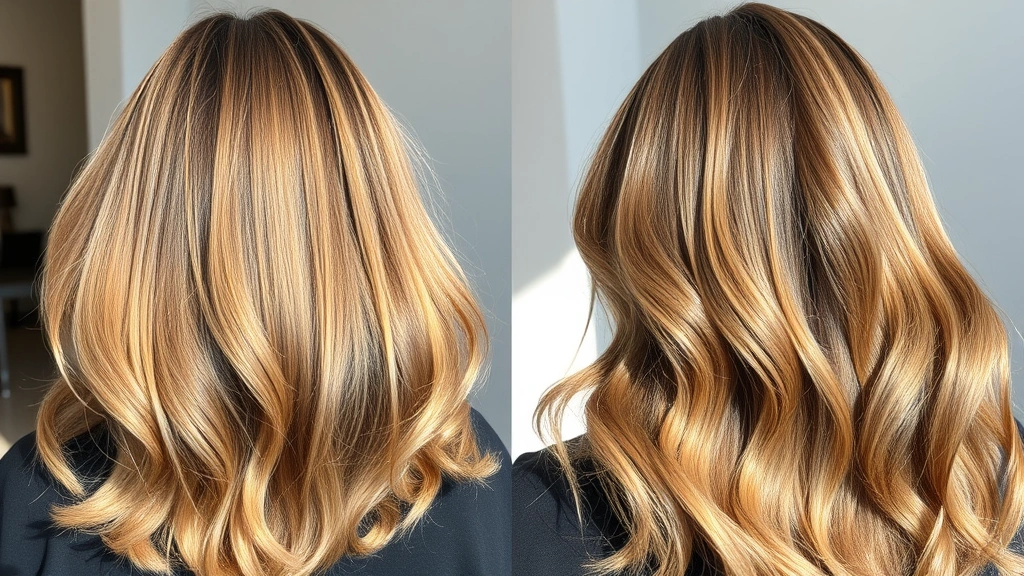
Understanding Hair Growth Science
Before diving into specific oils, understanding how hair grows and what causes thinning empowers you to choose the right solutions. Your hair grows in cycles: the anagen phase (active growth lasting 2-7 years), catagen phase (transition period), and telogen phase (resting period before shedding). When these cycles become disrupted—through stress, nutritional deficiencies, or genetics—hair thinning accelerates.
Dermatologists emphasize that scalp health directly determines hair quality. A healthy scalp maintains proper pH balance, supports blood circulation to follicles, and prevents inflammation that triggers premature hair loss. This is where natural oils excel: they penetrate the scalp barrier, delivering nutrients directly to follicles while creating an optimal environment for growth.
According to research published in Dermatology Practical & Conceptual, botanical oils containing polyphenols and fatty acids significantly improve scalp microcirculation, the blood flow delivering oxygen and nutrients to hair roots. This scientific foundation explains why dermatologists recommend oils as complementary treatments alongside medical interventions.
Your journey toward healthier hair mirrors the principles of growth mindset—requiring patience, consistency, and belief that improvement is possible through sustained effort.

Coconut Oil: The Dermatologist Favorite
Coconut oil dominates dermatological recommendations for hair growth, earning its status through extensive clinical validation. This tropical oil contains lauric acid, a medium-chain fatty acid that penetrates the hair shaft more effectively than many alternatives, reducing protein loss and strengthening each strand from within.
Key benefits include:
- Reduces protein loss by up to 50% when applied before shampooing
- Creates antimicrobial barrier protecting scalp from infection
- Improves scalp hydration, reducing dandruff and itching
- Enhances blood flow to follicles, promoting active growth
- Protects against heat damage from styling tools
Research from the Journal of the American Academy of Dermatology demonstrates that coconut oil’s unique molecular structure allows deeper penetration than mineral oils, making it particularly effective for dry, damaged, or curly hair types. The oil’s antimicrobial properties specifically target Malassezia furfur, a fungus contributing to seborrheic dermatitis and scalp inflammation.
For optimal results, apply virgin coconut oil to damp scalp, massage gently for 5 minutes to stimulate circulation, and leave on for 20-30 minutes before shampooing. Weekly treatments produce visible results within 6-8 weeks.
Argan Oil Benefits for Hair Strength
Often called “liquid gold,” argan oil represents the premium choice for those seeking comprehensive hair restoration. Native to Morocco, this oil contains exceptional concentrations of vitamin E, phenolic compounds, and omega fatty acids that work synergistically to strengthen and protect hair.
Argan oil’s strength lies in its ability to:
- Reduce frizz by 40% through deep hydration
- Repair split ends and prevent breakage
- Restore shine to dull, damaged hair
- Improve scalp elasticity and flexibility
- Support natural hair color retention
Unlike coconut oil’s heavy texture, argan oil absorbs quickly without leaving greasy residue, making it suitable for all hair types—especially fine, thin, or oily scalps. The high tocopherol (vitamin E) content provides antioxidant protection against environmental damage and oxidative stress that accelerates aging of hair follicles.
Dermatologists particularly value argan oil for treating chemotherapy-related hair loss and post-surgical alopecia, where scalp sensitivity prevents stronger treatments. Apply 3-4 drops to damp hair, focusing on mid-lengths and ends, then style as usual. This preventative approach stops breakage, allowing your natural growth to shine.
Rosemary Oil and Minoxidil Comparison
Rosemary oil has emerged as a compelling natural alternative to minoxidil (Rogaine), the FDA-approved topical treatment for hair loss. A landmark study in Phytotherapy Research found that rosemary oil performed as effectively as minoxidil after six months, without the side effects of dryness or irritation.
The mechanism works through carnosic acid and rosmarinic acid, compounds that improve blood flow to follicles and stimulate growth factor production. Rosemary oil specifically targets DHT (dihydrotestosterone), the hormone responsible for male and female pattern baldness, making it particularly valuable for genetic hair loss.
Rosemary oil advantages:
- Stimulates follicles in telogen (resting) phase to re-enter anagen (growth) phase
- Improves scalp circulation by 30% within weeks
- Reduces inflammation contributing to follicle miniaturization
- Costs significantly less than prescription treatments
- No documented side effects or contraindications
Apply rosemary oil diluted in carrier oil (1:3 ratio) directly to scalp, massaging for 10 minutes daily. Results appear within 3-4 months, with optimal outcomes at six months. Many dermatologists recommend combining rosemary oil with other treatments for synergistic effects.
Castor Oil for Scalp Health
Castor oil, derived from castor beans, provides unique benefits dermatologists recognize for severe scalp conditions and stubborn hair loss. Its thick consistency and powerful active compounds make it ideal for intensive scalp treatments rather than daily hair application.
This oil contains ricinoleic acid, an omega-9 fatty acid with profound anti-inflammatory properties. For those struggling with scalp psoriasis, eczema, or seborrheic dermatitis, castor oil provides relief while simultaneously supporting hair growth. The oil’s viscosity creates an occlusive barrier that traps moisture and medications against the scalp.
Castor oil works exceptionally well for:
- Treating fungal scalp infections
- Reducing scalp inflammation and itching
- Thickening eyebrows and eyelashes
- Strengthening weakened follicles
- Addressing alopecia areata (patchy hair loss)
Apply castor oil as a weekly intensive treatment, leaving it on overnight wrapped in a shower cap. The extended contact time allows deeper penetration and maximum therapeutic benefit. Shampoo thoroughly the following morning to remove excess oil.
Jojoba Oil and Natural Sebum Balance
Jojoba oil deserves special recognition for its molecular similarity to human sebum, the scalp’s natural oil. This remarkable similarity means jojoba oil works with your scalp’s biology rather than against it, making it ideal for those with oily scalps who fear additional greasiness.
The oil actually regulates sebum production by signaling the scalp that sufficient oil exists, paradoxically reducing excessive oiliness while maintaining necessary hydration. This balancing act makes jojoba oil perfect for combination scalps—oily at roots, dry at ends.
Jojoba oil’s unique properties:
- Contains iodine, supporting thyroid function necessary for hair growth
- Penetrates follicle pores, dissolving sebum buildup
- Improves scalp circulation without heaviness
- Balances pH, creating optimal follicle environment
- Contains natural waxes that seal moisture in hair shaft
Use jojoba oil as a lightweight scalp massage oil 2-3 times weekly, or add a few drops to your regular shampoo and conditioner. The versatility and gentleness make it suitable for daily use without buildup concerns.
How to Apply Hair Oils Effectively
Knowing which oil to use matters less than applying it correctly. Improper application wastes product, fails to deliver benefits, and may even worsen conditions through scalp irritation or product buildup. Dermatologists emphasize that technique determines results.
Proper oil application steps:
- Preparation: Start with damp (not soaking wet) hair. Dampness helps oils penetrate while preventing oversaturation.
- Dilution: Always dilute concentrated oils with carrier oil or water. Pure essential oils can irritate sensitive scalps. Use 1:3 to 1:5 ratios (oil to carrier).
- Application: Apply oils to scalp using fingertips, not the entire hair length. Massage in circular motions for 5-10 minutes, stimulating blood flow.
- Distribution: Work from scalp outward, applying remaining oil to mid-lengths and ends. Avoid saturating hair roots excessively.
- Duration: Leave oils on for 20-30 minutes minimum (or overnight for intensive treatments). Heat from a shower cap accelerates absorption.
- Cleansing: Shampoo thoroughly with warm (not hot) water. Use clarifying shampoo weekly to remove oil buildup.
Consistency matters more than frequency. Three weekly treatments applied correctly surpass daily haphazard application. This principle mirrors how motivation and consistency drive real progress in any self-improvement endeavor.
Creating Your Hair Growth Routine
Designing a sustainable routine ensures you’ll stick with treatments long enough to see results. Hair growth takes time—expect 3-6 months before noticeable improvement, as follicles require multiple growth cycles to demonstrate change.
Beginner routine (2-3 weeks foundation):
- Week 1-2: Apply single oil (coconut or jojoba) twice weekly for 30 minutes
- Week 3: Add scalp massage technique, increasing stimulation time to 10 minutes
- Observe: Which oil feels best? Does your scalp feel better? Any irritation?
Intermediate routine (months 1-3):
- Maintain twice-weekly oil treatments with your preferred base oil
- Add rosemary oil (diluted) once weekly for enhanced growth stimulation
- Implement scalp massage daily, even without oils (improves circulation)
- Track progress: Take monthly photos, noting thickness and shedding changes
Advanced routine (months 3+):
- Rotate oils weekly: coconut, argan, rosemary, castor on a four-week cycle
- This prevents adaptation and maintains maximum effectiveness
- Combine with dermatologist treatments (minoxidil, finasteride) for synergistic effects
- Maintain scalp health through proper nutrition and stress management
Remember that optimal results require holistic support. Your commitment to self-improvement extends beyond external treatments to internal health—adequate protein, biotin, iron, and zinc fuel hair growth from within.
Stress management deserves equal attention. Elevated cortisol directly triggers telogen effluvium (stress-related shedding), undermining your oil treatments. Meditation, exercise, and sleep quality directly impact hair health, making personal growth mindset essential for complete hair restoration.
FAQ
How long before I see results from hair growth oils?
Initial scalp benefits (reduced itching, improved texture) appear within 2-4 weeks. Visible hair thickness improvements require 8-12 weeks of consistent treatment, as new hair must complete growth cycles. Full transformation typically takes 4-6 months of dedicated application.
Can I use hair growth oils if I have oily scalp?
Absolutely. Use lightweight oils like jojoba or argan in minimal quantities, or dilute with water to create lighter formulations. Avoid heavy oils like castor or thick coconut oil until your scalp balances. Interestingly, proper oil application often regulates excessive oiliness by signaling your scalp that sufficient hydration exists.
Should I use hair oils with minoxidil or other medications?
Yes, but with timing. Apply minoxidil to completely dry scalp, wait 4 hours, then apply oils. This prevents oils from blocking minoxidil penetration. Alternatively, use oils on non-treatment days. Consult your dermatologist about your specific medication and timing.
Which oil works best for male pattern baldness?
Rosemary oil shows strongest evidence for androgenetic alopecia (pattern baldness), performing as effectively as minoxidil in clinical studies. Combine with finasteride (Propecia) for comprehensive DHT management. Castor and coconut oils provide excellent complementary scalp support.
Can hair oils cause more hair loss initially?
Temporary shedding sometimes occurs during the first 2-4 weeks as oils stimulate follicles and accelerate the telogen-anagen transition. Hair in resting phase sheds to make room for new growth. This “shedding phase” is positive—it indicates your treatment is working. If shedding continues beyond 4 weeks, discontinue and consult a dermatologist.
What’s the difference between essential oils and carrier oils?
Essential oils are concentrated plant extracts requiring dilution (never apply directly to scalp). Carrier oils like coconut, argan, and jojoba are gentle enough for direct application. Always dilute essential oils at 1:3 to 1:5 ratios with carrier oils to prevent irritation and sensitization.
Is organic or cold-pressed better?
Cold-pressed oils retain more bioactive compounds (antioxidants, polyphenols) compared to refined versions. Organic certification ensures pesticide-free sourcing. For maximum efficacy, choose cold-pressed, organic oils from reputable suppliers. The slight premium cost yields significantly better results.


