Sunflower Growth Stages: Expert Guide to Success
The sunflower stands as nature’s most inspiring metaphor for personal transformation and resilience. Just as these magnificent plants journey from tiny seeds to towering blooms that follow the sun across the sky, your own growth follows predictable, manageable stages that can be understood, nurtured, and optimized. Whether you’re cultivating literal sunflowers in your garden or metaphorically growing as a person, understanding the distinct phases of development is essential to achieving remarkable results.
This comprehensive guide reveals the seven critical sunflower growth stages and draws powerful parallels to human development and personal growth. By mastering each phase, you’ll unlock the secrets to sustained progress, overcome common obstacles, and create conditions for extraordinary blooming in your own life.
Stage 1: Germination and Awakening
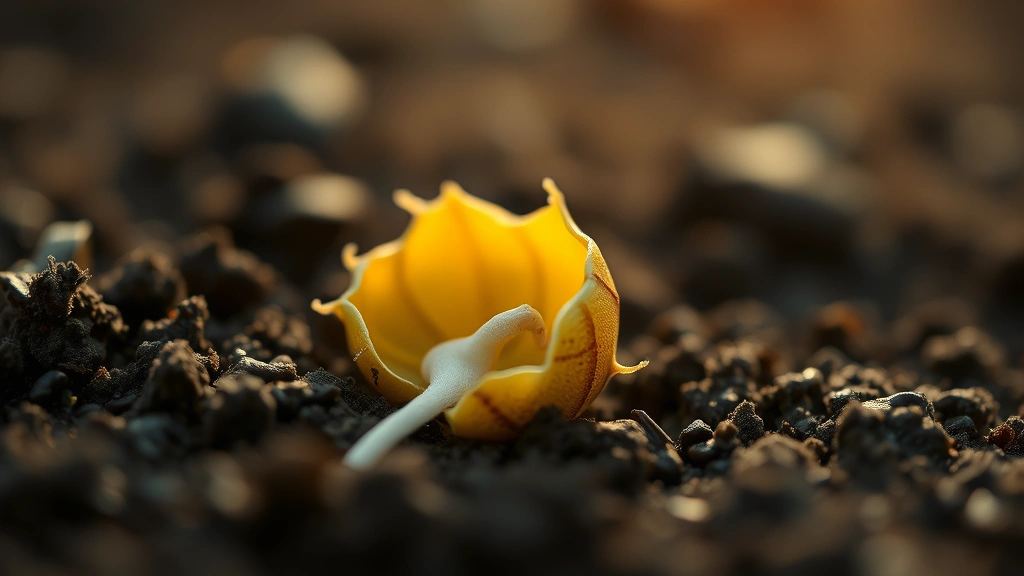
The journey begins with germination, where a dormant seed awakens to life. This stage typically lasts 7-10 days and represents one of nature’s most miraculous transformations. The seed absorbs water, activates enzymes, and sends forth a delicate root downward while the shoot begins its upward journey. This is when potential becomes action, when possibility transforms into reality.
Just as sunflower seeds require the right conditions to germinate—adequate moisture, warmth (ideally 50-60°F), and oxygen—your personal growth requires activation. This germination phase in human development mirrors what motivation experts identify as the catalyst phase, where you decide to change and take your first intentional steps. The seed doesn’t question whether it should grow; it responds to its environment and begins. Similarly, your awakening requires commitment to favorable conditions: supportive relationships, inspiring content, and deliberate practice.
During this critical stage, the emerging seedling is vulnerable but determined. It expends tremendous energy breaking through the seed coat and soil resistance. Your own germination phase demands similar energy investment—studying new skills, confronting limiting beliefs, and building foundational knowledge in your chosen growth area.
Stage 2: Seedling Development and Foundation Building
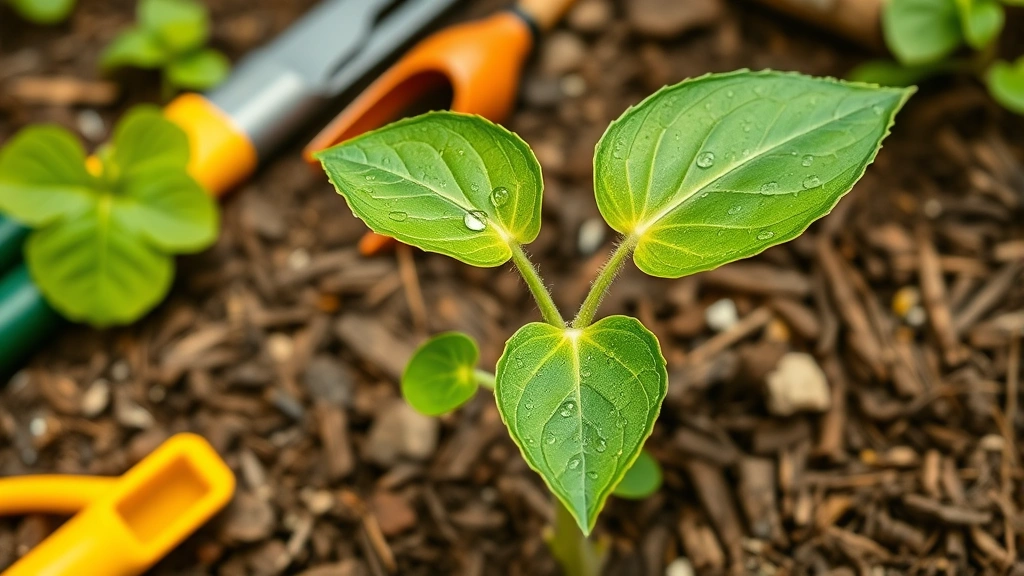
Once the seedling emerges above soil (typically 10-14 days after planting), it enters a phase of rapid but delicate development. The first true leaves appear, photosynthesis begins in earnest, and the plant establishes its foundation for all future growth. The root system deepens and strengthens, creating the anchor that will support towering height later.
This seedling stage perfectly parallels the foundation-building phase of personal development. You’re establishing core habits, learning fundamental principles, and creating the psychological roots that will sustain you through challenges ahead. Just as a seedling needs consistent care—proper light exposure, appropriate watering, and protection from harsh elements—your developing growth requires structured support and protection from distractions.
The seedling appears fragile, yet it’s remarkably resilient. It bends toward light sources and adjusts its growth patterns based on environmental feedback. This adaptability is crucial. Research from the American Psychological Association demonstrates that flexible, responsive learners achieve superior long-term results compared to rigid practitioners. Your seedling phase should emphasize learning and adjustment over perfection.
Stage 3: Vegetative Growth and Expansion
Between weeks 3-6, the sunflower enters explosive vegetative growth. The plant rapidly develops more leaves, extends its stem, and deepens its root system. Height increases dramatically—sometimes several inches per week under optimal conditions. The plant appears to be gathering strength, storing energy, and preparing infrastructure for the demanding flowering stage ahead.
This expansion phase mirrors the skill-building and momentum-development period in human growth. You’re no longer a fragile seedling; you have established routines, proven capability, and growing confidence. This is when you tackle more ambitious challenges, expand your knowledge base, and develop the stamina required for major accomplishments. Strategic goal-setting during this phase ensures your expansion is purposeful rather than random.
The vegetative stage teaches a critical lesson: visible progress requires invisible infrastructure. Most of the plant’s energy goes into root development and internal structure that observers can’t see. Similarly, your most important growth work often happens in private—the books you read, the conversations you have, the mistakes you learn from, the skills you practice when no one is watching. This unsexy, unglamorous work is what builds the foundation for spectacular results.
During this stage, you’ll encounter the first significant challenges. Pests may attack, diseases may threaten, weather may become unfavorable. Your response to these obstacles determines whether you continue thriving or stagnate. Embracing a growth mindset during adversity allows you to view setbacks as information rather than indictments of your potential.
Stage 4: Budding and Preparation
Around week 7-8, the sunflower transitions from vegetative growth to reproductive development. A bud forms at the stem’s apex—a tightly wrapped package containing the flower-to-be. The plant has now reached its full height and continues strengthening its stem and root system while channeling energy toward this singular purpose. This budding stage represents a shift from expansion to concentration, from quantity to quality.
In personal development, the budding stage corresponds to the preparation phase before major achievement. You’ve built skills, developed knowledge, and created systems. Now you’re preparing for your breakthrough moment—whether that’s launching a business, completing a significant project, publishing your work, or achieving a major milestone. The bud contains the flower, just as your preparation contains your success.
This stage requires patience and faith. The bud looks small, unimpressive, and closed-off. External observers might question whether the plant’s growth has stalled. But internally, extraordinary transformation is occurring. Flower structures are forming, pigments are developing, and the plant is gathering final resources for its magnificent display. Your own preparation phase may feel similarly frustrating—you’re not yet seeing the results that justify your effort. This is precisely when most people abandon their growth journey.
The budding phase demands what psychologists call delayed gratification—the ability to maintain effort and commitment when immediate rewards aren’t visible. Research consistently shows that delayed gratification capacity predicts long-term success better than almost any other psychological variable. The sunflower doesn’t demand flowers before completing its preparation; neither should you demand results before completing yours.
Stage 5: Flowering and Peak Expression
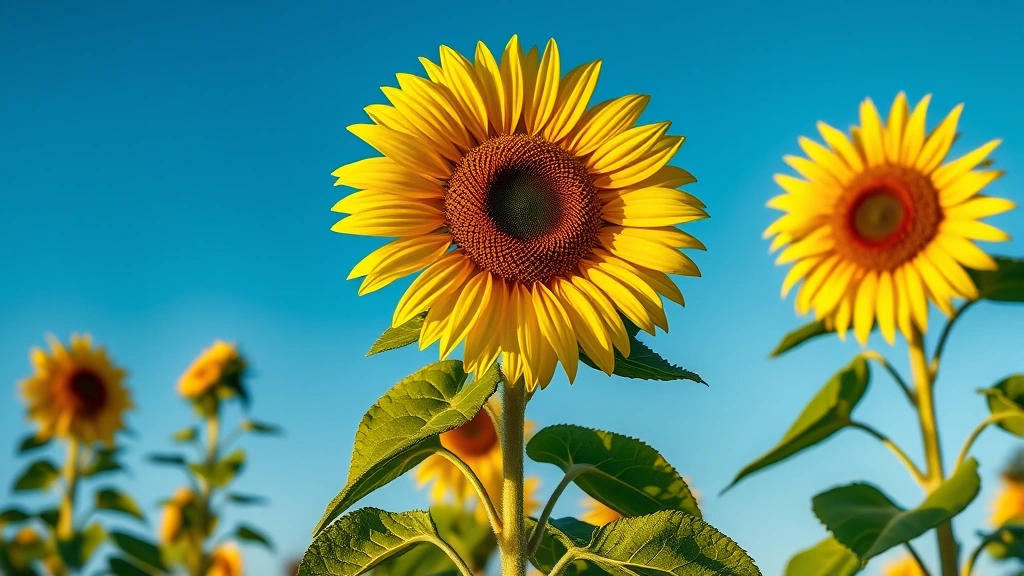
Weeks 9-12 bring the magnificent flowering stage. The bud opens to reveal a flower head potentially reaching 12 inches or more in diameter, containing hundreds of tiny florets arranged in the famous Fibonacci spiral pattern. The flower displays brilliant yellow petals that track the sun across the sky—a phenomenon called heliotropism. This is the sunflower’s peak expression, its moment of maximum beauty and purpose.
The flowering stage represents your breakthrough moment—when preparation meets opportunity and creates visible, undeniable success. This is when your business gains traction, your creative work gains recognition, your skills produce remarkable results, or your personal transformation becomes evident to everyone around you. The flower’s brilliance isn’t random; it’s the inevitable result of completing all previous stages successfully.
Critically, the flowering stage doesn’t represent the end of the growth journey. The sunflower still requires consistent care, protection from harsh weather, and proper nutrient management. Similarly, your peak performance requires sustained attention. Excellence literature emphasizes that peak performers don’t rest on their accomplishments; they maintain the disciplines that created success.
The sunflower’s heliotropic behavior—following the sun from east to west throughout the day—teaches another vital lesson: stay focused on your light source. For the sunflower, that’s the sun’s energy. For you, it’s your core purpose, your fundamental why, and your deepest values. Peak expression occurs when your daily actions align perfectly with what matters most to you.
Stage 6: Maturation and Seed Development
As the flower fades (weeks 12-16), the sunflower enters the seed development stage. The fertilized florets transform into seeds, each one a complete package containing genetic potential and nutritional resources for future growth. The flower head gradually turns downward, and the back of the head develops a brown, papery appearance. The plant is no longer about external beauty; it’s about creating legacy and future potential.
This maturation stage represents a profound shift in personal development. You transition from being the primary beneficiary of your growth to becoming a source of growth for others. Your accumulated knowledge, hard-won wisdom, and proven systems become resources you share, teach, and pass forward. The seeds you create through mentoring, teaching, writing, or example-setting contain the potential for exponential impact.
The maturation phase requires acceptance of natural cycles. The flower’s fading isn’t failure; it’s transformation. Similarly, your evolution includes phases where previous strengths become less visible, where your role shifts from performer to guide, and where success is measured not by personal accolades but by the growth you catalyze in others. This represents what positive psychology researchers call “generativity”—the human drive to contribute beyond ourselves.
During maturation, protect your seeds—your ideas, relationships, and created value. The sunflower’s seeds attract birds and other animals; you must protect your intellectual property, your relationships, and your well-being from those who would exploit them. Healthy boundaries become increasingly important as your value becomes more apparent.
Stage 7: Harvest and Legacy
The final stage occurs when seeds mature completely (16-20 weeks from planting). The seed head dries fully, seeds develop their characteristic striped pattern, and they’re ready for harvest. This is when the sunflower’s purpose is fully realized—seeds are collected, stored, and either planted to create new growth or processed for their valuable oil and nutrition.
The harvest stage represents the ultimate fulfillment of the growth journey. Your accumulated development becomes concrete value—income from your skills, impact from your influence, knowledge passed to the next generation, or transformation achieved in your own life and others’. The harvest isn’t just about what you’ve accomplished; it’s about what continues growing from your contribution.
Importantly, the harvest isn’t an ending but a beginning. Sunflower seeds planted become new sunflowers that begin the entire growth cycle again. Your legacy works similarly. The people you’ve mentored go on to mentor others. The knowledge you’ve created informs future innovations. The character you’ve developed influences generations. Research on meaning and legacy shows that contributing to something beyond ourselves is one of the most powerful sources of sustained wellbeing and purpose.
The harvest stage also requires gratitude and reflection. The sunflower, having completed its cycle, returns nutrients to the soil, enriching it for future growth. You, too, should reflect on your journey, acknowledge the support that enabled your success, invest in others’ development, and continuously improve based on what you’ve learned. This creates virtuous cycles where your growth continuously generates conditions for greater growth.
FAQ
How long does each sunflower growth stage typically last?
The complete sunflower growth cycle spans approximately 20 weeks from planting to harvest. Germination takes 7-10 days, seedling development 10-14 days, vegetative growth 3-4 weeks, budding 1-2 weeks, flowering 3-4 weeks, maturation 4-5 weeks, and harvest occurs when seeds are fully mature. Timelines vary based on sunflower variety, climate conditions, soil quality, and available sunlight.
What conditions are essential for successful sunflower growth?
Sunflowers require full sunlight (6-8 hours daily minimum), well-draining soil with pH between 6.0-7.5, consistent moisture without waterlogging, warm temperatures (60-70°F optimal), and protection from strong winds until the stem strengthens. Nutrient-rich soil supporting strong root development is critical throughout all stages. These conditions parallel what personal growth requires: clarity about your direction, foundational knowledge and skills, consistent effort, appropriate challenge level, and a supportive environment.
Can sunflowers be grown indoors or in containers?
While sunflowers prefer outdoor conditions, dwarf varieties can be successfully grown in large containers (12-18 inches deep) indoors with supplemental grow lights providing 14-16 hours daily. Container growing requires more frequent watering and careful monitoring of nutrient levels. Similarly, personal growth can occur in less-than-ideal circumstances, but optimal conditions accelerate progress significantly.
What pests and diseases threaten sunflowers?
Common sunflower threats include aphids, beetles, birds, powdery mildew, and rust fungus. Early detection, appropriate interventions, and preventive practices like crop rotation and biodiversity maintain plant health. Personal growth faces similar challenges—negative self-talk, limiting beliefs, toxic relationships, and discouraging environments. Identifying and addressing these obstacles promptly prevents them from derailing progress.
How do I know when sunflower seeds are ready for harvest?
Seeds are ready when the back of the flower head turns brown, the face droops downward, and seeds are difficult to remove by hand. The seed coat develops its characteristic striped pattern and feels firm when squeezed. Harvest timing affects seed quality and viability. Similarly, knowing when you’re ready for the next growth phase requires honest self-assessment of skill development, confidence, and demonstrated capability.
Can I save sunflower seeds for replanting?
Yes, sunflower seeds can be saved for replanting if the plant was grown from non-hybrid seeds. Hybrid sunflowers won’t produce viable seeds matching the parent plant. Clean, dry, and properly store seeds in cool conditions. This mirrors how you preserve and transmit your hard-won knowledge—through documentation, teaching, and deliberate knowledge transfer to ensure your growth benefits future generations.


