Stages of Plant Growth: A Botanist’s Insight Into Nature’s Blueprint for Development
Plants are silent teachers of persistence and transformation. Just as humans progress through distinct developmental phases, plants follow a remarkably structured journey from germination to maturity. Understanding the stages of plant growth reveals profound lessons about patience, resilience, and the power of foundational development. Whether you’re cultivating a garden or nurturing your own personal growth, the botanical lifecycle offers timeless wisdom about how living systems achieve their full potential.
The life cycle of a plant is a masterclass in progressive development. Each stage builds upon the previous one, creating a cascade of growth that ultimately produces a thriving organism capable of reproduction and environmental adaptation. Botanists have identified distinct phases that every plant experiences, and studying these phases provides valuable insights into how growth itself works—whether we’re examining chlorophyll production or exploring our own growth mindset development. This article explores the complete botanical lifecycle with the depth and precision that only scientific observation can provide.
Germination: The First Awakening
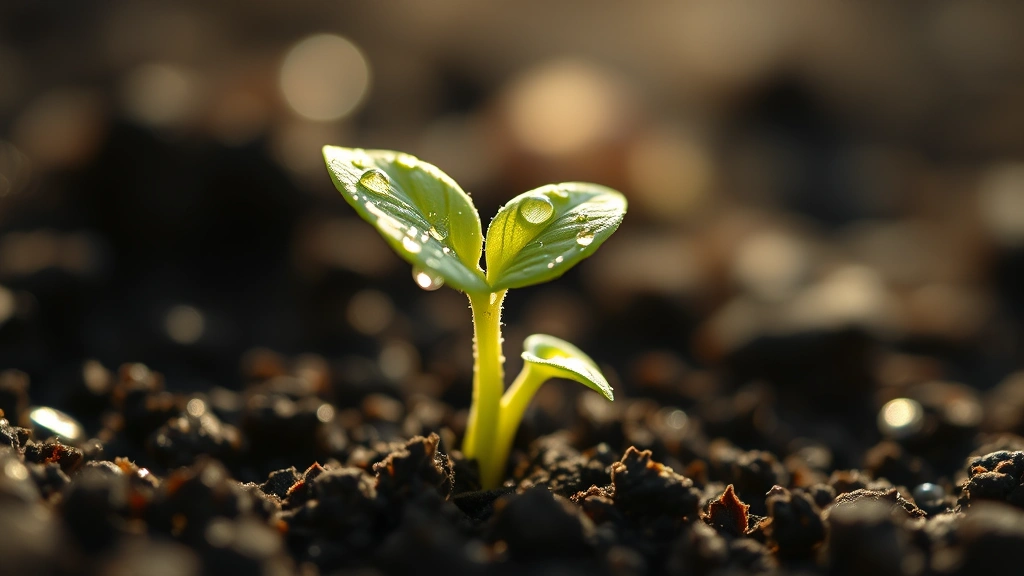
Germination marks the miraculous moment when a dormant seed awakens and begins its journey toward becoming a mature plant. This stage begins when a seed absorbs water—a process called imbibition—which reactivates the seed’s metabolism after its dormant period. The seed coat softens, and internal enzymes become active, initiating the breakdown of stored nutrients that will fuel the emerging plant.
During germination, the radicle (primary root) emerges first, pushing downward into the soil. This directional growth, called gravitropism, ensures that the plant establishes a stable foundation before attempting upward growth. Simultaneously, the plumule (embryonic shoot) develops and prepares to push toward the light source. This coordinated emergence demonstrates nature’s intelligent design—the plant prioritizes root establishment before investing energy in above-ground growth, a principle that parallels how we should build strong foundations for self-growth.
The germination process typically requires three essential conditions: adequate moisture, appropriate temperature, and sufficient oxygen. Without these elements, even the most viable seed cannot progress. Research from the Nature journal demonstrates that seed germination rates correlate directly with environmental optimization—a principle that extends to human development as well. Seeds can remain viable for years, sometimes decades, waiting for optimal conditions. This dormancy strategy showcases nature’s patience and timing, reminding us that readiness matters as much as effort.
Seedling Stage: Building Foundations
Once the seed coat ruptures and the embryonic structures emerge, the plant enters the seedling stage. This vulnerable phase typically lasts from two to eight weeks, depending on species and environmental conditions. The seedling must quickly develop sufficient root mass to absorb water and nutrients while simultaneously expanding its leaf area to capture light energy.
During this critical period, seedlings allocate resources strategically. The root system expands rapidly, sometimes developing root hairs that dramatically increase surface area for water and nutrient absorption. Above ground, the cotyledons (seed leaves) unfold and begin photosynthesis. These initial leaves, though different from mature foliage, provide the energy necessary for continued development. Many seedlings display remarkable phototropism—the tendency to grow toward light sources—ensuring optimal positioning for energy capture.
The seedling stage is characterized by vulnerability. Young plants lack the structural strength and defensive compounds of mature specimens, making them susceptible to herbivory, disease, and environmental stress. This is why seedlings require protection and stable conditions. The transition from seedling to established plant involves developing thicker stems, more robust root systems, and the capacity to tolerate environmental fluctuations. This stage beautifully mirrors the early phases of personal growth, when we’re most vulnerable yet building essential capabilities.
Vegetative Growth: The Expansion Phase
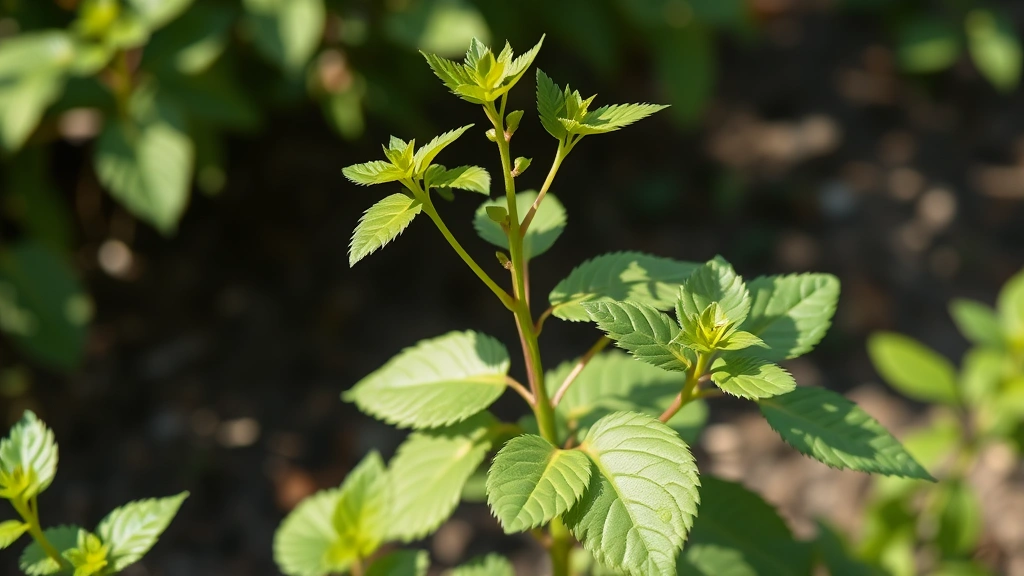
The vegetative growth stage represents the plant’s primary period of biomass accumulation. During this phase, lasting weeks to months depending on the species, the plant focuses entirely on building leaves, stems, and roots. No energy is directed toward reproduction; instead, all resources support structural expansion and photosynthetic capacity.
This stage involves continuous cell division and elongation. The apical meristems—growth tissues at the tips of stems and roots—generate new cells that rapidly differentiate into specialized tissues. Leaves expand in size and number, creating an increasingly efficient photosynthetic system. The plant develops secondary growth, adding thickness to stems and increasing structural integrity. Root systems deepen and spread laterally, accessing water and nutrients from larger soil volumes.
Environmental conditions profoundly influence vegetative growth rates. The Proceedings of the National Academy of Sciences documents how light quality, photoperiod (day length), temperature, and nutrient availability directly impact growth velocity and leaf morphology. Plants grown under optimal conditions develop larger leaves and more extensive branching than those under stress. Interestingly, plants under moderate stress sometimes develop more robust structures—a phenomenon relevant to understanding how challenge and adversity contribute to stronger growth mindset development.
The duration of vegetative growth varies dramatically among species. Annual plants may spend only four to six weeks in this stage before transitioning to reproduction. Perennial plants and trees can remain in vegetative growth for years, continuously expanding their size and capacity. Understanding when plants naturally transition from vegetative to reproductive growth helps explain why forcing flowering in young plants often fails—they haven’t yet accumulated sufficient resources.
Flowering and Reproduction: Purpose Realized
The transition to flowering represents one of nature’s most remarkable transformations. When environmental signals indicate favorable conditions, plants shift their developmental program entirely. The apical meristem, which previously generated only leaves and stems, now produces floral structures. This transition, called photoperiodism in many species, responds to day length changes. For long-day plants, flowering occurs as days lengthen in spring. For short-day plants, flowering happens as days shorten in autumn.
Temperature, nutrient status, and plant age also influence flowering timing. Trends in Plant Science reveals that molecular mechanisms controlling flowering involve complex gene regulation networks. The FLOWERING LOCUS C gene family, for instance, integrates multiple environmental signals to determine optimal reproductive timing. Plants essentially perform sophisticated environmental calculations, allocating resources to reproduction only when conditions support successful seed development.
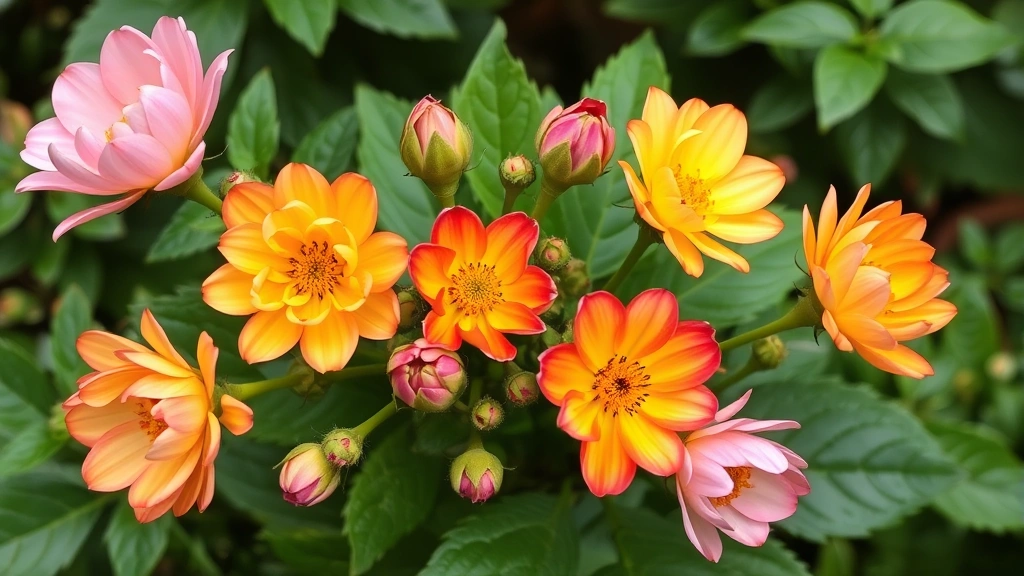
Flower development involves the production of specialized structures: sepals (protective outer leaves), petals (often colorful attractants), stamens (male reproductive organs), and carpels (female reproductive organs). Many flowers develop elaborate morphologies specifically adapted to their pollinator species—a testament to co-evolutionary relationships between plants and animals. The energy investment in flowering is substantial; plants redirect sugars, nitrogen, and other nutrients from vegetative growth into reproductive structures.
This reproductive stage teaches valuable lessons about timing and purpose. Plants don’t flower prematurely or indiscriminately. They wait for appropriate conditions, invest wisely in structures serving their ultimate purpose, and often produce numerous flowers to maximize reproductive success. These principles parallel human achievement and the importance of aligning effort with opportunity. Visit our Growth Academy to explore how similar principles apply to personal development strategies.
Fruit Development and Maturation
Following successful pollination and fertilization, the plant enters the fruit development stage. The ovary wall thickens and transforms into the fruit tissue. Seeds develop inside, protected by increasingly tough fruit walls. This stage represents the plant’s investment in dispersal—fruits are essentially seed-delivery systems designed to transport genetic material away from the parent plant.
Fruit development involves dramatic biochemical changes. Starches convert to sugars, increasing palatability and attracting animals that will disperse seeds. Chlorophyll breaks down, revealing underlying pigments that create the vibrant colors we associate with ripe fruits. Aromatic compounds develop, further attracting dispersal agents. The entire fruit maturation process is coordinated by plant hormones, particularly ethylene, which triggers the cascade of ripening changes.
The timing of fruit maturation is precisely calibrated. Fruits ripen only when seeds have developed sufficiently to germinate successfully. If fruits ripen too early, seeds haven’t matured; if too late, the plant wastes resources on overripe fruits that lose dispersal appeal. This demonstrates nature’s sophisticated resource management—investing in structures only when they serve their intended purpose.
Studying fruit development reveals principles applicable to personal growth and achievement. Like fruits, our accomplishments develop through stages. Early development requires protection and resources. Maturation involves transformation and refinement. Finally, our achievements gain value and appeal as they reach completion. Understanding these natural stages helps us appreciate that meaningful development cannot be rushed.
Senescence and Dormancy: The Resting Period
As environmental conditions deteriorate—typically as temperatures drop and day lengths shorten in autumn—plants transition to senescence, the final growth stage. Rather than representing decline, senescence is an actively controlled process involving sophisticated molecular programming. Leaves yellow as chlorophyll breaks down and valuable nutrients are reabsorbed into stems and roots for storage. This nutrient recycling ensures the plant can survive dormancy and regenerate in spring.
During senescence, abscisic acid (ABA), a plant hormone, increases dramatically. ABA triggers the formation of abscission layers at leaf petioles, eventually causing leaves to drop. This shedding conserves water and protects the plant from winter damage. Simultaneously, plants increase concentrations of protective compounds like sugars and amino acids that act as antifreeze, preventing ice crystal formation in cells.
Dormancy follows senescence. Seeds, buds, and perennial plant tissues enter a state of metabolic suspension, dramatically reducing energy expenditure. Dormancy isn’t passive inactivity; rather, it’s an energy-conserving state during which the plant completes crucial developmental processes. Many seeds require cold periods (vernalization) before they can germinate. This built-in delay ensures seeds don’t germinate during brief winter warm spells, which would expose seedlings to killing frosts.
The senescence and dormancy stages teach us about strategic rest and renewal. Not all growth is continuous expansion. Sometimes the wisest choice involves withdrawing resources, consolidating gains, and preparing for future challenges. This principle applies profoundly to human development, where rest, reflection, and strategic withdrawal are essential components of sustainable personal growth journeys.
Environmental Factors Shaping Development
Throughout all growth stages, environmental factors profoundly influence plant development. Light, temperature, water, and nutrients don’t simply fuel growth—they actively shape how plants develop and allocate resources.
Light serves multiple roles. Photosynthetically, it provides energy for growth. However, light also functions as an environmental signal. Red and far-red light ratios help plants detect shade from competitors. Blue light influences stomatal opening, phototropism, and circadian rhythms. Science Daily reports that understanding light signaling has revolutionized crop production, allowing growers to manipulate plant morphology through specific light wavelengths.
Temperature affects enzymatic reaction rates, determining growth velocity. Most plants have optimal temperature ranges where growth maximizes. Temperatures below or above these ranges slow development or cause damage. Temperature also influences flowering timing, with many plants requiring specific temperature experiences to transition to reproduction.
Water availability dramatically impacts growth patterns. Plants under water stress often develop deeper, more extensive root systems while producing smaller leaves—a morphological strategy maximizing water acquisition and minimizing transpirational loss. Conversely, plants with abundant water develop larger leaves and shallower root systems, prioritizing light capture over water conservation.
Nutrients, particularly nitrogen, phosphorus, and potassium, directly influence growth rates and allocation patterns. Nitrogen-rich environments promote vegetative growth and leaf development. Phosphorus supports energy metabolism and root development. Potassium influences water relations and stress tolerance. Plants facing nutrient limitations often accelerate flowering, prioritizing reproduction before resources become critically scarce.
These environmental influences reveal that growth isn’t predetermined. Instead, plants are dynamic systems responding intelligently to their circumstances. This principle extends beautifully to human development—our growth is shaped by environmental circumstances, resources, and challenges we encounter. Creating optimal conditions for growth, whether for plants or people, requires understanding these fundamental principles.
FAQ
How long does a typical plant complete its entire growth cycle?
Duration varies dramatically by species. Annual plants complete their entire lifecycle—germination through seed production—in a single growing season, typically three to six months. Biennial plants take two years, with vegetative growth the first year and flowering/fruiting the second. Perennial plants, especially trees, can take years or decades before reaching reproductive maturity. Some trees don’t flower until they’re 10-20 years old. Understanding your specific plant’s lifecycle helps set realistic expectations for development.
Can plants skip growth stages or progress faster through them?
Plants cannot skip stages—each stage is physiologically necessary. However, progression speed varies significantly. Optimal environmental conditions accelerate movement through stages. Conversely, stress slows progression. Some plants can be forced through stages artificially (using hormones or controlled environments), but this often produces weakened specimens. Natural progression, though sometimes slower, typically produces stronger, healthier plants better adapted to their environment.
What determines when a plant transitions from vegetative to reproductive growth?
Multiple factors trigger this transition. Photoperiod (day length) is crucial for many species. Plant age matters—young plants often lack sufficient resources for successful reproduction. Temperature patterns influence flowering timing. Nutrient status affects whether plants can afford reproductive investment. Some plants also respond to stress by accelerating flowering, a survival strategy ensuring seed production before the plant dies. Understanding your plant’s specific flowering triggers enables better cultivation.
Why do some plants produce flowers but no fruit?
Several reasons explain flowerless fruiting. Pollination failure—lacking appropriate pollinators or environmental conditions—prevents fertilization necessary for fruit development. Some flowers are sterile, unable to produce viable seeds. Environmental stress during flowering can cause flower or early fruit drop. Occasionally, plants produce seedless fruits through parthenocarpy (asexual fruit development), common in cultivated bananas and seedless grapes. Identifying the specific cause helps address the issue.
How does understanding plant growth stages improve gardening success?
Knowing growth stages enables strategic intervention. You can provide appropriate nutrients for each stage—high nitrogen during vegetative growth, higher phosphorus during flowering. Understanding when plants naturally transition to dormancy prevents inappropriate watering or fertilizing that could damage them. Recognizing seedling vulnerability allows providing protection and ideal conditions. Appreciating the flowering stage helps ensure pollinators have access and environmental stress is minimized. This stage-specific approach dramatically improves cultivation outcomes.


