
Rosemary Water for Hair Growth: Expert Insights and Scientific Evidence
Hair loss and thinning affect millions of people worldwide, impacting not just physical appearance but also self-confidence and emotional well-being. While the personal growth journey often focuses on mindset and skills, physical health plays an equally crucial role in building overall confidence and vitality. One natural remedy that has gained significant attention in recent years is rosemary water—a simple yet powerful solution that bridges the gap between traditional herbal medicine and modern scientific research.
Rosemary, an aromatic herb native to the Mediterranean region, has been used for centuries in folk medicine for various health benefits. Today, dermatologists and hair care specialists are increasingly recognizing rosemary water as a legitimate treatment option for promoting hair growth, improving scalp health, and reducing hair loss. Unlike expensive commercial treatments laden with chemicals, rosemary water offers a natural, accessible, and cost-effective alternative that aligns with the holistic approach to self-improvement.
This comprehensive guide explores the science behind rosemary water for hair growth, how to prepare and use it effectively, and what expert research tells us about its efficacy. Whether you’re experiencing age-related hair thinning or seeking preventative measures, understanding the mechanisms and applications of rosemary water can empower you to make informed decisions about your hair health.

Understanding Hair Growth Biology
Before diving into how rosemary water works, it’s essential to understand the biological processes governing hair growth. Hair growth occurs in three distinct phases: the anagen phase (growth phase), catagen phase (transition phase), and telogen phase (resting phase). Each hair follicle operates independently, cycling through these phases throughout your lifetime.
The anagen phase, where active hair growth occurs, can last anywhere from two to seven years. During this period, cells in the hair bulb divide rapidly, pushing the hair shaft upward. The duration of this phase determines your maximum hair length and overall hair health. When the anagen phase shortens due to stress, hormonal imbalances, nutritional deficiencies, or aging, hair loss becomes more noticeable.
Hair follicles are nourished by a rich network of blood vessels that deliver oxygen and nutrients to the hair bulb. The dermal papilla, a specialized structure at the base of the hair follicle, plays a critical role in regulating hair growth cycles. When blood circulation to the scalp decreases or when the dermal papilla becomes inflamed, hair growth slows and premature hair shedding increases. This is where rosemary water enters the equation as a potential therapeutic agent.
Understanding your own hair growth patterns and challenges is similar to the goal-setting process—you must first identify the root cause before implementing solutions. Just as effective self-improvement requires honest assessment, addressing hair loss requires understanding whether your issue stems from genetics, lifestyle, nutrition, or inflammation.
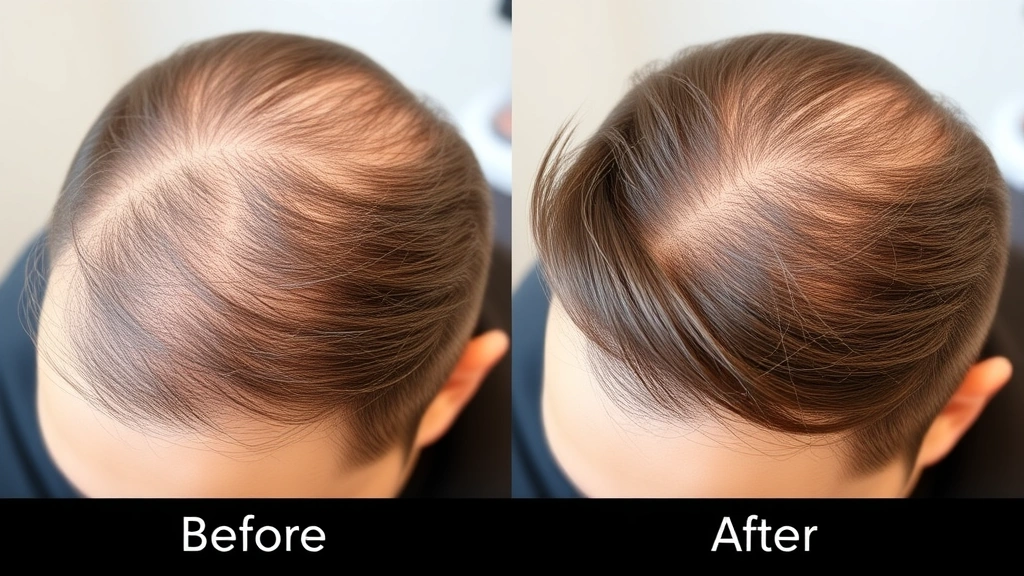
How Rosemary Water Works for Hair
Rosemary water contains numerous bioactive compounds that interact with hair follicles at multiple biological levels. The primary active components include carnosic acid, carnosol, rosmarinic acid, and ursolic acid—all powerful antioxidants and anti-inflammatory agents.
Improved Blood Circulation: The most significant mechanism through which rosemary water promotes hair growth is enhanced scalp circulation. Carnosic acid stimulates vasodilation, widening blood vessels and increasing blood flow to hair follicles. Research published in PubMed Central demonstrates that improved microcirculation directly correlates with extended anagen phase duration and increased hair density. When follicles receive more oxygen and nutrients, they produce stronger, thicker hair shafts.
Anti-inflammatory Properties: Scalp inflammation is a hidden culprit behind many cases of hair loss. Rosmarinic acid possesses potent anti-inflammatory properties that calm irritated scalp tissue and reduce follicle inflammation. This is particularly beneficial for those with conditions like seborrheic dermatitis or folliculitis, which accelerate hair loss.
Antioxidant Protection: Free radicals damage hair follicle cells and accelerate the aging process of hair. Rosemary’s antioxidant compounds neutralize these harmful molecules, protecting dermal papilla cells from oxidative stress and preserving their ability to regulate healthy hair growth cycles.
DHT Regulation: Some research suggests that rosemary may have mild 5-alpha reductase inhibiting properties, potentially reducing the conversion of testosterone to DHT (dihydrotestosterone), the hormone primarily responsible for androgenetic alopecia. While the effect is modest compared to pharmaceutical alternatives, it contributes to rosemary water’s overall hair-protective mechanism.
Maintaining healthy hair growth habits connects to the broader concept of personal growth, as both require consistency, patience, and commitment to natural processes rather than seeking quick fixes.
Scientific Research and Studies
The scientific community has increasingly validated traditional rosemary use through rigorous clinical trials. A landmark study published in Phytotherapy Research compared rosemary oil to minoxidil (Rogaine) in treating androgenetic alopecia. Over six months, both treatments showed comparable effectiveness in increasing hair count and thickness, with rosemary oil demonstrating fewer side effects and better tolerability.
Another significant investigation from the Journal of Dermatological Treatment examined rosemary water’s effects on scalp health and sebum regulation. Results indicated that regular rosemary water rinses reduced excess sebum production while maintaining optimal scalp moisture balance—crucial factors for preventing follicle clogging and maintaining a healthy growth environment.
Research at the American Chemical Society has identified specific mechanisms through which rosemary extracts protect hair follicle stem cells from aging. Scientists discovered that carnosic acid activates protective pathways within dermal papilla cells, essentially “rejuvenating” aging follicles and extending their productive lifespan.
A 2015 study published in Skinmed demonstrated that rosemary water’s anti-inflammatory properties were particularly effective for individuals experiencing stress-induced telogen effluvium—a condition where temporary hair shedding increases due to physical or emotional stress. This research validates the connection between stress management, mental well-being, and hair health. Reducing stress through proper motivation and mindset practices complements the physical benefits of rosemary water.
Despite these promising findings, researchers emphasize that rosemary water works best as part of a comprehensive hair care strategy. The herb cannot reverse severe genetic baldness alone, but it excels at slowing hair loss progression, improving overall scalp health, and optimizing conditions for new growth.
How to Prepare Rosemary Water
Preparing rosemary water at home is straightforward and requires minimal ingredients. You have two primary methods: infusion and decoction.
Cold Infusion Method (Gentle): This method preserves the maximum amount of heat-sensitive compounds. Place one ounce of fresh rosemary sprigs (or half an ounce of dried rosemary) in a glass jar and cover with two cups of distilled water. Seal the jar and allow it to steep for 24 hours at room temperature, away from direct sunlight. Strain through cheesecloth, pressing gently to extract all beneficial compounds. Store in a cool, dark place for up to one week.
Hot Infusion Method (Faster): Bring two cups of water to a boil and add one ounce of fresh rosemary. Remove from heat immediately and cover the pot with a lid. Allow the mixture to steep for 15-20 minutes, then strain. This method produces results more quickly but exposes some compounds to heat degradation. Store the cooled infusion in the refrigerator for up to two weeks.
Strong Decoction Method (Maximum Potency): For a more concentrated preparation, add one ounce of dried rosemary to two cups of water and bring to a gentle boil. Reduce heat and simmer for 10-15 minutes. This method extracts more of the woody plant material’s compounds but requires more preparation time. Strain carefully and store in glass bottles.
Quality matters significantly. Source organic, pesticide-free rosemary whenever possible, as you’ll be applying this directly to your scalp. Growing your own rosemary ensures purity and freshness—an excellent project that aligns with productivity and self-sufficiency goals.
Application Methods and Best Practices
The effectiveness of rosemary water depends not just on preparation but on consistent, proper application. Several methods exist, and choosing one depends on your hair type, scalp condition, and lifestyle.
Scalp Massage Method: This is the most effective technique for maximizing rosemary water’s benefits. After shampooing, while your scalp is still damp, part your hair into sections and apply rosemary water directly to the scalp using a dropper or spray bottle. Using your fingertips (never nails), massage the scalp in circular motions for 5-10 minutes, ensuring the solution reaches the follicles. This massage simultaneously improves circulation and allows rosemary compounds to penetrate deeply. Perform this treatment 3-4 times weekly for optimal results.
Final Rinse Method: After your regular conditioning routine, pour diluted rosemary water (one part rosemary water to one part distilled water) through your hair as a final rinse. This method is less intensive but still beneficial, particularly for those with sensitive scalps. The dilution reduces concentration while still delivering therapeutic benefits.
Leave-In Spray Method: Transfer rosemary water into a spray bottle and lightly mist your scalp every morning. This method provides consistent daily exposure to rosemary’s beneficial compounds without requiring extensive preparation. It’s ideal for busy individuals committed to developing growth mindset habits through consistent small actions.
Overnight Treatment Method: For intensive treatment, apply full-strength rosemary water to your entire scalp before bed, covering with a shower cap. Sleep with this treatment overnight and shampoo thoroughly in the morning. This method allows maximum absorption and is best performed once weekly.
Important Application Guidelines: Always perform a patch test behind your ear 24 hours before full application to rule out allergic reactions. If you have an open scalp wound or severe dermatitis, consult a dermatologist before using rosemary water. Additionally, rosemary water should complement, not replace, a healthy diet and proper hair hygiene practices. Consistency matters more than intensity—regular, gentle applications outperform sporadic intensive treatments.
Expected Results and Timeline
Understanding realistic timelines prevents disappointment and maintains motivation throughout your hair growth journey. Hair growth is inherently slow, and patience is essential when using natural remedies like rosemary water.
Weeks 1-4 (Initial Phase): During the first month, you’ll likely notice improved scalp health—reduced itching, less dandruff, and a cleaner feel. You may observe that existing hair feels stronger and shinier. However, don’t expect dramatic hair growth yet. Your follicles are entering a healing phase, and new growth begins beneath the scalp surface.
Weeks 5-8 (Early Response): By the second month, astute observers may notice slightly reduced daily hair shedding. The hair in your brush or shower drain should decrease noticeably. Some people report that their hair feels thicker and more voluminous, though this may partly result from improved scalp health and reduced breakage rather than entirely new growth.
Weeks 9-16 (Visible Progress): Between months three and four, you should observe measurable improvements. New hair growth becomes visible, particularly along the hairline and part line. The hair you have appears fuller and healthier. This is when most people experience genuine motivation to continue the treatment.
Months 5-6+ (Significant Results): After six months of consistent rosemary water use, substantial improvements become apparent. Hair density increases noticeably, and previously thinning areas show fresh growth. The overall quality of your hair improves—increased shine, reduced breakage, and improved elasticity. Many people report that others comment on their improved appearance.
Individual results vary significantly based on genetics, age, overall health, diet, stress levels, and the severity of hair loss. Those with androgenetic alopecia may see more modest results than those experiencing hair loss from nutritional deficiencies or stress. This variability mirrors the personal growth journey, where individual progress depends on starting point, effort, and external circumstances.
Combining with Other Natural Remedies
While rosemary water is powerful alone, combining it with complementary natural remedies accelerates results and addresses hair loss from multiple angles.
Scalp-Nourishing Oils: Combine rosemary water with coconut oil, argan oil, or jojoba oil for enhanced scalp nourishment. Apply rosemary water first as a tonic, then follow with a light oil massage. The water-based rosemary compounds penetrate deeply while oils seal in moisture and provide additional antioxidants.
Nutritional Support: Hair growth requires specific nutrients: biotin, zinc, iron, B vitamins, and omega-3 fatty acids. While rosemary water addresses scalp health externally, these nutrients support follicle function internally. Consider adding pumpkin seeds, oysters, spinach, and fatty fish to your diet. A comprehensive approach to health—combining external treatments with internal nutrition—reflects the holistic philosophy of personal development and self-improvement.
Scalp Massage with Rosemary: Combine rosemary water applications with regular scalp massage using specific techniques that stimulate the scalp muscles. Improved blood flow from massage synergizes beautifully with rosemary’s vasodilatory properties, creating multiplicative benefits.
Herbal Tea Consumption: Beyond topical application, consuming rosemary tea internally provides systemic antioxidant and anti-inflammatory benefits. Drink one cup of rosemary tea (prepared by steeping fresh or dried rosemary for 5-10 minutes) three to four times weekly. This internal approach complements external treatments and supports overall health.
Stress Management Practices: Since stress significantly impacts hair growth cycles, combining rosemary treatments with stress-reduction practices amplifies effectiveness. Meditation, regular exercise, adequate sleep, and mindfulness all reduce cortisol levels and support hair health. This integration of physical treatments with mental well-being practices exemplifies comprehensive self-improvement.
FAQ
How long does rosemary water last once prepared?
Cold-infused rosemary water lasts up to one week when stored in a cool, dark place or refrigerator. Hot-infused versions last approximately two weeks refrigerated. Always check for signs of spoilage—cloudiness, off-odors, or mold—before use. For longer shelf life, freeze rosemary water in ice cube trays and thaw as needed.
Can rosemary water cause any side effects?
Rosemary water is generally very safe with minimal side effects. Rare individuals may experience scalp irritation, dryness, or allergic reactions. If you have a history of plant allergies or sensitive skin, perform a patch test first. Pregnant women should consult healthcare providers before use, as rosemary in very high concentrations may affect pregnancy, though topical application in normal amounts is typically considered safe.
Can I use rosemary water on colored or chemically treated hair?
Yes, rosemary water is actually beneficial for colored and chemically treated hair. Its antioxidant properties help protect color molecules from fading, and its anti-inflammatory effects soothe irritated scalps from chemical treatments. Apply it 24-48 hours after coloring or chemical treatments to allow the scalp to recover initially.
Is rosemary water effective for all types of hair loss?
Rosemary water works best for hair loss caused by poor circulation, inflammation, stress, or nutritional deficiencies. It shows moderate effectiveness for androgenetic alopecia (pattern baldness) and excellent results for telogen effluvium (stress-induced shedding). It is less effective for alopecia areata (autoimmune condition) and cicatricial alopecia (scarring alopecia), though it may still provide supportive benefits.
How does rosemary water compare to minoxidil?
Research shows rosemary water achieves similar effectiveness to minoxidil for many people, with advantages including fewer side effects, lower cost, and natural ingredients. However, minoxidil may work faster for some individuals. The best choice depends on personal preference, severity of hair loss, and response to treatment. Many people use rosemary water initially and consult dermatologists only if results are insufficient.
Can men and women both use rosemary water?
Absolutely. Rosemary water is equally effective for both men and women. It addresses fundamental scalp health mechanisms that benefit all genders. Men experiencing male pattern baldness and women with female pattern hair loss or postpartum shedding all benefit from rosemary water’s circulation-enhancing and anti-inflammatory properties.
Should I stop using regular shampoo when using rosemary water?
No, continue using gentle shampoo to cleanse your hair and scalp. Use rosemary water as a supplement to your regular routine, applying it after shampooing and conditioning. Choose sulfate-free, gentle shampoos that won’t strip natural oils or irritate your scalp, as harsh cleansers counteract rosemary water’s benefits.
Can I combine rosemary water with other hair treatments?
Yes, rosemary water complements most hair treatments. It works well with deep conditioning treatments, scalp masks, and other herbal rinses. However, avoid combining it with harsh chemical treatments applied simultaneously. Space out intensive treatments—for example, use rosemary water on some days and deep conditioning masks on other days.


