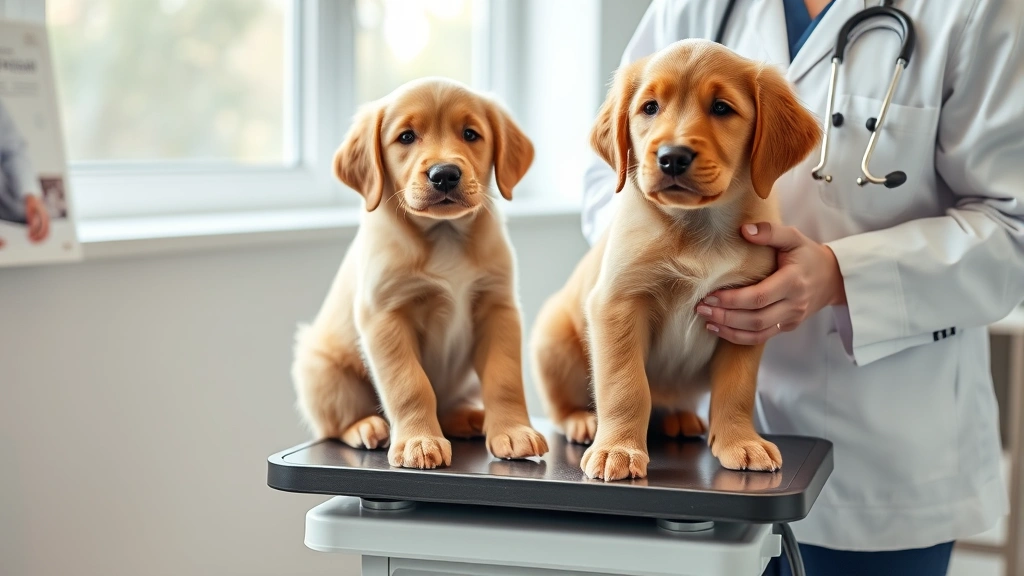
Track Puppy Growth: Vet-Approved Calculator and Development Guide
Watching your puppy grow from a tiny bundle of fur into a confident adult dog is one of life’s most rewarding experiences. However, understanding the stages of puppy development and monitoring their growth trajectory is essential for ensuring they develop into healthy, well-adjusted dogs. Just as personal growth requires careful tracking and measurement, puppy growth demands systematic observation and veterinary guidance.
Whether you’re a first-time dog owner or an experienced breeder, having access to a vet-approved puppy growth calculator can provide invaluable insights into your dog’s development. This comprehensive guide explores everything you need to know about tracking your puppy’s growth, from birth through adulthood, including practical tools and expert recommendations.
Understanding Puppy Growth Stages
Puppy development follows a predictable pattern, with each stage bringing distinct physical and behavioral changes. Understanding these stages helps you anticipate your puppy’s needs and identify any potential health concerns early. Much like setting goals for achievement, establishing baseline expectations for puppy growth enables you to monitor progress effectively.
Birth to Three Weeks: During this neonatal period, puppies are entirely dependent on their mother. They’re born blind and deaf, and their primary activities involve eating and sleeping. Growth during this phase is rapid but difficult to measure accurately without specialized equipment. Puppies typically double their birth weight within the first week.
Three to Eight Weeks: The socialization period begins as puppies’ eyes and ears open. This is when they start exploring their environment and interacting with littermates. Growth accelerates significantly, and puppies may gain 5-10% of their body weight daily, depending on breed size. This is an ideal time to start basic measurements for your growth calculator.
Eight Weeks to Six Months: After weaning, puppies enter a rapid growth phase. Large breed puppies can gain several pounds weekly during this period. Their skeletal structure is developing rapidly, making proper nutrition and exercise critical. Regular measurements during this phase provide the most valuable data for growth tracking.
Six Months to One Year: Growth rate begins to slow, though puppies continue developing. By six months, most puppies have reached 60-70% of their adult weight. The growth plates in their bones are still open, making them vulnerable to injury from excessive exercise.
One Year and Beyond: Most puppies reach their adult size by 12 months, though some large breeds may continue growing until 18-24 months. This period is crucial for establishing healthy habits that support lifelong wellness.
How a Puppy Growth Calculator Works
A vet-approved puppy growth calculator uses breed-specific data, current age, and weight measurements to project your puppy’s adult size and growth timeline. These calculators are grounded in veterinary science and breed standards, providing reliable estimates that help owners prepare for their dog’s future needs.
Input Parameters: Most calculators require basic information including breed or breed mix, current age, current weight, and sometimes the puppy’s sex. Some advanced calculators also factor in the parents’ sizes for mixed breeds or crossbreeds. The more accurate your input data, the more precise your growth projections become.
Algorithm Basis: Legitimate puppy growth calculators use logarithmic growth models that account for the natural deceleration of growth as puppies age. Unlike linear projections that would suggest endless growth, these algorithms recognize that growth rate decreases over time. Research published in Frontiers in Veterinary Science supports these mathematical models for predicting adult dog sizes.
Reliability Factors: The accuracy of any growth calculator depends on breed purity, individual genetic variation, and health status. Mixed-breed puppies present more challenges, as calculators must average growth patterns across multiple breeds. Puppies experiencing nutritional deficiencies or health issues may not follow predicted growth curves.
Understanding growth mindset principles applies here too—recognizing that growth is measurable and predictable when you have the right tools and information empowers you to make better decisions for your puppy’s development.
Key Measurements for Tracking Development
Accurate tracking requires more than just weighing your puppy. Comprehensive development monitoring involves multiple measurements that give you a complete picture of healthy growth.
Weight Measurements: This is the most straightforward metric. Weigh your puppy weekly during the rapid growth phase (8 weeks to 6 months) and bi-weekly afterward. Use the same scale each time for consistency. Record measurements in a dedicated log or digital tracker. Expected weight gain varies dramatically by breed—small breeds may gain only ounces weekly, while giant breeds may gain several pounds.
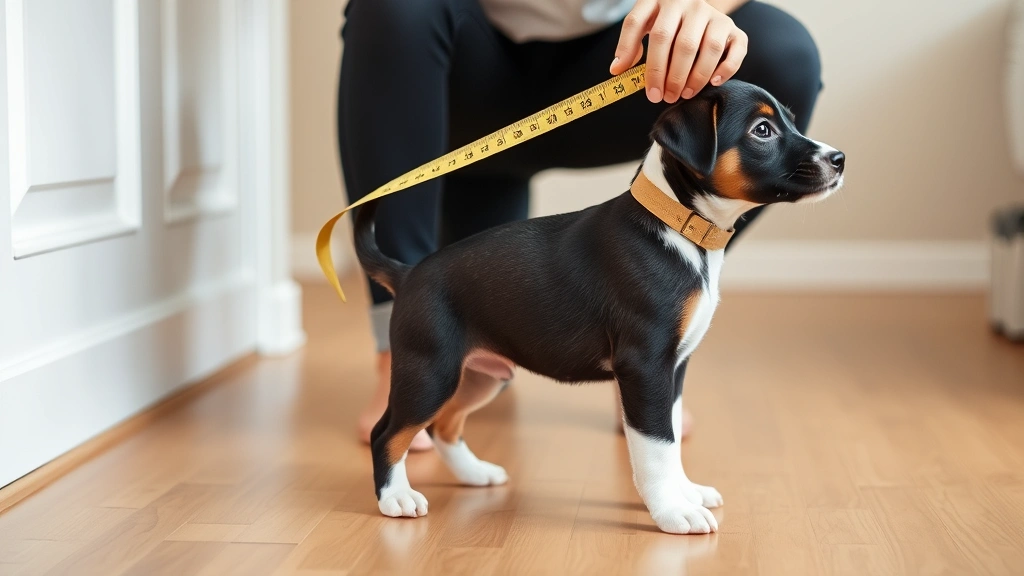
Height and Length: Measure your puppy’s height at the shoulder using a measuring tape or ruler. This measurement, called the withers height, is the standard used in breed standards. Also measure body length from the point of the shoulder to the base of the tail. These measurements help ensure proportional development.
Bone Structure Development: Observe whether your puppy’s frame appears proportional. Ribs should be palpable but not visible in healthy puppies. The spine should not be prominently visible. Your veterinarian can assess bone density and development during regular check-ups.
Teeth Development: Puppies follow a predictable teething schedule. Deciduous teeth appear around 3-4 weeks, and permanent teeth begin erupting around 12 weeks. By seven months, most permanent teeth should be present. Delays in tooth eruption can indicate nutritional or health issues.
Behavioral Milestones: Record when your puppy achieves behavioral milestones like standing steadily, walking with coordination, and responding to sounds. These developmental markers complement physical measurements and indicate overall neurological health.
Breed-Specific Growth Patterns
Different breeds follow vastly different growth trajectories, making breed-specific calculators essential for accuracy. Understanding your puppy’s breed category helps set realistic expectations and identify potential problems early.
Small Breeds (Under 25 lbs): Toy and small breed puppies reach adult size relatively quickly, often by 9-12 months. Chihuahuas, Pomeranians, and similar breeds may reach full size by 8 months. Their rapid early growth requires high-quality nutrition but less total food volume than larger breeds. These puppies are often vulnerable to hypoglycemia if they skip meals.
Medium Breeds (25-50 lbs): Beagles, Cocker Spaniels, and similar breeds typically reach adult size between 12-15 months. Their growth is more moderate than small breeds but faster than large breeds. These puppies benefit from consistent, measured growth that prevents orthopedic problems.
Large Breeds (50-100 lbs): Labrador Retrievers, German Shepherds, and comparable breeds have extended growth periods lasting 12-18 months. Their slower growth rate relative to body size is crucial—rapid growth in large breeds strains developing bones and joints. Feeding controlled portions of large-breed puppy food is essential.
Giant Breeds (Over 100 lbs): Great Danes, Mastiffs, and other giants may grow for 18-24 months. These breeds require the most careful nutritional management, as excessive growth rate dramatically increases the risk of hip dysplasia and other orthopedic conditions. The Orthopedic Foundation for Animals provides breed-specific growth guidelines for giant breeds.

Nutrition and Growth Optimization
Proper nutrition is the foundation of healthy puppy growth. Just as motivation requires proper fuel, puppies need balanced nutrition to reach their genetic potential while avoiding growth-related problems.
Life Stage Appropriate Food: Puppies have different nutritional requirements than adult dogs. Puppy formulas contain higher levels of protein, fat, and essential minerals like calcium and phosphorus. Using age-appropriate food ensures your puppy receives optimal nutrition for their developmental stage. Large and giant breed puppies require specially formulated foods with controlled calcium and phosphorus levels.
Feeding Schedule: Young puppies (under 12 weeks) need frequent meals—typically 3-4 times daily. From 3-6 months, transition to 3 meals daily. After 6 months, most puppies can eat twice daily. Following a consistent schedule helps with housetrain training and allows you to monitor appetite changes that might indicate health issues.
Portion Control: Overfeeding is a common mistake that accelerates growth beyond optimal rates. Large and giant breed puppies fed excessive amounts develop too quickly, stressing their skeletal system. Use your puppy growth calculator to estimate adult size, then follow feeding guidelines based on expected adult weight rather than current weight. Your veterinarian can recommend appropriate daily calorie intake.
Essential Nutrients: Growing puppies need adequate protein (for muscle development), fat (for brain development and coat health), and specific minerals. Calcium and phosphorus must be in proper ratio—excess calcium in large breed puppies causes orthopedic problems. Research from AAFCO (Association of American Feed Control Officials) establishes nutritional standards for puppy foods.
Supplements and Treats: While treats are enjoyable, they should comprise no more than 10% of daily calories. Avoid supplementing with calcium or other minerals unless specifically recommended by your veterinarian, as imbalances can harm developing bones.
Common Growth Issues and Solutions
Monitoring your puppy’s growth through a growth calculator helps identify problems early. Understanding common issues enables quick intervention.
Slower Than Expected Growth: If your puppy consistently measures below growth curve predictions, investigate potential causes. Parasites, infections, malnutrition, or underlying health conditions can slow growth. Puppies from puppy mills or rescue situations may show catch-up growth once they receive proper nutrition and care. Consult your veterinarian if growth significantly lags predictions.
Faster Than Expected Growth: While exciting, accelerated growth in large and giant breed puppies increases orthopedic problems. If your puppy is growing faster than breed predictions, reduce food portions slightly and consult your veterinarian. Excessive growth rate is often controllable through nutrition management.
Disproportionate Development: Puppies should develop proportionally. If your puppy’s legs seem unusually long or body unusually short compared to breed standards, this might indicate a growth problem or genetic issue. Your veterinarian can assess whether development is within normal variation.
Developmental Orthopedic Disease (DOD): Large and giant breed puppies fed excessive calories or imbalanced minerals can develop DOD, causing lameness, joint pain, and long-term orthopedic problems. Using a growth calculator helps maintain appropriate growth rates that minimize this risk. Early intervention with dietary adjustment can prevent permanent damage.
Failure to Thrive: Some puppies simply don’t grow as expected despite appropriate nutrition and care. Genetic factors, undiagnosed health conditions, or metabolic issues may be responsible. Your veterinarian can run diagnostic tests to identify underlying problems.
Creating Your Puppy Growth Timeline
Developing a personalized growth tracking system helps you stay organized and catch problems early. This systematic approach mirrors the transformation planning process used in personal development.
Establish Baseline Data: Begin tracking immediately after bringing your puppy home. Record current age, weight, and any available information about parents’ sizes. If possible, obtain growth records from the breeder or rescue organization. This baseline becomes your reference point for all future measurements.
Set Measurement Schedule: Decide on a consistent measurement frequency. Weekly measurements during rapid growth phases provide the most useful data. Create a simple spreadsheet or use a mobile app to record measurements, dates, and any observations about your puppy’s health or behavior.
Use Multiple Tools: Combine a growth calculator with veterinary guidance. Your veterinarian can assess whether growth is appropriate during regular check-ups. Growth calculators provide helpful projections, but professional veterinary evaluation is irreplaceable.
Document Milestones: Record when your puppy achieves developmental milestones alongside physical measurements. Note when permanent teeth fully erupt, when your puppy reaches sexual maturity, and when behavioral development appears complete. These markers provide a fuller picture of overall development.
Adjust as Needed: If your puppy’s growth doesn’t match predictions, adjust your feeding and exercise accordingly. Use your growth data to make informed decisions about nutrition changes, exercise levels, and health interventions. Share your growth records with your veterinarian at each visit.
Plan for Adulthood: As your puppy approaches adult size, use accumulated growth data to plan for adult care. Understanding your dog’s final size helps you prepare appropriate living space, exercise requirements, and long-term health management. Visit the Growth Life Hub Blog for additional resources on planning and development.
FAQ
What is the most accurate puppy growth calculator?
The most accurate calculators use breed-specific data and logarithmic growth models. Look for calculators developed by veterinary organizations or breed clubs. However, no calculator is 100% accurate for individual puppies—they provide estimates based on breed averages. Consult your veterinarian for personalized guidance.
How often should I weigh my puppy?
Weekly weighing during the rapid growth phase (8 weeks to 6 months) is ideal. After 6 months, bi-weekly or monthly weighing is sufficient. Consistent measurement times (such as always weighing in the morning) provide more reliable data.
Can I use a human growth calculator for puppies?
No. Human and canine growth patterns differ significantly. Dogs reach adult size much faster than humans, and breed-specific factors dramatically affect growth. Always use species and breed-appropriate calculators.
What if my puppy’s growth doesn’t match the calculator’s predictions?
Individual variation is normal. Genetics, health status, nutrition, and environmental factors affect growth. If growth significantly deviates from predictions, consult your veterinarian to rule out health problems.
Should I adjust exercise based on growth rate?
Yes. Puppies with open growth plates (typically under 12-18 months depending on breed) need limited, controlled exercise. Excessive exercise during rapid growth can damage developing joints. Your veterinarian can recommend appropriate activity levels for your puppy’s age and breed.
How do I calculate adult size for mixed breed puppies?
Mixed breed calculators average growth patterns across the parent breeds. For best results, input the breeds as accurately as possible. If parentage is unknown, use breed estimates based on physical characteristics. Your veterinarian can help estimate adult size based on your puppy’s current development.
Is it normal for puppies to grow unevenly?
Some variation is normal, but growth should be relatively consistent. One leg growing significantly faster than others, or extreme size disparities between littermates, may indicate problems. Discuss unusual patterns with your veterinarian.


