
Best Protective Hairstyles for Hair Growth: Stylist-Approved Tips
Your hair is a reflection of your commitment to self-care and personal wellness. Just as personal growth requires intentional strategies and protection from harmful influences, your hair thrives when shielded from environmental stressors, heat damage, and excessive manipulation. Protective hairstyles represent more than aesthetic choices—they’re a foundational practice in hair health that allows your strands to strengthen, retain length, and reach their full growth potential.
The journey to healthier, longer hair mirrors the principles of self-improvement: consistency, strategic planning, and understanding that sustainable results come from protecting your foundation. Whether you’re recovering from damage, pursuing length retention, or simply committed to healthier hair practices, protective styling is a non-negotiable component of any effective hair care regimen. This guide reveals stylist-approved techniques that combine beauty with biology, ensuring your protective styles actually deliver the growth results you’re seeking.
What Are Protective Hairstyles and Why They Matter
Protective hairstyles are styles designed to minimize manipulation, reduce friction, and shield your hair ends from environmental damage. These styles keep your strands tucked away, reducing exposure to harsh weather, pollution, and daily wear-and-tear. The protective aspect works by containing your hair in a way that prevents constant rubbing against clothing, pillows, and shoulders—the primary culprits behind breakage and split ends.
The psychology of protection extends beyond hair care into your broader personal growth journey. When you commit to a protective styling routine, you’re making a deliberate choice to invest in your well-being. This mindset shift—from reactive hair care to proactive protection—demonstrates the kind of intentional decision-making that drives success in all life areas. Research from the American Psychological Association shows that implementing structured self-care routines increases overall well-being and confidence.
Protective styles serve multiple purposes simultaneously: they reduce daily styling time, minimize heat exposure, lower manipulation frequency, and create an environment where hair can recover from previous damage. For individuals with textured or curly hair, protective styling is particularly crucial because these hair types naturally experience more friction and are prone to dryness.
The Science Behind Hair Growth and Protection
Hair grows approximately half an inch per month under optimal conditions, but this growth is only visible when your hair retains length. Many people experience continuous breakage that negates their natural growth, resulting in no net length gain. This is where protective hairstyles become scientifically essential.
Your hair shaft consists of three layers: the cuticle (outer protective layer), cortex (strength-providing middle layer), and medulla (inner core). When your cuticle layer becomes raised or damaged through friction, heat, or chemical exposure, moisture escapes and your hair becomes brittle. Protective styles keep your cuticle layer smooth and flat, preserving moisture and structural integrity.
Dermatological research published in the Journal of the American Academy of Dermatology demonstrates that reducing manipulation frequency by 70-80% through protective styling can increase length retention by up to 40% over six months. This isn’t about growing hair faster—it’s about keeping the hair you’re growing.
The moisture retention aspect deserves special attention. Protected hair maintains optimal hydration levels, which directly correlates with elasticity and reduced breakage. When hair is constantly exposed and manipulated, it loses moisture rapidly, becoming dry and prone to snapping. Protected styles create a microclimate where moisture is preserved, allowing your hair to remain supple and resilient.
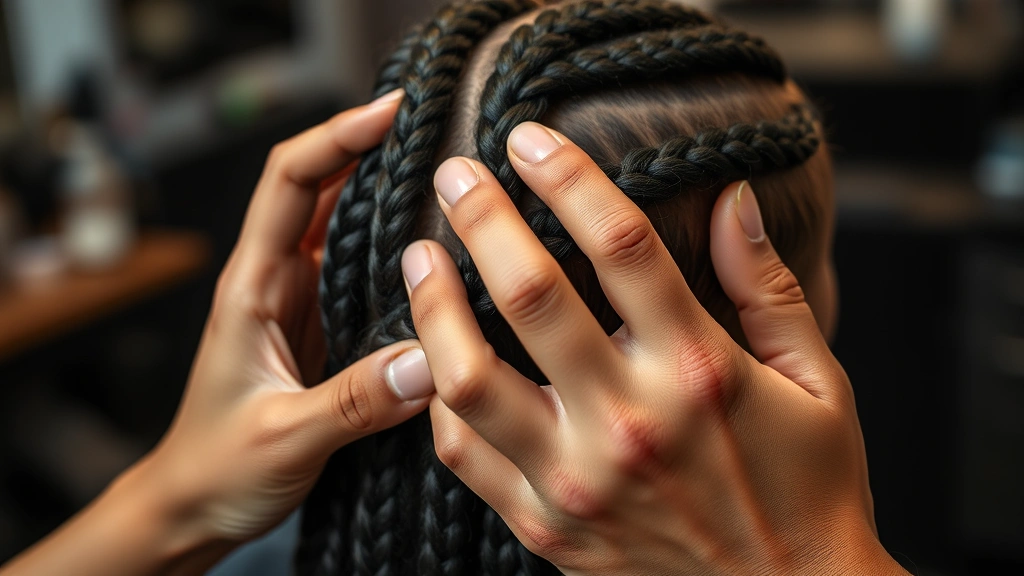
Top 7 Stylist-Approved Protective Hairstyles
1. Box Braids
Box braids remain the gold standard for protective styling. These individual braids are created by sectioning hair and braiding extensions through your natural hair. Proper installation should take 4-8 hours and should never cause tension that pulls your hairline. Quality box braids last 6-8 weeks and require minimal daily manipulation.
The key to successful box braids is tension management. Your stylist should braid loosely enough that you can slide your finger under each braid without resistance. Tension alopecia—hair loss from excessive pulling—is a real risk when braids are installed too tightly. Choose experienced stylists who understand the delicate balance between security and scalp safety.
2. Faux Locs
Faux locs offer the aesthetic of dreadlocks without the permanent commitment. Created by wrapping hair around your natural strands, faux locs provide excellent protection while allowing style versatility. They can be styled up, down, or in various configurations throughout their wear time.
Faux locs typically last 4-6 weeks and work beautifully for all hair types. The wrapping technique distributes tension evenly, reducing strain on any single section. Many stylists recommend alternating between different protective styles rather than wearing the same style continuously, which aligns with the growth mindset philosophy of strategic variation and adaptation.
3. Crochet Braids
Crochet braids involve crocheting pre-made braids or locs into cornrows on your head. This style is faster to install than box braids (2-4 hours) and offers excellent protection with minimal tension. The style is versatile, allowing you to change your look frequently without damaging your natural hair.
The beauty of crochet braids is their accessibility. They’re more affordable than traditional braids, require less installation time, and can be removed and reinstalled multiple times if the braids are maintained properly. This style works particularly well for individuals juggling busy schedules with their self-growth practices.
4. Twist Styles
Two-strand twists, three-strand twists, and flat twists all provide excellent protection when installed with appropriate tension. Twists can be worn loose or pinned up, offering style flexibility while protecting your ends. They last 3-4 weeks and can be styled multiple ways during wear time.
Twists are particularly beneficial because they can be created with or without extensions. Natural twists allow your scalp to breathe while still providing protection, making them ideal for rotation with other protective styles.
5. Cornrows
Cornrows are braids laid close to the scalp in straight lines, curved patterns, or intricate designs. When installed correctly with loose tension, cornrows provide excellent protection. They’re ideal for shorter wear periods (1-2 weeks) and can be worn alone or as a base for other styles.
Cornrows work beautifully as a protective style between more elaborate installations. They give your hair a break from heavier styles while maintaining protection, demonstrating the principle of strategic rest that applies equally to hair care and personal development goals.
6. Wigs and Wig Protective Styles
Wearing a wig over cornrows or a braid base provides ultimate protection with minimal effort. Quality human hair wigs last 1-2 years with proper care, and wearing them gives your natural hair extended breaks from manipulation. This style is perfect for individuals with demanding schedules or those recovering from significant damage.
Protective wig wearing requires a proper base—usually cornrows, twists, or a wig cap—to prevent tension on your hairline. When done correctly, wig wearing allows your hair to rest completely while you maintain your desired appearance.
7. Bun Styles with Minimal Manipulation
While buns can be risky if created with excessive tension, low-manipulation buns offer protection when executed properly. Loose buns created with a silk or satin scrunchie and minimal bobby pins protect your ends while allowing daily styling.
The key is creating buns that feel comfortable and don’t require constant adjustment. High-tension buns worn repeatedly in the same location can cause damage; instead, vary your bun placement and keep tension minimal.
Installation Best Practices
Proper installation is absolutely crucial for protective styles to deliver results. A poorly installed protective style can cause more damage than leaving hair completely unprotected. Understanding installation best practices ensures your investment in protective styling translates to actual hair growth.
Tension Management
The golden rule: if it hurts, it’s too tight. Your scalp should never experience pain or discomfort. You should be able to slide your finger under any braid, twist, or cornrow without resistance. Excessive tension causes inflammation, weakens hair follicles, and can result in permanent hair loss if repeated over time.
Professional stylists understand that tension should be firm enough for style longevity but loose enough for scalp health. When communicating with your stylist, explicitly request loose, protective tension and don’t hesitate to speak up if anything feels uncomfortable during installation.
Hair Preparation
Your hair should be clean, well-moisturized, and detangled before protective style installation. Dirty, tangled hair is more prone to breakage during the installation process. Deep condition your hair 3-5 days before installation to ensure optimal moisture levels.
Avoid installing protective styles on freshly washed hair. Wait at least 2-3 days for your natural oils to distribute, which provides additional protection during installation.
Choosing Experienced Stylists
Your stylist’s expertise directly impacts your hair’s health. Research stylists who specialize in protective styling, read reviews specifically about hair health outcomes, and don’t hesitate to ask about their experience and approach to tension management.
A quality stylist will discuss your hair goals, assess your hair’s current condition, and recommend styles appropriate for your specific hair type and goals. They’ll also provide detailed aftercare instructions.
Maintenance Routines for Maximum Results
Installation is just the beginning. Proper maintenance during the wear period determines whether your protective style actually protects or inadvertently damages your hair. Maintenance requires consistency and intentionality—qualities central to achieving any meaningful self-growth goals.
Scalp Care
Your scalp requires attention even while your hair is styled. A healthy scalp produces healthier hair. Cleanse your scalp every 7-10 days using a clarifying shampoo or scalp cleanser applied directly to your scalp, not your installed braids.
Use a spray bottle with water and a lightweight oil to moisturize your scalp between washes. Your scalp should never feel itchy or uncomfortable. If irritation develops, this is a signal to remove your style earlier than planned.
Nighttime Protection
Even with protective styles, nighttime care matters. Sleep on a silk or satin pillowcase to reduce friction. If your style allows, tie a silk or satin scarf loosely around your hair to minimize contact with cotton pillowcases.
Cotton pillowcases absorb moisture and create friction that can unravel braids and cause frizz. This simple switch represents the kind of small, strategic decision that compounds into significant results—a principle applicable to both hair care and broader personal development.
Moisturizing the Installed Style
Your natural hair still needs moisture even while protected. Every 3-4 days, apply a lightweight moisturizer to your braids, twists, or cornrows, focusing on your ends. Use products that won’t accumulate buildup, such as lightweight leave-in conditioners or oils.
Hydrated hair is stronger, more elastic, and less prone to breakage. This maintenance step directly impacts whether your protective style actually results in length retention.
Managing Frizz and Flyaways
As your style ages, flyaways and frizz naturally increase. Manage these with a light edge control or hair oil applied with a soft brush. Avoid excessive manipulation when managing frizz—use gentle smoothing motions rather than forceful brushing.
Common Mistakes That Undermine Growth
Many people invest in protective styling but fail to achieve results because they make critical mistakes. Understanding and avoiding these errors ensures your protective styling actually protects.
Wearing Styles Too Long
Leaving protective styles installed beyond their recommended duration causes buildup, scalp irritation, and increased tangling. Box braids should come down after 6-8 weeks maximum. Crochet braids should be removed after 4-6 weeks. Exceeding these timeframes increases breakage risk significantly.
Think of protective style duration like a strategic intervention period—its benefits diminish if extended beyond the optimal window. This concept mirrors personal development principles where consistency within defined cycles produces better results than excessive, unsustainable effort.
Installing Protective Styles on Damaged Hair
If your hair is severely damaged, fragile, or prone to breakage, aggressive protective styles might cause more harm than good. Instead, start with gentler protective styles like loose twists or buns, and focus on deep conditioning and repair before progressing to heavier styles.
Protective styles work best on relatively healthy hair. If your hair is in crisis mode, prioritize repair before prioritizing protection.
Neglecting Scalp Health
A dirty, irritated scalp cannot produce healthy hair. Neglecting scalp care during protective style wear undermines the entire purpose of the style. Your scalp health is non-negotiable.
Using Low-Quality Extensions
Poor-quality braiding hair, locs, or wigs can damage your natural hair through friction and tangling. Invest in quality extensions that feel smooth and won’t cause excessive friction against your natural strands.
Inconsistent Rotation
Wearing the same protective style repeatedly in the same configuration causes stress on specific sections. Rotate your styles every 6-8 weeks, varying the placement of braids and twists to distribute stress evenly across your head.
Combining Protective Styles With Personal Growth Mindset
The connection between hair care commitment and broader personal development isn’t coincidental. Both require the same foundational principles: intentionality, consistency, patience, and strategic planning.
When you commit to a protective styling routine, you’re demonstrating self-discipline and self-investment. You’re making choices today that benefit your future self—the essence of personal growth. This mindset extends naturally to other areas of your life, from fitness to finances to emotional health.
Research in behavioral psychology, documented in publications like Psychological Science, shows that implementing structured self-care routines increases perceived control over your life and boosts overall confidence. When you see your hair growing healthier and longer through protective styling, that visible progress reinforces your belief in your ability to create positive change—a belief that transfers to other goals.
Consider protective styling as a form of self-respect. You’re saying, “My health and appearance matter enough to invest time and resources.” This declaration, repeated every 6-8 weeks through consistent protective styling, becomes a powerful affirmation that shapes your identity and choices.
Many individuals find that committing to a protective styling regimen motivates them to establish other positive routines. The Growth Life Hub Blog frequently explores how small, consistent habits compound into transformative life changes. Hair growth through protective styling exemplifies this principle perfectly—small monthly growth becomes significant length retention over years through consistent, intentional practices.
FAQ
How long does it take to see hair growth results from protective styling?
Most people notice visible length retention within 3-4 months of consistent protective styling. Hair grows approximately half an inch monthly, but protective styles prevent the breakage that typically negates this growth. After 6-12 months of consistent protective styling, most individuals report significant length gains and noticeably healthier hair.
Can I wear protective styles if I have short hair?
Absolutely. Protective styles work for all hair lengths. Short hair benefits tremendously from protective styling, as shorter strands are more vulnerable to breakage from friction. Box braids, twists, and cornrows work beautifully on short hair and provide excellent protection during the growth phase.
Are protective styles damaging if installed correctly?
When installed with appropriate tension by an experienced stylist, protective styles should not damage your hair. In fact, they protect and promote growth. Damage occurs when tension is excessive, styles are worn too long, or maintenance is neglected. Proper protective styling should improve your hair’s health, not harm it.
How often should I rotate protective styles?
Rotate your protective styles every 6-8 weeks. After removing a style, give your hair a 1-2 week break for cleansing, deep conditioning, and recovery before installing a new style. This rotation prevents stress buildup on specific areas and maintains overall scalp health.
What’s the best protective style for beginners?
Crochet braids are ideal for beginners because they install quickly, involve minimal tension, are affordable, and allow frequent style changes without damaging your natural hair. Alternatively, loose twists or buns offer low-cost entry into protective styling while you build confidence and expertise.
Can men wear protective styles?
Yes. Men with longer hair, locs, or textured hair benefit significantly from protective styling. Styles like loose twists, braids, or bun styles reduce manipulation and protect ends. Men with shorter hair can still benefit from protective practices like sleeping on silk pillowcases and minimizing heat styling.
Should I use extensions in my protective styles?
Extensions are optional. Natural protective styles like twists or loose buns work beautifully without extensions. Extensions add weight and can increase tension, so they’re not necessary for protection. Use extensions if you want style variety or length, but know that protective styling works effectively without them.
What should I do if my scalp itches during a protective style?
Mild itching is normal, but persistent itching indicates a problem. First, try cleansing your scalp more frequently. If itching persists, your style might be too tight or your scalp might have a condition requiring attention. Remove the style and consult a dermatologist if irritation continues.


