
Potato Growth Stages: Expert Insights Explained
Just as personal growth requires understanding distinct phases of development, potato cultivation demands a deep knowledge of its specific growth stages. Whether you’re a seasoned farmer or a curious gardener, comprehending the journey from seed potato to harvest is essential for maximizing yield and ensuring healthy crop development. The potato plant undergoes a fascinating transformation through multiple stages, each with unique characteristics, requirements, and challenges that mirror the progressive nature of self-improvement.
Potatoes are one of the world’s most important food crops, yet many growers overlook the critical importance of recognizing and responding to each growth phase. By understanding these stages—from sprouting through maturation—you can optimize your farming practices, apply the right interventions at the right times, and ultimately harvest robust, disease-resistant tubers. This comprehensive guide explores each potato growth stage with expert insights, practical applications, and actionable strategies for success.

Stage 1: Seed Potato Dormancy and Sprouting
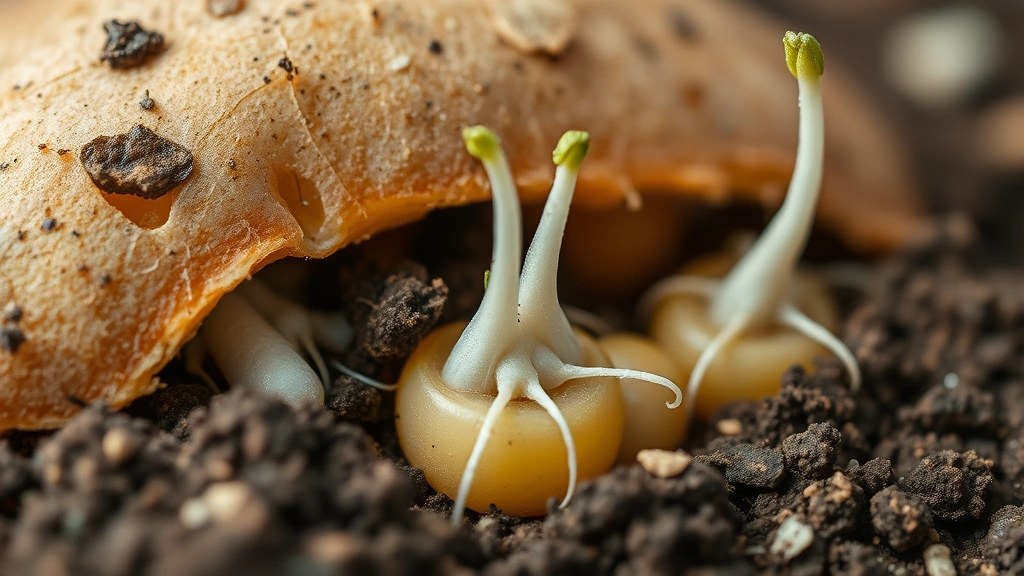
The potato growth journey begins long before planting occurs. Seed potatoes enter a natural dormancy period after harvest, during which metabolic activity slows dramatically. This dormant phase typically lasts 4-12 weeks, depending on potato variety and storage conditions. During dormancy, the seed potato conserves energy while its buds—called eyes—prepare for sprouting. Understanding this foundational stage is crucial because it sets the trajectory for all subsequent development.
Breaking dormancy requires specific environmental triggers. Temperature plays the most critical role; exposing seed potatoes to temperatures between 50-70°F (10-21°C) for 2-3 weeks stimulates sprouting. Light exposure also accelerates bud break, which is why many growers use pre-sprouting techniques before planting. The process of chitting—allowing sprouts to develop indoors before field planting—can reduce time to emergence by 1-2 weeks and produce stronger, more vigorous plants.
Seed potato quality during this stage directly impacts future success. Certified seed potatoes, free from disease pathogens and genetic degeneration, provide superior performance. Research from the Potato Goodness organization emphasizes that selecting properly stored, disease-free seed stock is the foundation of profitable potato production. During dormancy, maintain optimal storage conditions: cool temperatures (35-40°F), adequate ventilation, and darkness to prevent greening and solanine accumulation.

Stage 2: Vegetative Growth and Emergence
Once planted in soil with adequate moisture and temperature (typically 45-50°F minimum), seed potatoes transition into the emergence phase. This stage involves radical root development and shoot elongation as the plant mobilizes stored energy from the seed piece. Emergence typically occurs 10-30 days after planting, depending on soil temperature, moisture, and seed piece size. During this critical window, the developing seedling is vulnerable to environmental stress, soil-borne diseases, and pest pressure.
The vegetative growth phase extends from emergence through the development of the first true leaves and establishment of the root system. This period is characterized by rapid above-ground biomass accumulation. The plant develops a compound root system that can penetrate 24-36 inches into the soil, depending on soil structure and water availability. Strong vegetative growth during this phase creates the photosynthetic capacity necessary to support later tuber development.
Much like the principles outlined in growth mindset quotes, potato plants benefit from the right conditions to establish strong foundations. Adequate nitrogen availability during this stage promotes vigorous leaf and stem development. However, excessive nitrogen can delay tuber formation. Most agronomists recommend split nitrogen applications, with the majority applied early to support vegetative growth, then reduced as the plant transitions to tuber development. Environmental conditions during emergence—adequate moisture, appropriate temperature, and sufficient light—directly influence plant vigor and disease resistance.
Key Factors During Vegetative Growth
- Temperature: Optimal growth occurs between 60-70°F (15-21°C)
- Moisture: Consistent soil moisture without waterlogging supports root development
- Light: 14-16 hours of daylight accelerates vegetative growth
- Nutrition: Balanced nutrient availability, especially nitrogen and potassium
- Pest management: Early detection and control of aphids, which transmit viral diseases
The vegetative phase typically lasts 3-4 weeks after emergence, though this varies by variety and growing conditions. During this time, the plant develops 4-6 leaves and establishes a robust root system. The transition from vegetative to reproductive growth marks a crucial turning point in the potato growth cycle.
Stage 3: Stolonization and Tuber Initiation
Stolonization represents the transformation from purely vegetative growth to reproductive development. Stolons are specialized underground stems that emerge from leaf axils near the soil surface. These stolons elongate horizontally through the soil, and their terminal buds swell to form tubers. This stage is absolutely critical because it determines the number and location of developing potatoes. Research published in Agricultural Systems demonstrates that tuber initiation is primarily controlled by photoperiod (day length) and temperature interactions.
Short-day conditions (typically 12 hours or less of daylight) trigger tuber initiation in most potato varieties. Temperature also significantly influences this process; temperatures between 55-65°F (13-18°C) are optimal for tuber initiation. Warmer temperatures (above 70°F) suppress tuberization, which is why early-planted potatoes in spring often produce better yields than late plantings in hot climates. Understanding your variety’s photoperiod sensitivity allows strategic planting dates to maximize tuber yield.
During stolonization, the plant’s nutrient demands shift. While nitrogen remains important, potassium becomes increasingly critical for tuber development and quality. Phosphorus supports energy transfer and root development. Many growers apply a balanced fertilizer or potassium-rich amendment at this stage to support tuber formation. Soil moisture becomes especially important; inconsistent watering during tuber initiation can result in misshapen tubers, cracking, or reduced yields.
The stolonization phase typically lasts 1-2 weeks, though environmental conditions significantly influence duration. Once tuber initiation begins, the plant’s growth pattern changes dramatically. The focus shifts from producing additional leaf area to accumulating starch and biomass in underground tubers. This transformation parallels personal development stages discussed in personal growth quotes—recognizing when to shift focus from preparation to productive output.
Stage 4: Tuber Bulking and Development
Tuber bulking represents the most economically important phase of potato production. During this 4-6 week period, tubers rapidly accumulate starch, water, and nutrients, increasing in size from tiny nodules to harvestable potatoes. This phase demands consistent environmental conditions and adequate resources. The plant’s leaves continue photosynthesizing, converting sunlight into carbohydrates that are translocated to developing tubers.
Optimal conditions during tuber bulking include consistent soil moisture (approximately 1.5-2 inches per week from rain or irrigation), temperatures between 60-70°F, and adequate potassium availability. Moisture stress during this critical period reduces tuber size and yield; conversely, waterlogging can cause disease issues and oxygen depletion. Many commercial growers use drip irrigation or soil moisture sensors to maintain optimal conditions throughout this phase.
Disease pressure intensifies during tuber bulking. Late blight, a devastating fungal disease caused by Phytophthora infestans, thrives in warm, wet conditions. Implementing a preventive fungicide program, improving air circulation through proper hilling and canopy management, and selecting resistant varieties are essential strategies. Early blight, powdery mildew, and various viral diseases also pose significant threats during this phase. Regular scouting and early intervention prevent yield losses.
The tuber bulking phase represents peak nutrient and water demand. A mature potato plant with multiple developing tubers can transpire 2-3 gallons of water daily in warm conditions. Meeting these demands through irrigation ensures maximum tuber size and quality. As tubers approach market size, many growers reduce nitrogen applications to prevent excessive vine growth and encourage tuber maturation. This strategic nutrient management parallels the principles of best books for self growth, which emphasize strategic resource allocation toward meaningful outcomes.
Monitoring Tuber Development
- Tuber sampling: Carefully excavate plants at 2-week intervals to assess tuber size and maturity
- Skin set: Mature tubers develop skin that doesn’t rub off easily, indicating readiness for harvest
- Starch content: Higher starch content improves storage longevity and cooking quality
- Disease observations: Monitor for internal defects, necrosis, or disease symptoms during sampling
Stage 5: Maturation and Senescence
As tubers approach market size and environmental conditions change, potato plants transition into maturation and senescence. This final growth stage involves natural vine decline as the plant redirects remaining resources toward tuber skin development and starch accumulation. Senescence typically begins 12-16 weeks after planting, though this varies significantly by variety, climate, and growing conditions.
During maturation, the potato plant’s foliage gradually yellows and dies back. This natural decline is desirable because it indicates tuber skin set—the development of a protective skin layer that improves storage longevity and handling quality. Some growers deliberately kill vines 1-2 weeks before harvest through mechanical means, herbicide application, or by cutting vines, which further firms tuber skins and facilitates harvest.
Moisture management during maturation requires careful attention. Excessive soil moisture can delay vine death and promote disease development. However, completely drying the soil can crack tubers or prevent complete skin set. Most agronomists recommend gradually reducing irrigation frequency while maintaining enough moisture to prevent severe wilting. This balanced approach optimizes both tuber quality and harvest readiness.
Maturation typically lasts 2-3 weeks before harvest readiness. During this period, starch concentration increases, dry matter accumulates, and tubers achieve their characteristic color and appearance. This phase demonstrates the importance of patience and proper timing—harvesting too early results in immature, thin-skinned potatoes prone to bruising and disease; harvesting too late risks frost damage in cool climates or disease pressure in warm regions.
Optimizing Growth Through Environmental Control
Understanding potato growth stages provides the foundation for strategic environmental management. Temperature is perhaps the most critical environmental variable. Potato plants thrive in cool climates where average temperatures remain between 60-70°F throughout the growing season. Temperatures above 80°F reduce tuber yield and quality, suppress tuber initiation, and increase disease pressure. In hot climates, early planting to avoid peak summer heat often produces superior results.
Photoperiod (day length) profoundly influences tuber initiation and development. Short-day varieties, common in tropical and subtropical regions, require fewer than 12 hours of daylight to initiate tubers. Long-day varieties, prevalent in temperate regions, require more than 14 hours of daylight. Selecting appropriate varieties for your location’s latitude and growing season length ensures successful tuber development. This strategic selection principle mirrors approaches discussed in journal prompts for self growth, emphasizing intentional decision-making aligned with environmental context.
Soil conditions profoundly impact all growth stages. Well-draining soil with adequate organic matter supports root development, water retention, and nutrient availability. Soil pH should ideally range from 5.5-7.0; highly acidic soils increase common scab susceptibility. Loose, friable soil facilitates tuber expansion and harvest. Many growers amend heavy clay soils with compost or sand to improve structure. Soil testing before planting identifies nutrient deficiencies and guides fertilizer applications aligned with growth stage demands.
Water management represents another critical optimization factor. Potatoes require 15-25 inches of water during the growing season, depending on climate and soil type. Consistent moisture is more important than total quantity; fluctuating moisture levels cause cracking, greening, and quality defects. Drip irrigation systems provide precise water delivery aligned with plant demands at each growth stage. Mulching conserves soil moisture, regulates temperature, and suppresses weeds—all supporting optimal growth conditions.
Nutrient management must align with growth stage transitions. Early vegetative growth demands adequate nitrogen to support leaf and stem development. As tuberization begins, nitrogen should decrease while potassium increases to support tuber filling. Phosphorus supports energy metabolism throughout all stages. Micronutrients like boron, zinc, and manganese prevent deficiency symptoms that compromise yield and quality. Tissue testing or leaf analysis at mid-season identifies nutrient imbalances, allowing corrective applications before yield impacts occur.
Pest and disease management becomes increasingly important as the plant develops. Early detection through regular scouting allows intervention before populations explode. Integrated pest management combines cultural practices (crop rotation, resistant varieties, sanitation), biological controls, and targeted chemical applications. Managing disease pressure during critical stages like tuber bulking protects yield and quality. Research in the Journal of Integrated Pest Management emphasizes that stage-specific disease management strategies prove more effective and economical than blanket approaches.
FAQ
How long does each potato growth stage take?
Seed potato dormancy lasts 4-12 weeks. Emergence occurs 10-30 days after planting. Vegetative growth spans 3-4 weeks. Stolonization and tuber initiation take 1-2 weeks. Tuber bulking lasts 4-6 weeks. Maturation and senescence require 2-3 weeks. Total growing season typically ranges 90-120 days, depending on variety and conditions.
What temperature is optimal for potato growth?
Potatoes thrive between 60-70°F (15-21°C). Temperatures below 45°F slow growth and delay emergence. Temperatures above 80°F suppress tuber initiation, reduce yields, and increase disease pressure. Cool-season climates with moderate temperatures throughout the growing season produce the best results.
When should I apply fertilizer during potato growth stages?
Apply balanced fertilizer at planting to support early root development. Apply nitrogen-rich fertilizer during vegetative growth (first 3-4 weeks). Shift to potassium-rich applications during stolonization and tuber bulking. Reduce nitrogen as tubers approach maturity. Soil testing guides precise nutrient recommendations aligned with your specific conditions.
How can I tell when potatoes are ready to harvest?
Potatoes are ready to harvest when vines have died back completely, skin sets firmly (doesn’t rub off), and tubers have reached desired size. Typically, 2-3 weeks after vine death indicates harvest readiness. Dig a test hill to assess maturity before harvesting the entire crop.
What’s the most critical growth stage for yield?
Tuber bulking is the most economically critical stage. During this 4-6 week period, tubers rapidly accumulate starch and biomass. Optimizing conditions—consistent moisture, adequate nutrients, temperature control, and disease management—during this phase directly maximizes yield and quality. Stress during tuber bulking has lasting impacts on final harvest.
How does photoperiod affect potato growth?
Photoperiod (day length) primarily controls tuber initiation. Short-day varieties (fewer than 12 hours daylight) initiate tubers early and suit tropical regions. Long-day varieties (more than 14 hours daylight) suit temperate regions with longer growing seasons. Selecting appropriate varieties for your latitude ensures successful tuberization and yield.
Can I grow potatoes in containers or limited space?
Yes, potatoes adapt well to container growing. Use containers at least 5-gallon capacity with well-draining soil mix. Maintain consistent moisture and temperature. Container-grown potatoes experience faster maturation due to soil warmth and controlled conditions. This approach suits small-scale growers or those with space limitations.
What diseases are most problematic during potato growth?
Late blight is the most destructive fungal disease, particularly during tuber bulking in warm, wet conditions. Early blight causes leaf spotting and defoliation. Viral diseases (transmitted by aphids) accumulate in stressed plants. Common scab develops in acidic soils. Implementing preventive strategies—resistant varieties, fungicide programs, sanitation, and proper nutrition—controls disease pressure across all growth stages.
Mastering potato growth stages transforms you from a passive grower into an informed steward of your crop. Like the journey toward personal growth through guitar or any meaningful endeavor, potato cultivation rewards those who understand foundational principles and apply them strategically. By recognizing each stage’s unique characteristics and requirements, you optimize every decision—from variety selection through harvest timing—resulting in superior yields, quality tubers, and sustainable farming success.