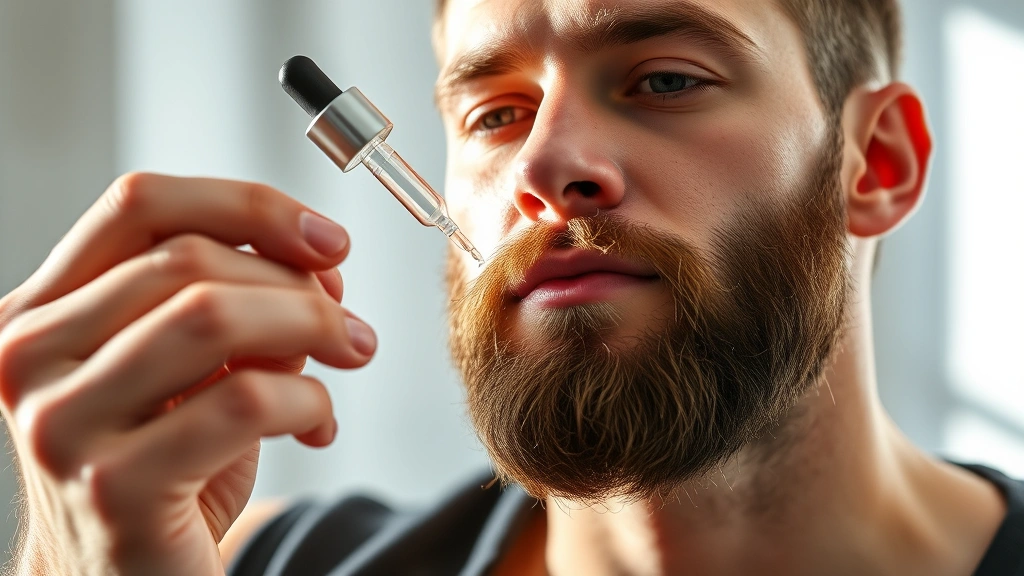
Boost Beard Growth: Minoxidil Tips from Dermatologists
Facial hair growth is a symbol of masculinity and confidence for many men, yet not everyone experiences the thick, full beard they desire naturally. If you’ve struggled with patchy facial hair, slow beard growth, or uneven coverage, you’re not alone. Millions of men seek effective solutions to enhance their beard density and appearance. One scientifically-backed option that’s gained significant attention from dermatologists worldwide is minoxidil—a topical treatment originally developed for hair loss that’s proving remarkably effective for beard growth stimulation.
This comprehensive guide explores everything you need to know about using minoxidil for beard growth, drawing directly from dermatological research and expert recommendations. Whether you’re looking to fill in sparse areas, accelerate growth, or achieve a fuller appearance, understanding how minoxidil works and following proper application protocols can make a meaningful difference in your beard journey.
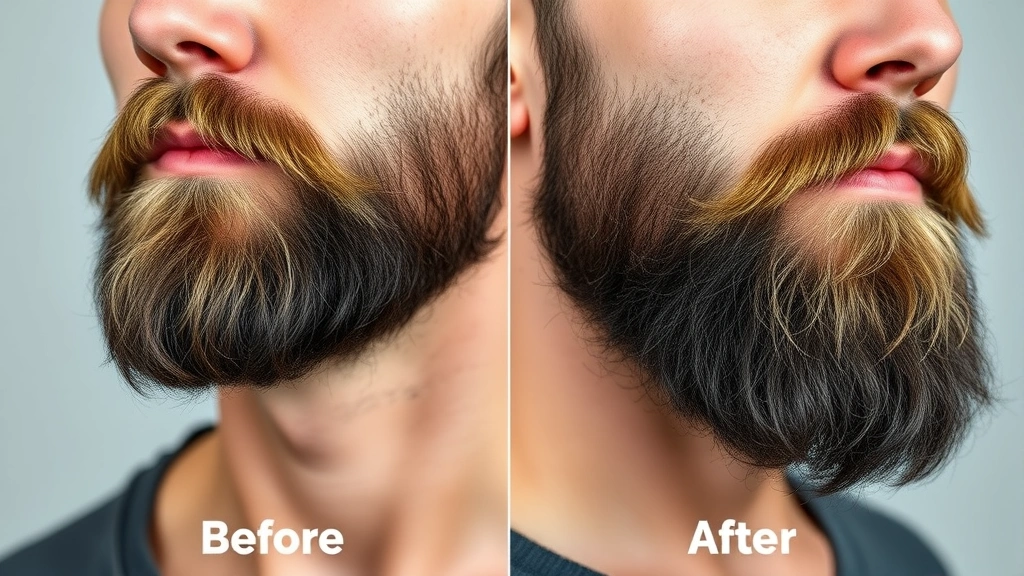
How Minoxidil Works for Beard Growth
Minoxidil, commonly known by the brand name Rogaine, is a topical medication that works through multiple biological mechanisms to stimulate hair follicles. Originally developed as an oral medication for hypertension in the 1970s, researchers discovered an unexpected side effect: patients experienced significant hair growth. This led to the development of topical minoxidil formulations specifically designed for hair loss treatment.
The mechanism behind minoxidil’s effectiveness involves several key processes. First, it functions as a vasodilator, meaning it widens blood vessels and improves blood circulation to hair follicles. Enhanced blood flow delivers more oxygen and nutrients directly to follicle cells, creating an optimal environment for growth. Second, minoxidil extends the anagen phase—the active growth stage of the hair cycle—allowing individual hairs to grow longer before entering the resting and shedding phases.
According to peer-reviewed dermatological research, minoxidil also stimulates potassium channel opening in hair follicle cells. This cellular activity increases energy production within follicles, promoting cell proliferation and differentiation. Additionally, the medication may promote the transition of vellus hair (fine, barely visible facial hair) into terminal hair (thicker, pigmented beard hair), which is particularly valuable for men seeking fuller beard coverage.
What makes minoxidil particularly effective for facial hair is its ability to work on dormant or miniaturized follicles. Many men have facial hair follicles that simply aren’t functioning at full capacity. Minoxidil awakens these dormant follicles and encourages them to produce thicker, more visible hair—a process called follicle miniaturization reversal.
What Dermatologists Recommend
Leading dermatologists emphasize several critical points when recommending minoxidil for beard growth. First, they stress the importance of using the correct concentration. For facial hair, dermatologists typically recommend the 5% minoxidil solution, which has shown superior results compared to lower concentrations in clinical studies. This higher concentration provides more robust stimulation to beard follicles while remaining safe for facial application when used as directed.
The American Academy of Dermatology acknowledges minoxidil as an evidence-based treatment for androgenetic alopecia and has noted its off-label effectiveness for beard enhancement. Dermatologists emphasize that results vary significantly between individuals based on genetics, age, overall health, and hormonal factors. Some men experience dramatic improvements in beard thickness and coverage, while others see more modest gains.
Experts recommend starting with minoxidil if you have a family history of male pattern baldness or if you’re genetically predisposed to slower beard growth. The treatment works best when initiated early—ideally before significant hair loss or thinning occurs. However, dermatologists note that even men experiencing current beard thinning can benefit from minoxidil therapy when combined with other healthy lifestyle practices related to personal growth and self-care.
Dr. insights from dermatological literature reveal that consistency is paramount. Dermatologists stress that minoxidil requires daily application to maintain results. Missing doses or stopping treatment prematurely can reverse gains, as follicles may return to their previous state without continued stimulation.
Proper Application Techniques
Correct application methodology directly impacts minoxidil effectiveness for beard growth. Dermatologists recommend the following step-by-step protocol:
- Cleanse your face: Begin with a clean face, free from oils, dirt, and other products. Use a gentle facial cleanser and pat dry completely. Minoxidil absorbs better on clean, dry skin.
- Apply to affected areas: Using the provided applicator or a dropper, apply 1 milliliter of minoxidil solution directly to the areas where you want increased beard growth. Focus on sparse patches, cheek coverage, or anywhere you desire fuller density.
- Massage gently: Use your fingertips to gently massage the solution into the beard area and skin underneath. This improves absorption and ensures the medication reaches follicle cells effectively. Massage for about one minute.
- Allow drying time: Wait at least 4 hours before washing your face or applying other products. Many men apply minoxidil at night to allow full absorption during sleep.
- Maintain consistency: Apply twice daily—morning and evening—for optimal results. Set reminders or incorporate application into your existing grooming routine to ensure adherence.
Dermatologists emphasize avoiding common application mistakes. Don’t apply excessive amounts hoping for faster results; more isn’t better and can increase side effect risk. Don’t apply minoxidil to wet skin, as this dilutes the solution and reduces effectiveness. Avoid applying immediately after showering—wait until your face is completely dry. Don’t mix minoxidil with other topical products without consulting a dermatologist, as interactions may occur.
For men with longer beards, apply minoxidil directly to the skin beneath the beard rather than saturating beard hair itself. This ensures the medication reaches follicle cells where growth stimulation occurs.
Timeline and Expected Results
Understanding realistic timelines helps maintain motivation throughout minoxidil treatment. Dermatologists consistently report that patience is essential—beard growth improvements don’t happen overnight.
Weeks 1-4: Initial application period. You may notice slight tingling or mild irritation as your skin adjusts to minoxidil. Some shedding may occur as follicles transition from resting phases into active growth phases. This temporary shedding is normal and indicates the medication is working.
Weeks 5-8: Early signs of change may become apparent. Some men notice slightly increased beard thickness or darker hair in treated areas. Growth rate may accelerate slightly. Continue consistent application—results are still developing.
Weeks 9-16: More noticeable improvements typically emerge. Beard density increases, sparse areas fill in, and overall coverage improves. This is when many men become genuinely excited about their progress and report increased confidence.
Months 4-6: Substantial results become evident for most users. Beard appears noticeably thicker, fuller, and more uniform. Coverage in previously sparse areas significantly improves. Many men achieve their desired beard appearance during this timeframe.
Months 6-12: Continued improvement and optimization. Results plateau for many users around the 6-month mark, though some experience ongoing gains through the 12-month period. Maintenance becomes the focus—continuing daily application to sustain results.
Research published in dermatological journals indicates that approximately 80% of men using minoxidil for beard growth experience noticeable improvement by the 6-month mark. However, individual variation is substantial—some men see dramatic results within 3-4 months, while others require the full 6-12 month period.
Side Effects and Safety Considerations
While minoxidil is generally well-tolerated when applied topically to the beard area, dermatologists recommend understanding potential side effects. Most are mild and temporary:
- Scalp irritation: Itching, redness, or mild burning at application sites occurs in some users. Usually resolves within 1-2 weeks as skin adjusts.
- Dryness: Facial skin may feel slightly drier. Using a non-comedogenic moisturizer after minoxidil dries can address this.
- Unwanted facial hair growth: Some men experience increased hair growth in areas where minoxidil is applied or nearby regions. This typically reverses after discontinuing treatment.
- Contact dermatitis: Allergic reactions are rare but possible. Discontinue use and consult a dermatologist if severe irritation develops.
Dermatologists emphasize that systemic absorption of topical minoxidil is minimal when applied correctly to facial hair. However, certain populations should avoid minoxidil or use it only under medical supervision: men with heart conditions, those taking blood pressure medications, men under 18 years old, and those with known minoxidil allergies.
Safety considerations also include avoiding minoxidil contact with eyes and mucous membranes. If accidental contact occurs, rinse thoroughly with water. Pregnant women and those planning pregnancy should avoid minoxidil due to limited safety data.
Maximizing Your Results
While minoxidil is effective independently, dermatologists recommend complementary approaches to maximize beard growth results. These strategies align with comprehensive motivation and goal-setting frameworks that support sustained effort.
Nutritional optimization: Beard health depends on adequate nutrition. Ensure sufficient protein intake—beard hair is primarily composed of keratin, a protein structure. Include biotin-rich foods (eggs, almonds, sweet potatoes) and zinc sources (oysters, beef, pumpkin seeds). These nutrients directly support hair follicle function and growth.
Stress management: Chronic stress elevates cortisol levels, which can suppress hair growth and trigger shedding cycles. Implement stress-reduction techniques like meditation, exercise, or journaling. This connects to broader goal-setting and personal development strategies that support holistic well-being.
Quality sleep: Hair growth accelerates during sleep when growth hormone levels peak. Aim for 7-9 hours nightly. Poor sleep disrupts hormonal balance and can undermine minoxidil effectiveness.
Regular exercise: Physical activity improves blood circulation, delivering more nutrients to facial hair follicles. Exercise also reduces stress and improves sleep quality—creating a synergistic effect on beard growth.
Avoid smoking: Smoking constricts blood vessels and reduces oxygen delivery to hair follicles. It also accelerates hair loss. Quitting smoking significantly enhances minoxidil effectiveness.
Proper beard grooming: Use beard oil or balm to keep beard hair healthy and moisturized. Avoid harsh shampoos that strip natural oils. Regular trimming removes split ends and promotes healthier growth patterns.
Consistency and accountability: Track your progress with monthly photos taken under identical lighting conditions. This visual documentation maintains motivation and helps you appreciate gradual improvements. Consider incorporating productivity tools to track application consistency.
Dermatologists also recommend consulting resources on growth mindset to maintain psychological resilience during the extended treatment period. Beard growth requires patience—adopting a growth-oriented perspective helps sustain effort through months of gradual improvement.
Frequently Asked Questions
How long do I need to use minoxidil for beard growth?
Dermatologists recommend using minoxidil continuously to maintain results. Most men experience initial improvements within 3-6 months but must continue daily application indefinitely. Stopping treatment typically results in gradual return to baseline beard characteristics within 3-6 months as follicles revert to their original state.
Can minoxidil cause permanent beard growth?
No. Minoxidil stimulates existing follicles but doesn’t create permanent changes. Results depend on ongoing treatment. However, some research suggests that extended minoxidil use (12+ months) may produce longer-lasting effects that persist slightly longer after discontinuation compared to shorter treatment periods.
Is 5% minoxidil safe for facial use?
Yes, when used as directed, 5% minoxidil is safe for beard application. Topical application results in minimal systemic absorption. However, dermatologists recommend avoiding contact with eyes and mucous membranes. If you have cardiovascular concerns, consult your physician before starting treatment.
Can I use minoxidil if I’m taking other medications?
Potentially, but consult your physician or dermatologist first. Minoxidil may interact with certain medications, particularly blood pressure drugs. Medical professionals can assess your specific situation and determine safety.
What’s the difference between minoxidil and finasteride for beard growth?
Minoxidil is a topical vasodilator that improves blood flow to follicles. Finasteride (Propecia) is an oral medication that blocks DHT, a hormone involved in hair loss. For beard growth specifically, minoxidil is more commonly used and studied. Some men use both medications, but this requires medical supervision.
Will minoxidil work if I have naturally slow beard growth genetics?
Minoxidil can help, but genetic factors influence results. Men with genetic predisposition to slower growth may experience more modest improvements than those with naturally fast growth. However, most men see noticeable enhancement regardless of genetics when using minoxidil consistently.
Can women use minoxidil for facial hair growth?
Generally, no. Women should avoid minoxidil for facial hair due to potential systemic absorption and hormonal effects. Women experiencing unwanted facial hair growth should consult dermatologists about appropriate treatments.
How much does minoxidil treatment cost?
Generic minoxidil (5%) typically costs $20-40 monthly, making it relatively affordable. Brand-name Rogaine costs more but contains the same active ingredient. Many insurance plans don’t cover minoxidil for beard growth (off-label use), but costs remain reasonable for most users.
Disclaimer: This article provides educational information about minoxidil for beard growth based on dermatological research. Consult a qualified dermatologist or healthcare provider before starting any new treatment, particularly if you have underlying health conditions or take medications.


