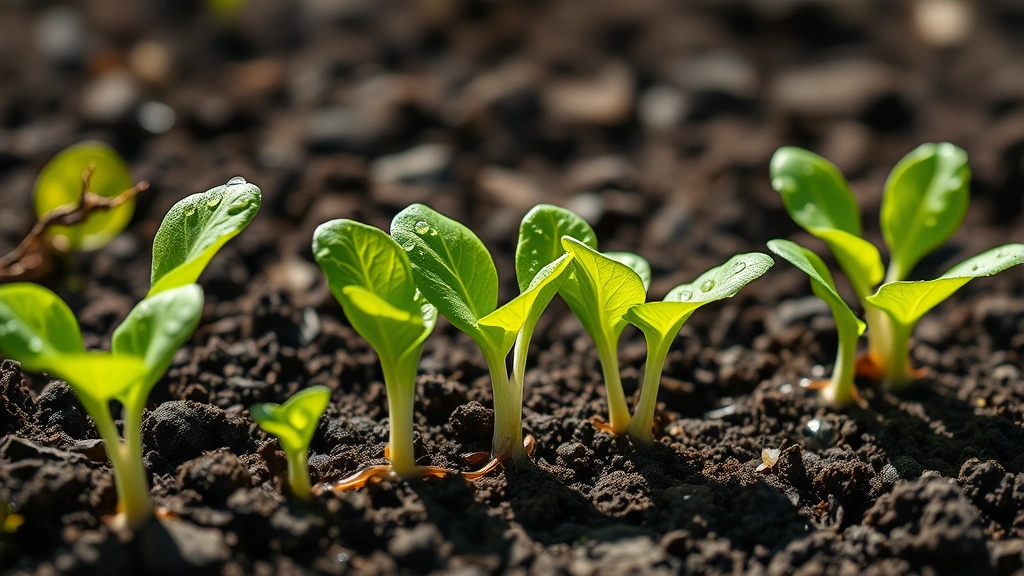
Boost Lettuce Growth? Expert Gardener Tips for Maximum Yields
Growing lettuce successfully requires more than just planting seeds and hoping for the best. Like personal development, cultivating growth in your garden demands intentional strategies, consistent care, and a willingness to learn from expert guidance. Whether you’re a seasoned gardener or just beginning your horticultural journey, understanding the science behind lettuce plant growth will transform your harvests and deepen your connection to the food you eat.
Lettuce is one of the most rewarding vegetables to grow because it responds quickly to proper care, provides visible results within weeks, and offers multiple varieties to experiment with. The challenge many gardeners face isn’t whether lettuce can grow—it’s how to optimize conditions so each plant reaches its full potential. This comprehensive guide draws from agricultural research and expert practices to help you achieve exceptional lettuce growth regardless of your climate or experience level.
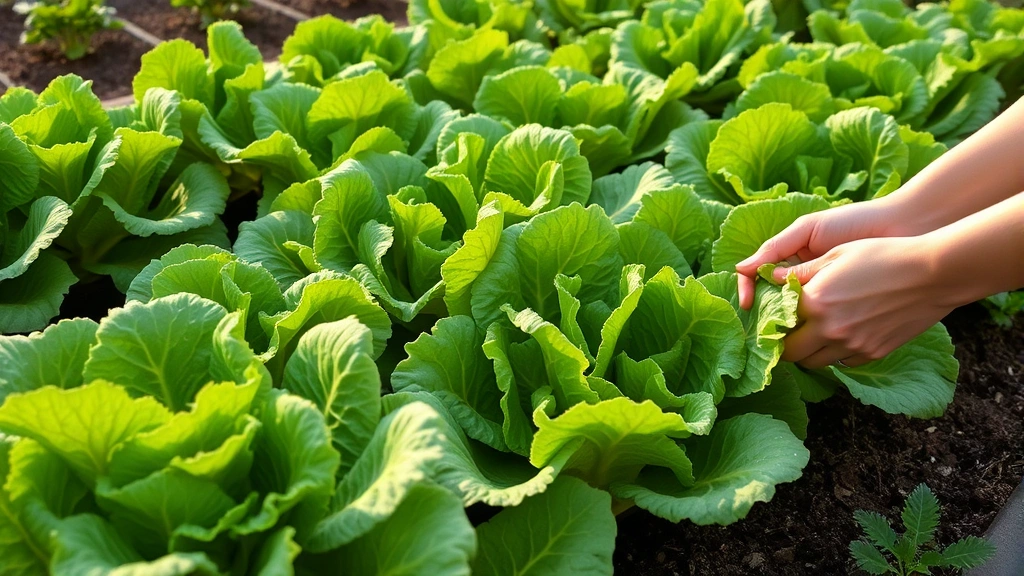
Soil Foundation: The Invisible Root of Success
The journey to exceptional lettuce plant growth begins beneath the surface, in the soil where roots establish their foundation. Lettuce thrives in well-draining soil rich in organic matter, with a pH range between 6.0 and 7.0. Unlike some vegetables that tolerate poor soil conditions, lettuce demands nutrient-dense growing medium from the start.
Expert gardeners prioritize soil preparation months before planting. Incorporate 2-3 inches of compost or aged manure into the top 8-10 inches of soil. This amendment serves multiple purposes: improving water retention in sandy soils, enhancing drainage in clay soils, and providing slow-release nutrients that feed lettuce throughout its growth cycle. The organic matter also promotes beneficial microbial communities that protect roots from pathogens while improving nutrient availability.
Consider conducting a soil test through your local agricultural extension office. This growth-oriented approach to gardening provides specific nutrient recommendations tailored to your soil’s unique composition. Many gardeners discover their soil lacks specific micronutrients like boron or molybdenum, which directly impact lettuce growth rates and leaf quality. A $20-30 soil test can prevent months of frustration and poor yields.
For container gardening, use premium potting mix rather than garden soil. Garden soil compacts in containers, restricting root development and water drainage. Quality potting mixes contain perlite, peat moss, and compost in ratios specifically designed for container cultivation. Lettuce grown in containers requires replenishing nutrients more frequently since water drainage removes soluble nutrients faster than in ground gardens.
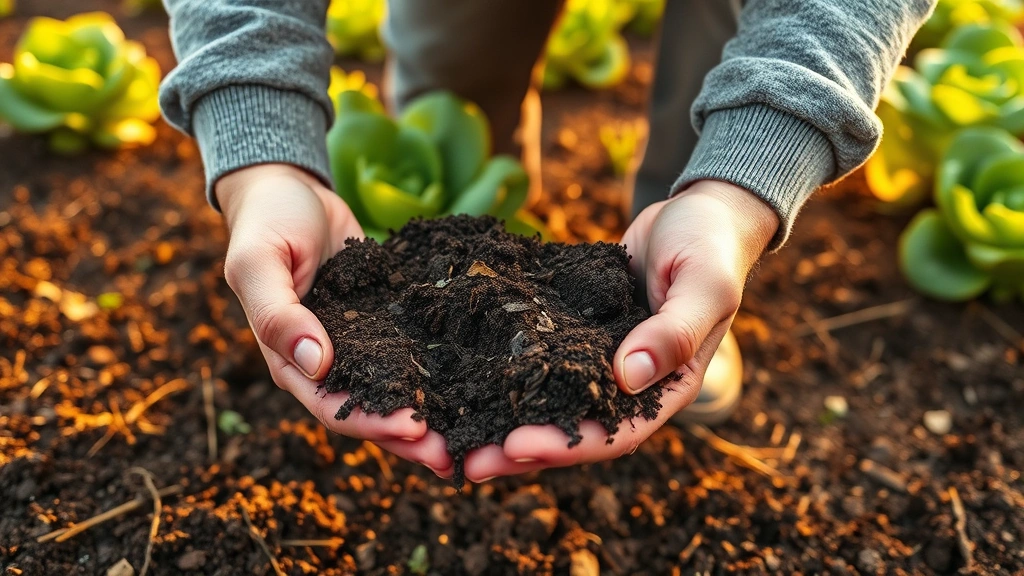
Light Requirements and Photoperiodism
Lettuce is a cool-season crop with specific light requirements that directly influence growth speed, leaf quality, and bolting behavior. Most lettuce varieties need 12-14 hours of light daily for optimal photosynthesis and growth. However, excessive heat from intense afternoon sun triggers bolting—the plant’s premature flowering response that makes leaves bitter and ends harvest.
Spring and fall gardening naturally provides ideal conditions: moderate temperatures combined with adequate daylight hours. Summer lettuce cultivation requires strategic shade management. Use 30-50% shade cloth during peak heat months, or position plants where they receive morning sun but afternoon shade from taller plants or structures. This approach maintains photosynthetic activity while preventing heat stress that accelerates bolting.
Understanding photoperiodism and environmental responses reveals why timing matters profoundly. Some lettuce varieties are photoperiod-sensitive, meaning day length triggers flowering. Buttercrunch and Romaine varieties bolt more readily under long summer days, while heat-tolerant varieties like Jericho and Salvius maintain quality during challenging seasons.
Indoor gardening with LED grow lights offers precise control over light duration and intensity. Position full-spectrum LED panels 6-12 inches above lettuce plants, providing 14-16 hours of light daily. This method eliminates seasonal limitations and produces exceptional results, though it requires initial equipment investment. Many home gardeners find the consistent harvests justify the setup cost.
Water Management Strategies
Water represents the most critical daily variable in lettuce cultivation. The plant is approximately 95% water, yet overwatering causes more failures than underwatering. The goal is maintaining consistently moist soil—neither soggy nor dry.
Proper watering frequency depends on multiple factors: soil type, air temperature, humidity, container size, and growth stage. Seedlings require gentle, frequent watering to prevent soil surface drying. Established plants need 1-1.5 inches of water weekly, delivered through drip irrigation or soaker hoses rather than overhead sprinklers. Overhead watering wets foliage, creating conditions for fungal diseases like powdery mildew and damping-off.
Early morning watering proves superior to evening irrigation. Morning watering allows foliage to dry quickly, reducing disease pressure. It also ensures plants have adequate moisture through the hottest part of the day. Check soil moisture by inserting your finger 1-2 inches deep; if soil feels dry at this depth, water thoroughly until moisture reaches the entire root zone.
Mulching significantly improves water retention and temperature stability. Apply 1-2 inches of straw or compost around plants (keeping mulch away from stems). Mulch reduces surface evaporation by 30-50%, meaning less frequent watering while maintaining consistent soil moisture. This strategy becomes particularly valuable during hot spells when daily watering might otherwise be necessary.
Container gardening requires more frequent watering than in-ground gardens. Containers lose moisture through all surfaces, not just the top. During hot weather, container lettuce may need daily watering. Use containers with drainage holes and saucers to prevent waterlogging while maintaining accessible moisture for roots.
Temperature Control and Seasonal Timing
Temperature profoundly influences lettuce plant growth rate, leaf quality, and crop duration. Lettuce germinates best at 60-70°F and grows optimally between 55-70°F. This cool-season preference makes lettuce ideal for spring and fall gardening in most climates.
Understanding your local frost dates and growing season enables strategic planting. Spring lettuce can be planted 2-4 weeks before the last frost date—it tolerates light frosts (down to 28°F) without significant damage. Fall lettuce should be planted 8-10 weeks before the first anticipated frost, allowing adequate growth time before cold weather.
Temperature management during growth stages affects both speed and quality. Cooler temperatures (55-65°F) slow growth slightly but produce tender, flavorful leaves with superior color. Warmer temperatures (70-75°F) accelerate growth but reduce quality and trigger bolting more readily. This tension between speed and quality requires balancing your harvest timeline with seasonal conditions.
Winter gardening in mild climates extends your harvest season dramatically. Cold frames, row covers, and low tunnels protect lettuce from freezing temperatures while maintaining growth. In regions with consistent mild winters (USDA zones 8-10), lettuce grows year-round with proper timing. Many experts consider winter lettuce superior in flavor because cool temperatures concentrate sugars and reduce bitterness.
Summer lettuce cultivation demands heat tolerance. Plant heat-resistant varieties 8-10 weeks before summer’s peak heat. Harvest before temperatures consistently exceed 75°F. Alternatively, take a summer break from lettuce cultivation and resume fall planting when temperatures moderate. This approach prevents frustration and ensures quality harvests aligned with sustainable growth practices.
Nutrient Optimization for Vigorous Growth
Lettuce requires balanced nutrition to develop robust leaf growth and maintain nutritional density. While soil preparation provides foundational nutrients, supplemental feeding during growth optimizes results. Lettuce is a leafy vegetable demanding nitrogen for chlorophyll production and leaf expansion, yet excessive nitrogen produces soft, weak plants susceptible to pests.
Apply balanced fertilizer (such as 10-10-10 NPK) at half-strength every 2-3 weeks once plants develop 4-6 true leaves. Alternatively, use fish emulsion or seaweed extract, which provide trace minerals and growth hormones alongside primary nutrients. Organic gardeners often use compost tea—liquid extracted from finished compost—which delivers beneficial microorganisms alongside nutrients.
Micronutrient deficiencies sometimes appear as stunted growth or unusual leaf coloration despite adequate macronutrient supply. Iron deficiency causes yellowing between leaf veins; calcium deficiency creates tip burn on young leaves. Foliar feeding with diluted micronutrient solutions addresses these issues quickly. Spray plants in early morning or late evening, avoiding midday heat that can cause leaf burn.
Hydroponic and soilless systems require precise nutrient management since no soil provides buffering. Use complete hydroponic nutrient formulas specifically balanced for leafy greens. Monitor electrical conductivity (EC) and pH regularly, adjusting solutions to maintain optimal ranges. This precision approach produces exceptional results but demands more active management than soil-based gardening.
Spacing and Plant Density
Plant spacing directly impacts individual lettuce growth rates, leaf size, and overall yield. Overcrowding reduces air circulation, increases disease pressure, and limits each plant’s access to light and nutrients. Conversely, excessive spacing wastes growing area and reduces total yield per square foot.
Optimal spacing depends on lettuce type and harvest method. Leaf lettuce varieties can be spaced 4-6 inches apart for frequent harvesting of outer leaves. Butterhead and Romaine varieties require 6-8 inches for head formation. Loose-leaf varieties harvested as baby greens can be planted at 2-3 inch spacing, harvested at 4-6 weeks before reaching full size.
High-density microgreens production uses different principles entirely. Microgreens are harvested at 1-2 weeks when plants are just 1-2 inches tall. Pack seeds densely on growing medium, providing just enough space that seedlings don’t severely shade each other. This intensive approach produces remarkable yields from minimal space.
Succession planting optimizes space utilization over entire seasons. Rather than planting all lettuce simultaneously, plant small batches every 2-3 weeks. As early plantings are harvested, space becomes available for new seedlings. This system ensures continuous harvest and prevents feast-or-famine scenarios where entire crops mature simultaneously.
Pest and Disease Management
Healthy lettuce plants resist pests and diseases more effectively than stressed plants. This principle aligns with broader growth dynamics where strong foundations prevent problems. Proper watering, spacing, light, and nutrition create vigorous plants naturally resistant to common issues.
Aphids represent the most common lettuce pest, clustering on new growth and transmitting viruses. Strong water spray dislodges aphids; repeat every 2-3 days. Neem oil or insecticidal soap provide organic control. Encourage beneficial insects like ladybugs and lacewings by planting flowers nearby—these predators consume hundreds of aphids weekly.
Slugs and snails cause distinctive holes in lettuce leaves, particularly during wet conditions. Hand-picking at dusk removes significant populations. Copper tape around container rims deters slugs. Beer traps (shallow containers with beer buried at soil level) attract and drown slugs. Diatomaceous earth (food-grade) creates barriers that damage soft-bodied pests.
Fungal diseases including powdery mildew and damping-off thrive in humid conditions with poor air circulation. Prevent these issues through proper spacing, drip irrigation, morning watering, and adequate airflow. Remove infected leaves promptly. Sulfur dust or potassium bicarbonate fungicides provide organic control when prevention fails.
Lettuce mosaic virus, transmitted by aphids, causes mottled, distorted leaves and stunted growth. No cure exists; remove infected plants immediately to prevent spread. Choose resistant varieties when available. Controlling aphid populations is the primary virus prevention strategy.
Harvesting and Succession Planting
Proper harvesting technique encourages continued growth and extends harvest periods. Leaf lettuce reaches harvestable size (4-6 inches) in 30-40 days. Harvest outer leaves when 3-4 inches long, leaving inner leaves and growing crown intact. Plants continue producing new leaves for weeks, providing multiple harvests from single plantings.
Head lettuce requires different timing. Butterhead and Romaine varieties need 45-60 days to form compact heads. Harvest entire plants by cutting at soil level once heads feel firm. This approach opens space for succession plantings.
Baby leaf lettuce, harvested at 2-4 inches height within 20-30 days, offers rapid turnover and tender texture. This method works exceptionally well in containers and small gardens. Cut entire plants just above soil level with scissors or sharp knife.
Timing morning harvests maximizes crispness and nutritional content. Lettuce harvested in early morning, when plants are fully hydrated and temperatures are cool, maintains quality longest in storage. Harvest immediately before use when possible for maximum nutrition and flavor.
Succession planting ensures continuous harvest throughout seasons. Plant new lettuce every 2-3 weeks starting in early spring. Continue through summer with heat-tolerant varieties in shaded locations. Resume regular planting in late summer for fall harvest. Winter planting in mild climates extends the season further. This approach requires planning but eliminates gaps in your fresh supply.
FAQ
How long does lettuce take to grow from seed to harvest?
Leaf lettuce varieties mature in 30-40 days. Head lettuce requires 45-60 days. Baby leaf lettuce harvested at 2-4 weeks offers the fastest turnaround. Growth speed varies with temperature, light, nutrients, and variety—cooler conditions slow growth while warmer temperatures (below 75°F) accelerate it.
Can you grow lettuce indoors year-round?
Yes, LED grow lights and controlled environments enable year-round indoor lettuce cultivation. Provide 14-16 hours of light daily, maintain temperatures between 55-70°F, ensure proper ventilation, and manage humidity around 50-70%. This method eliminates seasonal limitations and provides consistent harvests regardless of outdoor conditions.
What’s the best fertilizer for lettuce plant growth?
Balanced fertilizers (10-10-10 NPK) applied at half-strength every 2-3 weeks support healthy growth. Organic options include fish emulsion, seaweed extract, and compost tea. Avoid excessive nitrogen, which produces soft, weak plants. Micronutrient solutions address specific deficiencies if they appear.
Why does lettuce bolt and how do you prevent it?
Bolting—premature flowering—occurs when temperatures exceed 75°F consistently or day length exceeds 14 hours. Prevent bolting by planting cool-season varieties in spring and fall, using shade cloth during summer heat, and selecting heat-tolerant varieties. Harvest promptly when plants show any bolting signs.
Is it better to water lettuce with sprinklers or drip irrigation?
Drip irrigation or soaker hoses prove superior to overhead sprinklers. Drip systems deliver water directly to soil, preventing wet foliage that encourages fungal diseases. They also reduce water waste and allow more consistent moisture management. If sprinklers are your only option, water early morning before temperatures rise.
How much space does lettuce need to grow properly?
Leaf lettuce needs 4-6 inches between plants. Head lettuce requires 6-8 inches. Baby greens can be planted at 2-3 inch spacing for dense harvesting. Proper spacing ensures adequate light, nutrients, water, and air circulation—all critical for vigorous growth and disease prevention.
Can you regrow lettuce from scraps?
Yes, Romaine and Butterhead lettuce can be regrown from stumps. Place cut ends in shallow water on a sunny windowsill. Roots develop in 3-5 days, followed by new leaf growth. Once roots establish, transplant to soil for continued growth. This method works well for classroom demonstrations and produces usable lettuce within 2-3 weeks.


