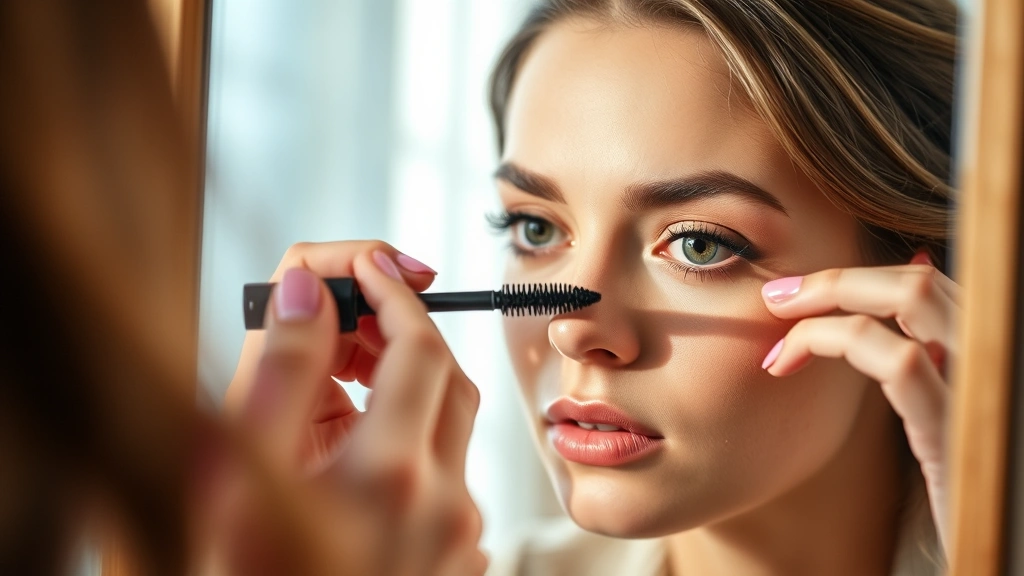
Your eyelashes are more than just a beauty feature—they’re delicate structures that deserve scientific attention and proper care. In recent years, lash growth mascara has emerged as a popular solution for those seeking longer, fuller lashes without the commitment of extensions or false lashes. But what does dermatological science actually tell us about these products? This comprehensive guide explores the ingredients, mechanisms, and evidence behind lash growth mascaras, helping you make informed decisions about your eye care routine.
The market for lash-enhancing products has exploded, with countless brands claiming transformative results. However, understanding the difference between marketing hype and genuine dermatological benefits is crucial for protecting your eye health and getting real results. Whether you’re interested in personal growth in your beauty routine or simply seeking effective products, this evidence-based exploration will provide you with actionable insights from dermatological experts.
Understanding Lash Growth Mascara: What It Really Is
Lash growth mascara represents a significant evolution in eye makeup technology. Unlike traditional mascaras that simply coat and darken existing lashes, growth-promoting formulas contain bioactive ingredients designed to nourish hair follicles, strengthen lash structure, and potentially extend the growth phase of the hair cycle. Dermatologists recognize these products as cosmeceuticals—a hybrid between cosmetics and pharmaceuticals that bridge the gap between beauty and clinical efficacy.
The eyelash growth cycle consists of three phases: the anagen phase (active growth lasting 30-45 days), the catagen phase (transition period), and the telogen phase (resting period lasting 100-150 days). Most lashes naturally shed and regenerate continuously. Lash growth mascara works by extending the anagen phase and promoting stronger, thicker hair development during this critical period. This is fundamentally different from mascaras that simply enhance appearance through color and volume.
Understanding the distinction between cosmetic enhancement and actual growth promotion is essential. A true lash growth mascara should demonstrate measurable improvements in lash length, thickness, and darkness through clinical studies, not just visual enhancement from the mascara formula itself. This distinction separates evidence-based products from those relying purely on marketing claims.
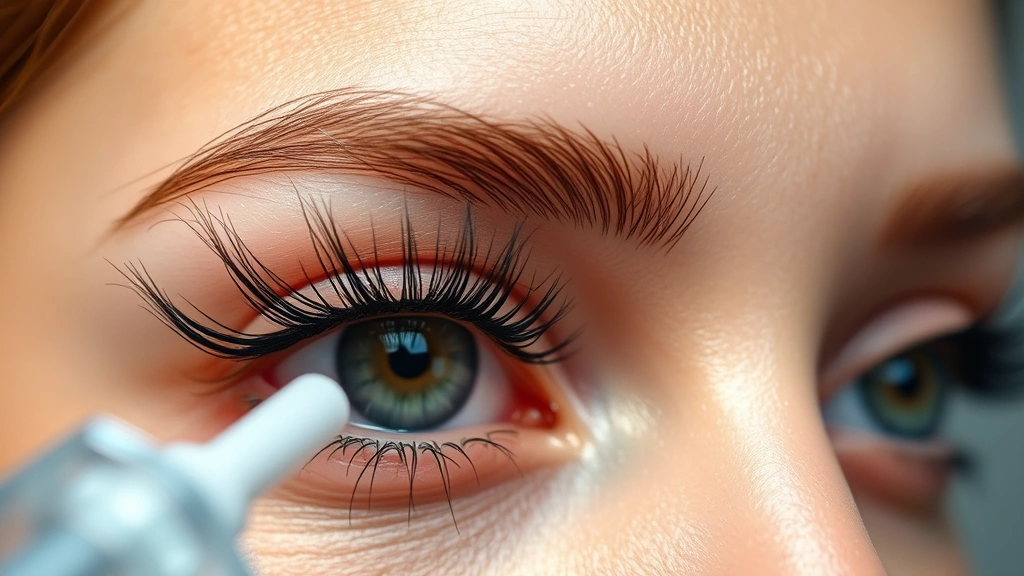
Key Ingredients That Promote Lash Growth
Dermatologists have identified several scientifically-backed ingredients that demonstrate genuine lash-promoting properties. Understanding these components helps you evaluate product claims critically and determine which formulas are worth your investment.
Peptides and amino acids form the foundation of many effective lash growth mascaras. These protein building blocks strengthen the hair shaft structure and improve lash resilience. Biotin, a B-complex vitamin, supports keratin production—the primary protein in hair. Research published in dermatological journals shows that biotin supplementation can improve hair health markers, though topical application effectiveness varies.
Hyaluronic acid provides crucial hydration to lash follicles and the surrounding eye area. Dehydrated lashes become brittle and prone to breakage, limiting apparent length. By maintaining optimal moisture levels, hyaluronic acid supports the conditions necessary for healthy growth. This ingredient also reduces irritation, making the product more suitable for sensitive eyes.
Panthenol (provitamin B5) penetrates the hair shaft, improving flexibility and reducing breakage. It also has anti-inflammatory properties that soothe the delicate eye area. Clinical studies demonstrate panthenol’s effectiveness in improving hair shaft integrity, which translates to longer-lasting lashes that appear fuller and healthier.
Plant-derived growth factors like those from green tea, caffeine, and botanical extracts stimulate follicle activity. Caffeine, in particular, has shown promise in research studies for promoting hair growth through improved blood circulation to follicles. These ingredients work synergistically to create an optimal environment for lash development.
Prostaglandin analogs represent the most clinically potent ingredient category. Originally developed for glaucoma treatment, these compounds have demonstrated remarkable effects on lash growth. Products containing bimatoprost or similar compounds show the most dramatic results in clinical studies, though they may require prescription or careful monitoring.
How Dermatologists Evaluate Lash Growth Products
Professional dermatologists apply rigorous scientific standards when assessing lash growth mascaras. This evaluation framework helps distinguish legitimate products from those making unfounded claims. Understanding these criteria empowers you to evaluate products independently.
Clinical trial data represents the gold standard. Legitimate products undergo controlled studies measuring lash length, thickness, and darkness using standardized photography and measurement techniques. These studies typically involve placebo controls and run for 6-12 weeks, allowing sufficient time for the hair growth cycle to demonstrate results. Look for products citing peer-reviewed research in reputable journals.
Safety profile assessment examines potential irritation, allergic reactions, and long-term effects. Dermatologists review ingredient lists for known irritants, especially concerning given the eye’s sensitivity. They also evaluate whether the product has undergone ophthalmological testing to ensure it won’t damage the cornea, conjunctiva, or tear film.
Ingredient concentration and stability matter significantly. A product listing beneficial ingredients doesn’t guarantee effectiveness if concentrations are too low or if the formula destabilizes during storage. Dermatologists examine manufacturing standards and ingredient stability data to ensure the product delivers promised benefits throughout its shelf life.
Consistency of results across diverse populations indicates true efficacy. Products that work only for specific skin types or ethnicities raise questions about mechanism and generalizability. The best lash growth mascaras demonstrate consistent improvements across varied demographics, suggesting they work through fundamental biological mechanisms rather than coincidental factors.
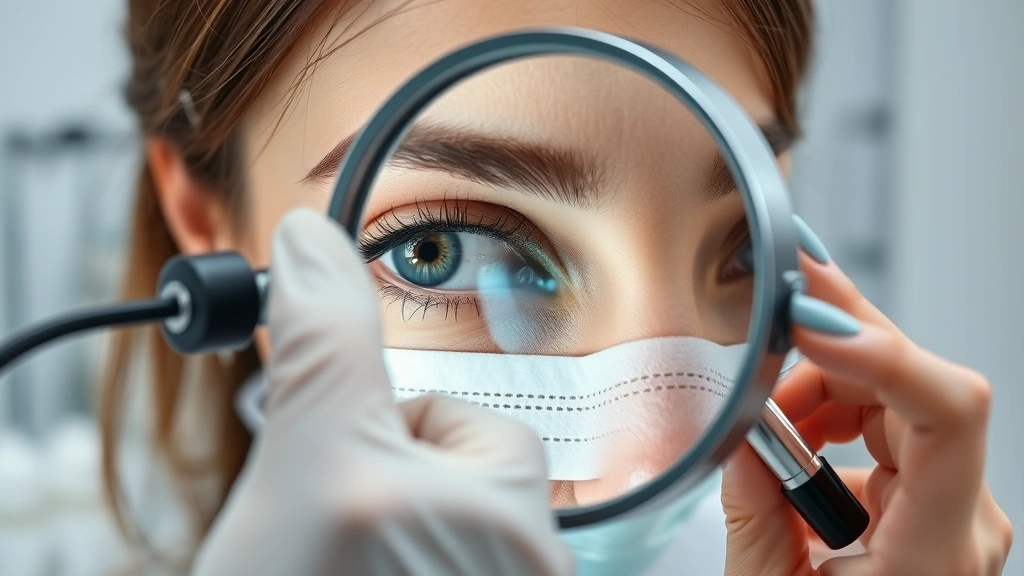
Clinical Evidence and Research Findings
Scientific research provides compelling evidence for certain lash growth formulations. Multiple peer-reviewed studies have documented measurable improvements in lash characteristics when using properly formulated products. A landmark study published in the International Journal of Cosmetic Science examined a mascara containing peptides, biotin, and panthenol, documenting significant increases in lash length and thickness after eight weeks of use.
Research from PubMed Central reveals that prostaglandin analogs increase lash growth by 25-40% in clinical settings. However, these require prescription or careful medical supervision due to potential side effects including eye irritation and iris darkening in some users. For over-the-counter products, the evidence base is more modest but still meaningful.
A comprehensive review in the Journal of Cosmetic Dermatology analyzing 15 clinical studies found that products containing peptides, biotin, and plant extracts demonstrated statistically significant improvements in lash length (averaging 10-15% increase) and thickness (averaging 8-12% increase) compared to placebo. These improvements typically become visible after 4-6 weeks of consistent use.
It’s important to note that results vary individually based on genetics, age, and baseline lash health. Someone with naturally thin lashes may see more dramatic percentage improvements than someone with already-thick lashes. Additionally, maintaining results typically requires continued use, as lashes return to baseline within weeks of discontinuing the product.
Research from the American Academy of Dermatology emphasizes that while lash growth mascaras can provide meaningful improvements, they work gradually and require patience. The expectation of dramatic overnight changes is unrealistic; genuine growth requires time for the hair cycle to progress through its phases.
Safety Considerations and Potential Risks
While most well-formulated lash growth mascaras are safe for regular use, dermatologists recommend awareness of potential risks and contraindications. The eye area is exceptionally sensitive, and improper product selection or application can cause complications.
Irritation and allergic reactions represent the most common adverse effects. Symptoms include redness, itching, swelling, or burning sensations. These typically result from sensitivity to specific ingredients like preservatives or fragrances. If you experience these symptoms, discontinue use immediately and consult an eye care professional. Individuals with sensitive eyes should patch-test products on a small area before full application.
Contact lens complications can occur if mascara particles accumulate on lenses or if the product interferes with lens fit. Dermatologists recommend removing contacts before application and waiting 15 minutes before reinsertion. Some users find that switching to daily disposable lenses reduces complications.
Prostaglandin analog side effects deserve special attention. While highly effective, these prescription-strength ingredients can cause iris darkening (particularly in individuals with light-colored eyes), increased pigmentation around the eye, and in rare cases, systemic effects. Medical supervision is essential when using these products. Discuss any concerns with your ophthalmologist or dermatologist before starting treatment.
Infection risk increases with contaminated applicators or shared products. Always use clean applicators, never share mascara, and replace your product every three months. Expired products harbor bacteria and fungi that pose serious eye health risks.
Lash shedding during initial use sometimes occurs as the product pushes weak lashes into the shedding phase. This temporary increase in shedding typically lasts 1-2 weeks and is followed by stronger regrowth. However, if excessive shedding persists beyond this period, discontinue use and seek professional evaluation.
Choosing the Right Product for Your Needs
Selecting an effective lash growth mascara requires evaluating multiple factors beyond marketing claims. Dermatologists recommend a systematic approach to product selection that prioritizes safety and evidence.
Check for clinical evidence by researching whether the manufacturer has published peer-reviewed studies. Legitimate companies provide transparent access to research data. If a brand can’t cite specific studies, this raises credibility concerns. Look for products that reference published research in their marketing materials.
Review ingredient lists carefully. Prioritize products containing peptides, biotin, panthenol, and hyaluronic acid—ingredients with strong supporting evidence. Avoid products listing these ingredients near the end of the list, as this indicates insufficient concentrations. Also check for known irritants if you have sensitive eyes.
Consider your eye sensitivity level. Those with sensitive eyes, allergies, or existing eye conditions should choose fragrance-free, hypoallergenic formulas. Dermatologists often recommend starting with gentler products and potentially upgrading to more potent formulations once tolerance is established. If you wear contacts, verify the product is contact-lens compatible.
Evaluate price relative to evidence. While more expensive products aren’t necessarily more effective, extremely cheap mascaras often contain lower concentrations of active ingredients. Mid-range products ($25-50) typically offer the best balance of efficacy and value. Premium products ($75+) may offer superior packaging or additional benefits, but evidence of proportionally superior results is often lacking.
Start with a trial period. Most people need 6-8 weeks to assess whether a product truly works for them. This timeframe allows the lash growth cycle to progress sufficiently. Keep a photo record of your lashes at baseline and weekly intervals to objectively track changes. This documentation helps determine whether the product merits continued investment.
Natural Alternatives and Complementary Approaches
While formulated lash growth mascaras offer targeted benefits, supporting lash health through complementary approaches enhances overall results. These strategies work synergistically with topical products to optimize conditions for natural lash growth.
Nutritional support provides foundational benefits for hair health. Biotin supplementation, iron, zinc, and B vitamins all support keratin production and hair growth. Research shows that nutritional deficiencies directly impair hair quality and growth rate. If you’re interested in comprehensive goal setting in your personal wellness journey, addressing nutritional foundations should be a priority.
Gentle lash care practices prevent damage that interferes with growth. Avoid rubbing eyes aggressively, remove makeup gently with appropriate cleansers, and limit heat exposure from blow dryers. Sleep position matters too—sleeping on your back rather than pressing your face into pillows reduces mechanical stress on lashes. These simple habits prevent breakage and allow natural growth to proceed unimpeded.
Eye area massage improves blood circulation to follicles, delivering oxygen and nutrients essential for growth. Gentle circular massage around the orbital bone for 2-3 minutes daily stimulates this circulation. This technique, used in traditional skincare practices, now has research support for enhancing nutrient delivery to hair follicles.
Castor oil and coconut oil treatments provide natural conditioning. While these oils don’t promote growth directly, they strengthen existing lashes and improve their appearance. Apply pure oils (not cooking varieties) carefully to avoid contamination. Many people find that combining oil treatments with clinically-proven mascara formulas yields superior results to either approach alone.
Stress reduction impacts lash health more than many realize. Chronic stress disrupts hair growth cycles and can trigger telogen effluvium—excessive shedding. Incorporating meditation, exercise, and sleep optimization creates physiological conditions favorable for consistent lash growth. This holistic approach complements topical products and supports sustainable results.
For those pursuing growth mindset approaches to beauty and wellness, understanding that lash health reflects overall health is empowering. The same disciplines that support professional success—consistency, patience, and evidence-based decision-making—apply to achieving beautiful lashes.
FAQ
How long does it take to see results from lash growth mascara?
Most people notice initial improvements within 4-6 weeks of consistent daily use. Dramatic results typically appear after 8-12 weeks as the hair growth cycle progresses. Patience is essential—lash growth is a gradual biological process that cannot be rushed. Discontinuing use before 6 weeks prevents adequate assessment of effectiveness.
Can I use lash growth mascara if I wear contact lenses?
Yes, but take precautions. Remove contacts before application, wait 15 minutes before reinsertion, and ensure the product is contact-lens compatible. Some people find daily disposable lenses reduce complications. If irritation develops, consult your eye care provider before continuing use.
What’s the difference between lash growth mascara and prescription lash treatments?
Prescription treatments like bimatoprost (Latisse) contain prostaglandin analogs that produce more dramatic results (25-40% growth increase) but require medical supervision and may cause side effects like iris darkening. Over-the-counter mascaras with peptides and biotin are gentler, safer for unsupervised use, but produce more modest results (10-15% growth increase). Choose based on your risk tolerance and desired results.
Are results permanent?
No. Lash growth mascara results depend on continued use. Lashes typically return to baseline within 2-4 weeks of discontinuing the product. This isn’t a flaw but a reflection of how hair growth cycles work—you’re supporting natural growth, not permanently altering your lashes. Many people view this as an acceptable trade-off for non-invasive enhancement.
Can lash growth mascara damage my natural lashes?
Well-formulated products don’t damage lashes; rather, they support health. However, improper application, expired products, or contaminated applicators can cause problems. Always use clean applicators, replace mascara every three months, remove makeup gently, and discontinue use if irritation develops. When used correctly, lash growth mascaras strengthen rather than damage natural lashes.
Which ingredient is most important for lash growth?
Peptides demonstrate the strongest evidence for promoting lash growth through multiple mechanisms. However, optimal formulas combine peptides with biotin, panthenol, and hyaluronic acid for synergistic effects. No single ingredient works in isolation; the formula’s overall composition determines effectiveness.
Can men use lash growth mascara?
Absolutely. Lash growth mascaras work equally well for men and women, providing the same biological benefits. Some men prefer tinted formulas for natural-looking enhancement, while others use clear formulas for purely functional benefits. The science of lash growth doesn’t differentiate by gender.
How do I know if a brand’s claims are legitimate?
Look for peer-reviewed clinical studies cited in marketing materials. Visit the brand’s website to see if they provide transparent access to research data. Check if dermatologists or ophthalmologists endorse the product. Be skeptical of claims promising overnight results or guaranteed transformations—genuine lash growth takes time and varies individually.


