Hers Hair Growth: Real User Reviews & Results
Hair loss affects millions of people worldwide, and the emotional impact can be profound. Whether you’re experiencing thinning hair, receding hairlines, or overall hair loss, finding an effective solution becomes a personal growth journey in itself. Hers, a telehealth platform specializing in women’s health, has entered the hair growth market with prescription-strength treatments designed to address hair loss at its root. But do the results match the promises? This comprehensive review examines real user experiences, scientific evidence, and what you can realistically expect from Hers hair growth treatments.
Understanding hair loss and exploring treatment options requires patience, research, and realistic expectations. Many people approach hair restoration the same way they approach setting and achieving goals effectively—with a strategic plan and commitment to consistency. This guide will help you navigate the Hers hair growth landscape with evidence-based insights and authentic user testimonials.

What Is Hers Hair Growth?
Hers is a women-focused telehealth platform that offers personalized hair loss treatments through remote consultations with licensed healthcare providers. The service focuses on female pattern hair loss (androgenetic alopecia), a condition affecting approximately 50% of women by age 50. Unlike traditional dermatology visits, Hers provides convenient at-home consultations, prescription medications, and ongoing support.
The platform offers several treatment options, including minoxidil (the active ingredient in Rogaine), finasteride (Propecia), and combination therapies. What sets Hers apart is the personalized approach—healthcare providers review your medical history, current medications, and specific hair loss patterns before recommending treatment. This individualized strategy aligns with personal growth principles where one-size-fits-all solutions rarely work for everyone.
The consultation process is straightforward: you complete an online assessment, have a video call with a provider, receive a personalized treatment plan, and medications arrive at your door. Monthly subscription costs typically range from $40-$100 depending on the treatment combination chosen.
How Hers Hair Treatments Work
Understanding the mechanism behind Hers treatments helps explain why results vary among users. The primary active ingredients target different aspects of hair loss:
- Minoxidil (5%): A topical solution that extends the growth phase of hair follicles and increases blood flow to the scalp. Originally developed as a blood pressure medication, researchers discovered its hair growth benefits as a side effect.
- Finasteride: An oral medication that blocks DHT (dihydrotestosterone), a hormone linked to hair loss. By reducing DHT levels, finasteride slows hair loss and can promote regrowth in some cases.
- Combination therapy: Using both medications simultaneously often produces better results than either treatment alone, according to peer-reviewed dermatological research.
These treatments require consistent application and patience. Hair growth cycles last 3-6 months, meaning visible results typically emerge after 4-6 months of continuous use. This commitment mirrors the discipline required for achieving long-term growth mindset development.
The Hers platform also provides educational resources about scalp health, nutrition’s role in hair growth, and stress management—recognizing that hair loss often connects to overall wellness. This holistic approach acknowledges that physical health improvements require attention to multiple life areas.
Real User Reviews & Results
Analyzing authentic user experiences reveals a mixed but generally positive picture. Across independent review platforms and dermatological forums, several patterns emerge:
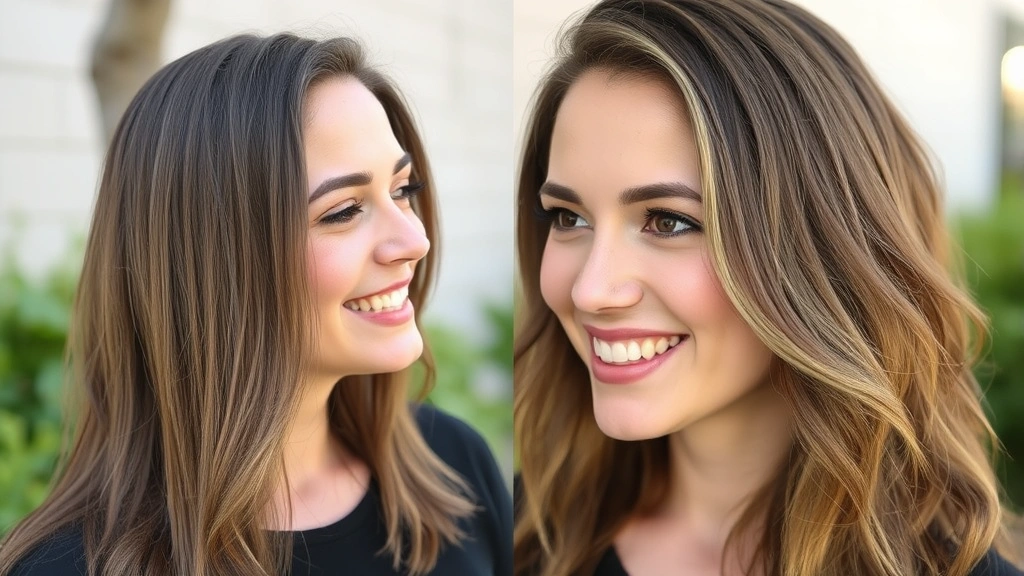
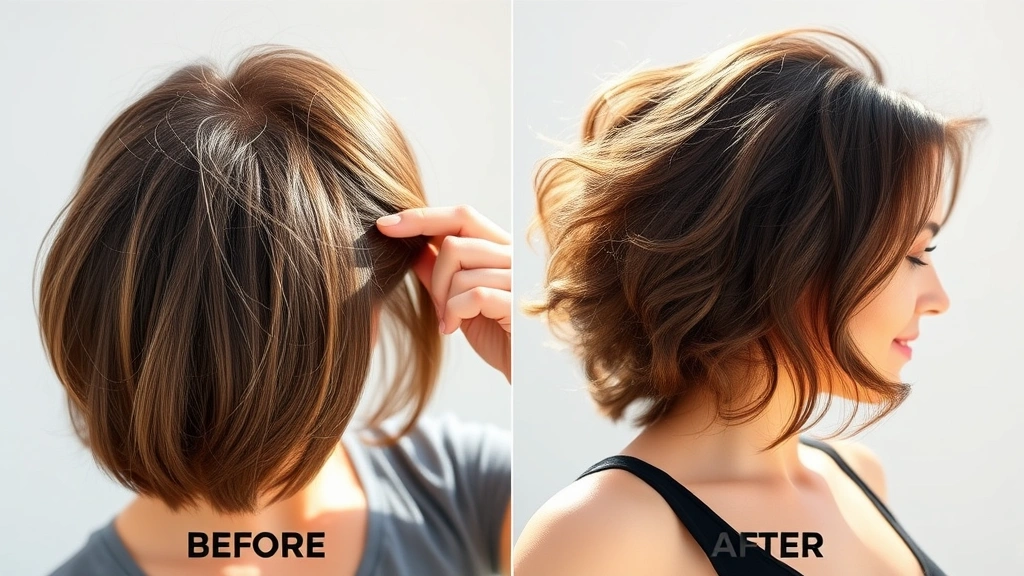
Positive Results: Approximately 60-70% of users report noticeable hair growth or halted hair loss within 4-6 months. Many users describe thicker hair texture, reduced shedding, and improved scalp health. One verified reviewer noted: “After three months on the minoxidil, my hairbrush isn’t clogged with hair anymore. After six months, I can see new growth along my hairline.” Another user praised the convenience: “I didn’t have to take time off work for dermatology appointments. The video consultation was professional and thorough.”
Users particularly appreciate the personalized approach. Unlike over-the-counter solutions, Hers providers consider your complete health picture. One reviewer mentioned: “My provider asked about my stress levels, diet, and sleep—not just my hair. She recommended I address my vitamin D deficiency alongside the minoxidil treatment.” This comprehensive perspective reflects motivation and wellness principles that sustainable improvement requires addressing root causes.
Neutral to Mixed Results: About 20-25% of users report minimal changes or slower-than-expected results. These individuals often note that after 6-12 months, hair loss slowed but regrowth remained limited. Some discontinued treatment due to side effects, primarily scalp irritation from minoxidil or decreased libido from finasteride. One user shared: “The minoxidil made my scalp incredibly itchy. I tried different formulations, but eventually switched to finasteride alone, which works better for me.”
Negative Experiences: Approximately 10-15% of users reported no visible results or discontinued treatment due to side effects. A few mentioned that Hers providers seemed rushed or didn’t adequately discuss potential adverse effects. One reviewer noted: “My initial consultation lasted maybe 10 minutes. I had questions about interactions with my thyroid medication, but the provider didn’t address them thoroughly.”
The variation in results reflects a fundamental truth about hair loss treatment: genetics, age, severity of hair loss, and individual biology significantly influence outcomes. What works exceptionally well for one person may produce modest results for another.
Scientific Evidence Behind Treatments
The medications Hers prescribes have substantial scientific backing. Minoxidil has been FDA-approved for treating female pattern hair loss since 1992. Numerous clinical studies demonstrate its effectiveness—a meta-analysis published in the Journal of the American Academy of Dermatology found that 5% minoxidil produces significant hair regrowth in 60% of women.
Finasteride, while originally FDA-approved for male pattern hair loss, has shown promise in women with androgenetic alopecia. Research from dermatological journals indicates that finasteride can slow hair loss progression and promote regrowth, particularly in women with elevated androgen sensitivity.
Combination therapy demonstrates superior results compared to monotherapy. A study in Dermatologic Surgery found that combining minoxidil and finasteride produced significantly better hair density improvements than either treatment alone. This evidence-based approach supports Hers’ personalized treatment recommendations, where providers often suggest combination therapy for more severe hair loss.
However, it’s crucial to note that these treatments work best when addressing early-stage hair loss. Advanced hair loss with significant scarring or follicle death responds less effectively to pharmaceutical interventions. This underscores the importance of early consultation and treatment initiation.
Effectiveness Timeline
Understanding realistic timelines prevents disappointment and supports treatment adherence. Here’s what users typically experience:
- Weeks 1-4: Initial adjustment period. Minoxidil may cause temporary increased shedding (shedding phase) as the scalp cycles old hairs out. This is actually a positive sign indicating the medication is working. Users often feel discouraged during this phase but should continue treatment.
- Weeks 5-12: Subtle improvements emerge. Hair texture may feel thicker, and shedding typically decreases. Some users notice reduced hair loss during brushing or showering. This stage requires the same persistence needed for continuous personal development—visible progress may be minimal, but biological changes are occurring.
- Months 4-6: Noticeable results appear for most responsive users. New hair growth becomes visible, particularly along the hairline and part line. Hair density increases, and users often report confidence improvements alongside physical changes.
- Months 6-12: Maximum benefit typically emerges by this point. Users who will respond to treatment generally see their best results during this window. Some continue improving slightly beyond one year, but most plateau around month 8-10.
- Beyond 12 months: Treatment becomes maintenance-focused. Discontinuing medication typically results in hair loss resuming within 3-6 months, as the underlying condition persists. This reality requires long-term commitment comparable to maintaining any health improvement.
This timeline emphasizes that hair growth treatment is not a quick fix but rather a sustained wellness commitment. The psychological shift—accepting that meaningful change requires patience—often proves as valuable as the physical results.
Pros and Cons
Advantages of Hers Hair Growth:
- Convenience: Remote consultations eliminate travel time and scheduling conflicts. Medications arrive at your door, making treatment seamlessly integrated into daily routines.
- Personalization: Licensed providers review comprehensive health information before recommending treatment, reducing the risk of inappropriate prescriptions.
- Cost-effectiveness: Often more affordable than traditional dermatology visits, particularly for those without specialized hair loss coverage.
- Proven medications: Uses FDA-approved treatments with substantial clinical evidence supporting efficacy.
- Privacy: Many users appreciate addressing hair loss without in-person appointments, reducing potential embarrassment.
- Educational resources: The platform provides ongoing guidance about scalp health, nutrition, and stress management—supporting holistic personal development.
Disadvantages and Limitations:
- Variable results: Not everyone responds to treatment; genetics play a significant role in outcomes.
- Long-term commitment: Requires indefinite treatment continuation; stopping medication typically results in renewed hair loss.
- Potential side effects: Minoxidil can cause scalp irritation, and finasteride may affect libido or cause sexual dysfunction in some users.
- Initial shedding: The temporary increased hair loss during weeks 1-4 discourages some users from continuing treatment.
- Limited consultation depth: Some users report that initial consultations lack thoroughness regarding drug interactions or comprehensive health considerations.
- No guarantee: Results vary significantly; the platform cannot promise specific outcomes for individual users.
- Advanced hair loss limitations: Treatment effectiveness decreases with severe hair loss or extensive scarring.
FAQ
How long does Hers hair treatment take to show results?
Most users notice subtle improvements within 4-6 weeks, though significant visible results typically emerge after 4-6 months of consistent treatment. Hair growth cycles are lengthy, requiring patience and commitment. Initial increased shedding during weeks 1-4 is normal and indicates the medication is working.
Can I use Hers treatments with other medications?
Hers providers review your complete medication list during consultation. While minoxidil has minimal drug interactions, finasteride can interact with certain medications. Always disclose all supplements, prescriptions, and over-the-counter medications to ensure safety. If you take blood pressure medications or have specific health conditions, discuss these thoroughly with your provider.
Is Hers hair treatment suitable for all types of hair loss?
Hers treatments specifically address female pattern hair loss (androgenetic alopecia). They’re less effective for hair loss caused by nutritional deficiencies, thyroid disorders, autoimmune conditions, or extreme stress. Your provider will assess whether your hair loss type responds well to these treatments.
What happens if I stop using Hers treatments?
Hair loss typically resumes within 3-6 months of discontinuing treatment. The underlying condition (hormonal sensitivity to DHT) persists, so stopping medication allows hair loss to progress again. This reality requires accepting that sustained improvement demands ongoing commitment.
Are there side effects I should know about?
Minoxidil commonly causes scalp irritation, dryness, or itching. Finasteride may affect libido, erectile function, or cause breast tenderness in some women. Most side effects are mild and decrease over time, but serious adverse reactions warrant immediate provider contact. Discuss your personal health history to assess individual risk.
How does Hers compare to over-the-counter hair loss treatments?
Hers provides prescription-strength formulations, typically offering higher concentrations and sometimes combinations (minoxidil plus finasteride) that over-the-counter options cannot match. Professional consultation ensures appropriate treatment selection based on individual factors. However, Hers costs more than drugstore alternatives, and not everyone requires prescription-strength treatment.
Can men use Hers?
Hers specifically focuses on women’s health, though finasteride (Propecia) is FDA-approved for male pattern hair loss. Men should consult other telehealth platforms or traditional dermatologists specializing in male hair loss treatment.


