Do Hair Masks Boost Growth? Dermatologist Insights on Efficacy and Science
Hair masks have become a staple in beauty routines worldwide, with countless products promising thicker, longer, and healthier hair. But do these treatments actually boost hair growth, or are they simply marketing hype? We’ve consulted dermatological research and expert opinions to separate fact from fiction, examining how hair masks work at the cellular level and whether they can genuinely accelerate growth cycles.
Understanding the science behind hair masks requires knowledge of hair biology, ingredient efficacy, and realistic expectations about what topical treatments can achieve. This comprehensive guide explores what dermatologists say about hair masks, their proven benefits, and how to incorporate them effectively into your hair care routine for optimal results.
How Hair Growth Actually Works
Before evaluating whether hair masks boost growth, it’s essential to understand the biological mechanisms governing hair development. Hair grows from the follicle, a complex structure beneath the scalp containing living cells called the bulb matrix. These cells divide and specialize to create the hair shaft, which is primarily composed of a protein called keratin.
The hair growth cycle consists of three main phases: the anagen phase (active growth lasting 2-7 years), the catagen phase (transition lasting 2-3 weeks), and the telogen phase (resting period lasting 2-3 months). During the anagen phase, cells in the bulb matrix divide rapidly, pushing the hair shaft upward. The length of this growth phase determines your maximum hair length, which is largely genetic.
Dermatologists emphasize that topical treatments, including hair masks, work primarily on the hair shaft itself rather than the follicle deep within the skin. This distinction is crucial: while masks cannot extend your anagen phase or directly stimulate growth-promoting hormones, they can significantly improve hair health, reduce breakage, and create conditions where existing growth appears more robust. A stronger, healthier hair shaft breaks less frequently, allowing you to retain length and achieve the appearance of faster growth.
The scalp microbiome and sebum production also influence hair health. Healthy scalp conditions support optimal follicle function, and certain mask ingredients can help balance pH, reduce inflammation, and provide nourishment that indirectly supports the growth environment.
What Dermatologists Say About Hair Masks
Leading dermatologists offer nuanced perspectives on hair masks. According to research published in the International Journal of Trichology, conditioning treatments can significantly improve hair tensile strength and elasticity, reducing breakage rates by up to 30-40%. While this isn’t technically accelerating growth, it preserves more of the hair you’re already growing.
Dr. Paradi Mirmirani, a board-certified dermatologist specializing in hair disorders, notes that hair masks serve a maintenance function rather than a growth-acceleration function. However, she emphasizes that this maintenance role is critically important for achieving longer, healthier hair. By reducing breakage and improving cuticle alignment, masks allow your natural growth to progress unimpeded.
The distinction between growth and retention is where many people misunderstand hair mask benefits. If you’re growing half an inch monthly but losing a quarter-inch to breakage, your net growth is only one-quarter inch. A quality hair mask that reduces breakage can effectively increase your net growth rate without changing your biological growth speed.
Dermatologists emphasize that results depend heavily on consistency and product selection. Weekly or bi-weekly mask treatments show measurable improvements in hair quality within 4-6 weeks, with optimal results appearing after 12 weeks of regular use. This timeline aligns with the natural hair growth cycle, allowing the benefits of improved scalp and hair shaft health to manifest across multiple growth phases.
When evaluating hair masks, dermatologists recommend looking for evidence-based ingredients rather than proprietary blends with unsubstantiated claims. The most scientifically supported components include proteins (keratin, collagen), natural oils (argan, coconut, jojoba), and botanical extracts with demonstrated conditioning properties.
Key Ingredients That Support Hair Health
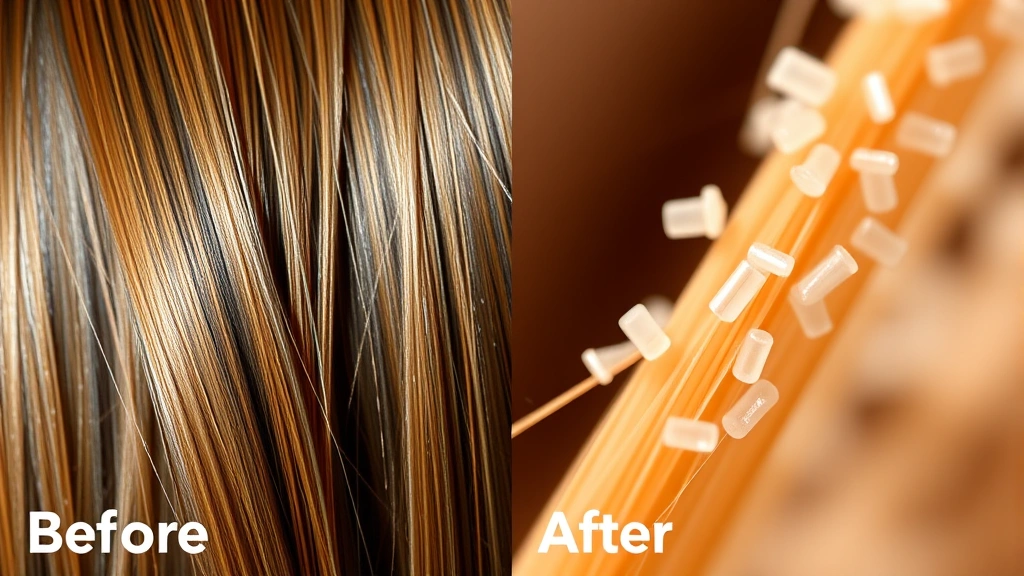
Understanding which ingredients actually deliver benefits helps you select masks that work. Proteins and amino acids are foundational because hair is primarily composed of keratin protein. When hair is damaged or porous, protein treatments fill gaps in the cuticle layer, improving strength and appearance. Research in the Journal of Cosmetic Dermatology demonstrates that protein-based masks reduce breakage and improve shine measurably within 2-3 applications.
Natural oils provide multiple benefits: they seal the cuticle layer, reduce water loss from the hair shaft, and deliver fatty acids that support scalp health. Argan oil contains vitamin E and antioxidants that protect against oxidative stress. Coconut oil penetrates the hair shaft more effectively than many alternatives, reducing protein loss during washing. Jojoba oil closely mimics scalp sebum, making it excellent for balancing oily or combination scalps.
Humectants like glycerin and panthenol draw moisture into the hair shaft and scalp. These ingredients are particularly valuable for dry, damaged, or curly hair types that struggle to retain hydration. Panthenol (provitamin B5) additionally strengthens hair and improves elasticity.
Botanical extracts including biotin, saw palmetto, and green tea provide antioxidant and anti-inflammatory benefits. While biotin’s role in hair growth is overstated in marketing, it does support keratin production and scalp health. Saw palmetto may help with scalp inflammation and sebum regulation, creating a healthier environment for follicles. Research from the Journal of Alternative and Complementary Medicine suggests botanical treatments can modestly improve hair quality metrics.
Conversely, dermatologists warn against certain ingredients. Sulfates can strip natural oils, silicones can build up causing brittleness, and alcohol-based formulations can over-dry hair. Understanding ingredient chemistry helps you avoid masks that promise benefits while actually damaging your hair long-term.
Comparing hair masks to the best shampoo for hair growth reveals that masks work synergistically with cleansing products. While shampoos remove buildup and prepare the scalp, masks deliver concentrated nourishment and repair. Together, they create an optimal hair care foundation.
Hair Masks vs. Other Growth Solutions
Hair masks represent one component of a comprehensive approach to hair health. Understanding how they compare to other interventions helps you allocate time and resources effectively. Unlike hair growth shampoo for women that you use daily, masks provide concentrated treatment on a weekly or bi-weekly basis.
Oral supplements like biotin, collagen, and specialized hair vitamins work systemically, providing nutrients that support hair growth from within. Clinical studies show modest benefits, particularly for people with documented nutrient deficiencies. Supplements address internal factors affecting hair health, while masks address external conditioning.
Scalp treatments focus on the growth environment itself. Serums and tonics containing growth-supporting ingredients (caffeine, niacinamide, peptides) directly target follicles. Research in Dermatology Practical & Conceptual indicates that scalp treatments can modestly influence the growth cycle, making them more directly growth-focused than masks.
Professional treatments like PRP therapy, microneedling, and laser therapy represent more intensive interventions with stronger evidence for actual growth acceleration. These work by stimulating follicle activity and increasing blood flow to the scalp. However, they require professional administration and greater financial investment.
Prescription options such as minoxidil (Rogaine) and finasteride (Propecia) have the strongest clinical evidence for promoting hair growth and preventing loss. These should be considered if you’re experiencing significant hair loss or have specific medical concerns.
Hair masks fit into this spectrum as a foundational maintenance tool. While they won’t produce dramatic growth acceleration like prescription medications, they’re non-invasive, affordable, and genuinely beneficial for hair quality. Most dermatologists recommend starting with optimized basic care (quality shampoo, masks, and scalp health) before investing in more intensive treatments.
Your approach should reflect your specific concerns. If you’re experiencing excessive shedding or thinning, consult a dermatologist to rule out underlying conditions. If you’re simply trying to grow longer, healthier hair, exploring comprehensive hair care strategies including consistent masking will deliver noticeable improvements within 12 weeks.
Creating Your Optimal Hair Care Protocol
Implementing hair masks effectively requires understanding your specific hair type and concerns. For dry or damaged hair, use intensive masks containing proteins and oils weekly. Leave them on for 15-20 minutes to allow ingredients to penetrate. Consider overnight masks once monthly for extra nourishment. This approach directly addresses breakage, the primary barrier to achieving length.
For oily or fine hair, lightweight masks with hydrating ingredients but minimal oils work best. Use them bi-weekly, focusing on mid-lengths and ends rather than roots. This prevents weighing down hair while still providing conditioning benefits. Look for masks containing panthenol or glycerin rather than heavy butters.
For curly or textured hair, moisture-intensive masks are essential because texture makes it harder for natural scalp oils to travel down the hair shaft. Weekly deep conditioning with leave-in options helps maintain definition and reduces frizz-related breakage. Protein-rich masks alternate with moisture masks, preventing protein overload while maintaining strength.
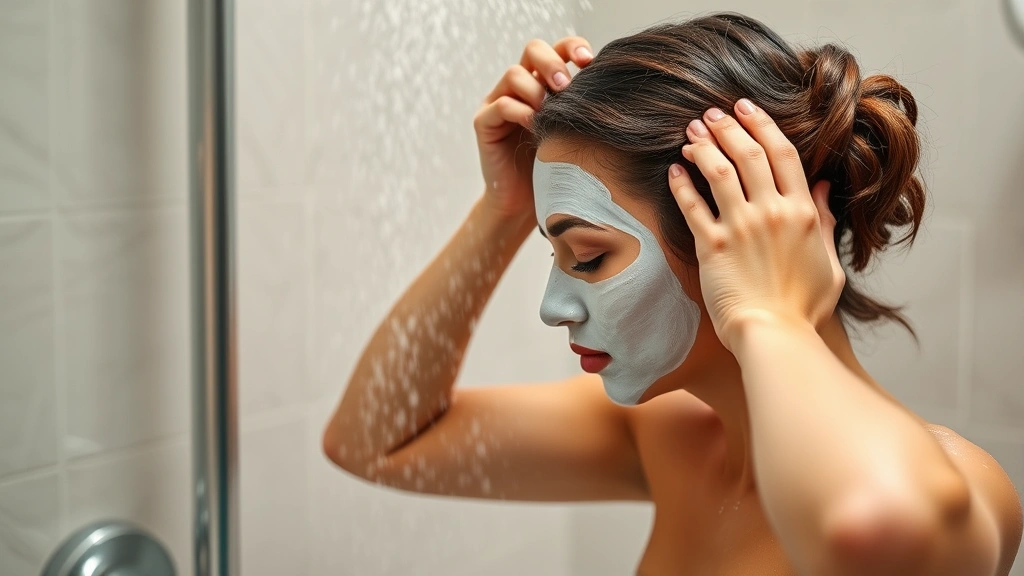
Application technique matters significantly. Shampoo first to remove buildup, then apply mask primarily to mid-lengths and ends, avoiding roots unless you have very dry scalp. Use a wide-tooth comb to distribute evenly. The longer you leave it on (up to 20 minutes), the more benefit you receive, though even 10-minute applications show measurable improvement over time.
Consistency determines results. One application won’t transform your hair, but 12 weekly treatments absolutely will. Track progress with monthly photos and length measurements. Most people notice improved shine within 2-3 weeks, reduced breakage within 4-6 weeks, and visible length retention improvements by 12 weeks.
Combining hair masks with complementary practices amplifies results. Reduce heat styling, use heat protectant sprays, sleep on silk pillowcases, and minimize chemical treatments. This holistic approach creates conditions where your natural growth thrives. Just as increasing motivation requires consistent foundational practices, achieving hair growth requires sustained attention to multiple factors.
Consider also how overall wellness influences hair health. Stress, sleep quality, nutrition, and hydration directly impact hair growth cycles. A mask can’t compensate for inadequate sleep or poor nutrition, but combined with healthy lifestyle practices, it optimizes your biological potential.
FAQ
Do hair masks actually make hair grow faster?
Hair masks don’t accelerate the biological growth rate of hair follicles. However, by reducing breakage and improving hair strength, they allow you to retain more of the hair you’re naturally growing, creating the appearance and reality of faster length gains. The distinction is subtle but important: they optimize retention rather than acceleration.
How often should I use a hair mask?
Most dermatologists recommend weekly or bi-weekly use for optimal results. Fine or oily hair benefits from bi-weekly applications, while dry, damaged, or curly hair thrives with weekly treatments. Consistency matters more than frequency—regular weekly masks outperform sporadic intensive treatments.
What’s the best ingredient for hair growth?
There’s no single magic ingredient. Proteins strengthen hair and reduce breakage, natural oils seal moisture, and panthenol improves elasticity. The best ingredient for you depends on your hair type and primary concern. Look for masks combining proteins, hydrating ingredients, and natural oils rather than relying on single-ingredient products.
Can hair masks replace shampoo?
No. Shampoo cleanses and prepares hair; masks condition and repair. You need both. Use shampoo to remove buildup, then apply masks to clean, damp hair. This combination optimizes both cleansing and conditioning benefits. Skipping either step compromises results.
How long before I see results from hair masks?
You’ll notice improved shine and softness within 2-3 applications. Reduced breakage becomes evident within 4-6 weeks. Visible length retention improvements and overall hair quality transformation appear after 12 weeks of consistent weekly use. Results continue improving with sustained application.
Are expensive hair masks better than budget options?
Price doesn’t always correlate with efficacy. What matters is ingredient quality and composition. A budget mask with solid proteins and oils may outperform an expensive mask with fillers and minimal active ingredients. Read ingredient lists carefully, focusing on what’s actually proven to work rather than brand reputation or price point.
Can I use hair masks on oily scalps?
Yes, but apply them strategically. Focus on mid-lengths and ends, avoiding roots. Choose lightweight masks with hydrating ingredients rather than heavy oils. This prevents buildup while still providing conditioning benefits where you need them most.


