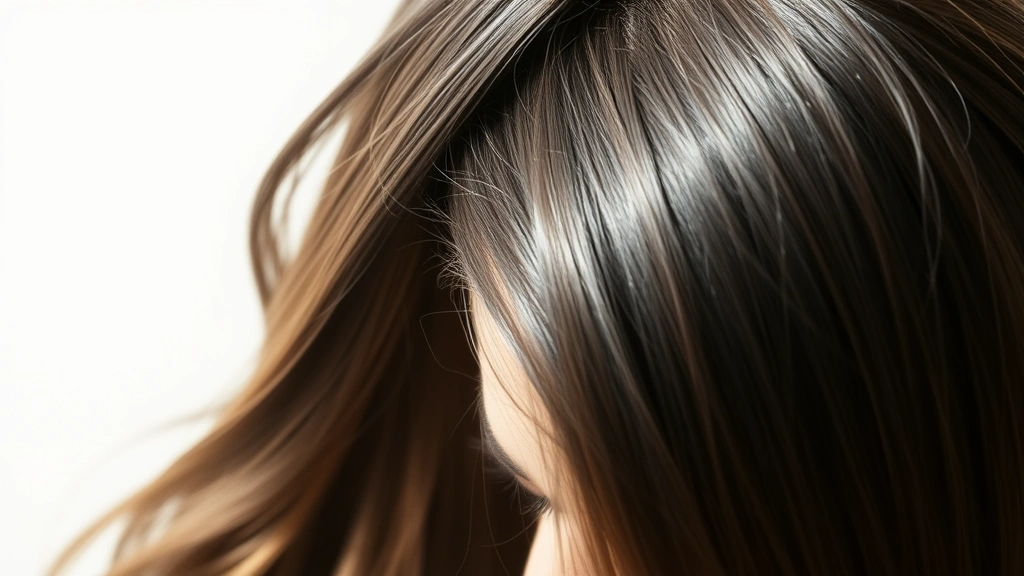
Best Hair Growth Shampoo for Women: Dermatologist Recommended Guide
Finding the right hair growth shampoo for women can feel overwhelming with countless products claiming miraculous results. However, dermatologists consistently recommend shampoos backed by clinical evidence and formulated with proven active ingredients. This comprehensive guide explores what makes a hair growth shampoo effective, which products dermatologists trust, and how to integrate them into your personal wellness routine.
Hair loss and thinning affect millions of women globally, with causes ranging from hormonal imbalances to nutritional deficiencies. The good news? Strategic use of scientifically-formulated shampoos, combined with proper scalp care and growth vitamins, can significantly improve hair density and strength. Understanding the science behind these products helps you make informed decisions about your hair health investment.
Understanding Hair Growth Science
Your hair growth cycle consists of three distinct phases: anagen (growth), catagen (transition), and telogen (resting). Most hair loss in women occurs when too many hairs enter the telogen phase prematurely, a condition called telogen effluvium. Effective hair growth shampoos for women work by extending the anagen phase and reducing premature shedding.
Dermatological research, including studies published in the Journal of the American Academy of Dermatology, demonstrates that topical treatments applied directly to the scalp can influence hair follicle health. The scalp’s microbiome, sebum production, and follicle inflammation all play crucial roles in determining whether hair thrives or falls out. Quality shampoos address these factors systematically.
Women experience unique hair challenges compared to men. Hormonal fluctuations during menstruation, pregnancy, and menopause significantly impact hair growth cycles. Additionally, styling practices like tight braids and heat treatments compound vulnerability. This is why dermatologists emphasize finding shampoos specifically formulated for women’s hair physiology rather than using unisex or men’s products.
Key Ingredients Dermatologists Recommend
Minoxidil (2%) stands as the gold standard for women’s hair loss treatment. This FDA-approved active ingredient increases blood flow to hair follicles and extends the anagen phase. Dermatologists consistently recommend minoxidil-based shampoos because the evidence is unequivocal—clinical trials show 40% of women experience significant hair regrowth within 4-6 months of consistent use.
Ketoconazole is an antifungal ingredient that addresses scalp inflammation and fungal overgrowth, common culprits in hair loss. A 2% ketoconazole shampoo used 2-3 times weekly reduces inflammation and creates an optimal environment for growth. Research from PubMed Central shows ketoconazole works synergistically with other growth-promoting ingredients.
Biotin and Panthenol strengthen existing hair and reduce breakage. While biotin works systemically (best consumed as supplements from growth vitamins), panthenol in shampoos penetrates the hair shaft, improving elasticity and preventing split ends. This prevents hair loss from mechanical damage.
Caffeine stimulates hair follicles and increases microcirculation to the scalp. Studies indicate caffeine-infused shampoos can reduce hair shedding by up to 30% with regular use. The ingredient works best when left on the scalp for 2-3 minutes before rinsing.
Niacinamide (Vitamin B3) regulates sebum production and reduces scalp inflammation. For women with oily scalps, niacinamide prevents excess sebum buildup that suffocates follicles. For dry scalps, it strengthens the moisture barrier, protecting vulnerable hair.
Plant-based ingredients like saw palmetto, pygeum, and rosemary extract have shown promise in preliminary research. While not as potent as minoxidil, these ingredients provide anti-inflammatory and DHT-blocking properties, supporting overall scalp health.
Top Dermatologist-Recommended Products
Rogaine Women’s Foam combines minoxidil with conditioning agents specifically formulated for women’s hair texture. Dermatologists recommend applying twice daily for optimal results. Many women report visible improvement within 3-4 months, with maximum benefits appearing after 6 months of consistent use.
Nizoral A-D Ketoconazole Shampoo addresses fungal-related hair loss and inflammation. While not exclusively a growth shampoo, dermatologists recommend using it 2-3 times weekly as a complementary treatment alongside other products. It’s particularly effective for women experiencing scalp itching or flaking alongside hair loss.
Nioxin System offers a three-part regimen specifically designed for thinning hair. The shampoo contains scalp-cleansing agents, while the conditioner and treatment target follicles. Women using the complete system report improved hair thickness and reduced shedding within 8-12 weeks.
Puracy Natural Shampoo appeals to women seeking gentler formulations. While it lacks minoxidil, it contains biotin, panthenol, and botanical extracts. Dermatologists recommend this for women with sensitive scalps or those preferring natural ingredients as a foundational product, potentially combined with targeted treatments.
ThickTails Hair Growth Shampoo incorporates caffeine, niacinamide, and biotin. The formulation is sulfate-free, protecting hair from harsh cleansing agents that cause breakage. Clinical feedback suggests visible thickness improvement within 6-8 weeks of use.
How to Choose the Right Shampoo
Identify your primary hair concern first. Are you experiencing postpartum hair loss? Hormonal thinning? Breakage from styling? Your specific issue determines which active ingredients matter most. Women dealing with hormonal hair loss benefit most from minoxidil-based products, while those with scalp inflammation should prioritize ketoconazole or niacinamide-rich formulations.
Consider your hair type and texture. Curly or coily hair requires different formulations than straight hair. Many women with textured hair appreciate products from the hair growth products for black hair category, which specifically addresses moisture and protein balance crucial for curl pattern health and growth.
Evaluate ingredient lists critically. Dermatologists warn against products making exaggerated claims without supporting research. Look for specific percentages of active ingredients—2% minoxidil, 2% ketoconazole, 5% caffeine—rather than vague “proprietary blends.” Transparent labeling indicates manufacturer confidence in their formulation.
Assess your budget and commitment level. Minoxidil-based products require consistent, twice-daily application for 4-6 months before visible results emerge. If you’re unlikely to maintain this routine, investing in premium products may disappoint. Start with moderately-priced, well-reviewed options and upgrade if needed.
Patch test before full commitment. Apply a small amount behind your ear or on your inner elbow to check for allergic reactions or scalp sensitivity. This 24-48 hour test prevents investing in a full-size bottle you can’t use.
Maximizing Results Beyond Shampoo
Shampoo alone doesn’t guarantee hair growth success. Dermatologists emphasize that comprehensive approaches yield superior results. Incorporate growth vitamins containing biotin, iron, zinc, and vitamin D. These micronutrients address nutritional deficiencies that commonly cause hair loss in women. Many dermatologists recommend 2-3 months of supplementation before expecting visible improvements.
Stress management significantly impacts hair health. Chronic stress elevates cortisol levels, triggering telogen effluvium. Women experiencing high stress benefit from meditation, exercise, or therapy combined with hair growth products. This holistic approach addresses root causes rather than just symptoms.
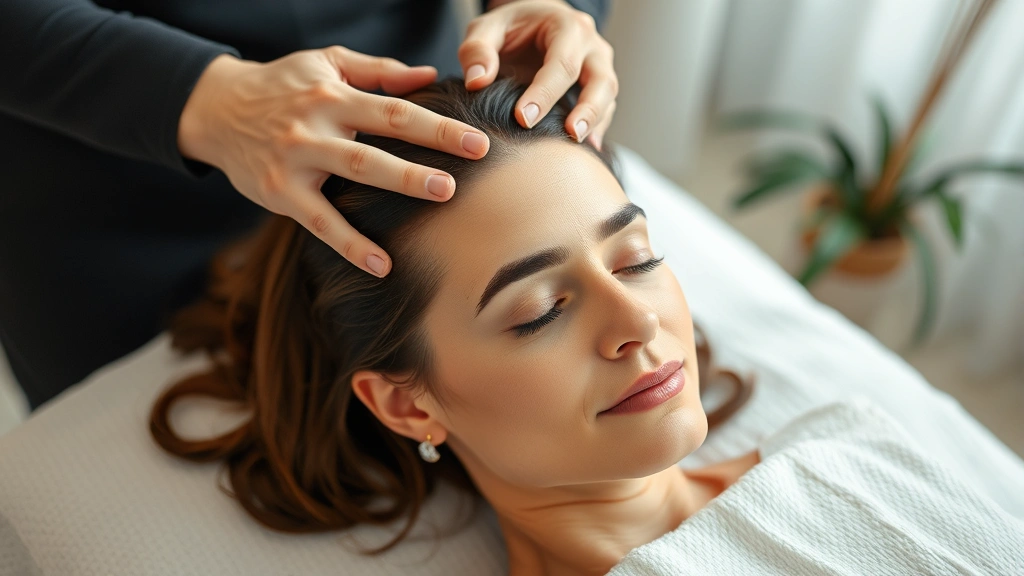
Scalp massage increases blood flow to follicles. Spend 5 minutes daily massaging your scalp with fingertips using gentle circular motions. This simple practice, combined with your hair growth shampoo for women, enhances nutrient delivery to hair roots.
Minimize heat styling and chemical treatments. Excessive blow-drying, flat-ironing, and coloring weaken hair structure, increasing breakage rates. If you style with heat, always use protective sprays and limit frequency to 2-3 times weekly during your hair recovery period.
Prioritize sleep quality. During deep sleep, your body increases blood flow to the scalp and accelerates cell regeneration. Aim for 7-9 hours nightly to support your hair growth regimen. Poor sleep undermines even the best topical treatments.
Common Mistakes to Avoid
Expecting overnight results ranks among the biggest mistakes. Hair growth is gradual—you won’t see dramatic changes within 2-3 weeks. Dermatologists recommend committing to 4-6 months of consistent use before evaluating effectiveness. Many women abandon effective products prematurely due to unrealistic timelines.
Switching products too frequently disrupts your hair’s adjustment period. Each formulation requires time to show effects. Unless you experience allergic reactions or severe irritation, stick with one product for at least 8-12 weeks before changing.
Overusing shampoo damages hair. Washing more than 3-4 times weekly strips natural oils that protect your scalp and hair. Most dermatologists recommend shampooing 2-3 times weekly, using conditioner on non-shampoo days to maintain moisture balance.
Ignoring scalp health while focusing on hair products alone limits results. A healthy scalp environment is prerequisite for hair growth. Treat dandruff, inflammation, and oiliness before expecting significant improvements from growth shampoos.
Neglecting personal growth in wellness habits sabotages hair health. Women who improve diet, exercise, sleep, and stress management alongside using growth shampoos see significantly better results than those relying solely on topical products. Hair growth reflects overall health.
FAQ
How long before I see results from hair growth shampoo?
Most women notice reduced shedding within 4-6 weeks, though visible hair thickness improvements typically appear after 3-4 months. Minoxidil-based products show the most dramatic results, with clinical studies documenting significant regrowth by month six. Patience is essential—hair growth is a marathon, not a sprint.
Can I use hair growth shampoo while pregnant?
Many women experience hair loss postpartum rather than during pregnancy. Minoxidil absorption through the scalp is minimal, but pregnant women should consult their dermatologist before using any growth-promoting products. Natural alternatives or gentle cleansing shampoos may be safer options during pregnancy.
Is minoxidil safe for long-term use?
Yes, minoxidil has been safely used for over 30 years with FDA approval for women’s hair loss. Dermatologists confirm long-term safety through extensive clinical data. However, discontinuing minoxidil typically results in returning to baseline hair loss within 3-6 months, so consistency is necessary.
Will hair growth shampoo work for alopecia?
Results vary significantly depending on alopecia type. Androgenetic alopecia (female pattern baldness) responds well to minoxidil-based products, with clinical studies showing 40% of women experience regrowth. Alopecia areata requires dermatologist-supervised treatment. Consult a specialist to determine your specific condition before investing in products.
Can I combine multiple hair growth products?
Yes, combining complementary products often yields better results. For example, using minoxidil shampoo with ketoconazole treatment and biotin supplements addresses multiple factors simultaneously. However, avoid using multiple minoxidil products simultaneously, as this increases side effects without improving efficacy.
What if I have a sensitive scalp?
Women with sensitive scalps should start with gentler formulations containing niacinamide and panthenol before progressing to minoxidil. Patch test new products first, and introduce them gradually. Some dermatologists recommend using growth shampoos 1-2 times weekly initially, increasing frequency as your scalp adapts.
Are there natural alternatives to chemical hair growth shampoos?
While natural ingredients like rosemary extract, saw palmetto, and biotin support hair health, they’re less potent than clinically-proven options like minoxidil. Natural products work best as complementary treatments alongside evidence-based products. For women prioritizing natural approaches, these ingredients provide meaningful benefits with minimal side effects.


