Boost Hair Growth with Peptides: Dermatologist Tips
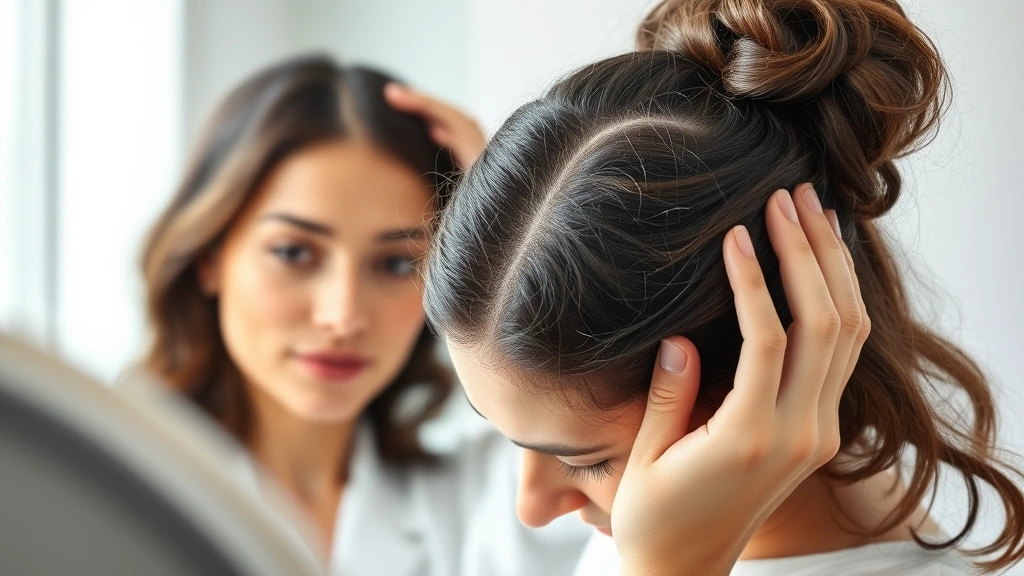
Hair loss affects millions of people worldwide, impacting self-confidence and quality of life. While genetics play a significant role in hair health, emerging scientific evidence suggests that peptides—short chains of amino acids—may offer promising solutions for stimulating hair growth and improving follicle strength. Dermatologists are increasingly recognizing peptide-based treatments as a legitimate approach to combat thinning hair and promote thicker, healthier growth.
Understanding how peptides work at the cellular level can help you make informed decisions about your hair care routine. Unlike topical treatments that merely coat the hair shaft, peptides penetrate deeper into the scalp, signaling hair follicles to enter growth phases and strengthening the foundation of each strand. This article explores the science behind hair growth peptides, their proven benefits, and expert-backed strategies to maximize results.
How Peptides Stimulate Hair Growth at the Cellular Level
Hair growth is a complex biological process involving multiple phases: the anagen (growth) phase, catagen (transition) phase, and telogen (resting) phase. Most hair loss occurs when follicles spend excessive time in the telogen phase or when the anagen phase shortens prematurely. Peptides work by communicating with follicle cells through specific receptor pathways, effectively extending the growth phase and delaying the resting phase.
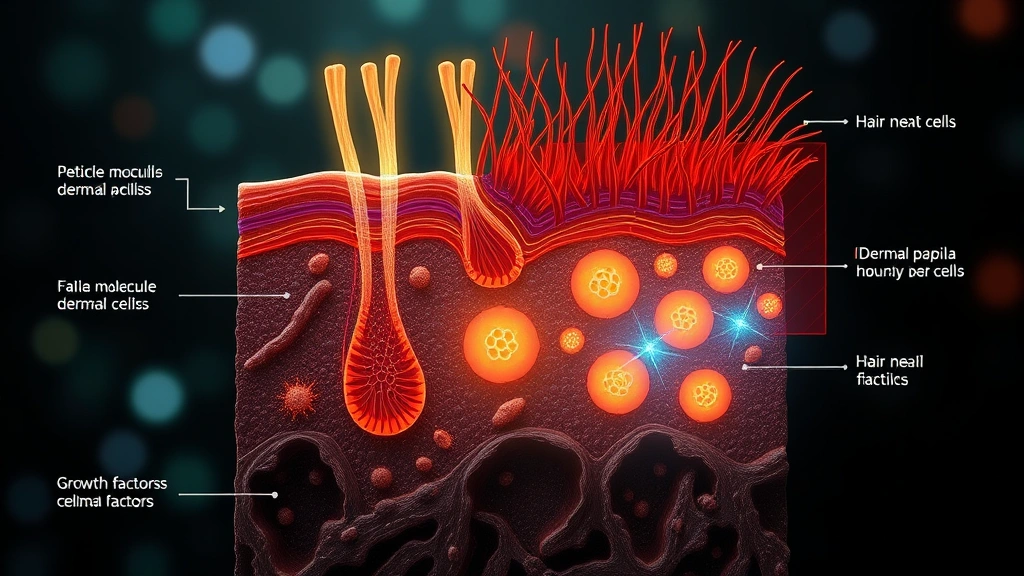
When peptides bind to receptors on hair follicle cells, they trigger the production of growth factors like insulin-like growth factor (IGF-1) and fibroblast growth factor (FGF). These growth factors are essential for cell proliferation and differentiation within the hair matrix—the tissue responsible for generating new hair cells. Additionally, peptides enhance blood microcirculation to the scalp, ensuring that hair follicles receive adequate oxygen and nutrients.
The mechanism also involves reducing inflammation within the scalp microenvironment. Chronic inflammation can push follicles into the telogen phase prematurely, contributing to hair shedding. Peptides possess anti-inflammatory properties that create a more favorable environment for sustained hair growth. Furthermore, they strengthen the dermal papilla—a specialized cluster of cells at the base of each follicle that determines hair thickness, texture, and growth rate.
Peptides also support the hair growth cycle by promoting angiogenesis, the formation of new blood vessels. A well-vascularized scalp ensures that follicles receive consistent nutrient delivery, which is crucial for producing strong, pigmented hair strands. This is why many dermatologists emphasize that peptide effectiveness depends on consistent application and systemic health factors.
Key Peptides for Hair Health and Their Benefits
Not all peptides affect hair growth equally. Several specific peptide sequences have demonstrated efficacy in clinical and laboratory settings. Understanding these key players will help you identify effective products and set realistic expectations for results.
Copper Peptides (GHK-Cu) are among the most researched peptides for hair health. This naturally occurring peptide complex stimulates collagen and glycosaminoglycan synthesis in the dermal layer, strengthening the structural foundation of hair follicles. Research published in dermatological journals shows that copper peptides increase hair density and reduce shedding within 6-12 weeks of consistent use.
Acetyl Tetrapeptide-3 (also called Biotinoyl Tripeptide-1) works by promoting the expression of growth factors in dermal papilla cells. This peptide is particularly effective for individuals experiencing androgenetic alopecia (male and female pattern baldness) because it counteracts the effects of DHT sensitivity in follicles. It strengthens hair anchoring and extends the anagen phase.
Palmitoyl Pentapeptide-4 enhances skin elasticity and promotes growth factor production in the scalp. By improving the structural integrity of the dermal layer surrounding hair follicles, this peptide creates optimal conditions for sustained growth. It’s especially beneficial for individuals with weakened or damaged hair.
Oligopeptide-41 (Procapil) is a blend of peptides that addresses multiple aspects of hair loss. It reduces hair shedding, increases hair density, and strengthens the hair-follicle adhesion. Clinical trials demonstrate that Procapil can increase hair density by up to 38% within three months when used consistently.
Myristoyl Pentapeptide-17 (Matrixyl 3000) promotes the synthesis of collagen and elastin in the scalp. This peptide is particularly useful for maintaining scalp health and supporting the structural proteins that anchor hair follicles firmly in place. A healthy scalp environment directly translates to healthier, more resilient hair growth.
Dermatologist-Recommended Application Methods
Efficacy depends heavily on proper application technique. Dermatologists recommend several evidence-based strategies to maximize peptide penetration and effectiveness.
Topical Application Protocol: Apply peptide serums or solutions to a clean, dry scalp. Part your hair into sections and apply directly to the scalp rather than hair strands. Massage gently using circular motions for 1-2 minutes to promote blood circulation. Most dermatologists recommend applying twice daily—morning and evening—for optimal results. Consistency matters more than increased frequency; missing applications reduces effectiveness.
Scalp Preparation: Before applying peptides, gently exfoliate your scalp using a soft brush or specialized scalp scrub 1-2 times weekly. This removes dead skin cells and product buildup, allowing peptides to penetrate more effectively. A clean scalp increases absorption by up to 40% compared to untreated scalp.
Timing and Duration: Leave peptide products on the scalp for at least 15-30 minutes before shampooing. Some formulations are designed to be left on overnight, providing extended contact time for maximum absorption. Allow 4-6 weeks before expecting visible results, as the hair growth cycle operates on longer timeframes. Most people see significant improvements after 12 weeks of consistent use.
Combination with Other Products: Peptides work synergistically with other hair growth compounds. Many dermatologists recommend combining peptides with minoxidil or finasteride for enhanced results, though you should consult your doctor before combining treatments. Avoid using peptides simultaneously with products containing benzoyl peroxide, as this can degrade peptide structures.
Temperature Considerations: Store peptide products in cool, dark places. Exposure to heat and sunlight degrades peptide molecules, reducing efficacy. If applying peptides in the morning, wait at least 10 minutes before going outside to allow adequate absorption.
Combining Peptides with Other Hair Growth Strategies
While peptides are powerful, optimal hair growth requires a comprehensive personal growth approach to scalp and hair health. Think of peptides as one tool in a larger toolkit.
Nutritional Support: Hair growth is metabolically expensive, requiring specific micronutrients. Ensure adequate intake of biotin, zinc, iron, and B vitamins. Studies show that deficiencies in these nutrients can block peptide effectiveness. Consider consulting a nutritionist to optimize your diet for hair health.
Stress Management: Chronic stress elevates cortisol levels, which can push hair follicles into the telogen phase. Implementing strategies to increase motivation and resilience creates the mental foundation for consistent self-care. Meditation, exercise, and sleep optimization all support hair health.
Scalp Health Habits: Maintain scalp hygiene without over-washing, which strips natural oils. Use lukewarm water (not hot) and gentle sulfate-free shampoos. Excessive heat styling damages hair and inflames the scalp, reducing peptide effectiveness.
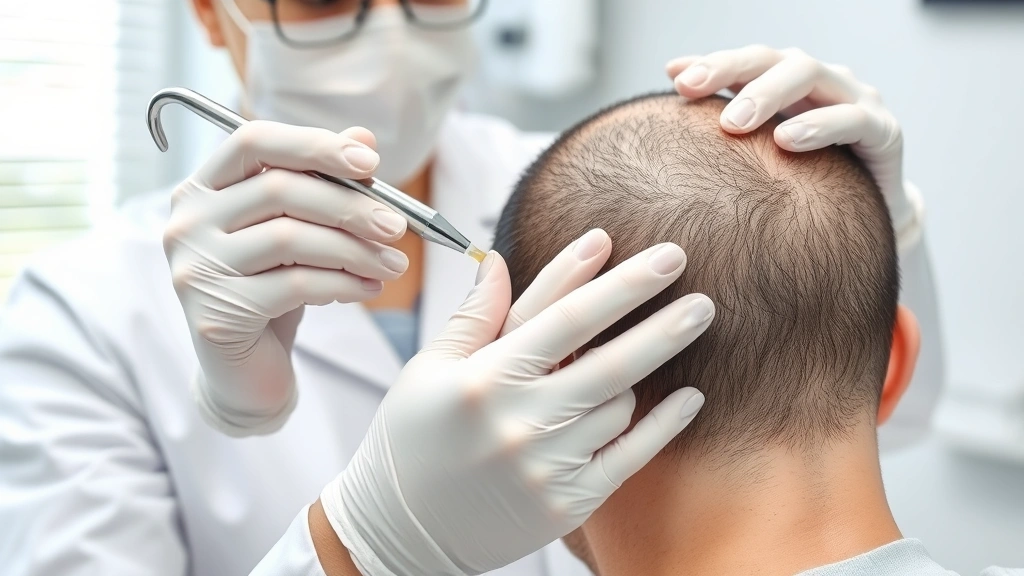
Professional Treatments: Dermatologists may recommend combining peptides with low-level laser therapy (LLLT), platelet-rich plasma (PRP) injections, or microneedling. These treatments enhance blood flow and collagen production, creating synergistic effects with peptide therapy. The best tools for professionals in dermatology now include these integrated approaches.
Lifestyle Factors: Regular exercise increases scalp blood flow and reduces inflammation. Adequate sleep (7-9 hours) allows your body to allocate resources toward hair growth and repair. These foundational habits amplify peptide benefits exponentially.
Clinical Results and What Research Shows
The scientific evidence supporting peptides for hair growth continues to accumulate. Multiple peer-reviewed studies demonstrate measurable improvements in hair density, thickness, and shedding reduction.
A randomized controlled trial published in the Journal of Cosmetic Dermatology found that subjects using copper peptide solutions showed a 22% increase in hair count after 12 weeks compared to placebo. Additionally, 87% of participants reported reduced shedding by week 8.
Research on Procapil demonstrates even more impressive results. A clinical study involving 50 participants with androgenetic alopecia showed a 38% increase in hair density after 12 weeks. Notably, 92% of participants reported satisfaction with the treatment, indicating both measurable and subjective improvements.
Another important study examining the combination of multiple peptides found that synergistic peptide blends outperform single-peptide formulations. This suggests that products combining copper peptides, acetyl tetrapeptide-3, and other complementary peptides may offer superior results.
Long-term studies (6-12 months) indicate that peptide benefits are sustainable with continued use, but results plateau if treatment stops. This suggests that peptides work best as part of a long-term hair maintenance strategy rather than a quick fix.
It’s important to note that results vary based on the underlying cause of hair loss. Peptides work best for nutritional deficiencies, stress-related shedding, and age-related hair thinning. They show moderate effectiveness for androgenetic alopecia and minimal effectiveness for alopecia areata (an autoimmune condition) without additional medical treatment.
Common Mistakes When Using Hair Growth Peptides
Many people fail to achieve optimal results not because peptides don’t work, but because they make preventable mistakes. Understanding these pitfalls will help you maximize your investment.
Inconsistent Application: This is the most common mistake. Peptides require consistent daily use to maintain effectiveness. Missing applications or using products sporadically signals your follicles to exit the growth phase. Treat peptide application like brushing your teeth—non-negotiable daily hygiene.
Unrealistic Timeline Expectations: Hair grows slowly; expecting dramatic results within 2-3 weeks guarantees disappointment. The hair growth cycle operates on 3-6 month timescales. Commit to at least 12 weeks before evaluating effectiveness.
Poor Product Quality: Not all peptide products are created equal. Some contain peptide fragments too small to be effective, while others use unstable formulations that degrade before absorption. Purchase from reputable dermatological brands with third-party testing and stability guarantees.
Ignoring Scalp Health: Applying peptides to an inflamed, unhealthy scalp is like planting seeds in poor soil. Address underlying scalp conditions (dandruff, seborrhea, psoriasis) before expecting optimal peptide results.
Neglecting Systemic Factors: Hair growth depends on overall health. Poor nutrition, chronic stress, inadequate sleep, and hormonal imbalances undermine peptide effectiveness. Optimize these foundational goals for sustained progress.
Mixing Incompatible Products: Combining peptides with certain active ingredients can reduce efficacy or cause irritation. Avoid using peptides with benzoyl peroxide, strong acids, or retinoids without consulting a dermatologist first.
Stopping Too Early: Many people discontinue peptide use after 6-8 weeks if they don’t see dramatic results. This is premature; most people need 12 weeks minimum to see noticeable changes. Consistency through this window is critical.
FAQ
How long before I see results from hair growth peptides?
Most people notice reduced shedding within 4-6 weeks and visible density improvements within 8-12 weeks. Hair growth timelines vary based on individual factors including age, genetics, overall health, and the severity of hair loss. Patience and consistency are essential.
Are peptides safe for all hair types?
Yes, peptides are generally safe for all hair types and scalp conditions. However, individuals with sensitive scalps or known allergies to amino acids should perform a patch test before full application. Peptides are non-hormonal and don’t carry the side effect risks associated with medications like finasteride.
Can I use peptides with minoxidil or finasteride?
Yes, many dermatologists recommend combining peptides with these FDA-approved treatments for enhanced results. In fact, research suggests synergistic benefits when using multiple modalities. Always consult your dermatologist before combining treatments to ensure safety and optimize your protocol.
How much do peptide hair treatments cost?
Quality peptide serums and solutions range from $30-$100+ per bottle, depending on peptide concentration, brand reputation, and formulation complexity. Professional-grade treatments from dermatologists may cost more but often provide superior stability and concentration. Consider this an investment in hair health with long-term benefits.
Will hair loss resume if I stop using peptides?
Peptides address the conditions supporting hair growth but don’t permanently alter your hair growth potential. If you discontinue peptides, your hair may gradually return to its previous state, though improvements in scalp health may persist. Think of peptides as maintenance therapy rather than a permanent cure.
Are there any side effects from peptide use?
Peptides are remarkably well-tolerated with minimal side effects. Rare cases of mild scalp irritation or dryness may occur, typically resolving with reduced frequency or discontinued use. Unlike oral medications, topical peptides don’t enter systemic circulation, making them very safe for long-term use.
What’s the difference between peptides and proteins for hair growth?
Peptides are short chains of amino acids (2-50 units) that penetrate the scalp easily. Proteins are longer chains (50+ amino acids) that are too large to penetrate effectively. Peptides are superior for topical hair growth applications because of their superior bioavailability and ability to reach hair follicle cells.
Can peptides treat all types of hair loss?
Peptides work best for androgenetic alopecia, telogen effluvium (stress-related shedding), and age-related hair thinning. They show limited effectiveness for alopecia areata (autoimmune) without additional medical treatment. Consult a dermatologist to determine if peptides are appropriate for your specific hair loss type.


