
Track GSD Growth: Vet-Approved Guidelines for Optimal Development
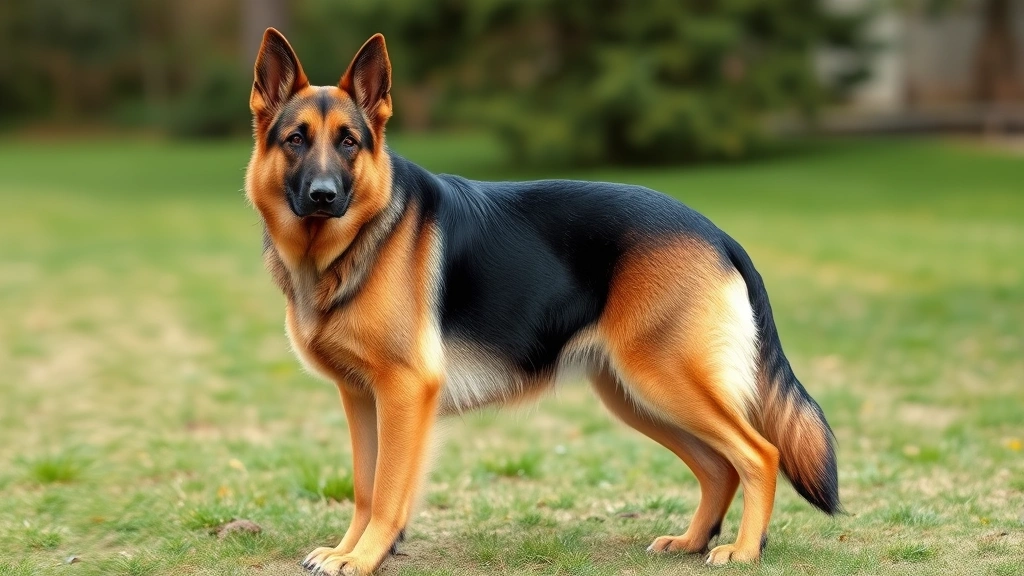
German Shepherd Dogs (GSDs) represent one of the most intelligent and versatile breeds in the canine world, renowned for their loyalty, work ethic, and impressive physical capabilities. Understanding your GSD’s growth trajectory is essential for ensuring proper nutrition, exercise, and healthcare throughout their developmental years. A comprehensive approach to growth applies equally to our beloved canine companions, requiring patience, observation, and evidence-based strategies.
Monitoring your GSD’s development from puppyhood through adulthood isn’t merely about curiosity—it’s a critical component of responsible dog ownership. Growth charts serve as invaluable tools that help veterinarians identify potential health issues early, ensure proper nutritional intake, and establish appropriate exercise protocols. This guide combines veterinary science with practical wisdom to help you navigate every stage of your GSD’s development with confidence and clarity.

Understanding GSD Growth Stages
German Shepherd Dogs follow a predictable but individual growth pattern that spans approximately 18-24 months from birth to full maturity. Unlike some smaller breeds that mature in 12 months, GSDs require extended developmental time due to their large frame and complex skeletal system. Each growth stage presents unique nutritional demands, exercise requirements, and potential health considerations that demand careful attention.
The concept of growth in GSDs encompasses multiple dimensions: skeletal development, muscle mass accumulation, neurological maturation, and behavioral progression. Understanding these interconnected aspects allows owners to make informed decisions about feeding schedules, training intensity, and veterinary care. Research from the American Animal Hospital Association demonstrates that proper growth management significantly reduces the risk of developmental orthopedic disease later in life.
Birth to Eight Weeks: The Foundation Phase
The first eight weeks of a GSD puppy’s life establish the biological foundation for all future development. During this critical period, puppies typically triple or quadruple their birth weight, progressing from complete dependence on their mother to increasing autonomy. Most responsible breeders keep puppies with their dams until at least eight weeks, allowing crucial socialization and nutritional benefits.
At birth, GSD puppies weigh approximately 1-1.5 pounds. By eight weeks, healthy puppies should reach 12-16 pounds, depending on genetic factors and individual variation. During this phase, maternal antibodies provide essential immune protection while the puppy’s own immune system develops. Puppies should receive their first vaccinations at six to eight weeks, with follow-up shots scheduled according to veterinary protocols.
Nutrition during this phase relies entirely on mother’s milk initially, then gradually transitions to high-quality puppy food. When introducing solid food around three to four weeks, offer specially formulated large-breed puppy food that supports controlled growth. Overfeeding during this stage can accelerate growth beyond what the skeletal system can safely support, potentially causing long-term orthopedic complications.
Two to Six Months: Rapid Development Period
The period from two to six months represents the most dramatic growth phase in your GSD’s life. During these critical months, puppies experience exponential increases in size, with weight gain of 2-3 pounds weekly. A two-month-old GSD typically weighs 16-20 pounds, while by six months, that same puppy may weigh 40-50 pounds—a remarkable transformation that requires meticulous nutritional management.
This is when tracking growth becomes particularly important. Growth charts specifically designed for GSDs help identify whether your puppy falls within normal ranges or shows signs of abnormal development. Veterinarians use these charts during regular check-ups to assess skeletal development, joint health, and overall body condition. Puppies should maintain a lean appearance during this phase—you should be able to feel their ribs without excessive pressure but not see them prominently.
Exercise during this period requires careful balance. While puppies need socialization and activity for mental development, excessive jumping, running on hard surfaces, or repetitive impact activities can stress developing joints and growth plates. Short, frequent play sessions (15-20 minutes, multiple times daily) prove more beneficial than sustained high-intensity exercise. Swimming offers excellent low-impact activity that builds muscle without joint stress.
Six to Twelve Months: Adolescent Growth Surge
The adolescent phase from six to twelve months brings continued growth alongside significant behavioral changes. By six months, your GSD likely weighs 45-60 pounds and stands 18-22 inches tall at the shoulder. The growth rate slows compared to earlier months but remains substantial. During this period, GSDs often experience a gangly, uncoordinated phase where limbs seem disproportionate—a completely normal developmental stage.
Skeletal maturation continues during adolescence, with growth plates remaining open until 12-18 months depending on individual development. This extended growth period explains why GSDs shouldn’t participate in high-impact activities like competitive agility or extensive running until full skeletal maturity. Hip and elbow dysplasia, common concerns in the breed, often result from excessive stress on developing joints during this vulnerable window.
Behavioral development accelerates during adolescence as well. This is an optimal period for continued training and socialization, as puppies possess the physical capability to learn complex commands and navigate various environments. Mental stimulation becomes equally important as physical exercise, with puzzle toys, training sessions, and problem-solving activities providing necessary cognitive challenge.
One to Two Years: Maturation and Refinement
From twelve to twenty-four months, growth becomes more subtle but continues until full maturity around 18-24 months. By one year, most male GSDs weigh 55-65 pounds and stand 22-26 inches tall, while females typically measure 22-24 inches and weigh 50-60 pounds. The final growth phase involves continued skeletal development, muscle maturation, and the filling-out of their frame.
During this extended maturation period, dogs develop their adult coat, achieve full height, and accumulate muscle mass. Nutrition remains important, but the focus shifts from growth-specific formulations to maintenance diets supporting their adult lifestyle. Many GSDs don’t achieve their full adult weight until 24 months, particularly males, so patience with their development timeline proves essential.
This period also marks when behavioral patterns solidify. Continued training, socialization, and consistent leadership help channel adolescent energy into appropriate outlets. GSDs possess working-dog genetics that drive them toward purposeful activity—whether that’s formal training, dog sports, or structured family roles. Providing meaningful outlets prevents behavioral problems stemming from boredom or excess energy.
Using Growth Charts Effectively
Growth charts serve as objective measurement tools that compare your individual puppy against breed standards and population averages. Veterinary growth charts specifically designed for large-breed dogs account for the extended development timeline unique to GSDs. These charts plot weight against age, allowing you to visualize your puppy’s trajectory and identify significant deviations from normal patterns.
Effective use of growth charts requires regular measurements at consistent intervals. Monthly weigh-ins provide valuable data points, particularly during the rapid growth phases of the first six months. Many veterinary clinics offer free weight checks, making this an accessible and inexpensive monitoring tool. Record not just weight but also height at the shoulder, body condition score, and any observable developmental concerns.
When reviewing growth charts with your veterinarian, discuss your puppy’s individual genetics and family history. Some variation from average charts is completely normal and reflects inherited traits from parents and earlier generations. A puppy from larger-framed parents may naturally track toward the upper end of normal ranges, while those from more moderate lines may follow lower trajectories. What matters most is steady, consistent growth without sudden changes or concerning deviations.
Growth charts also help identify potential problems early. Abnormally rapid growth might indicate overfeeding or inappropriate nutrition, while insufficient growth could signal health issues, parasites, or inadequate nutrition. Irregular growth patterns—such as periods of rapid gain followed by plateaus—warrant veterinary investigation to rule out underlying conditions.
Nutrition and Exercise Guidelines
Proper nutrition forms the cornerstone of healthy GSD development. Large-breed puppies require specially formulated food designed to support controlled growth while preventing developmental orthopedic disease. These formulas maintain precise calcium-to-phosphorus ratios (ideally 1.2:1) and controlled calorie density to prevent overfeeding-related growth complications.
Feed high-quality large-breed puppy food from weaning through 12-18 months, following package recommendations adjusted for your individual puppy’s growth rate. Many owners make the mistake of free-feeding (leaving food available constantly), which encourages overeating and accelerated growth. Instead, establish regular feeding schedules—typically three times daily for puppies under six months, twice daily from six months onward.
Body condition assessment proves more important than achieving specific weights. Using a nine-point scale where 5 is ideal, your GSD should maintain a score of 4-5 throughout development. You should feel ribs easily without excessive pressure, observe a visible waist when viewing from above, and see an abdominal tuck from the side. Overweight puppies face dramatically increased risk of joint problems and developmental disease.
Exercise guidelines must evolve with your puppy’s age and development. A general rule suggests limiting exercise to five minutes per month of age, twice daily. So a three-month-old puppy might enjoy 15-minute sessions twice daily, while a six-month-old could handle 30-minute sessions. This prevents excessive stress on developing joints while providing necessary movement for muscle development and mental stimulation.
As your GSD approaches skeletal maturity around 12-18 months, gradually increase exercise intensity and duration. By two years old, properly developed GSDs can handle extended running, hiking, and high-impact activities. However, avoid repetitive jumping and high-impact activities on hard surfaces until full maturity to protect still-developing growth plates and joint cartilage.
Health Monitoring Essentials
Regular veterinary check-ups form an essential component of growth monitoring and early disease detection. Schedule puppy examinations at 6-8 weeks, 10-12 weeks, 14-16 weeks, and 18-20 weeks, with follow-up appointments at six months and one year. These visits allow veterinarians to assess growth progress, administer necessary vaccinations, and identify potential health concerns before they become serious problems.
Hip and elbow dysplasia represent the most common orthopedic concerns in GSDs, often developing during rapid growth phases. While genetics play a significant role, environmental factors—including overfeeding, excessive exercise, and improper nutrition—substantially influence whether a genetically predisposed dog develops clinical disease. Maintaining lean body condition and controlled growth significantly reduces risk.
Watch for developmental warning signs including limping, reluctance to exercise, difficulty rising after rest, and lameness that worsens with activity. These symptoms warrant immediate veterinary evaluation, as early intervention can prevent progression of orthopedic conditions. Similarly, observe for signs of nutritional deficiency such as poor coat quality, weakness, or developmental delays.
Dental development also requires monitoring during growth. GSDs have 28 baby teeth that erupt by 6-8 weeks and are completely replaced by adult permanent teeth by 6-7 months. Ensure baby teeth are shedding appropriately and adult teeth are erupting in proper alignment. Retained baby teeth or misaligned permanent teeth may require veterinary intervention.
Consider screening for genetic conditions common in GSDs. Reputable breeders conduct OFA (Orthopedic Foundation for Animals) evaluations for hip and elbow dysplasia, with results recorded in the OFA database. Some breeders also conduct testing for degenerative myelopathy (DM) and exocrine pancreatic insufficiency (EPI). Understanding your puppy’s genetic predispositions allows for proactive health management.
Parasite prevention remains critical throughout growth phases. Internal parasites (worms) and external parasites (fleas, ticks) can significantly impact growth and development. Follow your veterinarian’s recommendations for parasite prevention, particularly during the vulnerable early months when parasitic infections pose greatest risk.
Connecting growth monitoring with broader personal growth principles reveals an important truth: sustainable development requires patience, consistency, and attention to fundamentals. Just as human growth mindset development benefits from steady progress over time, your GSD’s physical development thrives with consistent, evidence-based care rather than shortcuts or accelerated timelines.
FAQ
At what age is a GSD fully grown?
German Shepherd Dogs typically reach full skeletal maturity between 18-24 months of age. While they may achieve most of their adult height by 12-14 months, growth plates don’t fully close until approximately 18 months. Some males continue filling out and gaining muscle mass until 24 months. Individual variation exists based on genetics, nutrition, and overall health status.
How much should a GSD puppy weigh at different ages?
Growth varies individually, but general guidelines suggest: 8 weeks (12-16 lbs), 12 weeks (16-20 lbs), 16 weeks (25-30 lbs), 6 months (45-60 lbs), 12 months (55-65 lbs for males, 50-60 lbs for females), and 24 months (65-90 lbs for males, 55-70 lbs for females). Always discuss your individual puppy’s growth trajectory with your veterinarian, as variation is normal.
What’s the best large-breed puppy food for GSDs?
Select foods specifically formulated for large-breed puppies with calcium levels around 0.8-1.0% and phosphorus around 0.7-0.8%, maintaining proper ratios. Reputable brands conduct AAFCO feeding trials and provide complete nutritional profiles. Discuss specific food recommendations with your veterinarian, as individual puppies may have unique nutritional needs based on their growth rate and family history.
Can I exercise my GSD puppy too much?
Yes, excessive exercise during growth phases can cause joint damage and developmental orthopedic disease. Follow the five-minute-per-month-of-age guideline, limiting structured exercise to appropriate durations. Free play with other puppies provides mental stimulation without the controlled intensity of structured exercise. Avoid jumping, repetitive impact activities, and sustained running until skeletal maturity around 18 months.
How do I prevent hip dysplasia in my GSD?
While genetics play a major role, environmental factors significantly influence dysplasia development. Maintain lean body condition throughout growth, avoid overfeeding, follow appropriate exercise guidelines, provide large-breed puppy nutrition, and minimize jumping and high-impact activities during development. Screen breeding dogs through OFA evaluations. Early detection and management of dysplasia symptoms can prevent progression to clinical disease.
When should I switch from puppy to adult food?
Transition to adult large-breed food around 12-18 months, depending on your individual dog’s development rate. Consult with your veterinarian about the optimal timing for your puppy. Some GSDs benefit from extended periods on puppy formula, while others transition earlier. Make dietary changes gradually over 7-10 days to prevent digestive upset.
What growth chart should I use for my GSD?
Request breed-specific growth charts from your veterinarian, as these provide the most accurate reference for GSDs. Many veterinary clinics have charts available, and some breed clubs publish growth standards. Online charts can provide general reference points, but individualized guidance from your veterinarian remains most valuable, particularly if your puppy’s growth deviates from average patterns.


