
Understanding Ankle Growth Plates: Doctor’s Insights
Your ankles are remarkable structures that undergo significant development throughout childhood and adolescence. At the core of this development lies a critical component called the growth plate—a specialized area of cartilage that determines how your bones grow and develop. Understanding ankle growth plates is essential for parents, young athletes, and anyone concerned about bone health, as these structures directly influence mobility, stability, and long-term skeletal function.
The growth plate in ankle represents one of the most important yet often misunderstood aspects of pediatric orthopedics. These regions are particularly vulnerable during adolescence when growth rates accelerate dramatically. By gaining insight into how these structures work, what can compromise them, and how to protect them, you empower yourself with knowledge that can prevent serious injuries and support optimal physical development.
What Are Ankle Growth Plates
Growth plates, medically termed physes, are zones of developing cartilage located near the ends of long bones. In the ankle region, these structures serve as the foundation for bone elongation and development during childhood and adolescence. Unlike mature bone, which is rigid and fully mineralized, growth plate cartilage remains softer and more flexible, allowing for expansion and lengthening of the skeletal system.
The growth plate in ankle functions as a biological blueprint for bone development. It contains specialized cells arranged in distinct layers, each with specific responsibilities in the growth process. These cells undergo a continuous cycle of proliferation, maturation, and mineralization, gradually transforming cartilage into solid bone. This process, called endochondral ossification, is fundamental to how children grow taller and develop properly proportioned limbs.
What makes growth plates unique is their temporary nature. Unlike other parts of the skeleton that remain relatively constant throughout life, growth plates eventually close and ossify—transform into solid bone—typically during late adolescence or early adulthood. This natural closure marks the end of skeletal growth potential, which is why protecting these structures during developmental years is so critical.

Anatomy and Location
The ankle is a complex joint involving multiple bones, each with its own growth plate regions. The primary bones of the ankle include the tibia (shinbone), fibula (smaller bone in the lower leg), and talus (ankle bone). Each of these bones contains growth plates that contribute to overall ankle development and function.
The distal tibia growth plate, located at the bottom of the shinbone, is one of the most significant growth centers in the ankle region. This area experiences substantial stress during athletic activities and weight-bearing exercises. Similarly, the distal fibula growth plate contributes to ankle stability and proper alignment. The medial malleolus and lateral malleolus—the bony prominences you can feel on either side of your ankle—contain growth plate tissue in younger individuals.
Understanding the precise location of these structures helps explain why certain ankle injuries are more concerning in young athletes. The growth plate in ankle occupies a specific zone between the shaft of the bone (diaphysis) and the end of the bone (epiphysis). This transitional region is inherently weaker than fully ossified bone, making it susceptible to injury from repetitive stress, sudden trauma, or overuse.
The structural arrangement of ankle growth plates creates a particular vulnerability. The growth plate is surrounded by stronger bone tissue, but it remains the weakest link in the skeletal chain during development. Excessive force applied to the ankle during this critical period can cause the growth plate to fracture or separate, potentially disrupting normal growth patterns.
Development Timeline
Ankle growth plates don’t all develop or close at the same rate. The distal tibia growth plate, the largest in the ankle region, typically begins closing around age 15-16 in girls and 17-18 in boys, though individual variation is significant. The distal fibula growth plate generally closes slightly earlier, often by age 14-15. Complete ossification of all ankle growth plates usually occurs by the early twenties.
The developmental timeline varies considerably based on genetics, nutrition, overall health, and physical activity levels. Some individuals experience earlier closure, while others may have growth plates that remain partially open into their early twenties. This variability underscores why chronological age alone isn’t a reliable indicator of skeletal maturity.
During the growth acceleration phase—typically ages 10-14 for girls and 12-16 for boys—growth plates are particularly active and vulnerable. The rapid cell proliferation during these years increases metabolic demands and can create temporary vulnerabilities. Young athletes often experience their most significant growth-related injuries during this period, making it a critical time for protective measures and careful training management.
The growth plate in ankle evolves through distinct phases. Initially, growth plates are thick and cartilaginous. As development progresses, they gradually thin as more bone is deposited. Eventually, the cartilage completely mineralizes and the growth plate disappears, leaving no visible anatomical boundary. This natural closure is actually a positive development—it signifies that skeletal maturity has been reached and the bone is now in its final adult form.
Common Injuries and Risks
Ankle growth plate injuries represent a significant concern in pediatric orthopedics, particularly among young athletes. The most common injury is a growth plate fracture, which occurs when sudden force or trauma causes the cartilage to crack or separate. These injuries often result from ankle sprains, falls, or direct impacts during sports activities. What distinguishes growth plate fractures from simple sprains is their potential to disrupt normal development if not properly managed.
Overuse injuries affecting ankle growth plates have become increasingly prevalent with the rise of year-round youth sports participation. Repetitive stress from activities like basketball, soccer, gymnastics, and distance running can cause inflammation and microtrauma to growth plate tissues. This condition, sometimes called physitis, manifests as pain, swelling, and restricted motion. Unlike acute fractures that cause sudden symptoms, overuse injuries develop gradually and may initially seem minor.
The risk factors for ankle growth plate injury are multifaceted. Young athletes engaging in high-impact sports face elevated risk, particularly those who specialize in a single sport year-round. Poor conditioning, inadequate warm-up routines, and sudden increases in training intensity significantly increase injury likelihood. Environmental factors like playing on hard surfaces or in poor weather conditions also contribute to risk. Additionally, previous ankle injuries create vulnerability to recurrent problems.
Growth plate injuries can have consequences extending far beyond the immediate injury. Premature closure of a growth plate can result in limb length discrepancy or angular deformity—where the ankle becomes misaligned. These long-term complications underscore why proper diagnosis and treatment are essential. Even seemingly minor growth plate injuries warrant careful evaluation by qualified medical professionals.
Recognition and Diagnosis
Identifying potential growth plate issues requires awareness of specific warning signs. Persistent ankle pain in young athletes, particularly pain that worsens with activity and improves with rest, may indicate a growth plate problem. Swelling that develops gradually over weeks or months, rather than appearing suddenly after an acute injury, suggests possible overuse-related growth plate involvement.
Pain localized to the sides of the ankle, where the growth plates are located, deserves particular attention. Young athletes might describe this as ankle tenderness rather than acute pain. Limping, favoring one leg, or altering gait mechanics to avoid discomfort are observable signs that warrant medical evaluation. Some young people with growth plate issues experience ankle instability or a sensation that the ankle is about to give way.
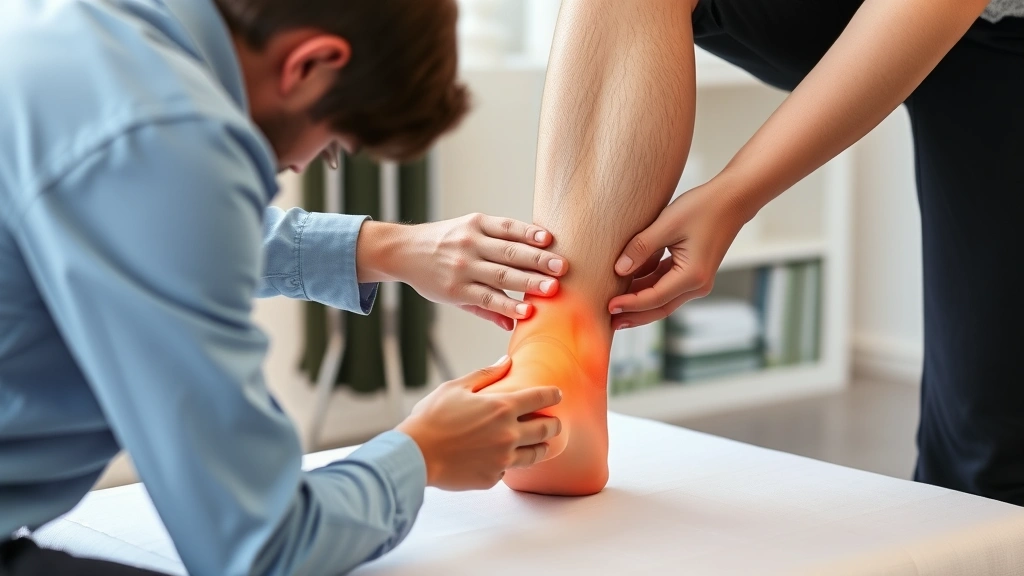
Professional diagnosis begins with a thorough medical history and physical examination. Doctors assess pain location, range of motion, stability, and functional limitations. They palpate the ankle to identify tender areas corresponding to known growth plate locations. Imaging studies are often necessary to confirm suspected growth plate involvement. X-rays remain the primary diagnostic tool, often revealing characteristic patterns associated with growth plate injuries.
Advanced imaging like MRI or ultrasound may be recommended when X-rays are inconclusive or when soft tissue involvement is suspected. These imaging modalities provide detailed visualization of growth plate cartilage and surrounding tissues. Proper diagnosis is crucial because misidentifying a growth plate injury as a simple sprain can lead to inadequate treatment and potential complications. This is why consulting with an orthopedic specialist experienced in pediatric injuries is often warranted.
Prevention Strategies
Protecting the growth plate in ankle begins with implementing comprehensive prevention strategies. Proper conditioning and flexibility work form the foundation of injury prevention. Young athletes should engage in regular stretching routines focusing on calf muscles, Achilles tendon, and ankle stabilizers. Strengthening exercises targeting the muscles surrounding the ankle improve stability and reduce injury risk. Proprioceptive training—exercises that enhance body awareness and balance—significantly decreases ankle injury rates.
Training load management is critical for preventing overuse injuries. Young athletes should follow the principle of gradual progression, increasing training intensity and volume by no more than 10% weekly. Adequate recovery between intense training sessions allows tissues to adapt and strengthen. Cross-training with varied activities reduces repetitive stress on specific structures while maintaining cardiovascular fitness. Limiting year-round specialization in single sports has been shown to reduce injury rates substantially.
Proper footwear selection provides important protection. Shoes appropriate for specific sports offer better support than generic athletic shoes. Ankle bracing or taping may be beneficial for athletes with previous ankle injuries or those participating in high-risk sports. However, bracing should complement rather than replace proper conditioning and strengthening.
Environmental modifications matter significantly. Ensuring practice and competition surfaces are well-maintained reduces hazards. Adequate lighting during evening practices prevents missteps. Weather-appropriate decisions about practice intensity during extreme conditions demonstrate care for athlete welfare. Coaching education about proper technique and progression principles protects young athletes from injury-inducing mistakes.
Nutritional support facilitates proper bone development. Adequate calcium and vitamin D intake supports bone health and growth plate function. Proper hydration and balanced macronutrient intake support overall physical development. These foundational elements of health directly influence skeletal resilience and injury resistance.
Treatment Approaches
When growth plate injuries occur, appropriate treatment depends on injury severity and type. Mild growth plate inflammation from overuse often responds well to conservative management. Rest from aggravating activities, ice application to reduce swelling, and over-the-counter anti-inflammatory medications provide symptom relief. Gradual return to activity following a structured progression prevents re-injury.
More significant growth plate injuries, particularly fractures, require more intensive intervention. Immobilization through casting or bracing protects the injured area while healing occurs. The specific duration of immobilization depends on fracture type and location. Some growth plate fractures require surgical intervention if displacement has occurred or if conservative treatment fails to achieve healing.
Physical therapy plays a vital role in recovery from growth plate injuries. Therapists design progressive rehabilitation programs that restore strength, flexibility, and proprioception. Early-stage therapy focuses on pain management and gentle mobility. As healing progresses, exercises become more challenging, gradually restoring the ankle’s capacity for athletic demands. Supervised rehabilitation ensures proper progression and prevents compensatory movement patterns that could cause secondary injuries.
Return-to-sport decisions require careful consideration. Premature return risks re-injury and potential complications. Healthcare providers use specific criteria to determine readiness, including pain-free range of motion, strength symmetry compared to the uninjured side, successful completion of sport-specific movements, and psychological readiness. A gradual progression back to full participation, rather than sudden return to pre-injury levels, optimizes outcomes.
Long-term monitoring may be necessary after significant growth plate injuries. Follow-up imaging ensures proper healing and rules out complications like premature closure or angular deformities. Some injuries warrant periodic evaluation until skeletal maturity is achieved, confirming that normal development has resumed following injury.
FAQ
At what age do ankle growth plates fully close?
Ankle growth plates typically complete closure between ages 18-22, though significant individual variation exists. The distal tibia growth plate, the largest in the ankle, usually closes by age 17-18 in girls and 18-20 in boys. Complete ossification of all ankle structures may extend into the early twenties.
Can a growth plate injury cause permanent damage?
Growth plate injuries can cause lasting complications if not properly managed, but many heal completely with appropriate treatment. Potential long-term effects include premature growth plate closure, limb length discrepancy, or angular deformities. However, proper diagnosis and treatment significantly reduce these risks.
How can I tell if my child has a growth plate injury versus a regular ankle sprain?
While both conditions cause ankle pain and swelling, growth plate injuries often cause localized tenderness over specific areas where growth plates are located. Gradual onset of pain with overuse suggests growth plate involvement, while sudden pain from acute trauma more commonly indicates sprains. Professional evaluation with imaging is necessary for definitive diagnosis.
Are ankle growth plate injuries common in young athletes?
Yes, growth plate injuries represent a significant portion of sports injuries in young athletes. The combination of active growth, high physical demands, and sometimes inadequate recovery makes this population particularly vulnerable. Proper conditioning and training load management significantly reduce injury risk.
What’s the difference between a growth plate fracture and a regular bone fracture?
Growth plate fractures involve the cartilaginous growth region, while regular bone fractures occur in fully ossified bone. Growth plate fractures require particular care because improper healing can disrupt normal development. They’re often classified using the Salter-Harris system, which helps predict healing potential and risk of complications.
Can young athletes continue playing sports with a growth plate injury?
Continuing athletic activity with an acute growth plate injury can worsen the condition and increase complication risk. Most growth plate injuries require temporary cessation of aggravating activities. Gradual return to sport follows a structured rehabilitation program once healing has progressed sufficiently.


