
Healing a Growth Plate Break: Doctor-Approved Tips for Complete Recovery
A growth plate break represents one of the most challenging injuries a young person can experience, affecting not just physical development but also emotional resilience and long-term health outcomes. Growth plates are the soft, cartilaginous areas near the ends of long bones where new bone tissue is generated, allowing bones to lengthen during childhood and adolescence. When these delicate structures fracture, the recovery process demands precision, patience, and a comprehensive approach that extends far beyond simple rest.
Understanding how to properly heal a growth plate break is essential for parents, athletes, and young individuals themselves. The stakes are considerably higher than with typical fractures because improper healing can lead to permanent complications including limb length discrepancies, angular deformities, and chronic pain. This guide synthesizes medical expertise with practical strategies to ensure optimal recovery while maintaining psychological well-being during the healing journey.

What Is a Growth Plate Break and Why It Matters
Growth plates, technically called epiphyseal plates, are zones of cartilage tissue located at the ends of long bones. These specialized areas remain relatively soft and vulnerable until skeletal maturity, typically occurring between ages 16-25 depending on the individual. The reason growth plate breaks demand special attention is their unique anatomy—they contain different cell types arranged in distinct zones, each with specific biological functions.
When a growth plate fracture occurs, the injury disrupts the orderly progression of bone formation. Unlike regular bone fractures that heal through straightforward calcification, growth plate injuries can compromise the growth potential of the entire bone. Research from the American Academy of Orthopaedic Surgeons indicates that approximately 15-30% of pediatric fractures involve growth plates, making this a surprisingly common concern.
The severity classification system, known as the Salter-Harris classification, ranges from Type I (least severe) to Type V (most severe). Understanding where your injury falls on this spectrum helps establish realistic recovery timelines and potential complications. A personalized growth plan for recovery should account for your specific injury classification and individual healing capacity.
Immediate Medical Assessment and Diagnosis
The moment you suspect a growth plate break, professional medical evaluation becomes non-negotiable. Many growth plate fractures are not immediately obvious on standard X-rays, requiring advanced imaging techniques like MRI or CT scans for accurate diagnosis. A qualified orthopedic specialist can assess the injury’s extent and recommend appropriate intervention.
During your initial consultation, your physician will evaluate several critical factors: the location of the fracture, displacement of bone fragments, involvement of the joint surface, and your age and skeletal maturity status. Some growth plate breaks require immobilization only, while others demand surgical intervention to ensure proper alignment and healing. The decision between conservative and surgical management profoundly affects your recovery trajectory.
Documentation of your baseline condition through imaging creates an essential reference point for monitoring healing progress. Follow-up imaging at predetermined intervals allows your medical team to confirm proper alignment and detect any complications early. This proactive monitoring approach significantly reduces the risk of permanent deformity.
The Four-Phase Recovery Protocol
Phase 1: Immobilization and Protection (Weeks 0-6)
The initial phase prioritizes protection and inflammation management. Depending on fracture type and location, immobilization typically involves casting, splinting, or bracing. Your orthopedic team will specify the exact duration, which varies considerably based on injury severity and bone healing response.
During this phase, the RICE protocol (Rest, Ice, Compression, Elevation) provides foundational support. However, complete immobility isn’t always ideal—your physician may recommend gentle, controlled movement to prevent stiffness in adjacent joints. Cryotherapy (ice application) reduces inflammation and pain, typically applied for 15-20 minutes every 2-3 hours during the first 48-72 hours.
Phase 2: Controlled Mobilization (Weeks 6-12)
As initial healing progresses, controlled movement becomes therapeutic rather than harmful. Your physical therapist introduces gentle range-of-motion exercises, progressing from passive movements (performed by the therapist) to active-assisted movements (where you participate with support) to active movements (performed independently). This graduated approach rebuilds neuromuscular control without overwhelming healing tissues.
Strengthening exercises begin during this phase, focusing initially on isometric contractions where muscles tighten without changing length. These exercises maintain muscle mass and neurological connections without creating excessive stress on the healing growth plate. Growth mindset activities during this phase help maintain mental engagement with recovery goals.
Phase 3: Progressive Strengthening (Weeks 12-20)
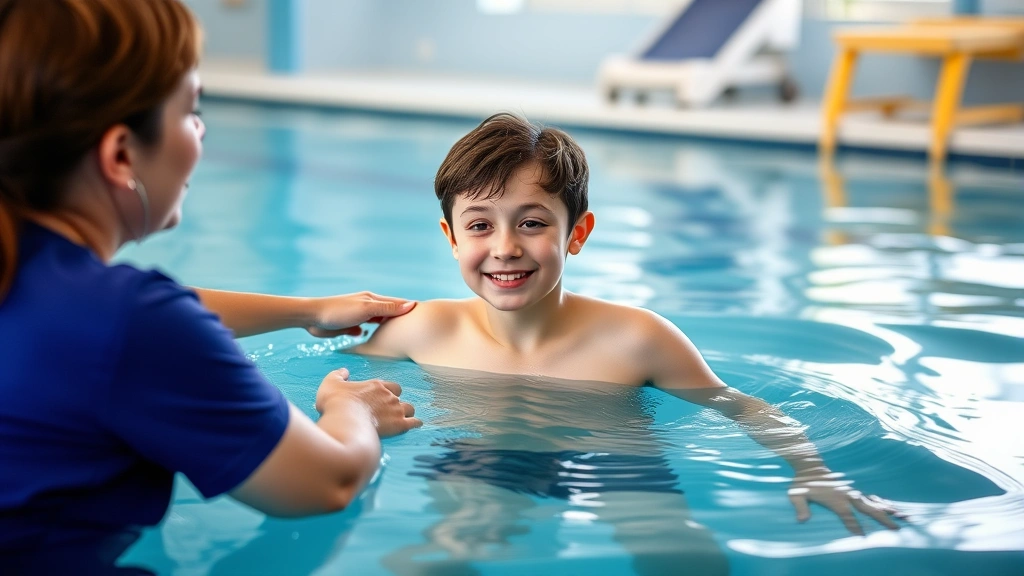
Once imaging confirms adequate healing and your physician approves progression, resistance exercises gradually increase in intensity. Aquatic therapy becomes particularly valuable during this phase—water’s buoyancy reduces joint stress while providing resistance for muscle strengthening. Progressive weight-bearing activities, if appropriate for your injury location, begin under careful supervision.
Sport-specific movements and functional activities become increasingly incorporated. If you’re an athlete, your physical therapist designs rehabilitation protocols that address your sport’s unique demands. This phase typically requires 2-3 physical therapy sessions weekly with consistent home exercise compliance.
Phase 4: Return to Activity (Weeks 20+)
The final phase emphasizes gradual return to normal activities and sports under medical clearance. This doesn’t mean immediate full participation—it means systematically increasing training volume and intensity. A graduated return protocol typically spans 4-8 weeks, with specific benchmarks for advancement: pain-free movement, strength symmetry between limbs, and functional test performance.
Nutrition and Bone Health Optimization
Nutrition profoundly influences growth plate healing outcomes. Bone tissue requires specific nutrients for optimal mineralization and repair. Calcium serves as the primary mineral component of bone, with research from the National Institutes of Health recommending 1,000-1,300 mg daily for adolescents depending on age.
Vitamin D facilitates calcium absorption and regulates bone metabolism. Adequate vitamin D status (serum 25-hydroxyvitamin D levels above 30 ng/mL) correlates with faster fracture healing. Protein provides the collagen matrix upon which minerals deposit—aim for 1.2-1.6 grams per kilogram of body weight daily during recovery.
Micronutrients including zinc, magnesium, vitamin C, and vitamin K all contribute to bone formation. Rather than pursuing isolated supplementation, focus on whole-food sources: dairy products, leafy greens, fatty fish, nuts, seeds, and legumes. If dietary intake is inadequate, targeted supplementation under professional guidance becomes appropriate.
Inflammatory foods should be minimized during recovery. Excessive sugar, refined carbohydrates, and omega-6 polyunsaturated fats promote inflammatory responses that interfere with healing. Conversely, omega-3 fatty acids from fish, flaxseeds, and walnuts support anti-inflammatory processes. Hydration remains essential—water facilitates nutrient transport and cellular function throughout the healing process.
Physical Therapy and Graduated Rehabilitation
Professional physical therapy accelerates recovery and prevents complications more effectively than self-directed exercise. A specialized physical therapist assesses your movement patterns, identifies compensatory strategies, and designs progressively challenging exercises matched to your healing timeline and functional goals.
Early therapeutic interventions focus on maintaining cardiovascular fitness despite activity restrictions. Stationary cycling, swimming, and upper-body ergometry allow continued aerobic conditioning without stressing the healing growth plate. Maintaining cardiovascular fitness preserves psychological well-being and facilitates faster return to full activity.
Progressive resistance training rebuilds muscle strength systematically. Exercises progress from light resistance with high repetitions to moderate resistance with moderate repetitions to heavier resistance with lower repetitions. This progression mirrors your bone’s increasing capacity to withstand stress.
Proprioceptive training—exercises enhancing body awareness and balance—becomes increasingly important as activity increases. Balance boards, stability exercises, and sport-specific agility drills restore the sophisticated neuromuscular control required for athletic performance. This aspect of rehabilitation is frequently overlooked but critically important for injury prevention.
Your personal growth through this rehabilitation journey extends beyond physical recovery—it builds resilience, self-efficacy, and deeper body awareness that benefits lifelong health.
Psychological Resilience During Recovery
The psychological impact of a growth plate break often exceeds the physical impact, particularly for young athletes. Sudden activity restriction, uncertainty about recovery timelines, and fear of re-injury create significant emotional challenges. Research from the American Psychological Association demonstrates that athletes experiencing injury frequently develop anxiety, depression, and loss of identity.
Proactive psychological support from sports psychologists or counselors helps process these emotional responses. Cognitive-behavioral techniques address catastrophic thinking patterns and build adaptive coping strategies. Mindfulness and acceptance practices reduce anxiety about recovery timelines and re-injury risks.
Identifying alternative ways to maintain social connections and identity during activity restrictions proves therapeutically valuable. Many injured athletes benefit from volunteering as team managers, mentors, or support staff—maintaining connection to their sport community without physical participation.
Setting process-oriented goals rather than solely outcome-oriented goals maintains motivation. Instead of focusing only on “returning to sport,” establish daily rehabilitation goals: completing physical therapy exercises with proper form, achieving specific strength metrics, or demonstrating improved range of motion. These tangible daily victories build momentum and psychological resilience.
Family involvement in the recovery process strengthens psychological resilience. Parents and siblings who understand the injury’s nature, recovery expectations, and appropriate support strategies create an environment conducive to optimal healing.
Preventing Re-Injury and Long-Term Management
Once you’ve cleared for return to activity, preventing re-injury becomes paramount. Growth plates remain vulnerable until complete skeletal maturity—premature return to high-impact activities or inadequate rehabilitation increases re-injury risk substantially. Growth opportunities in this phase include developing genuine injury prevention practices rather than simply returning to previous activity levels.
Continued strength training maintains the muscular support system protecting your healing bone. Athletes benefit from year-round conditioning programs emphasizing balanced strength development. Addressing pre-existing strength imbalances prevents compensatory movement patterns that could stress the healing growth plate.
Sport-specific technique refinement reduces injury risk. Many growth plate breaks result from biomechanical inefficiencies—coaching analysis and technique modification address these underlying vulnerabilities. Video analysis comparing current movement patterns to pre-injury baseline helps identify remaining limitations.
Gradual training load progression follows established periodization principles. Sudden increases in training volume, intensity, or frequency precipitate re-injury. Systematic progression allowing tissue adaptation prevents overload injuries. The general recommendation limits weekly training load increases to 10% maximum.
Ongoing medical surveillance through periodic follow-up appointments monitors for late complications. Some growth plate injuries develop complications months or years post-injury, including growth disturbances or arthritic changes. Regular imaging and clinical assessment detect these complications early, enabling preventive intervention.
Long-term bone health practices established during recovery continue benefiting skeletal health throughout life. Consistent exercise, adequate nutrition, and calcium-vitamin D optimization reduce osteoporosis risk and maintain bone strength into older adulthood. The habits developed during growth plate recovery establish trajectories for lifelong skeletal health.
FAQ
How long does a growth plate break typically take to heal?
Growth plate fracture healing timelines vary considerably based on injury severity, location, and individual healing capacity. Uncomplicated Salter-Harris Type I or II fractures typically require 6-12 weeks of immobilization, with complete functional recovery extending 3-6 months. More severe injuries (Type III-V) may require 3-6 months of immobilization and 6-12 months for complete recovery. Your orthopedic surgeon provides specific timelines based on your injury classification.
Can a growth plate break cause permanent damage?
Properly managed growth plate breaks rarely cause permanent complications. However, inadequate treatment, re-injury during healing, or premature return to activity significantly increases permanent damage risk. Potential complications include limb length discrepancies, angular deformities, and premature growth plate closure. This emphasizes the importance of following medical recommendations closely throughout recovery.
When can I return to sports after a growth plate break?
Return to sports timelines depend on injury severity, healing progress, and your specific sport’s demands. Generally, low-impact activities may resume 8-12 weeks post-injury, while high-impact sports require 4-6 months minimum. Your physician and physical therapist determine specific clearance based on imaging confirmation of healing, strength symmetry, pain-free movement, and functional test performance. Never rush this timeline—premature return risks re-injury and permanent complications.
What nutrition supports growth plate healing?
Optimal nutrition for growth plate healing emphasizes calcium (1,000-1,300 mg daily), vitamin D (600-800 IU daily, potentially more with deficiency), protein (1.2-1.6 g/kg body weight), and micronutrients including zinc, magnesium, and vitamin C. Whole-food sources provide superior bioavailability compared to supplements. Minimize inflammatory foods including excess sugar and refined carbohydrates. Adequate hydration facilitates nutrient transport and cellular function.
Should I continue physical therapy after returning to sports?
Yes, transitioning to maintenance physical therapy after full return to sports provides significant benefit. Maintenance programs emphasize continued strength development, injury prevention, and long-term bone health. Many athletes benefit from ongoing coaching 1-2 times monthly even after full return, ensuring proper technique and preventing compensatory patterns. This ongoing support significantly reduces re-injury risk and supports lifelong skeletal health.
How do I know if my growth plate break is healing properly?
Proper healing indicators include: progressive pain reduction, increasing range of motion, improving strength symmetry, normal imaging findings at follow-up appointments, and ability to progress through rehabilitation phases without setbacks. Your physician monitors these indicators through clinical examination and periodic imaging. Any deviation from expected healing progression—persistent pain, swelling, or imaging abnormalities—warrants immediate medical evaluation.


