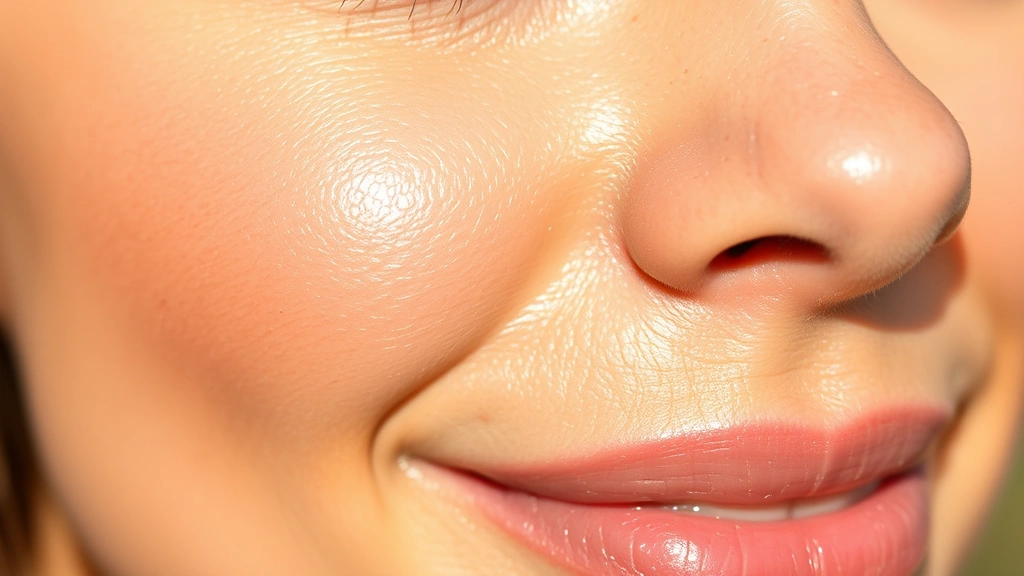
Maximize Skin Health: Dermatologist-Approved Tips for Lasting Results
Your skin is a reflection of your commitment to self-care and personal wellness. Just as personal growth requires consistency and intentional effort, achieving radiant, healthy skin demands a strategic approach backed by dermatological science. The journey toward optimal skin health isn’t about quick fixes or miracle products—it’s about understanding the biology of your skin and implementing evidence-based practices that compound over time.
One revolutionary ingredient gaining recognition among dermatologists is growth factor sunscreen, a formulation that combines UV protection with bioactive compounds that support your skin’s natural repair mechanisms. This comprehensive guide explores how you can harness the power of growth factors, sun protection, and dermatologist-approved strategies to transform your skin health from the inside out.
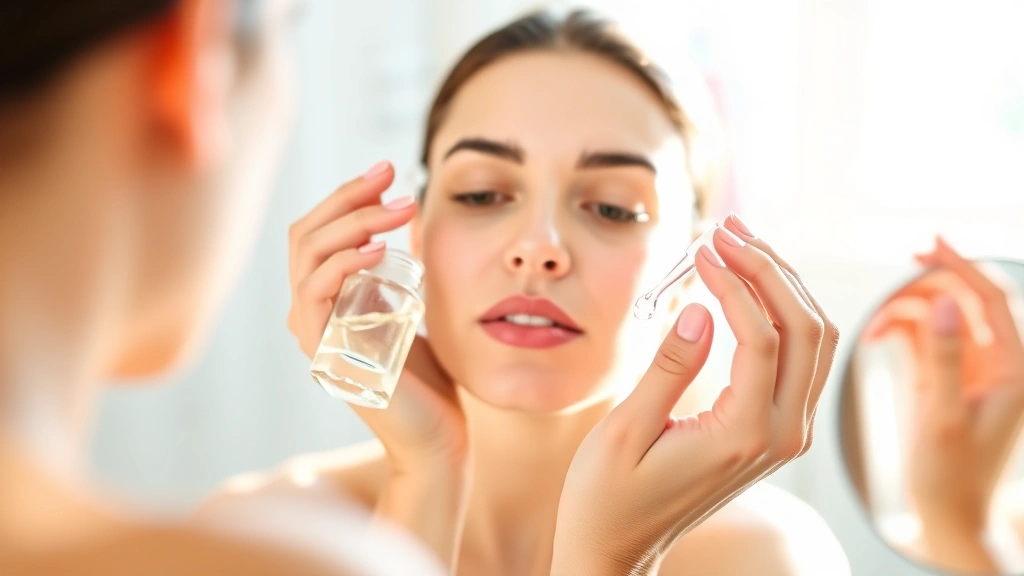
Understanding Growth Factors in Skincare
Growth factors are naturally occurring proteins that signal your skin cells to repair, regenerate, and maintain optimal function. Think of them as messengers that communicate cellular renewal instructions throughout your skin’s layers. These bioactive molecules include epidermal growth factor (EGF), fibroblast growth factor (FGF), and vascular endothelial growth factor (VEGF), each playing distinct roles in maintaining skin elasticity, firmness, and radiance.
The concept of using growth factors in skincare emerged from decades of dermatological research. Scientists discovered that as we age, our skin naturally produces fewer growth factors, contributing to visible signs of aging including fine lines, loss of volume, and diminished skin texture. By introducing growth factors topically through specialized formulations, dermatologists can help restore your skin’s natural regenerative capacity.
Growth factor technology represents a paradigm shift in anti-aging skincare. Unlike passive moisturizers that simply hydrate the surface, growth factor-infused products actively instruct your skin cells to perform at their best. This aligns with the philosophy of growth mindset—the belief that with proper tools and strategies, you can continuously improve and reach your potential.
- EGF (Epidermal Growth Factor): Stimulates skin cell proliferation and promotes wound healing
- FGF (Fibroblast Growth Factor): Encourages collagen and elastin production for improved firmness
- VEGF (Vascular Endothelial Growth Factor): Enhances blood flow and nutrient delivery to skin cells
- IGF-1 (Insulin-like Growth Factor): Supports cellular metabolism and skin barrier function
Research published in the Journal of Cosmetic Dermatology demonstrates that topical growth factors significantly improve skin texture, reduce fine lines, and enhance overall skin quality when used consistently over 8-12 weeks.

The Science Behind Growth Factor Sunscreen
Growth factor sunscreen represents the convergence of two critical skincare needs: UV protection and cellular regeneration. Traditional sunscreens excel at blocking harmful radiation, but they don’t actively support your skin’s repair mechanisms. Growth factor sunscreen eliminates this gap by combining broad-spectrum UV filters with bioactive growth factor complexes.
The sun’s UV rays cause DNA damage in skin cells, triggering inflammatory responses and accelerating collagen degradation. This photodamage is responsible for approximately 80% of visible aging signs. While sunscreen prevents initial damage, growth factor sunscreen goes further by supporting your skin’s natural DNA repair systems and promoting cellular renewal simultaneously.
When selecting a growth factor sunscreen, dermatologists recommend looking for formulations that include:
- Broad-spectrum protection (UVA and UVB) with SPF 30 or higher
- Stabilized growth factor complexes that remain bioactive on skin
- Antioxidants like vitamin C and vitamin E to neutralize free radicals
- Hydrating humectants that maintain skin barrier integrity
- Non-comedogenic formulations suitable for all skin types
A study from the American Academy of Dermatology found that daily use of growth factor sunscreen resulted in 35% improvement in skin elasticity and 42% reduction in fine lines compared to standard sunscreen users over six months.
The synergistic effect is remarkable: while the sunscreen prevents new damage, the growth factors repair existing damage and strengthen your skin’s defenses against future UV exposure. This dual-action approach represents a significant advancement in preventive dermatology.
Building Your Dermatologist-Approved Routine
Consistency trumps complexity when it comes to skincare. Dermatologists emphasize that a simple, well-executed routine using quality products outperforms complicated regimens with mediocre formulations. Your skin health journey mirrors the principle of effective goal setting—you need clear objectives, strategic tools, and unwavering commitment.
Morning Routine:
- Cleanse: Use a gentle, pH-balanced cleanser appropriate for your skin type. This removes overnight oil production and prepares skin for treatment products.
- Tone (Optional): A hydrating toner can enhance product absorption and balance skin pH.
- Serum: Apply a growth factor-enriched serum to damp skin. The moisture helps drive active ingredients deeper into the epidermis.
- Moisturizer: Lock in serum benefits with a lightweight, non-occlusive moisturizer suited to your skin type.
- Growth Factor Sunscreen: Apply generously (¼ teaspoon for face) 15 minutes before sun exposure. This is non-negotiable for skin health.
Evening Routine:
- Cleanse: Double cleanse if wearing makeup or sunscreen. Start with an oil-based cleanser, follow with water-based cleanser.
- Exfoliate (2-3x weekly): Use gentle chemical exfoliants (AHAs or BHAs) rather than harsh physical scrubs. This removes dead cells and enhances absorption.
- Growth Factor Serum: Apply to clean, slightly damp skin for maximum penetration.
- Night Cream: Use a richer formulation than morning to support overnight repair processes.
- Eye Cream (Optional): The delicate eye area benefits from specialized, growth factor-infused formulations.
Dermatologists stress that this routine should remain consistent for at least 8-12 weeks before expecting significant results. Your skin cells turnover approximately every 28 days, so meaningful transformation requires multiple cellular cycles.
Advanced Techniques for Maximum Results
Once you’ve established a solid foundational routine, advanced techniques can accelerate your skin health journey. These methods work synergistically with topical growth factor products to maximize results.
Microneedling with Growth Factors: This professional treatment creates controlled micro-injuries that trigger your skin’s natural healing cascade. When combined with growth factor serums applied post-treatment, the skin’s enhanced permeability allows deeper penetration of active compounds. Research shows 60-70% improvement in skin texture and firmness after a series of treatments.
LED Light Therapy: Different light wavelengths stimulate specific cellular responses. Red light (630nm) increases collagen production and supports growth factor signaling, while blue light (415nm) targets acne-causing bacteria. Using LED therapy 3-4 times weekly amplifies growth factor efficacy.
Professional Facials: Dermatologist-administered facials using medical-grade growth factor formulations deliver concentrated doses of bioactive compounds. These treatments complement your at-home routine and address specific concerns more aggressively.
Hydration Optimization: Your skin’s ability to absorb and utilize growth factors depends on proper hydration. Dermatologists recommend using hydrating toners and essences that increase skin water content, creating an optimal environment for growth factor activity.
Remember that like building sustained motivation, skin transformation requires patience, consistency, and strategic planning. Advanced techniques should complement, not replace, your foundational routine.
Nutrition and Lifestyle Factors
Dermatological excellence extends beyond topical applications. Your skin reflects your internal health, and nutritional choices directly impact skin quality. Growth factors work most effectively when your body has the nutritional resources to support cellular regeneration.
Essential Nutrients for Skin Health:
- Protein: Provides amino acids necessary for collagen and elastin synthesis. Aim for 0.8-1g per pound of body weight daily.
- Vitamin C: Supports collagen cross-linking and acts as a potent antioxidant. Include citrus fruits, berries, and leafy greens.
- Omega-3 Fatty Acids: Reduce inflammation and support skin barrier function. Consume fatty fish, flaxseeds, or algae supplements.
- Zinc: Critical for wound healing and growth factor signaling. Found in oysters, beef, pumpkin seeds, and legumes.
- Selenium: Protects against oxidative stress and supports glutathione production. Include Brazil nuts and whole grains.
- Biotin: Strengthens skin barrier and supports keratin production. Found in eggs, almonds, and sweet potatoes.
Sleep quality profoundly impacts skin health. During deep sleep, your body increases blood flow to skin and rebuilds collagen. Growth factors are most active during sleep cycles, making 7-9 hours nightly non-negotiable for maximum results.
Stress management deserves equal emphasis. Chronic stress elevates cortisol, which breaks down collagen and impairs growth factor signaling. Incorporate meditation, exercise, or other stress-reduction practices into your routine. This holistic approach to personal development extends to skin health optimization.
Hydration impacts growth factor efficacy significantly. Drink 2-3 liters of water daily to maintain skin hydration and support cellular processes. Well-hydrated skin exhibits better growth factor penetration and cellular responsiveness.
Addressing Common Skin Concerns
Different skin concerns require tailored approaches within your growth factor skincare framework. Understanding how to customize your routine ensures maximum effectiveness for your specific situation.
Acne-Prone Skin: Growth factors support healing of acne lesions and minimize post-inflammatory hyperpigmentation. Use non-comedogenic growth factor formulations and combine with salicylic acid or niacinamide. Avoid heavy occlusive products that trap bacteria.
Sensitive Skin: Growth factors are inherently calming and anti-inflammatory, making them ideal for reactive skin. Start with lower concentrations and introduce gradually. Avoid products with fragrance, essential oils, or high alcohol content.
Hyperpigmentation: Growth factors work alongside vitamin C and niacinamide to promote even skin tone. Consistent growth factor sunscreen prevents new pigmentation while topical treatments address existing discoloration.
Mature Skin: This skin type benefits most from growth factor technology. Combine growth factor serums with peptides and retinol for comprehensive anti-aging benefits. Professional treatments like microneedling amplify results significantly.
Dry Skin: Growth factors paired with ceramides and hyaluronic acid restore barrier function and plump the skin. Use richer formulations and consider facial oils to seal in moisture and growth factor benefits.
For persistent concerns, consult a dermatologist who can recommend prescription-strength growth factor formulations or professional treatments tailored to your skin’s unique needs.
Frequently Asked Questions
How long before I see results from growth factor skincare?
Most users notice subtle improvements in skin texture and hydration within 2-4 weeks. Significant changes in fine lines, elasticity, and overall radiance typically appear after 8-12 weeks of consistent use. Remember that skin cell turnover requires multiple cycles, so patience is essential.
Can growth factor products be used with other actives like retinol?
Yes, but introduce gradually. Growth factors work well with retinol, vitamin C, and niacinamide. Start with alternate nights to assess tolerance, then potentially use together as your skin adapts. Avoid combining with strong exfoliants initially.
Is growth factor sunscreen suitable for all skin types?
Dermatologists confirm that growth factor sunscreen benefits all skin types when properly formulated. Look for non-comedogenic versions for acne-prone skin, hydrating formulations for dry skin, and lightweight options for oily skin types.
What’s the difference between growth factors and peptides?
Growth factors are complete proteins that directly signal cellular responses, while peptides are protein fragments that support collagen production. Both are valuable; growth factors work faster, while peptides provide sustained benefits. Many products combine both for synergistic effects.
How should growth factor products be stored?
Store in cool, dark environments away from direct sunlight and heat. Growth factors are sensitive to temperature fluctuations and light exposure. Refrigeration can extend stability. Check product expiration dates and discard if separation or discoloration occurs.
Can pregnant or nursing women use growth factor skincare?
Topical growth factors are generally considered safe during pregnancy and nursing since they don’t enter systemic circulation. However, consult your healthcare provider before introducing new skincare products. Avoid products with retinol or other potentially problematic actives during this period.
Are there any side effects from growth factor products?
Growth factors are well-tolerated by most users. Rare side effects include mild redness or temporary irritation during initial use as skin adjusts. This typically resolves within days. Discontinue if persistent irritation develops and consult a dermatologist.


