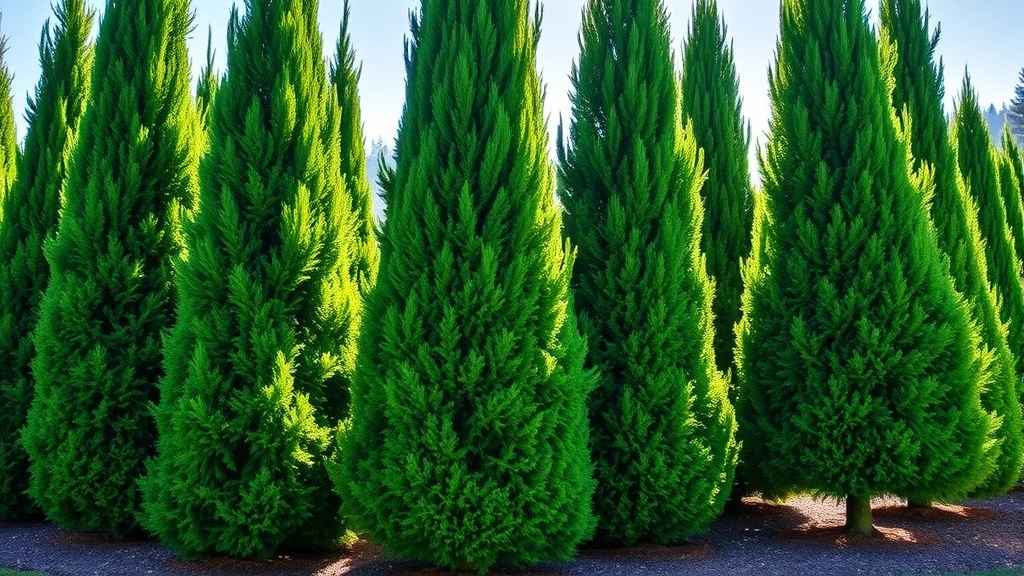
Green Giant Arborvitae: Growth Rate Secrets Revealed
The Green Giant Arborvitae stands as one of nature’s most impressive growth stories—a living testament to what happens when the right conditions align with inherent potential. Just as personal development requires understanding the fundamental principles that drive transformation, mastering the growth rate of this remarkable tree demands knowledge of the specific factors that accelerate its expansion. Whether you’re a landscaping enthusiast, property owner, or simply someone fascinated by botanical excellence, understanding Green Giant Arborvitae growth secrets can transform your outdoor space into a thriving vertical garden.
This evergreen specimen has captured the hearts of gardeners worldwide, not merely for its aesthetic appeal, but for its extraordinary ability to grow rapidly while maintaining structural integrity. Unlike many fast-growing trees that sacrifice quality for speed, the Green Giant achieves both—creating dense, vibrant foliage that provides privacy, windbreaks, and environmental benefits. The journey to unlocking this tree’s full potential mirrors the principles found in personal growth strategies: understanding foundational requirements, maintaining consistency, and creating optimal conditions for success.
Understanding Green Giant Arborvitae Growth Potential
The Green Giant Arborvitae, scientifically known as Thuja standishii × plicata, represents a hybrid vigor success story. This cultivar can achieve growth rates of 3 to 4 feet annually under optimal conditions—a rate that positions it among the fastest-growing conifers available to homeowners. Understanding this potential requires recognizing that growth rate isn’t merely a number; it’s a reflection of the tree’s health, vigor, and alignment with its environmental preferences.
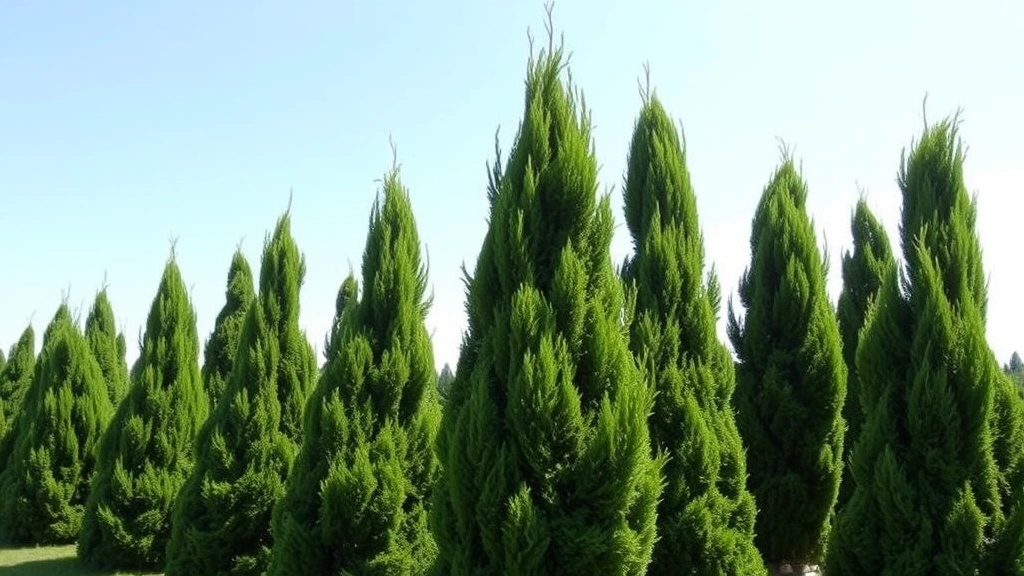
What makes Green Giant particularly special is its ability to maintain this impressive growth trajectory for decades. Mature specimens can reach heights of 40 to 60 feet with a columnar form that creates natural privacy screens and windbreaks. This growth pattern follows principles similar to those discussed in growth mindset development—the tree doesn’t grow sporadically; it grows consistently when conditions support sustained expansion.
The genetics of this hybrid contribute significantly to its rapid development. The combination of Thuja standishii and Thuja plicata parentage creates a specimen naturally predisposed toward vigorous growth. However, genetics alone cannot guarantee success. Environmental factors, cultural practices, and maintenance strategies determine whether your Green Giant reaches its full potential or merely achieves mediocre results.
Optimal Planting Conditions and Site Selection
Location represents the first critical decision in your Green Giant journey. These trees thrive in full sun exposure, requiring minimum 6 hours of direct sunlight daily, though 8 or more hours produces superior results. The relationship between light exposure and growth rate is direct and measurable—trees in shadier conditions grow noticeably slower and develop thinner foliage.
Site selection extends beyond sunlight considerations. Wind exposure plays a crucial role in growth rate optimization. While Green Giants demonstrate impressive wind tolerance, they require protection from extreme conditions during establishment. Planting on the leeward side of existing structures or trees protects young specimens while they develop strong root systems, accelerating their early growth phase.
Spacing represents another critical factor often overlooked by inexperienced planters. Green Giants should be spaced 4 to 6 feet apart for privacy screen applications, and 8 to 10 feet apart for individual specimen plantings. Inadequate spacing creates competition for resources, reducing individual tree growth rates and creating conditions for disease development. Think of spacing as creating optimal conditions for goal achievement—each tree requires adequate territory to reach its objectives.
Drainage characteristics of your chosen location significantly impact growth trajectories. Green Giants prefer well-draining soils and struggle in waterlogged conditions. Planting on slight slopes or raised areas improves drainage and prevents root rot, which devastates growth rates and threatens tree survival.
Soil Preparation: The Foundation of Rapid Growth
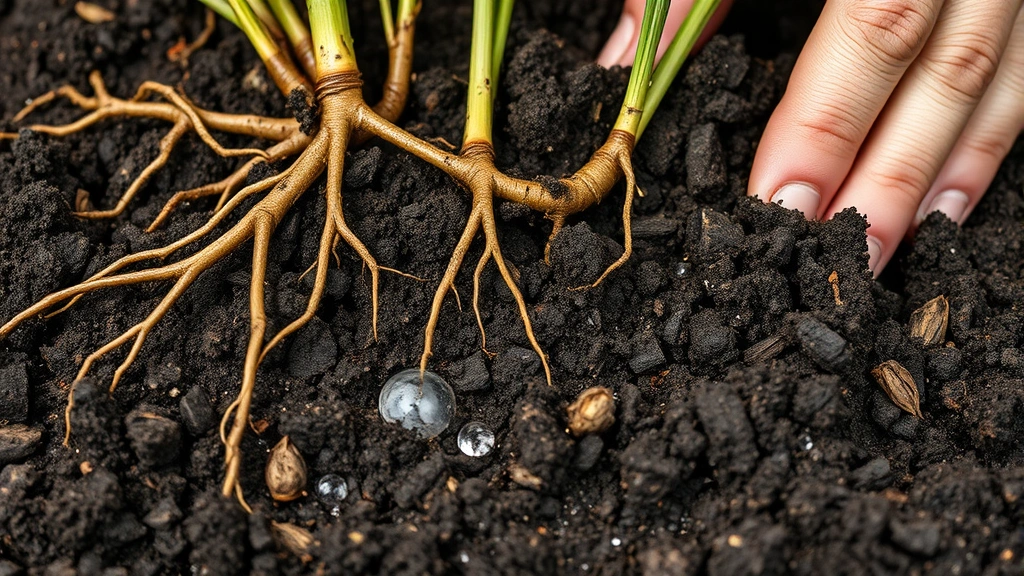
Superior soil preparation separates successful Green Giant plantings from mediocre installations. These trees aren’t particularly fussy about soil type, but they respond dramatically to soil enrichment and amendment. Begin by conducting a soil test to understand your baseline conditions—pH, nutrient content, organic matter percentage, and drainage capacity.
Green Giants prefer slightly acidic to neutral soil, with pH ranges between 6.0 and 7.0. If your soil tests outside this range, amendments can adjust pH gradually. More importantly, incorporate 3 to 4 inches of high-quality compost or aged bark mulch into the planting area, extending outward at least 2 feet from the planting hole. This organic matter improves water retention, provides slow-release nutrients, and creates an environment where beneficial microorganisms thrive.
The planting hole itself should be 1.5 to 2 times the width of the root ball but no deeper than the root ball height. Digging deeper creates settling issues that compromise the tree’s establishment and growth rate. Backfill with a mixture of native soil and 30-40% compost, creating a transition zone that encourages roots to explore surrounding soil while maintaining the enriched planting environment.
Mulching extends soil preparation benefits throughout the establishment period. Apply 2 to 3 inches of organic mulch around the base, maintaining a 6-inch clearance from the trunk to prevent moisture-related issues. Mulch moderates soil temperature, conserves moisture, suppresses weeds that compete for resources, and gradually decomposes to enrich soil organic matter. This foundational approach mirrors the principles discussed in increasing motivation through environmental design—create conditions that naturally support success.
Watering Strategies for Maximum Expansion
Water management represents perhaps the most critical variable controlling Green Giant growth rates, particularly during establishment. Young trees require consistent moisture—not waterlogged conditions, but soil that remains evenly moist throughout the root zone. Inconsistent watering creates stress that dramatically reduces growth rates and compromises tree health.
During the first growing season, water deeply 2 to 3 times weekly, providing 1 to 1.5 inches per application. This frequency decreases as the tree establishes, but consistency remains paramount. A practical approach involves monitoring soil moisture by hand—dig 3 to 4 inches deep; soil should feel like a wrung-out sponge, not bone-dry or waterlogged.
Drip irrigation systems dramatically accelerate establishment and growth by delivering water directly to the root zone with minimal evaporation. Soaker hoses or drip lines provide superior water delivery efficiency compared to overhead watering, which loses significant water to evaporation and foliar wetting that invites fungal issues.
Mature trees become increasingly drought-tolerant but still require supplemental watering during extended dry periods. In most climates, 1 inch of water weekly—from rainfall or irrigation—maintains optimal growth rates. During extreme heat or drought, increase frequency to prevent stress that slows growth and invites pest problems.
Fertilization and Nutrient Management
While Green Giants aren’t heavy feeders, strategic fertilization dramatically accelerates growth rates, particularly during establishment. A balanced, slow-release fertilizer applied in early spring provides consistent nutrient availability throughout the growing season without creating excessive soft growth susceptible to pest damage.
Recommended fertilization follows a timeline: apply a balanced fertilizer (10-10-10 or similar) at planting time, then apply again in early spring for the next 2-3 years. Established trees (3+ years) require minimal fertilization if soil organic matter is maintained through mulching and occasional compost applications.
Micronutrient deficiencies occasionally limit growth rates, particularly in highly alkaline soils where iron and manganese become unavailable to roots. Foliar applications of micronutrient sprays address these deficiencies quickly, restoring growth vigor within weeks. Iron chelate applications prove particularly effective for restoring green color and growth rate in iron-deficient specimens.
Avoid excessive nitrogen fertilization, which creates rapid but weak growth susceptible to pest infestations and environmental stress. The goal is balanced, sustainable growth that builds structural integrity alongside rapid height and width development.
Pruning Techniques for Healthy Development
Proper pruning accelerates growth by removing dead or diseased wood, improving light penetration, and directing energy toward productive growth. Young Green Giants benefit from minimal pruning during establishment—focus on removing dead branches and any competing leaders that might compromise the desired columnar form.
Avoid heavy pruning during the first 2 years of establishment, as this diverts energy from root and crown development. Once established, annual light pruning in late winter maintains form and removes problematic growth. Unlike some conifers, Green Giants don’t regenerate from old wood, so avoid cutting back to bare branches—prune only into foliage-bearing areas.
Lateral branch removal encourages height development if you’re prioritizing vertical growth. Conversely, allowing lateral branches to develop creates fuller, denser specimens. The pruning strategy you select should align with your specific goals—privacy screening emphasizes lateral development, while living fence posts prioritize height.
Climate Considerations and Zone Compatibility
Green Giants thrive in USDA hardiness zones 5 through 9, with optimal performance in zones 5-8. Understanding your climate zone helps establish realistic growth expectations and informs protective measures during establishment.
In colder zones (5-6), winter wind desiccation can slow growth and damage foliage. Establishing these trees in protected locations and providing burlap wrapping during the first winter protects young growth and ensures faster establishment. In warmer zones (8-9), afternoon shade and consistent moisture become increasingly important, as excessive heat stress slows growth and invites spider mite problems.
Humidity levels significantly impact growth rates. Green Giants prefer moderate humidity and struggle in extremely arid climates without supplemental irrigation. Conversely, in humid climates with poor air circulation, fungal issues may develop, requiring preventive fungicide applications and improved spacing for air movement.
Common Growth Obstacles and Solutions
Understanding obstacles to rapid growth allows you to prevent or address them quickly. Root rot, caused by Phytophthora species, represents the most serious threat to Green Giant survival and growth. This pathogen thrives in waterlogged conditions and compacted soils. Prevention through proper site selection, drainage improvement, and careful watering proves far more effective than treatment attempts. If root rot develops, improve drainage immediately, remove affected portions of the tree, and apply fungicide treatments to prevent spread.
Spider mites frequently infest Green Giants, particularly in hot, dry conditions. These pests create bronzing of foliage and slow growth through photosynthetic damage. Horticultural oil applications or miticide treatments address infestations quickly, with repeated applications necessary for complete control.
Bagworms occasionally infest Green Giants, creating visible bags on branches and defoliation that severely slows growth. Hand-removal of bags during dormancy or insecticidal treatments during larval stages control populations effectively.
Winter damage from extreme temperatures or wind desiccation occasionally affects growth, particularly in marginal hardiness zones. Heavy snow accumulation on columnar forms can break branches; light pruning to remove damaged growth and protective measures during future winters prevent recurrence.
Nutrient deficiencies, while uncommon, occasionally limit growth. Iron chlorosis (yellowing of new growth with green veins) indicates iron deficiency requiring chelated iron applications. Nitrogen deficiency creates pale foliage and slowed growth, addressed through balanced fertilization.
The Growth Life Hub blog contains extensive resources on overcoming obstacles and maintaining momentum—principles equally applicable to botanical and personal development challenges.
FAQ
What is the typical growth rate of Green Giant Arborvitae?
Green Giants typically grow 3-4 feet annually under optimal conditions, though growth rates vary based on climate, soil, water availability, and care practices. Well-established trees in ideal conditions may exceed 4 feet annually, while stressed specimens grow more slowly.
How tall do Green Giant Arborvitae trees ultimately grow?
Mature Green Giants reach 40-60 feet tall with a columnar form 12-20 feet wide. Growth potential varies by climate, with specimens in ideal conditions reaching the upper range and those in marginal zones remaining somewhat shorter.
Can Green Giant Arborvitae grow in shade?
While Green Giants tolerate partial shade, they perform optimally in full sun (8+ hours daily). Shade-grown specimens develop thinner foliage, slower growth rates, and may become leggy or misshapen. For best results, select locations with abundant direct sunlight.
How often should I water newly planted Green Giant Arborvitae?
During the first growing season, water deeply 2-3 times weekly, providing 1-1.5 inches per application. Adjust frequency based on rainfall and soil moisture conditions. After establishment (2+ years), reduce frequency to 1 inch weekly from rainfall or irrigation.
When should I fertilize Green Giant Arborvitae?
Apply balanced, slow-release fertilizer in early spring during the first 2-3 years of establishment. Established trees rarely require fertilization if soil organic matter is maintained through mulching. Avoid fertilizing after mid-summer, as this promotes tender new growth susceptible to winter damage.
Are Green Giant Arborvitae trees disease-resistant?
Green Giants demonstrate good disease resistance when grown in optimal conditions with proper drainage and air circulation. Root rot represents the primary disease threat in waterlogged soils. Fungal issues occasionally develop in humid climates with poor air movement, preventable through proper spacing and site selection.
How do I prune Green Giant Arborvitae for maximum growth?
Minimize pruning during establishment (first 2 years), removing only dead or diseased wood. Once established, annual light pruning in late winter maintains form and removes problematic growth. Avoid heavy pruning into bare wood, as Green Giants don’t regenerate from old growth. Focus pruning on lateral branches to direct energy toward height development if that’s your goal.
What soil conditions do Green Giant Arborvitae prefer?
Green Giants thrive in slightly acidic to neutral soil (pH 6.0-7.0) with good drainage. They’re not particularly fussy about soil type but respond dramatically to enrichment with compost and organic matter. Avoid waterlogged or compacted soils, which promote root rot and slow growth.
Can I plant Green Giant Arborvitae in containers?
While Green Giants can grow in large containers, they ultimately reach sizes too large for permanent container cultivation. Container growing works for temporary specimens or small-scale applications, but in-ground planting allows full expression of their growth potential and mature size.
How does climate affect Green Giant growth rates?
Green Giants perform optimally in USDA zones 5-8, with growth rates slowing in colder zones (5-6) and hotter zones (8-9). Winter wind desiccation in cold climates and heat stress in warm climates can reduce growth rates. Providing appropriate site protection and supplemental care in marginal zones maintains growth vigor.


