Understanding Fleas: Expert Insights on Growth Cycle
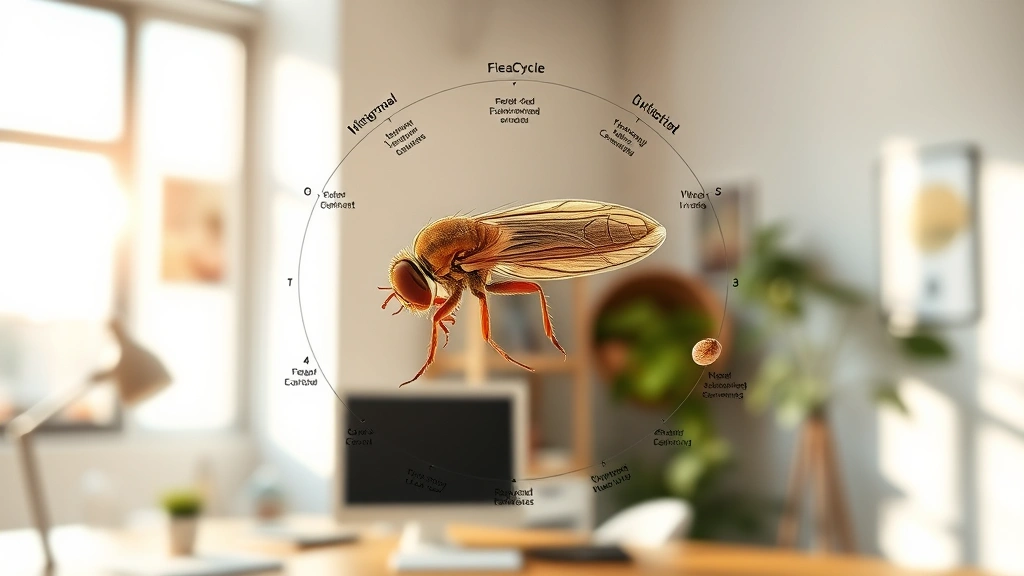
Fleas represent one of nature’s most remarkable yet troublesome examples of rapid biological development. These tiny parasites have perfected a lifecycle that allows them to reproduce at staggering rates, making them a persistent challenge for pet owners and pest control professionals worldwide. Understanding the flea growth cycle is essential for effective prevention and treatment strategies. By examining each stage of their development, we can better appreciate why these insects are so difficult to eliminate and what approaches work best for controlling infestations.
The flea lifecycle is a fascinating study in evolutionary adaptation. From egg to adult, fleas undergo a complete metamorphosis that typically spans 2-8 weeks, though environmental conditions can dramatically alter this timeline. Temperature, humidity, and food availability act as critical factors that determine how quickly fleas progress through their developmental stages. This article explores the intricate details of flea biology, providing you with the knowledge needed to protect your home and pets effectively.
The Egg Stage: Where It All Begins
The flea growth cycle commences when adult female fleas lay eggs on their host. A single female flea can produce 40-50 eggs daily, which means a small infestation can explode into thousands within weeks. These eggs are incredibly tiny—roughly the size of a grain of salt—and often fall off the host animal onto carpets, bedding, and furniture. Understanding this initial stage is crucial because eggs are resistant to many common pesticides, making early intervention challenging.
Flea eggs typically hatch within 2-12 days, depending on temperature and humidity levels. Warmer environments (around 75-85°F) and high humidity accelerate hatching, while cooler conditions slow development significantly. This is why flea infestations tend to be worse during warmer months. The eggs themselves don’t require a blood meal to develop—they simply need appropriate environmental conditions to progress to the next stage. This independence from the host makes eggs particularly difficult to target with direct treatments.
The reproductive potential during this stage cannot be overstated. If you’re dealing with what seems like a minor flea problem, you’re likely only seeing the tip of the iceberg. Most fleas in your environment are in egg or larval stages, invisible to the naked eye. This hidden population is why comprehensive treatment strategies must address multiple lifecycle stages simultaneously.
Larval Development: Hidden Growth Phase
Once eggs hatch, they release first-instar larvae—microscopic creatures that look nothing like adult fleas. These larvae are voracious consumers of organic matter, including flea feces (which contain dried blood from the host), dead skin cells, and other debris found in carpets and pet bedding. This feeding behavior is essential for their development and growth. Larvae progress through three distinct instars, or developmental stages, over 5-20 days depending on environmental conditions.
Larvae are sensitive to light and actively avoid illuminated areas, which is why they burrow deep into carpet fibers, beneath furniture, and into pet bedding. This behavior makes them nearly impossible to see during a casual inspection of your home. The larval stage is critical because it’s when fleas consume most of their nutrition before entering the pupal stage. Understanding this phase helps explain why vacuuming regularly and washing pet bedding frequently are such effective prevention measures—you’re removing the food source and habitat these developing fleas depend upon.
The transition from larva to pupa occurs when the larvae have consumed sufficient nutrition. At this point, they spin silken cocoons that become camouflaged with debris from their environment. This protective covering is remarkably effective at shielding developing fleas from pesticides and environmental stressors. The larval stage represents a critical vulnerability window for control efforts, as larvae are more susceptible to insecticides than eggs or pupae.
Pupal Stage: The Transformation Chamber
Inside the cocoon, larval fleas undergo metamorphosis into adults—a transformation as dramatic as a caterpillar becoming a butterfly. This pupal stage typically lasts 7-14 days, but under unfavorable conditions, pupae can remain dormant for months or even years. This dormancy capability is one reason flea infestations can suddenly reappear even after seemingly successful treatment. An adult flea can remain in its cocoon, waiting for the right environmental signals before emerging to seek a host.
The pupal stage represents the most protected phase of the flea growth cycle. The silken cocoon provides insulation and protection from pesticides, making this stage extremely difficult to target directly. This is why treatment protocols typically focus on killing eggs and larvae before they reach the pupal stage, and targeting emerging adults before they can reproduce. The dormancy capability also explains why pest control professionals recommend extended treatment periods—you need to continue killing newly emerging adults even after the initial infestation appears controlled.
Interestingly, pupae can detect vibrations and carbon dioxide, which signal the presence of a potential host. When a suitable host passes nearby, the adult flea will emerge from its cocoon. This emergence timing is another survival adaptation—fleas don’t waste energy emerging if no food source is available. Understanding this behavior helps explain why simply vacating an infested property doesn’t solve the problem; when you return, vibrations and carbon dioxide from your presence trigger mass emergence of waiting pupae.
Adult Fleas: The Reproductive Machine
Adult fleas are the visible stage of the lifecycle and the most problematic for pet owners. These blood-feeding parasites can jump 150 times their body length and possess remarkable sensory capabilities for locating hosts. Once an adult flea finds a suitable host, it can survive for several weeks while consuming blood meals. More importantly, adult fleas begin reproducing almost immediately—females can start laying eggs within 24-48 hours of their first blood meal.
An adult female flea can lay 400-500 eggs during her lifetime, typically spanning 2-3 months in ideal conditions. This reproductive capacity explains why a single flea can become a household infestation within weeks. Adult fleas are also the most visible stage, which paradoxically can be misleading—if you see fleas on your pet, the infestation is already well-established, with far more fleas in earlier developmental stages throughout your home.
The adult stage is when fleas transmit diseases and parasites to their hosts. They can carry tapeworms, bacteria, and viruses that affect both pets and humans. Beyond disease transmission, flea bites cause itching and discomfort that can lead to secondary skin infections in sensitive animals. This is why controlling the adult population is so critical—not just for stopping reproduction, but for protecting pet health immediately.
Understanding the behavioral patterns of adult fleas is essential for effective control. Adults are attracted to body heat and carbon dioxide, which is why they congregate in sleeping areas where pets spend extended time. They’re also more active during warmer months, though indoor heating means year-round activity in most homes. This knowledge informs where to focus treatment efforts and why consistent preventive measures are necessary.
Environmental Factors Affecting Growth
Temperature and humidity profoundly influence flea development rates. The ideal conditions for rapid flea growth are 65-80°F with 70-85% humidity. Under these optimal conditions, the complete lifecycle can occur in as little as 2 weeks. Conversely, temperatures below 50°F or above 95°F significantly slow development, and extremes can kill fleas at various stages. This temperature sensitivity is why flea problems are seasonal in many climates but year-round in others.
Humidity is equally critical. Dry environments inhibit flea development—eggs and larvae desiccate quickly without adequate moisture. This is why steam cleaning and dehumidification can be effective supplementary control strategies. However, the typical household environment, especially carpeted areas and pet bedding, often maintains sufficient humidity to support flea development even in arid climates.
Host availability directly impacts flea survival and reproduction. Fleas on a host with access to regular blood meals develop faster and reproduce more prolifically than those in suboptimal conditions. This is why treating your pet with preventive medications is so crucial—you’re removing the primary resource that sustains the entire flea population. Additionally, the presence of multiple hosts (multiple pets, wildlife, or even humans) accelerates infestation growth.
Nutritional availability during the larval stage affects adult flea viability. Larvae that consume adequate nutrition develop into robust adults capable of surviving longer and reproducing more successfully. Conversely, larvae in environments with limited organic matter may develop into weaker adults with reduced reproductive capacity. This principle supports the effectiveness of regular vacuuming and cleaning—you’re reducing the nutritional base that supports larval development.
Control Strategies Based on Life Cycle
Effective flea control requires understanding which lifecycle stages to target and how. The most successful approach combines multiple strategies addressing different developmental stages. Exponential growth patterns govern flea population dynamics, meaning early intervention is exponentially more effective than treating established infestations.
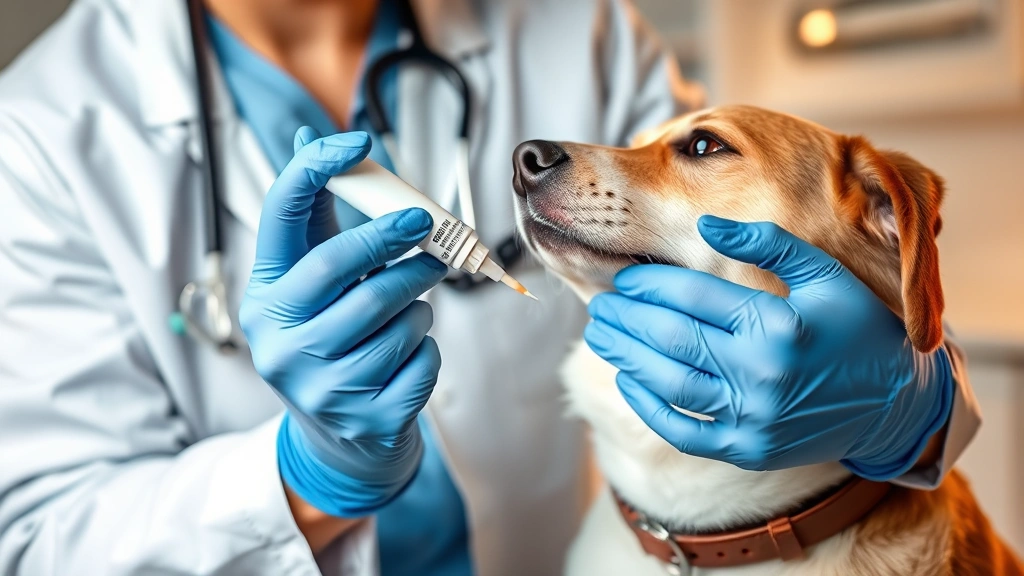
Adult flea control typically involves topical or oral medications applied to pets. These treatments kill adult fleas on the host and often include compounds that prevent egg development, breaking the reproductive cycle. Modern preventive medications are highly effective, with some providing protection for extended periods. Consistency is crucial—missing even one dose can allow flea populations to rebound rapidly.
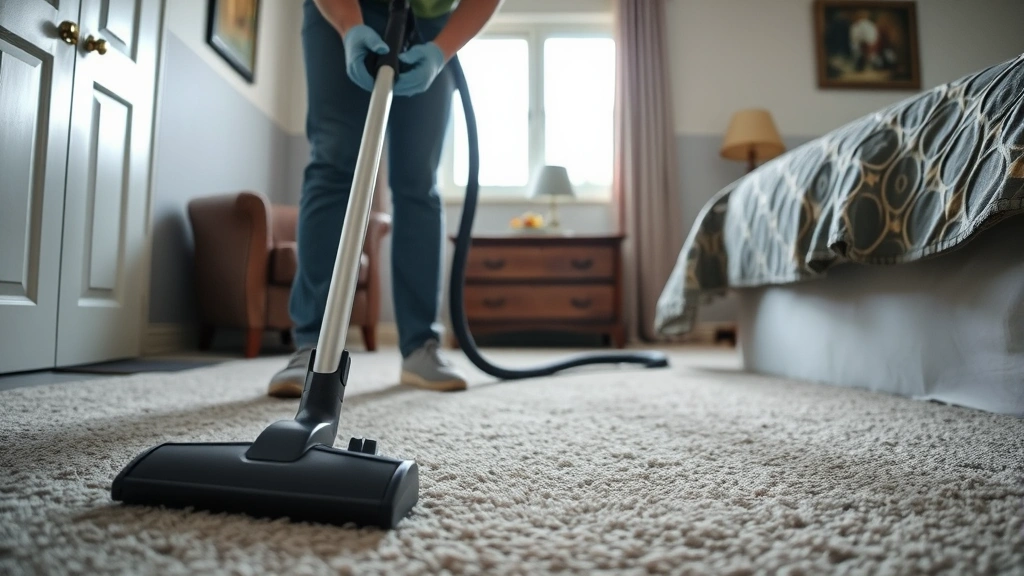
Larval control focuses on environmental treatment. Vacuuming carpets, washing pet bedding in hot water, and cleaning furniture removes eggs and larvae. Insecticide sprays designed for indoor use can target larvae in carpets and crevices, though they typically won’t penetrate deep cocoons. This is why repeated treatments at 7-14 day intervals are necessary—you’re killing newly emerging larvae while waiting for pupae to develop into adults vulnerable to treatments.
Egg control is challenging because eggs are resistant to most pesticides. Environmental management—removing organic debris where eggs fall—is the primary strategy. Thorough vacuuming not only removes visible eggs but also disrupts the microenvironment where they develop. Some modern flea treatments include insect growth regulators (IGRs) that prevent eggs from developing into viable larvae, effectively sterilizing the population.
Pupal control is largely impossible through direct treatment, which is why strategies focus on preventing pupae from forming in the first place. Killing larvae before cocoon formation and targeting emerging adults prevents the pupal stage from becoming a bottleneck in your control efforts. This is why comprehensive treatment lasting 8-12 weeks is typically recommended—you need enough time to eliminate all fleas before new pupae can form.
Prevention and Long-Term Management
Preventing flea infestations is dramatically more effective than treating established ones. Year-round preventive medications protect pets from flea bites and reproductive success. These preventives work through various mechanisms—some repel fleas, others kill them on contact, and still others prevent reproduction. Consulting with your veterinarian about the best option for your specific pet and situation is essential.
Environmental prevention involves creating conditions unfavorable to flea development. Regular vacuuming, especially in areas where pets sleep, removes eggs and larvae. Washing pet bedding weekly in hot water kills all lifecycle stages. Maintaining moderate humidity levels and regular cleaning disrupts the stable microenvironments fleas require. These practices are particularly important during warmer months when flea development accelerates.
Wildlife management prevents reinfection from external sources. Rodents and wildlife can carry fleas into your home, restarting infestations despite successful pet treatment. Sealing entry points, removing food sources that attract wildlife, and controlling rodent populations reduces this risk. If you have multiple pets, treating all of them simultaneously is essential—a single untreated animal can sustain an infestation affecting the entire household.
Long-term management requires consistency. Skipping preventive treatments during winter months can result in explosive infestations when warm weather returns. Many pest control professionals recommend year-round prevention, even in cold climates, because indoor heating maintains flea-favorable conditions. Understanding the flea growth cycle emphasizes why this consistency matters—a single breeding pair can restart an entire infestation within weeks.
Monitoring your pet regularly for fleas helps catch infestations early when they’re most manageable. Using a flea comb—a specialized tool with fine teeth—can reveal flea presence before you notice bites. Early detection allows for prompt treatment before populations explode. Additionally, monitoring helps you verify that your preventive strategy is working effectively.
For those interested in broader growth concepts, exploring personal growth strategies and motivation improvement techniques can help maintain the discipline necessary for consistent flea prevention routines. While different domains, the principle of sustained effort toward prevention rather than crisis management applies universally.
Professional pest control services offer additional options for severe infestations. Exterminators use specialized equipment and treatments that penetrate deep into carpets and furniture where fleas hide. They understand environmental factors affecting flea development and can recommend customized strategies for your specific situation. Combining professional treatment with consistent home management and pet preventives provides the most comprehensive approach.
Research from the National Center for Biotechnology Information demonstrates that integrated pest management approaches combining multiple strategies are significantly more effective than single-method treatments. This scientific backing supports the importance of addressing all lifecycle stages simultaneously.
FAQ
How long does the complete flea lifecycle take?
Under optimal conditions (75-85°F, 70-85% humidity), the complete flea lifecycle from egg to reproductive adult takes approximately 2-3 weeks. However, cooler temperatures and lower humidity can extend this to 8 weeks or longer. Pupae can remain dormant for months or even years, waiting for appropriate conditions to emerge.
Can fleas survive on humans?
While fleas can bite humans, they cannot complete their lifecycle on human hosts. Fleas require mammalian hosts with fur or hair for extended survival and reproduction. They may bite humans but will not establish permanent populations on people. Pet fleas occasionally bite humans, but the infestation remains focused on pets and the home environment.
Why do fleas keep coming back after treatment?
Fleas reappear after treatment primarily because control efforts failed to address all lifecycle stages simultaneously. Pupae protected in cocoons can emerge weeks after visible fleas disappear. Additionally, untreated pets, wildlife, or incomplete environmental cleaning can sustain populations. This is why extended treatment periods and consistent prevention are necessary.
What’s the best time to treat for fleas?
Year-round prevention is ideal, though this is particularly critical from spring through fall when flea development accelerates. If you discover an infestation, immediate treatment of all pets and the home environment is essential. Delaying treatment allows exponential population growth, making infestations increasingly difficult and expensive to control.
Do all flea prevention medications work the same way?
No, different flea preventives use various mechanisms. Some kill adult fleas on contact, others repel them, and many include insect growth regulators that prevent egg and larval development. Oral medications, topical treatments, and collars vary in effectiveness and duration. Your veterinarian can recommend the most appropriate option for your pet’s age, health status, and lifestyle.
Can vacuuming alone eliminate a flea infestation?
While regular vacuuming is an essential component of flea control, it cannot alone eliminate established infestations. Vacuuming removes eggs and larvae but cannot kill protected pupae in cocoons. Additionally, adult fleas on pets continue reproducing. Vacuuming is most effective as part of comprehensive treatment including pet preventives and environmental management.
How often should I vacuum to prevent fleas?
During flea season or when treating an infestation, vacuuming high-traffic areas and pet sleeping areas 2-3 times weekly is recommended. Regular vacuuming removes eggs and larvae before they develop into adults. As part of prevention during off-season months, weekly vacuuming helps maintain a flea-free environment.


