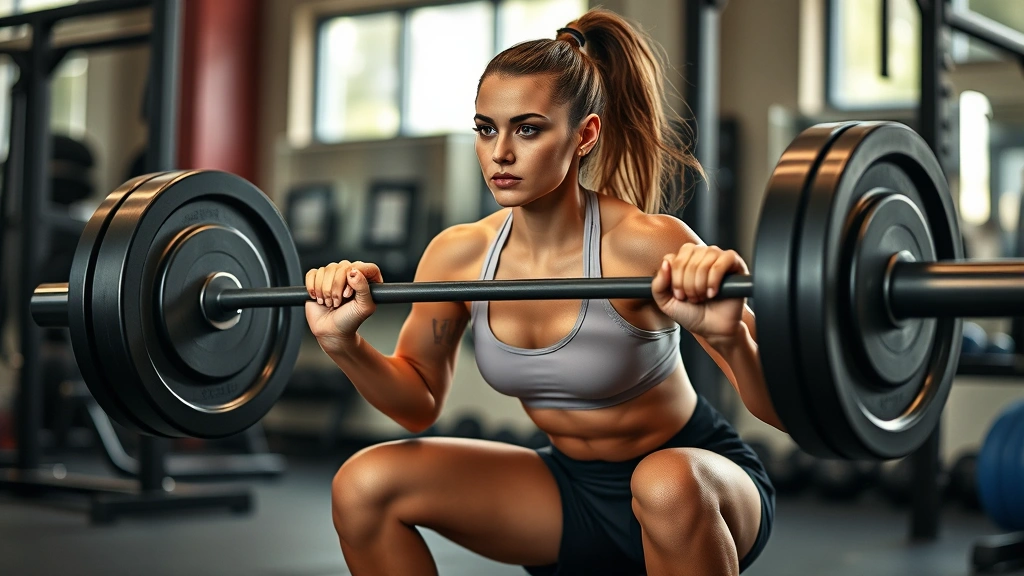
Unlock Female Muscle Growth: Trainer Tips Inside
Female muscle growth has become one of the most transformative fitness movements in recent years, challenging outdated myths and empowering women to build strength on their own terms. Whether you’re a beginner picking up weights for the first time or an experienced athlete looking to break through plateaus, understanding the science behind female muscle growth is essential for sustainable results. The journey isn’t just about aesthetics—it’s about building confidence, resilience, and a stronger version of yourself from the inside out.
What makes female muscle development unique is the interplay between hormonal factors, training methodology, and nutritional strategy. Women have approximately 15-20% less muscle mass than men on average, but this doesn’t mean the potential for growth is limited. With the right approach, women can build impressive strength and muscle definition while developing the mental fortitude that comes with dedicated training. This comprehensive guide draws from certified trainers, sports physiologists, and real-world success stories to provide you with actionable strategies for maximizing your muscle-building potential.

Understanding Female Muscle Physiology
The foundation of effective female muscle growth begins with understanding how your body actually builds muscle tissue. Women’s bodies respond to resistance training through the same fundamental mechanisms as men’s bodies—muscle protein synthesis, mechanical tension, and metabolic stress—but the hormonal context creates a different training landscape. Research published in Sports Medicine demonstrates that women can achieve similar relative strength gains as men when training protocols are properly designed.
The role of hormones in female muscle development deserves particular attention. Testosterone, while present in women at levels 15-20 times lower than men, remains crucial for muscle protein synthesis and strength adaptation. Estrogen, often misunderstood in fitness contexts, actually plays a protective role in muscle recovery and can enhance training adaptations when hormonal cycles are considered in programming. Many women find that strategically timing their training intensity around their menstrual cycle—emphasizing strength work during the follicular phase when testosterone peaks—yields superior results.
Another critical factor is the concept of relative strength versus absolute strength. While women may not achieve the same absolute lifting numbers as men, the percentage gains in strength and muscle mass can be equally impressive. A woman who increases her squat from 135 pounds to 225 pounds demonstrates the same transformative capacity for muscle development as someone with different starting parameters. This perspective shift is essential for maintaining growth mindset motivation throughout your training journey.

Progressive Overload: The Foundation of Growth
Progressive overload is the non-negotiable principle underlying all muscle growth, regardless of gender. Your muscles adapt to demands placed upon them, which means continuously increasing stimulus is necessary for continued development. For female muscle growth, this means systematically increasing weight, volume, or intensity over time through deliberate training adjustments.
The most straightforward approach involves increasing weight lifted by 5-10% when you can complete your target reps with good form. However, progressive overload extends beyond simply adding plates to the bar. You can increase training volume by adding sets or reps, decrease rest periods between sets to increase metabolic stress, or improve exercise form to create greater muscle tension. A comprehensive review in the European Journal of Sports Science confirms that progressive overload through multiple mechanisms produces superior muscle development outcomes.
Tracking your workouts becomes essential for implementing progressive overload effectively. Maintain detailed records of exercises, weights, reps, and sets. Many women find that digital apps or simple spreadsheets provide the accountability and data necessary to identify patterns and opportunities for progression. The psychological benefit of seeing documented progress—knowing that you lifted heavier or performed more reps than last month—fuels continued effort and reinforces your personal growth trajectory.
One often-overlooked aspect of progressive overload for female muscle growth is managing fatigue. Women’s bodies typically recover slightly faster than men’s from intense training, but this doesn’t mean unlimited volume is beneficial. Balancing progression with adequate recovery prevents injury and burnout. A practical strategy involves rotating between “accumulation phases” (higher volume, moderate intensity) and “intensification phases” (lower volume, higher intensity) every 4-6 weeks.
Nutrition Strategies for Muscle Building
Nutrition forms the literal building blocks of female muscle growth. Without proper fueling, even the most perfectly designed training program yields suboptimal results. The three nutritional pillars supporting muscle development are adequate protein intake, sufficient caloric energy, and strategic micronutrient management.
Protein intake represents the most critical nutritional factor. Research recommends 1.6-2.2 grams of protein per kilogram of bodyweight daily for individuals engaged in resistance training. For a 140-pound woman, this translates to approximately 100-140 grams of protein daily. This amount supports muscle protein synthesis—the physiological process where your body constructs new muscle tissue. Distribute protein intake across 3-4 meals to optimize muscle protein synthesis throughout the day, as consuming 25-40 grams per meal appears optimal for triggering this response.
Caloric intake creates another crucial consideration for female muscle growth. While building muscle requires energy surplus, many women fear excessive calorie consumption. The reality is more nuanced: you need sufficient calories to support training performance and recovery, but not so many that fat gain becomes problematic. Most women building muscle benefit from eating at maintenance calories or a modest 200-300 calorie surplus. This approach allows muscle gain while minimizing unnecessary fat accumulation.
Carbohydrates deserve recognition as performance-enhancing nutrients. Many female athletes unnecessarily restrict carbs, which impairs training intensity and recovery. Carbohydrates fuel high-intensity resistance training, replenish muscle glycogen, and support hormonal balance. Aim for 4-7 grams of carbohydrates per kilogram of bodyweight daily, adjusting based on training volume and intensity. Time a significant portion of carbs around your training window to maximize performance and recovery.
Micronutrients—particularly iron, vitamin D, and B vitamins—warrant specific attention for women. Iron deficiency is more common in women than men due to menstrual blood loss, and inadequate iron impairs oxygen transport and muscle function. Vitamin D supports muscle function, hormonal balance, and mood regulation. Many women, especially those in northern climates or with limited sun exposure, benefit from supplementation or increased dietary sources.
Training Programming That Works
Effective training programming for female muscle growth prioritizes compound movements, adequate volume, and appropriate intensity. The best program combines these elements with consistency and progressive challenge.
Compound exercises form the foundation of any serious muscle-building program. Squats, deadlifts, bench presses, rows, and overhead presses recruit multiple muscle groups and elicit the greatest hormonal response. These movements should anchor your training, occupying the primary focus during each session. A effective weekly structure might include:
- Day 1: Lower body emphasis (squats, deadlifts, leg accessories)
- Day 2: Upper body push (bench press, overhead press, tricep work)
- Day 3: Recovery or light activity
- Day 4: Upper body pull (rows, pull-ups, bicep work)
- Day 5: Lower body emphasis or full-body
- Days 6-7: Rest or active recovery
Training volume—total sets and reps—drives muscle growth more than any single factor. Research suggests that 10-20 sets per muscle group weekly optimizes hypertrophy. This might mean 3-4 sets of a primary compound movement, followed by 2-3 sets each of 2-3 accessory exercises targeting the same muscle group. Progressive volume increase through additional sets, reps, or frequency accelerates female muscle growth.
Rep ranges for female muscle growth span 6-15 reps, with most benefit occurring in the 8-12 rep range. Heavy strength work (3-6 reps) builds neuromuscular adaptations and confidence. Moderate rep ranges (8-12 reps) optimize the balance between mechanical tension and metabolic stress. Higher rep ranges (12-15+ reps) provide training variety and reduce joint stress while still stimulating growth.
Intensity—how close to failure you train—represents another programmable variable. Training to or near muscular failure (1-2 reps remaining) appears optimal for hypertrophy, but this doesn’t mean every set should reach failure. Varying intensity across your training week, with some sessions emphasizing submaximal work and others pushing closer to failure, provides optimal stimulus while managing fatigue and injury risk.
Recovery and Hormonal Optimization
Female muscle growth occurs during recovery, not during training. This fundamental principle means that prioritizing sleep, stress management, and hormonal health is as important as training itself. Sleep research consistently demonstrates that inadequate sleep impairs muscle protein synthesis, increases cortisol, and reduces training performance.
Aim for 7-9 hours of quality sleep nightly. Sleep quality matters as much as quantity—maintain consistent sleep schedules, keep your bedroom cool and dark, and minimize screen exposure before bed. During deep sleep stages, your body releases growth hormone and completes muscle repair processes. Insufficient sleep directly undermines your female muscle growth potential regardless of training quality.
Stress management deserves equal emphasis. Chronic stress elevates cortisol, a hormone that can interfere with muscle protein synthesis and promote fat storage, particularly around the midsection. Implement stress-reduction practices including meditation, yoga, nature exposure, or engaging hobbies. The strategies for increasing motivation often overlap with stress management techniques.
Menstrual cycle tracking provides valuable insights for optimizing female muscle growth. The follicular phase (days 1-14 of your cycle) coincides with higher estrogen and testosterone, making this period ideal for pushing intensity and attempting personal records. The luteal phase (days 15-28) may require slightly adjusted programming—focusing on steady effort rather than maximum intensity—due to shifting hormone levels that can affect performance and recovery.
Supplementation can support female muscle growth when foundational nutrition is solid. Creatine monohydrate—the most researched sports supplement—increases muscle creatine stores and supports training performance and muscle gains in women just as effectively as men. Whey protein powder provides convenient protein when whole foods fall short. Beta-alanine may improve performance during higher-rep training. Consult with a sports nutritionist before adding supplements to ensure alignment with your specific needs.
Overcoming Mental Barriers
The psychological dimensions of female muscle growth deserve recognition alongside physical factors. Many women encounter internalized barriers rooted in societal messaging about femininity, strength, and body image. Overcoming these mental obstacles proves as transformative as physical training adaptations.
Reframing strength as inherently feminine represents a crucial mindset shift. Strong muscles don’t make you “bulky” or “less feminine”—they make you capable, resilient, and confident. Countless women discover that building muscle transforms not just their physical appearance but their self-perception and life approach. Setting specific muscle-building goals with clear metrics creates accountability and tangible progress markers.
Comparison culture poses another psychological challenge. Social media exposes you to countless fitness transformations and physiques, potentially triggering inadequacy or discouragement. Remember that genetics, training history, age, and access to resources vary dramatically. Your only legitimate comparison is yourself—yesterday versus today, this month versus last month. Celebrating incremental progress builds the resilience necessary for long-term female muscle growth.
Body image concerns may intensify during muscle-building phases as your appearance changes. Initial water retention from training, temporary bloating from increased carb intake, and shifting body composition all create temporary discomfort. Trusting the process and focusing on performance metrics—how much you can lift, how you feel, increased energy—rather than appearance helps navigate this transition.
Finding community amplifies motivation and sustainability. Training with supportive partners, joining women-focused fitness groups, or connecting with online communities of women pursuing muscle growth provides encouragement, accountability, and practical knowledge-sharing. Witnessing other women’s transformations reinforces what’s possible and normalizes strength-seeking among females.
Common Mistakes to Avoid
Understanding what impedes female muscle growth accelerates your progress. Several common mistakes undermine even well-intentioned training efforts.
Insufficient training volume represents the most prevalent error. Women often perform too few sets and reps, insufficient to trigger meaningful muscle adaptation. Commit to the 10-20 sets per muscle group weekly guideline and adjust upward as tolerable. More volume—when recovered from adequately—produces superior results.
Neglecting progressive overload traps many women in perpetual plateaus. Performing identical workouts indefinitely produces no progress. Establish a system for tracking and increasing demands. Even adding one rep or five pounds monthly produces significant long-term development.
Inadequate protein intake limits muscle construction despite perfect training. Many women consume 40-60 grams daily—insufficient for serious muscle-building. Commit to 100+ grams daily through food and supplementation if necessary.
Excessive cardio can interfere with female muscle growth if overdone. While some cardiovascular training supports health, excessive long-duration cardio creates energy deficit and interferes with recovery. Limit steady-state cardio to 2-3 sessions weekly, 20-30 minutes each, prioritizing strength training.
Poor form prioritization undermines safety and effectiveness. Ego lifting—selecting weights too heavy to control—produces suboptimal muscle tension and injury risk. Choose weights that allow 1-2 reps remaining in reserve while maintaining pristine form.
Inconsistency destroys progress regardless of program quality. Skipping workouts, irregular training schedules, and inconsistent nutrition prevent adaptation. Commit to your program for minimum 12 weeks before evaluating effectiveness. Most women see notable changes in 8-12 weeks with consistent adherence.
Ignoring recovery needs creates the opposite problem of insufficient volume. Pushing hard without adequate sleep, nutrition, and stress management triggers overtraining, injury, and burnout. Female muscle growth requires balance between stimulus and recovery.
FAQ
How long does it take to see female muscle growth results?
Most women observe noticeable changes within 8-12 weeks of consistent training with proper nutrition. Initial changes include improved definition, increased strength, and better training performance. Significant muscle mass changes typically require 12-24 weeks or longer depending on training experience, genetics, and adherence. Set realistic timelines and focus on consistent effort rather than rapid transformation.
Will building muscle make me bulky?
No. Female hormones, particularly lower testosterone levels, make “bulking up” significantly more difficult than many women fear. Building muscle creates definition and curves rather than the blocky appearance some imagine. You’ll look more toned, athletic, and strong—not bulky—unless you intentionally pursue extreme muscle gain.
Can I build muscle while losing fat?
Yes, particularly if you’re new to resistance training or returning after a long break. “Body recomposition”—simultaneously building muscle and losing fat—occurs most readily when training intensity is high, protein intake is adequate, and caloric deficit is modest (200-300 calories below maintenance). This process occurs more slowly than dedicated muscle-building phases but produces superior aesthetic and functional outcomes.
How often should I train each muscle group?
Training each muscle group 2-3 times weekly optimizes female muscle growth. This frequency allows sufficient volume accumulation while permitting adequate recovery between sessions. A typical approach trains each major muscle group twice weekly through varied movement patterns and intensities.
What’s the best exercise for female muscle growth?
No single “best” exercise exists, but compound movements recruiting multiple muscles—squats, deadlifts, bench presses, and rows—produce superior results compared to isolation exercises. Prioritize these fundamental movements, then supplement with targeted accessory work addressing specific goals or weaknesses.
Should women train differently than men?
The fundamental principles of muscle building apply universally, but women benefit from acknowledging hormonal cycles, potentially adjusting programming around menstrual phases, and addressing specific injury prevention needs (particularly knee and shoulder concerns). Beyond these considerations, effective female muscle growth follows the same progressive overload, volume, and intensity principles as male training.
How does my menstrual cycle affect training?
The follicular phase (first half of cycle) coincides with higher testosterone and may support greater strength gains and training intensity. The luteal phase (second half) may require slightly reduced intensity, though consistent training remains beneficial. Tracking your cycle alongside training performance reveals personal patterns informing optimal programming.
What supplements support female muscle growth?
Creatine monohydrate, whey protein powder, and beta-alanine represent evidence-supported supplements when foundational nutrition is solid. Vitamin D supplementation benefits many women, particularly those in northern climates. Consult sports nutrition professionals before adding supplements to ensure alignment with your needs and goals.


