
Do Weights Stunt Growth? Expert Insights on Strength Training and Physical Development
One of the most persistent myths in fitness circles is that weightlifting stunts growth in young people. Parents worry, coaches hesitate, and teenagers second-guess their training decisions based on this widespread belief. But what does the science actually say? The truth is far more nuanced and reassuring than the myth suggests. Proper strength training, when performed correctly with appropriate loads and technique, does not stunt growth and may actually support healthy physical development.
This comprehensive guide explores the relationship between weightlifting and growth, examines the research, addresses common concerns, and provides evidence-based recommendations for safe training. Whether you’re a young athlete, a concerned parent, or someone looking to develop a personal growth mindset around fitness, understanding the facts will help you make informed decisions about strength training.
The Origin of the Growth-Stunting Myth
Understanding where this myth originated helps explain why it persists so strongly. The belief that weights stunt growth likely emerged from a combination of outdated assumptions and misinterpretations of early sports medicine research. In the mid-20th century, when strength training became more popular, limited scientific understanding about adolescent physiology led to conservative recommendations that discouraged young people from lifting weights.
The myth gained traction because it seemed logical: if heavy weights could damage growth plates (the soft cartilage areas at the ends of bones where growth occurs), then strength training must be dangerous for developing bodies. This intuitive reasoning, combined with anecdotal stories and cautionary tales, created a cultural narrative that persisted even as scientific evidence contradicted it. Many parents, coaches, and educators inherited this belief without questioning whether modern research supported it.
Importantly, this myth reflects a broader pattern in human psychology where we cling to established beliefs even when evidence suggests otherwise. Developing a fixed vs growth mindset about fitness means being open to updating our understanding based on new evidence rather than accepting outdated assumptions.

Understanding Growth Plates and How They Work
To properly evaluate whether weights stunt growth, we need to understand what growth plates are and how they function. Growth plates, scientifically called epiphyseal plates, are areas of cartilage located near the ends of long bones. These specialized tissues contain rapidly dividing cells that create new bone tissue, allowing bones to lengthen during childhood and adolescence.
Growth plates remain relatively soft and flexible compared to mature bone tissue. They eventually ossify (harden into bone) when growth is complete, typically between ages 16-25 depending on the individual and specific bone. This natural process of growth and ossification is largely determined by genetics, nutrition, sleep, and hormonal factors—not by the presence or absence of strength training.
The concern about weightlifting centers on the idea that heavy loads might damage these delicate structures. However, growth plates are remarkably resilient when exposed to appropriate stress. In fact, moderate mechanical stress actually stimulates bone strengthening and remodeling. The issue arises only with excessive force, improper technique, or loads that exceed what the developing body can safely handle—problems that apply to any physical activity, not just weightlifting.
What Research Actually Shows
Modern sports medicine research comprehensively addresses the weight-and-growth question. Multiple systematic reviews and meta-analyses have examined this relationship, and the consensus is clear: properly supervised resistance training does not stunt growth in adolescents and young adults.
A landmark study published in Sports Medicine reviewed decades of research on pediatric resistance training and found no evidence that appropriately prescribed strength training negatively impacts growth. In fact, researchers noted that the risk of injury from properly conducted resistance training is lower than many popular youth sports, including football, basketball, and soccer. The American Academy of Pediatrics, the American College of Sports Medicine, and the National Strength and Conditioning Association all endorse age-appropriate resistance training for healthy adolescents.
Research from PubMed Central, the free full-text archive of biomedical and life sciences journals, demonstrates that adolescents who engage in supervised strength training actually show improved bone density, better movement patterns, and reduced injury risk in sports. These benefits extend beyond physical development to include psychological improvements like enhanced confidence and discipline—key components of personal development that connect to broader motivation strategies.
The key distinction in research is between appropriate and inappropriate training. Studies showing negative outcomes typically involved excessive loads, poor supervision, inadequate recovery, or underlying conditions. When young people follow evidence-based guidelines with qualified instruction, growth remains unaffected while physical and mental benefits accumulate.
Safe Weightlifting Guidelines for Young Athletes
If weights don’t stunt growth, how should young people approach strength training? Evidence-based guidelines provide clear recommendations:
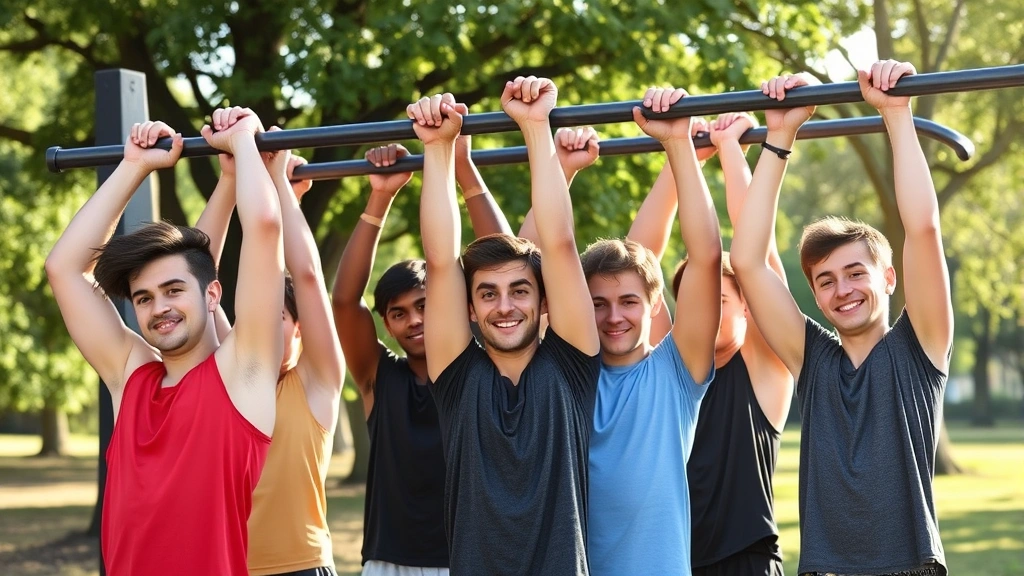
- Start with bodyweight exercises: Push-ups, pull-ups, squats, and planks build foundational strength without equipment
- Progress gradually: Introduce light weights only after mastering proper form with bodyweight movements
- Focus on technique: Perfect form matters infinitely more than heavy loads for developing athletes
- Use appropriate loads: Weights should allow 8-15 repetitions with proper form; if form breaks down, the load is too heavy
- Limit volume initially: Start with 2-3 sessions per week, 20-30 minutes each, focusing on compound movements
- Emphasize recovery: Adequate sleep (8-10 hours for adolescents) and nutrition are non-negotiable
- Seek qualified instruction: Work with certified strength coaches or trainers experienced with young athletes
These guidelines align with recommendations from the American College of Sports Medicine, which emphasizes that resistance training for youth should be progressive, supervised, and focused on developing proper movement patterns rather than maximum strength.
Proper Technique and Form Matter Most
The most critical factor in safe strength training isn’t the weight itself—it’s the quality of movement. Poor form with light weights carries more injury risk than proper form with heavier loads. This principle applies equally to young and adult athletes.
Proper technique accomplishes several important things: it ensures the intended muscles are working, protects joints from excessive stress, and builds neural pathways that support long-term athletic development. When a young person learns to squat, deadlift, or press with excellent form, they’re not just building muscle—they’re developing movement competency that prevents injury and supports athletic performance.
Video analysis and mirror feedback help young lifters self-correct. Many modern gyms and training facilities offer this technology, making it easier than ever to maintain form standards. Additionally, understanding the principles of growth mindset helps young athletes embrace coaching feedback as an opportunity to improve rather than as criticism, fostering both physical and mental development.
Common form mistakes to avoid include: rounding the spine during deadlifts, allowing knees to collapse inward during squats, using momentum rather than controlled movements, and lifting too heavy too quickly. Addressing these issues requires patience, practice, and expert guidance—investments that pay dividends throughout a lifetime of training.
Nutrition and Recovery Support Growth
While proper weightlifting technique doesn’t stunt growth, inadequate nutrition and recovery certainly can. This is where many young athletes struggle. The body needs sufficient calories, protein, and micronutrients to support both growth and training adaptations.
Developing athletes require more calories per kilogram of body weight than adults because they’re simultaneously growing and training. Protein intake should range from 1.2-2.0 grams per kilogram of body weight daily, distributed across multiple meals. Carbohydrates fuel training sessions and support recovery, while healthy fats support hormonal function—all essential for natural growth.
Sleep represents perhaps the most underrated growth factor. During sleep, the body releases growth hormone, repairs muscle tissue, and consolidates neural learning. Young athletes should target 8-10 hours nightly. Poor sleep combined with heavy training can actually suppress growth hormone production, creating a genuine risk that has nothing to do with weightlifting itself.
Hydration, micronutrient intake (especially calcium, vitamin D, iron, and zinc), and stress management round out the recovery picture. Young people who train hard but neglect these fundamentals may experience growth slowdowns—not from the training itself, but from systemic insufficiency. This holistic perspective on health and development acknowledges that physical growth depends on total lifestyle factors.
Building a Growth-Focused Training Mindset
Beyond the physical aspects, strength training offers profound psychological benefits that support overall development. Young people who engage in proper resistance training develop discipline, resilience, and confidence—qualities that transfer to academics, relationships, and career pursuits.
The training process itself teaches valuable lessons: progress requires consistent effort, setbacks are temporary, improvement comes gradually, and proper technique matters more than ego. These principles form the foundation of a growth mindset that extends far beyond the gym.
Setting realistic training goals and tracking progress helps young athletes maintain motivation and see tangible results. This connects directly to broader goal-setting strategies that apply across life domains. When a young person successfully completes a training progression they’ve planned, they build confidence that transfers to other challenges.
Additionally, the community aspect of training—whether in a gym, team setting, or with a coach—provides social connection and accountability. These psychological and social dimensions of strength training may ultimately prove more valuable than the physical adaptations, supporting comprehensive personal development during critical years.
FAQ
At what age can someone safely start weightlifting?
Young people can begin supervised resistance training as early as age 7-8 with bodyweight exercises and simple movements. Structured weightlifting with light loads can begin around age 10-12 with proper instruction. The key is progression and supervision, not age cutoffs.
Does weightlifting affect height?
No. Weightlifting does not affect final height. Height is determined by genetics, nutrition, sleep, and hormonal factors. Proper strength training, combined with adequate nutrition and recovery, actually supports healthy growth and development.
Can heavy lifting cause growth plate injuries?
Growth plate injuries are possible with any physical activity if loads exceed what the body can safely handle or if technique is poor. However, supervised resistance training with appropriate loads carries lower injury rates than many youth sports. Injuries result from excessive stress, poor form, or inadequate recovery—not from weightlifting itself.
Should young athletes avoid certain exercises?
Young athletes should focus on movements that develop proper technique and fundamental strength: squats, deadlifts, presses, rows, and pulls. Advanced movements like Olympic lifts require specialized coaching. Avoiding exercises isn’t necessary; prioritizing progression and form is essential.
How can I tell if my child’s training is too intense?
Signs of overtraining include persistent fatigue, declining performance, mood changes, sleep disruption, loss of appetite, and frequent illness. If these occur, reduce training volume and intensity, ensure adequate recovery, and consult healthcare providers. Proper training should feel challenging but sustainable.
What’s the relationship between strength training and sports performance?
Properly designed resistance training improves athletic performance, reduces injury risk, and supports long-term athletic development. Young athletes who strength train appropriately show better movement quality, greater power, and enhanced resilience compared to those who don’t.


