Can Derma Rolling Boost Hair Growth? Expert Insights and Scientific Evidence
Hair loss affects millions of people worldwide, prompting desperate searches for solutions that actually work. Among the trending treatments gaining popularity is derma rolling—a minimally invasive technique that proponents claim can stimulate hair growth and restore thickness. But does the science back up these claims, or is derma rolling another overhyped wellness trend? This comprehensive guide explores the evidence, mechanisms, and practical applications of derma rolling for hair growth, helping you make informed decisions about whether this treatment deserves a place in your personal growth and self-improvement journey toward better health.
Hair thinning and loss can significantly impact self-confidence and quality of life. While pharmaceutical treatments like minoxidil and finasteride have established track records, many people seek alternative or complementary approaches. Derma rolling has emerged as an intriguing option that bridges the gap between professional dermatological treatments and at-home care routines. Understanding how this technique works, what research reveals, and how to use it safely is essential before investing time and money into this treatment method.
What Is Derma Rolling and How Does It Work?
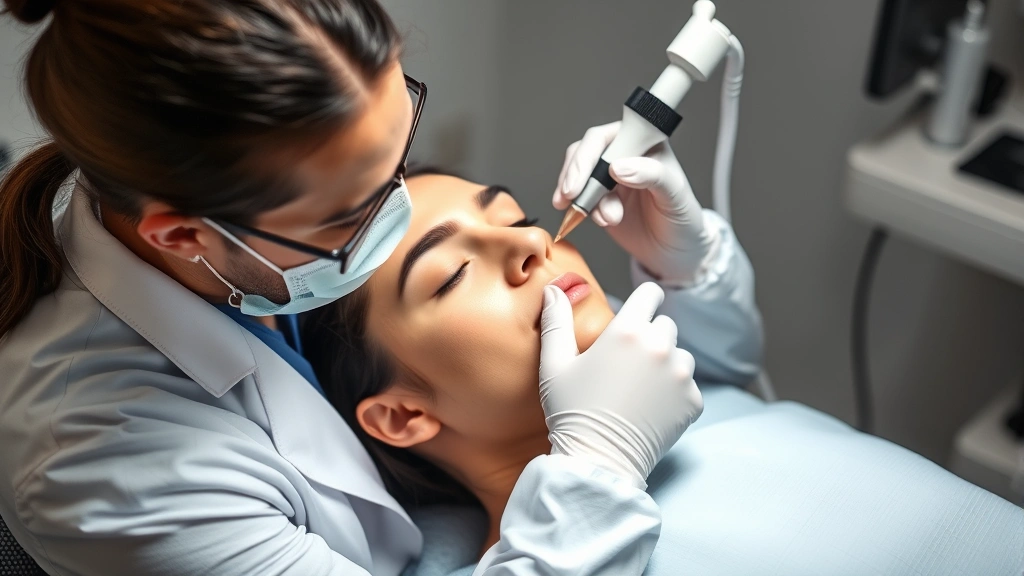
Derma rolling, also called microneedling, involves using a handheld device covered with tiny needles to create controlled micro-injuries on the skin’s surface. The device typically contains between 200 and 1,000 needles, depending on the model and intended use. When rolled across the scalp, these needles puncture the skin at shallow depths, triggering the body’s natural healing response.
The mechanism is elegantly simple: your body perceives these micro-injuries as damage requiring repair. This triggers increased blood flow to the area, stimulates collagen production, and activates growth factors that may benefit hair follicles. The scalp, like all skin, responds to this stimulus by initiating inflammatory and healing cascades that theoretically create an optimal environment for hair growth.
Hair follicles exist in different growth phases: anagen (active growth), catagen (transition), and telogen (resting). The theory behind derma rolling suggests that increased blood flow and growth factor activation can extend the anagen phase, keeping more hairs in their active growth stage longer. Additionally, the procedure may improve scalp health by increasing nutrient delivery and removing dead skin cells that could block follicles.
Different needle depths serve different purposes. Shorter needles (0.5mm) primarily affect the epidermis and stimulate superficial healing. Medium needles (0.75-1.0mm) penetrate deeper into dermal layers where hair follicles reside. Professional treatments may use needles up to 2.0mm or deeper, requiring trained practitioners. The depth you choose significantly impacts both results and safety considerations.
The Science Behind Derma Rolling for Hair Growth
Research on derma rolling for hair growth has produced encouraging but still-emerging evidence. A landmark study published in the International Journal of Dermatology demonstrated that microneedling combined with topical minoxidil produced significantly better results than minoxidil alone. Patients using the combination treatment showed greater hair regrowth, suggesting that derma rolling enhances the efficacy of existing hair loss medications.
The mechanism involves several biological pathways. When needles create micro-injuries, they stimulate the release of growth factors including insulin-like growth factor (IGF-1), vascular endothelial growth factor (VEGF), and fibroblast growth factor (FGF). These compounds are crucial for hair follicle health and proliferation. Research from the National Center for Biotechnology Information shows that these growth factors directly influence hair follicle cycling and can extend the growth phase.
Blood flow enhancement is another critical factor. The scalp requires adequate circulation to deliver oxygen and nutrients to hair follicles while removing metabolic waste. Derma rolling increases blood perfusion to treated areas, potentially improving the microenvironment where hair grows. This increased nutrient availability may strengthen existing hairs and support new growth from dormant follicles.
However, it’s important to note that most research on microneedling for hair growth involves combination treatments. Few studies examine derma rolling as a standalone therapy. This distinction matters significantly when evaluating realistic expectations. The treatment appears most effective when integrated into a comprehensive hair health strategy rather than relied upon exclusively.
Studies also suggest that derma rolling may improve scalp conditions that inhibit hair growth. Seborrheic dermatitis, psoriasis, and other inflammatory scalp conditions can contribute to hair loss. By promoting skin turnover and reducing inflammation, derma rolling may address underlying scalp health issues. Research published in Dermatology Practical & Conceptual indicates that improved scalp health correlates with better hair growth outcomes.
The collagen induction theory also supports derma rolling’s potential. Hair follicles are anchored in dermal tissue rich in collagen. Age and stress deplete collagen, potentially weakening follicle support structures. Derma rolling stimulates fibroblasts to produce new collagen, potentially strengthening the follicle’s foundation. This structural improvement may enhance hair retention and growth quality.
Needle Size and Frequency: Finding the Right Approach
Choosing the appropriate needle length is crucial for balancing efficacy with safety. For hair growth specifically, most experts recommend needles between 0.5mm and 1.5mm. Needles shorter than 0.5mm may not penetrate deeply enough to reach hair follicles effectively. Needles longer than 1.5mm increase infection risk and require professional administration, though they may produce stronger results.
The 1.0mm needle length appears to be the sweet spot for at-home use. It penetrates sufficiently to stimulate growth factors in the dermal layer where hair follicles reside, yet remains shallow enough for safe self-application. Professional treatments using 1.5mm or deeper needles should only be performed by licensed dermatologists or trained practitioners.
Frequency of treatment also matters significantly. The scalp needs time to heal between sessions. Most experts recommend derma rolling once weekly for hair growth purposes. Some protocols suggest every 10-14 days, allowing adequate recovery while maintaining consistent stimulation. Rolling more frequently than weekly risks compromising the skin barrier and increasing infection risk without proportional benefits.
Your personal commitment to consistent treatment directly influences results, much like achieving goals requires sustained effort. If you’re interested in how to set and achieve your goals effectively, the same principles apply to hair growth treatments—consistency, patience, and realistic timelines prove essential.
Treatment duration should span at least 3-6 months before evaluating results. Hair growth cycles take time, typically 3-6 months for visible changes. Expecting overnight results sets you up for disappointment. Patience combined with consistent application represents the realistic approach to derma rolling for hair growth.
Combining Derma Rolling With Other Treatments
The strongest evidence supports derma rolling as part of a comprehensive approach rather than a standalone solution. Combining derma rolling with topical treatments amplifies effectiveness. Minoxidil (Rogaine) application immediately after derma rolling allows deeper penetration of the active ingredient, potentially increasing its efficacy. The micro-channels created by needling facilitate better absorption of topical compounds.
Other complementary treatments include platelet-rich plasma (PRP) therapy, which uses concentrated growth factors from your own blood. Applying PRP immediately after derma rolling maximizes delivery to newly created micro-channels. Studies show this combination produces superior results compared to either treatment alone, though PRP requires professional administration and significant investment.
Nutritional support enhances derma rolling results. Hair growth depends on adequate protein, iron, zinc, biotin, and other micronutrients. Combining derma rolling with nutritional optimization creates synergistic effects. Consulting with a healthcare provider about potential deficiencies ensures your body has the building blocks necessary for hair growth.
Low-level laser therapy (LLLT) and red light therapy complement derma rolling nicely. These treatments stimulate mitochondrial function in hair follicles, enhancing cellular energy production. Using LLLT after derma rolling capitalizes on the increased blood flow and growth factor activity already initiated by needling.
The principle of working smarter, not harder applies here. Rather than maximizing one intervention, working smarter with integrated approaches produces better outcomes than relying on single treatments. This strategic thinking extends beyond hair care into broader personal development practices.
Safety Considerations and Potential Risks
While derma rolling is generally considered safe when performed correctly, risks exist. The most common side effect is temporary redness and mild irritation immediately following treatment. This typically resolves within 24-48 hours. Some users experience slight scaling or flaking as the skin sheds dead cells, a normal part of the healing process.
Infection represents a more serious potential complication. Derma rolling creates open micro-channels in the skin, temporarily compromising the barrier function. Using non-sterile equipment or poor technique significantly increases infection risk. Always use sterile, medical-grade derma rollers and follow strict sanitization protocols. Never share derma rollers, and sterilize your device before and after each use with isopropyl alcohol or a sterilizing solution.
Individuals with certain conditions should avoid derma rolling or consult healthcare providers first. Active infections, severe acne, rosacea, or compromised immune systems present contraindications. Medications affecting skin healing, such as isotretinoin (Accutane), warrant medical consultation before derma rolling. Pregnant women should avoid this treatment due to insufficient safety data.
Excessive derma rolling damages the skin barrier and causes more harm than benefit. Rolling too frequently, using excessive pressure, or employing needles that are too long can result in scarring, persistent irritation, or worsening of existing hair loss. Conservative, consistent application proves safer and more effective than aggressive approaches.
Sun protection becomes critical after derma rolling. The newly healed skin is photosensitive and vulnerable to UV damage. Apply broad-spectrum SPF 30 or higher daily for at least a week following treatment. This protects healing skin and prevents post-inflammatory hyperpigmentation that could be particularly noticeable on darker skin tones.
Real Results: What to Expect
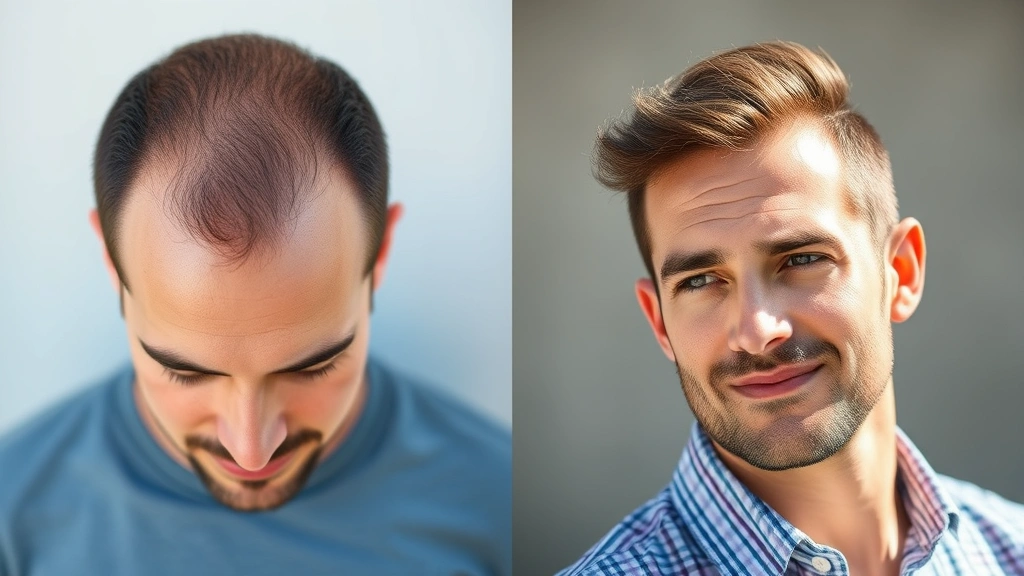
Realistic expectations are crucial for evaluating derma rolling success. Most users don’t experience dramatic hair regrowth. Instead, improvements typically manifest as increased hair thickness, improved hair quality, reduced shedding, or slower hair loss progression. These subtle changes accumulate over months, creating noticeable differences by the 6-month mark.
Results vary significantly based on the underlying cause of hair loss. Derma rolling appears most effective for androgenetic alopecia (male/female pattern baldness) when combined with other treatments. Telogen effluvium (stress-induced hair shedding) may respond well to derma rolling’s stress-reducing and circulation-improving effects. Alopecia areata (autoimmune hair loss) requires more aggressive professional treatment and may not respond as well to at-home derma rolling.
Hair density improvements typically range from 10-30% after consistent treatment over 3-6 months when combined with other therapies. Standalone derma rolling may produce more modest results, around 5-15% improvement. These percentages represent the difference between continued hair loss and stabilization or slight regrowth—meaningful improvements that significantly impact appearance and confidence.
Timeline expectations matter for maintaining motivation. Most users notice initial changes around 8-12 weeks. Significant visible improvements typically require 4-6 months of consistent treatment. Hair growth cycles mean that even if you’re stimulating new growth, existing hairs must complete their growth phase before shedding and being replaced with thicker, healthier hairs.
Your mindset and commitment influence outcomes. Research on growth mindset principles demonstrates that believing in treatment efficacy and maintaining consistent habits produces better results than inconsistent, skeptical approaches. This psychological component shouldn’t be underestimated when evaluating real-world outcomes.
Photography documentation helps track progress that might be difficult to notice day-to-day. Taking photos under consistent lighting and angles every 4-6 weeks provides objective evidence of changes. Many users are pleasantly surprised when reviewing before-and-after photos after several months of consistent derma rolling.
FAQ
How often should I derma roll for hair growth?
Once weekly with 1.0mm needles represents the standard recommendation for at-home derma rolling. Some protocols suggest every 10-14 days if your scalp is particularly sensitive. Never roll more than once weekly, as this increases infection risk and skin barrier damage without proportional benefits. Consistency matters more than frequency—weekly rolling for six months produces better results than sporadic aggressive treatment.
Can I use derma rolling if I’m taking finasteride or minoxidil?
Yes, derma rolling combines safely with both treatments and may enhance their effectiveness. Apply finasteride as prescribed, then perform derma rolling separately. For minoxidil, many experts recommend applying it immediately after derma rolling to maximize penetration through the micro-channels created by needling. Allow at least 24 hours between treatments if you have sensitive skin, though simultaneous use is generally safe.
What needle length is safest for at-home use?
The 1.0mm needle length offers the optimal balance of efficacy and safety for at-home derma rolling on the scalp. Shorter needles (0.5mm) may be less effective for hair growth but carry minimal risk. Longer needles (1.5mm+) should only be used by licensed professionals. Never exceed 1.5mm for self-administered scalp treatment, as deeper penetration significantly increases infection and scarring risks.
How long before I see results from derma rolling?
Most users notice initial improvements around 8-12 weeks of consistent weekly treatment. Significant visible changes typically require 4-6 months. Hair growth cycles mean that stimulation must occur consistently across multiple growth cycles before dramatic improvements manifest. Set realistic expectations of 10-30% improvement in hair density when combined with other treatments, with standalone derma rolling producing more modest 5-15% improvements.
Is derma rolling effective for alopecia areata?
Derma rolling shows limited effectiveness for alopecia areata, an autoimmune condition requiring more aggressive professional treatment. While derma rolling may help with androgenetic alopecia and telogen effluvium, autoimmune hair loss typically requires topical corticosteroids, intralesional injections, or systemic immunosuppressive treatments. Consult a dermatologist before attempting derma rolling for alopecia areata to ensure you’re pursuing appropriate evidence-based treatment.
Can derma rolling cause permanent damage?
Excessive derma rolling with inappropriate technique or needle lengths can cause scarring, persistent irritation, or permanent skin damage. However, proper technique with appropriate needle lengths and frequency rarely causes permanent damage. The key is using sterile equipment, maintaining proper hygiene, following recommended frequency guidelines, and avoiding excessive pressure. If you experience persistent pain, severe swelling, or signs of infection, discontinue use and consult a dermatologist.
Should I derma roll before or after applying hair growth serums?
Derma roll first, then apply serums or topical treatments immediately afterward. The micro-channels created by needling remain open for approximately 24 hours, allowing enhanced penetration of topical products. This timing maximizes the benefit of combining treatments. Allow the scalp to fully heal (24-48 hours) before washing to avoid disrupting the healing process or introducing bacteria into open channels.


