Understanding Crepe Myrtle Growth: A Gardener’s Complete Guide to Thriving Ornamental Trees
Crepe myrtles are among the most rewarding ornamental trees for gardeners seeking long-lasting beauty and relatively low maintenance. These deciduous flowering shrubs and trees, native to Southeast Asia, have become beloved staples in American gardens, particularly in warmer climates. Understanding the crepe myrtle growth habit is essential for anyone looking to maximize their landscape potential and ensure these stunning plants reach their full ornamental glory.
The journey to mastering crepe myrtle cultivation mirrors the principles of creating a culture of growth mindset—it requires patience, observation, and a willingness to adapt your approach based on what you learn. Just as personal development demands understanding your own growth patterns, successful gardening requires comprehending how your plants naturally develop. This guide will equip you with the insights needed to nurture crepe myrtles that not only survive but truly flourish.
The Fundamental Growth Habit of Crepe Myrtles
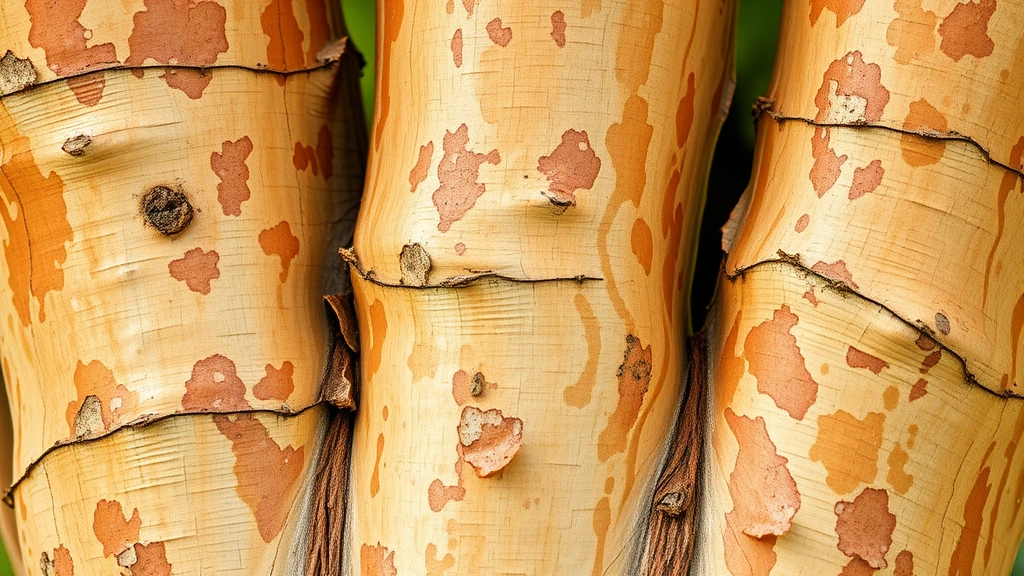
Crepe myrtles exhibit a distinctive multi-stemmed growth pattern that sets them apart from many other ornamental trees. Most varieties naturally develop as large shrubs or small trees, typically reaching heights between 15 and 30 feet depending on the cultivar, though dwarf varieties remain much smaller. The characteristic exfoliating bark—which peels away to reveal smooth, mottled trunks in shades of tan, gray, cinnamon, and cream—is one of the most visually striking features that develops as these plants mature.
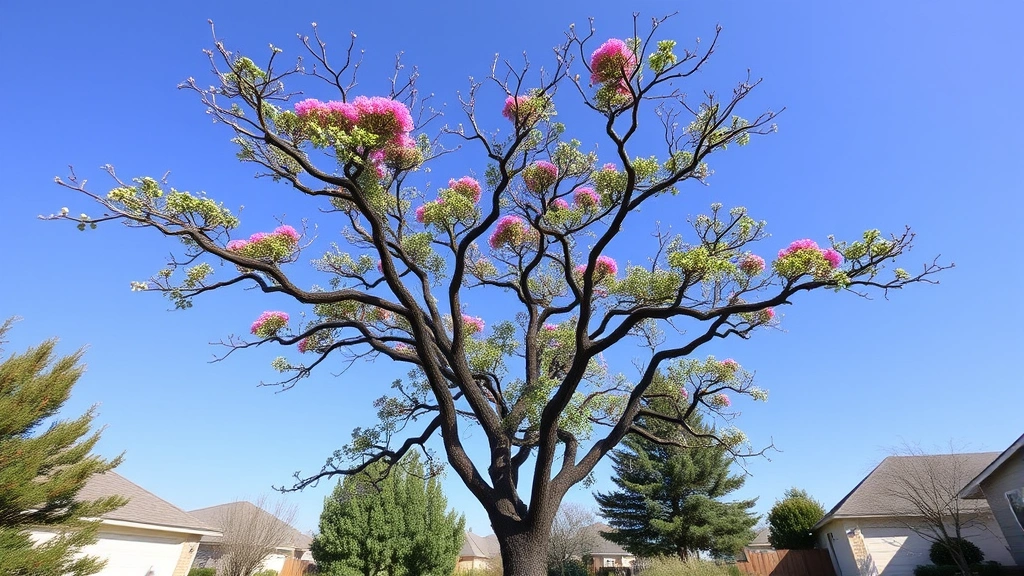
The growth habit of crepe myrtles is inherently vase-shaped or upright-spreading, meaning they naturally grow wider at the top than at the base. This natural architecture makes them excellent choices for creating focal points in landscapes or serving as specimen trees. Understanding this innate growth pattern helps gardeners work with rather than against the plant’s natural tendencies, resulting in more beautiful and healthy specimens.
Young crepe myrtles typically grow relatively slowly during their first few years, establishing strong root systems before putting on significant above-ground growth. This initial investment in root development is crucial for long-term health and resilience. Once established—usually by the third to fourth growing season—crepe myrtles accelerate their growth rate considerably, adding 12 to 24 inches of height annually under favorable conditions.
The wood of crepe myrtles is relatively soft and flexible, which allows them to sway gracefully in wind without breaking. This characteristic also means they respond well to pruning and shaping, making them ideal for gardeners who want to influence their trees’ final form. However, this flexibility requires proper training during the juvenile stage to develop strong structural branches.
Seasonal Growth Patterns and Timing
Crepe myrtles follow a predictable seasonal cycle that gardeners should understand to provide appropriate care at each stage. Spring growth typically begins later than many other plants—often not until late April or May in temperate zones—which can cause gardeners to worry unnecessarily that their trees haven’t survived winter. This delayed spring emergence is completely normal and actually beneficial, as it helps the plant avoid damage from late frosts.
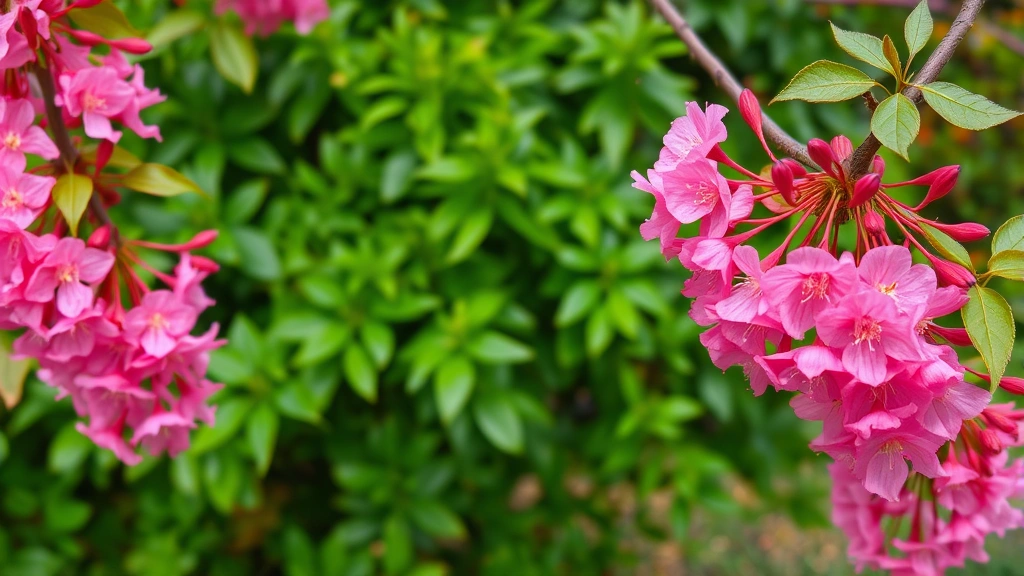
During late spring and early summer, crepe myrtles enter their primary growth phase, with vigorous elongation of stems and rapid leaf development. This is when the plant establishes the framework for flowering. By mid-summer, growth slows somewhat as the plant redirects energy toward flower bud formation. The spectacular flower displays—which occur in colors ranging from white and pink to red and purple—typically begin in July and can continue through September with proper care.
Much like pursuing personal growth requires understanding different life phases, managing crepe myrtles effectively means recognizing their seasonal priorities. Fall brings a glorious display of foliage colors—oranges, reds, and purples—before the plant enters dormancy. Winter dormancy is essential for crepe myrtles, particularly in colder climates, as it allows the plant to rest and prepare for the following season’s growth.
The dormant season is actually an excellent time for major pruning work, as you can clearly see the plant’s structure without foliage obscuring your view. Pruning during dormancy also stimulates vigorous spring growth and encourages abundant flowering. Most gardeners find late winter—February through early March in most regions—to be the ideal pruning window.
Optimal Growing Conditions for Maximum Development
Sunlight is arguably the most critical factor influencing crepe myrtle growth habit and flowering success. These plants are sun-worshippers that require at least six to eight hours of direct sunlight daily to thrive. In full sun conditions, crepe myrtles develop dense foliage, abundant flowers, and vibrant fall colors. Shade significantly reduces flowering and can lead to weak, leggy growth as the plant stretches toward available light.
Soil conditions profoundly affect how crepe myrtles develop. These adaptable plants tolerate a wide range of soil types but perform best in well-draining soil with moderate fertility. Overly rich soil can promote excessive vegetative growth at the expense of flowers. Conversely, poor, compacted soil restricts growth and development. Ideally, aim for slightly acidic to neutral soil with good organic matter content. Amending planting sites with compost helps establish young trees and improves long-term performance.
Water management during the establishment period—the first two to three growing seasons—is crucial for developing strong, healthy specimens. Young crepe myrtles need consistent moisture without waterlogging. Once established, these plants become remarkably drought-tolerant, a characteristic that makes them excellent choices for water-conscious landscapes. Deep, infrequent watering encourages deeper root development compared to shallow, frequent watering.
Temperature and hardiness zones influence crepe myrtle selection and growth patterns significantly. Different cultivars have varying cold tolerance, ranging from USDA zones 6 through 11. In colder zones, plants may experience winter dieback, which actually can encourage bushier growth from the base. Understanding your specific hardiness zone helps you select cultivars that will thrive in your climate and develop their full potential.
Fertilization should be approached thoughtfully when growing crepe myrtles. Excessive nitrogen promotes leafy growth at the expense of flowers and can create weak stems prone to disease. A balanced, slow-release fertilizer applied in early spring typically provides all the nutrients these plants need. Some gardeners find that minimal to no fertilization produces superior flowering, particularly in established plants.
Pruning Techniques to Shape Your Trees
Proper pruning is essential for developing crepe myrtles with strong structure and abundant flowering. The most important principle is understanding that crepe myrtles flower on new growth, meaning that aggressive pruning stimulates more flowers rather than reducing them. However, the popular practice of “crepe murder”—severe heading back that removes most of the plant—is generally discouraged by horticulturists as it creates weak growth, disease susceptibility, and unnatural appearance.
The preferred approach is selective pruning that removes crossing branches, weak growth, and seed pods while maintaining the plant’s natural form. This technique, sometimes called “crepe myrtling,” involves making cuts just above branch junctions to encourage proper branching structure. Remove any growth that crosses through the plant’s center or rubs against other branches. Eliminate thin, weak stems that won’t support flowers.
Deadheading—removing spent flower clusters—encourages continuous blooming throughout the season. This practice redirects energy from seed production back into flower formation. Many gardeners find that deadheading extends the blooming period by several weeks. Simply cut just below the spent flower cluster, being careful not to damage emerging growth below.
Training young crepe myrtles is far easier than correcting structural problems in mature plants. As young plants establish, encourage development of three to five strong main stems with wide branch angles. Remove lower branches gradually as the tree grows, creating the characteristic vase-like form. This early training investment pays dividends throughout the plant’s life.
Winter pruning should focus on removing dead or diseased wood, crossing branches, and any growth that detracts from the desired form. Avoid heavy pruning that removes more than 25 percent of the plant’s canopy in a single season. This conservative approach maintains plant health and vigor while still encouraging beautiful form development.
Managing Size and Encouraging Branching
Selecting the right cultivar for your space is the most effective size management strategy. Crepe myrtles come in a range of mature sizes, from dwarf varieties reaching only 3 to 4 feet to tree-form cultivars exceeding 30 feet. Understanding the expected mature size of your chosen variety prevents the common mistake of planting a large-growing cultivar in a space meant for a smaller plant.
The company growth strategy principle of strategic planning applies equally to landscape design—choosing appropriately-sized plants from the start prevents future problems. Many gardeners plant dwarf or semi-dwarf varieties, which offer easier maintenance and better proportions in residential landscapes.
Encouraging branching and fullness requires understanding how crepe myrtles respond to pruning. Heading back stems to outward-facing buds stimulates branching just below the cut. This principle allows gardeners to create fuller, more densely-branched plants. Making cuts at 45-degree angles just above healthy buds ensures proper healing and vigorous new growth.
Thinning cuts—removing entire branches at their base—maintain the plant’s natural form while reducing density if needed. This approach differs from heading back and creates a more open, sculptural appearance. Many gardeners prefer the aesthetic of selectively thinned crepe myrtles to heavily headed plants.
Rejuvenation pruning becomes necessary for older, overgrown crepe myrtles that have become tall and leggy. This process involves removing 25 to 33 percent of the oldest, thickest canes each year over a three-year period, allowing the plant to develop new, vigorous growth from the base. This patient approach prevents shock while gradually transforming the plant into a more desirable form.
Common Growth Problems and Solutions
Powdery mildew is a fungal disease that commonly affects crepe myrtles, particularly in humid conditions or when air circulation is poor. This white, powdery coating on leaves reduces photosynthesis and plant vigor. Prevention through proper spacing, adequate sunlight, and air circulation is most effective. Fungicidal sprays can help manage infections, though resistant cultivars are the best long-term solution.
Aphids frequently infest new growth on crepe myrtles, feeding on plant sap and excreting sticky honeydew. While generally not life-threatening, heavy infestations can weaken plants and promote fungal growth on the honeydew. Vigorous water spray often removes aphids, and insecticidal soaps provide safe control if needed. Natural predators like ladybugs also help manage populations.
Chlorosis—yellowing of leaves while veins remain green—indicates nutrient deficiency, often iron. This condition typically results from overly alkaline soil. Applying chelated iron products or soil acidifiers can help correct the problem. However, addressing the underlying soil pH issue provides more permanent solutions.
Slow growth or failure to thrive usually stems from poor site selection. Insufficient sunlight, compacted soil, waterlogged conditions, or improper planting depth all restrict development. Evaluating growing conditions and making necessary adjustments—such as relocating the plant or improving soil drainage—often resolves growth issues more effectively than attempting to fix problems through fertilization.
Weak flowering despite healthy foliage growth typically results from excessive nitrogen fertilization, insufficient sunlight, or improper pruning timing. Reducing or eliminating fertilizer, ensuring adequate sunlight, and pruning only during dormancy usually restores abundant flowering.
Winter injury in cold climates can damage or kill tender growth. Selecting cold-hardy cultivars appropriate for your hardiness zone prevents this problem. In marginal climates, planting on protected sites and avoiding fall fertilization that stimulates tender new growth helps plants survive winter successfully.
Frequently Asked Questions
How fast do crepe myrtles grow?
Established crepe myrtles typically grow 12 to 24 inches annually, though growth rates vary by cultivar and growing conditions. Young trees grow more slowly during establishment, usually adding 6 to 12 inches per year. Full-size cultivars reach mature height within 10 to 15 years under ideal conditions.
When is the best time to plant crepe myrtles?
Fall and early spring are ideal planting times, allowing roots to establish before intense summer heat or winter cold. Container-grown plants can be planted anytime during the growing season if provided adequate water. Avoid planting during peak summer heat or late fall when plants can’t establish roots before winter.
Can crepe myrtles grow in containers?
Yes, particularly dwarf and semi-dwarf cultivars thrive in large containers. Container-grown plants require more frequent watering and regular fertilization compared to in-ground specimens. Choose containers at least 18 to 24 inches deep with excellent drainage. Container plants may need winter protection in cold climates.
How long do crepe myrtles live?
With proper care, crepe myrtles can live 50 years or longer. Some specimens in favorable conditions have exceeded 100 years. Longevity depends on cultivar selection, growing conditions, and maintenance practices. Well-maintained plants in appropriate hardiness zones consistently outlive neglected specimens.
What’s the difference between crepe myrtles and other flowering trees?
Crepe myrtles flower on new growth, meaning they bloom later in the season than many other trees and respond well to pruning. Their exfoliating bark provides winter interest when other trees are bare. Extended bloom time—often July through September—offers aesthetic advantages over trees that flower briefly in spring.
Should I fertilize my crepe myrtle?
Established crepe myrtles often need little to no fertilization, particularly in average to fertile soil. Young plants benefit from balanced fertilizer applied in early spring. Avoid excessive nitrogen, which promotes foliage at the expense of flowers. Soil testing helps determine actual nutrient needs rather than applying fertilizer unnecessarily.
Understanding crepe myrtle growth habits empowers gardeners to make informed decisions that support thriving, beautiful plants. By aligning your practices with how these plants naturally develop, you create landscapes that bring joy for decades. Just as growth mindset quotes inspire personal development, studying plant growth patterns enhances gardening success. The insights gained from observing and working with crepe myrtles extend beyond horticulture, teaching patience, observation, and the rewards of thoughtful stewardship. Whether you’re a novice gardener or experienced landscaper, the principles outlined here will help you cultivate crepe myrtles that reach their full ornamental potential and provide lasting beauty to your outdoor spaces.


