
Can Adults Still Grow Taller? Doctor Explains the Science Behind Closed Growth Plates
The question echoes through countless conversations: “Is it too late for me to grow taller?” Whether you’re an adult who feels shortchanged by genetics or someone curious about human biology, understanding the science of height is crucial. The simple answer involves one critical concept—closed growth plates—but the fuller story reveals surprising possibilities for optimizing your stature and embracing meaningful personal growth in other dimensions of life.
Once your growth plates close during late adolescence, adding inches to your height through natural biological processes becomes virtually impossible. However, this doesn’t mean your journey toward self-improvement ends. Understanding why growth plates close, what happens after they seal, and how you can maximize your potential offers valuable insights into both physical development and the broader concept of growth mindset that extends far beyond mere measurements.

What Are Growth Plates and How Do They Work?
Growth plates, scientifically known as epiphyseal plates, are specialized areas of cartilage located near the ends of long bones. These remarkable structures function as biological blueprints for height development, containing rapidly dividing cells that gradually transform into bone tissue. Think of them as nature’s construction zones—constantly building, reshaping, and extending your skeletal framework during your developmental years.
During childhood and adolescence, growth plates are responsible for approximately 90% of your height increase. The process involves three distinct phases: proliferation (cells multiply), hypertrophy (cells enlarge), and ossification (cells transform into bone). This coordinated cellular activity, regulated by growth hormones and thyroid hormones, creates the gradual lengthening of bones that we perceive as growing taller. The consistency and efficiency of this process depend heavily on nutrition, sleep, exercise, and hormonal balance.
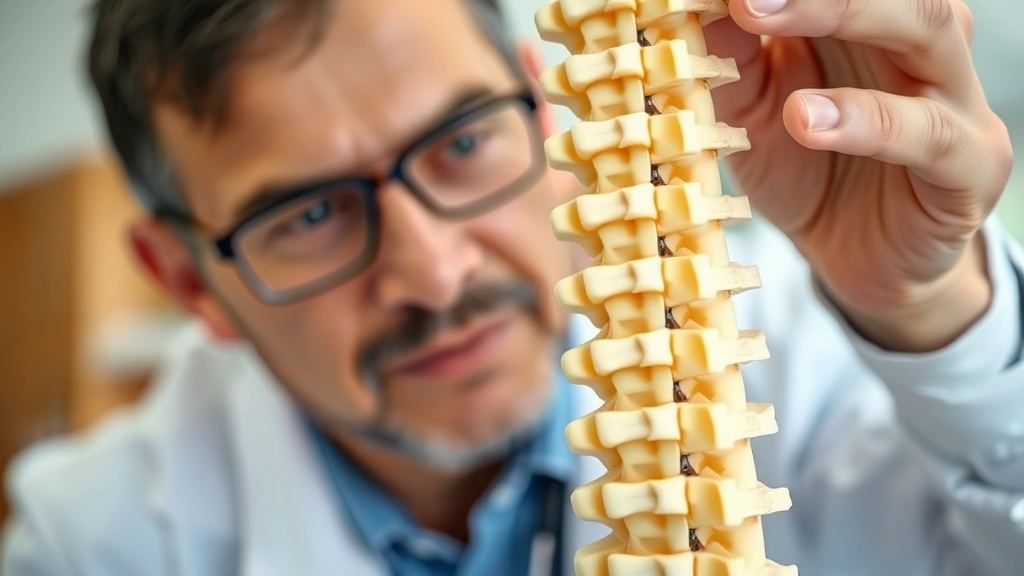
The femur (thighbone), tibia (shinbone), and fibula (smaller shin bone) contain the most substantial growth plates and contribute significantly to overall height. Spinal vertebrae also possess growth plates that influence trunk length, though their contribution to total height is less dramatic than leg bones. Understanding this anatomy helps explain why certain factors during development prove so critical for maximizing final height.
When Do Growth Plates Close?
Growth plate closure represents a natural biological milestone that varies considerably among individuals. Generally, growth plates begin closing during late teenage years, with the process typically completing by the early twenties. However, this timeline isn’t universal—some individuals finish growing by age sixteen, while others continue until their mid-twenties.
The closing sequence follows a predictable pattern: growth plates in the hands and feet typically seal first, followed by those in the legs, spine, and upper body. The last growth plates to close are usually located in the vertebrae and certain areas of the pelvis. Females generally experience growth plate closure one to two years earlier than males, which partly explains why boys often end up taller than girls on average.
Several factors influence the timing of closure, including genetics (the strongest predictor), nutritional status, hormonal levels, physical activity patterns, and overall health. Interestingly, research in pediatric endocrinology demonstrates that proper nutrition and exercise during adolescence can help maximize growth potential before plates seal permanently.
The Science of Closed Growth Plates
Once growth plates fully ossify—transforming entirely from cartilage to bone—they become rigid and incapable of further lengthening. This process is irreversible under normal biological circumstances. The closure creates a permanent seal that prevents the type of cellular division necessary for bone elongation. This is why the concept of “closed growth plates” represents such a definitive boundary in human height development.
The scientific mechanism behind this permanence involves the replacement of flexible cartilage with dense, mineralized bone tissue. Once this transformation completes, the growth plate essentially ceases to exist as a functional structure. No amount of stretching, supplements, or exercises can reactivate closed growth plates because the cellular machinery required for growth simply no longer exists in those locations.
Medical imaging, particularly X-rays, can reveal the status of growth plates through visualization of the epiphyseal line—the residual scar left after closure. Doctors use this assessment to determine skeletal maturity and predict remaining growth potential. Understanding this biological reality helps set realistic expectations and encourages focus on what remains within our control.
Can Adults Grow Taller After Growth Plates Close?
The definitive answer is no—adults cannot grow taller through natural biological processes once their growth plates close. This represents one of the few absolute biological boundaries in human physiology. However, this doesn’t mean your height journey ends at eighteen or twenty-five.
Several strategies can help adults appear taller or maintain their maximum height potential. Improving posture represents the most immediate and impactful approach. Many adults unconsciously slouch, compress their spines, and adopt forward-head positions that can reduce apparent height by one to three inches. Correcting posture through targeted exercises and body awareness can restore this lost stature.
Additionally, maintaining spinal health becomes increasingly important as adults age. The intervertebral discs—cushions between vertebrae—naturally compress throughout the day due to gravity and activity. This explains why you’re slightly taller in the morning than evening. Strategic stretching, inversion therapy, and proper ergonomics can help maintain disc hydration and prevent excessive compression.
For those genuinely concerned about height, orthopedic surgery exists as an extreme option. Limb-lengthening procedures, though rare and involving significant recovery periods, can add inches to adult height. However, these invasive surgeries carry risks and typically aren’t pursued unless medical necessity exists.
Maximizing Height Potential Before Closure
For adolescents and young adults approaching growth plate closure, several evidence-based strategies can help maximize height potential before this biological deadline arrives. These interventions work by optimizing the conditions under which growth plates operate most efficiently.
Nutrition proves absolutely foundational. Adequate protein intake supports bone and cartilage development, while calcium and vitamin D enable proper mineralization. Zinc, magnesium, and other micronutrients play crucial roles in growth hormone signaling. Research published in nutrition journals consistently demonstrates that malnourished children and teenagers fail to reach their genetic height potential, while well-nourished peers typically achieve it.
Sleep represents a non-negotiable growth factor. Growth hormone secretion peaks during deep sleep stages, particularly during the first few hours of the night. Adolescents should aim for eight to ten hours of quality sleep nightly. The Sleep Foundation’s research on adolescent sleep patterns confirms that insufficient sleep directly correlates with reduced height attainment.
Strategic exercise stimulates growth. Weight-bearing activities and sports that involve jumping—basketball, volleyball, running—generate mechanical stress on bones that triggers adaptive growth. Swimming, though excellent for overall fitness, provides less growth stimulus than impact-based activities. Resistance training should be approached cautiously during adolescence to avoid growth plate damage, though moderate strength work can be beneficial.
Stress management matters more than most realize. Chronic stress elevates cortisol, which interferes with growth hormone production and nutrient absorption. Meditation, yoga, and adequate social connection support optimal hormonal balance during critical growth years.
Posture and Spinal Decompression Strategies
While you cannot add bone length after growth plates close, you absolutely can optimize your visible height through postural improvements and spinal health practices. This distinction proves crucial for adults seeking to maximize their stature.
The human spine naturally curves in four locations: cervical (neck), thoracic (mid-back), lumbar (lower back), and sacral (base). Poor posture exaggerates these curves, particularly the thoracic kyphosis (forward rounding) and anterior pelvic tilt, effectively shortening your standing height. Correcting these patterns through targeted exercises restores natural alignment and reveals your true stature.
Effective postural correction involves:
- Wall angels: Standing with your back against a wall, raise arms in a “goal post” position and slowly slide them upward, strengthening upper back muscles
- Planks and core work: A strong core naturally supports upright positioning without conscious effort
- Chin tucks: Gently drawing your chin backward counteracts forward head posture, which can reduce visible height by two inches
- Hip flexor stretching: Tight hip flexors create anterior pelvic tilt; regular stretching restores neutral spine position
- Thoracic mobility work: Foam rolling and extension exercises open the chest and reverse rounded-shoulder posture
Spinal decompression techniques offer temporary but meaningful height gains. Hanging from a pull-up bar for thirty seconds creates gravitational traction that allows intervertebral discs to rehydrate and expand slightly. Inversion tables, when used safely, produce similar effects. These methods won’t permanently increase bone length but can add a quarter-inch to half-inch of visible height during and immediately after the activity.
The Psychological Impact of Height
Understanding the biological limits of height growth leads naturally to exploring why height matters psychologically. Height carries cultural significance disproportionate to its actual importance, influencing self-perception, confidence, and social interactions in measurable ways.
Research in social psychology reveals that height correlates with perceived authority, attractiveness, and success—associations that begin in childhood and persist throughout adulthood. Taller individuals receive certain advantages in leadership perception and, statistically, earn slightly higher salaries. This reality, while frustrating for shorter individuals, shouldn’t overshadow a crucial truth: height represents only one variable among countless factors determining life success and happiness.
The most psychologically healthy approach involves accepting your genetic reality while pursuing growth opportunities in areas within your control. Confidence, competence, communication skills, and character development create far more powerful impressions than the number of inches you stand tall. Many successful leaders, athletes, and influential figures fall below average height, succeeding through excellence in their domains and genuine self-acceptance.
For those struggling with height-related self-consciousness, cognitive reframing proves valuable. Shifting focus from “I’m too short” to “I maximize my potential in all controllable areas” redirects mental energy productively. Additionally, surrounding yourself with people who value you for your character rather than your stature naturally reduces height-related anxiety.
The concept of personal growth quotes often emphasize expanding beyond perceived limitations. Height provides a perfect metaphor: you cannot extend your bones indefinitely, but you can develop every other dimension of yourself without boundaries.
FAQ
At what age do growth plates typically close completely?
Growth plates usually close between ages eighteen and twenty-five, with females typically finishing one to two years earlier than males. However, individual variation exists significantly. X-rays can confirm whether your growth plates have closed if you need definitive answers.
Can stretching or exercises reopen closed growth plates?
No. Once growth plates ossify into bone tissue, they cannot reopen through any natural means. This represents an irreversible biological process. However, proper stretching and exercise can improve posture and spinal health to maximize visible height.
Do height-increasing supplements actually work?
Most commercial height supplements lack robust scientific evidence supporting their claims. If taken during active growth years, adequate nutrition—obtained through whole foods—proves far more effective than supplements. For adults with closed growth plates, supplements cannot increase bone length.
How much taller can improved posture make you appear?
Correcting poor posture can make you appear one to three inches taller immediately. This isn’t an illusion but rather revealing your true height that poor alignment had been masking. The effect becomes permanent as proper posture becomes habitual.
Is there any medical procedure to increase height after growth plate closure?
Limb-lengthening surgery exists but involves breaking bones, inserting devices to gradually separate them, and waiting months for new bone to form. It carries significant risks, requires extensive recovery, and costs tens of thousands of dollars. It’s rarely pursued unless medical necessity exists.
Can adults recover lost height from aging?
Aging naturally causes height loss through disc degeneration and postural changes. While you cannot reverse this process entirely, maintaining spinal health, proper posture, and core strength can minimize age-related height loss significantly. Regular exercise and good nutrition support spinal disc hydration.
Does growth hormone therapy help adults grow taller?
Growth hormone therapy in adults with closed growth plates does not increase height. Growth hormone affects metabolism, body composition, and bone density but cannot lengthen bones that lack functional growth plates. It’s prescribed only for specific medical conditions with documented growth hormone deficiency.


