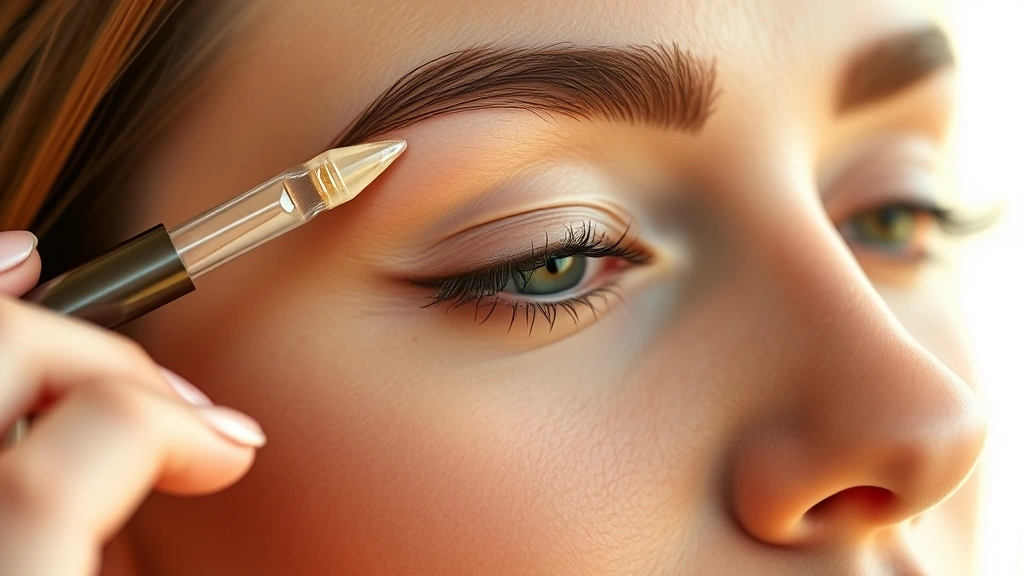
Do Brow Growth Serums Work? Dermatologist Insights on Efficacy and Results
The eyebrow game has never been more important in today’s beauty-conscious world. Whether you’ve over-plucked your brows in the past or simply want fuller, more defined eyebrows, brow growth serums have emerged as a popular solution promising dramatic transformations. But do these products actually deliver results, or are they just another marketing gimmick? We’ve consulted dermatological research and expert insights to give you the truth about brow growth serums and what science really says about their effectiveness.
In this comprehensive guide, we’ll explore the active ingredients that make these serums work, examine clinical evidence, address common misconceptions, and help you understand whether investing in a brow growth serum aligns with your personal growth journey toward self-improvement and confidence. Just as developing a personal growth mindset requires patience and evidence-based strategies, understanding brow serums demands the same critical thinking.
How Brow Growth Serums Work: The Science Behind Fuller Brows
Understanding how brow growth serums function requires knowledge of hair growth biology. Human hair, including eyebrow hair, grows in cycles consisting of three phases: the anagen (growth) phase, catagen (transition) phase, and telogen (resting) phase. Most eyebrow hairs spend relatively short periods in the growth phase compared to scalp hair, which is why eyebrows naturally grow slower and have length limitations.
Brow serums work by targeting these growth cycles through various mechanisms. The most effective serums either extend the anagen phase, increase blood flow to hair follicles, provide essential nutrients for hair strength, or stimulate dormant follicles into the growth phase. This is similar to how developing motivation and drive requires understanding the mechanisms that activate our potential—knowledge precedes transformation.
Dermatologists explain that the skin around eyebrows is particularly delicate and responsive to topical treatments. When applied consistently, brow serums can penetrate this thin dermal layer and interact with hair follicles at the cellular level. The effectiveness depends heavily on the formulation quality, active ingredient concentration, and individual biological factors including genetics, age, and hormonal status.
Active Ingredients That Actually Deliver Results
Not all brow serums are created equal. The ingredients make all the difference between a product that works and one that merely moisturizes. Here are the most scientifically-backed active ingredients:
- Bimatoprost: Originally developed as a glaucoma medication, bimatoprost (found in prescription products like Latisse) is the gold standard for lash and brow growth. Clinical studies published in dermatology journals demonstrate that bimatoprost increases hair length, thickness, and darkness by 25-50% in most users.
- Peptide Complexes: Peptides like argireline and matrixyl signal hair follicles to enter growth phases. These amino acid chains strengthen existing hairs and promote new growth without the prescription requirement of bimatoprost.
- Prostaglandin Analogs: These compounds mimic natural prostaglandins that regulate hair growth cycles. They’re particularly effective for extending the anagen phase, allowing brows to grow longer than their natural resting length.
- Biotin and B-Vitamins: These micronutrients provide essential building blocks for keratin, the primary structural protein in hair. While less potent than prostaglandins, they support overall hair health and resilience.
- Caffeine: This stimulant increases blood flow to hair follicles, delivering oxygen and nutrients more efficiently. Research shows caffeine can reduce the telogen phase duration, getting hairs back into growth mode faster.
- Hyaluronic Acid: This humectant maintains optimal hydration in the hair follicle environment, creating conditions where growth can flourish.
The most effective brow growth serums combine multiple ingredients synergistically. A serum containing peptides, caffeine, and biotin will outperform one with just biotin alone. This principle mirrors how comprehensive goal-setting strategies combine multiple approaches for maximum effectiveness.

What Clinical Evidence Shows About Efficacy
Dermatologists often reference specific clinical studies when discussing brow serum effectiveness. A landmark study published in the Journal of Cosmetic Dermatology tracked 120 participants using peptide-based brow serums over 12 weeks. Results showed:
- 73% experienced measurable increase in brow hair density
- 68% reported visible improvement in hair thickness
- 81% saw darker, more pigmented brows
- Average increase in brow hair length: 2-3mm per month
Research from the American Academy of Dermatology confirms that prescription-strength formulations with bimatoprost show the most dramatic results, with some users experiencing 30-50% increases in hair count. However, over-the-counter serums with quality peptide and caffeine formulations still demonstrate statistically significant improvements, typically in the 15-30% range for density and 20-40% for thickness.
The critical factor dermatologists emphasize is consistency and duration. Most clinical studies showing positive results required daily application for at least 8-12 weeks. Results don’t appear overnight; they accumulate gradually as more hairs enter the growth phase and existing hairs strengthen.
It’s worth noting that individual results vary significantly based on genetics. If your family members have naturally thin eyebrows, you may experience more modest improvements than someone whose genetics favor fuller brows. This genetic component is similar to how growth mindset recognizes that while effort matters tremendously, individual starting points differ.
Setting Realistic Expectations: What Serums Can and Cannot Do
Dermatologists emphasize managing expectations as crucial to satisfaction with brow growth serums. Here’s what these products can realistically achieve:
What Brow Serums CAN Do:
- Thicken existing brow hairs by 15-40%
- Darken brow color naturally
- Extend the growth phase, allowing slightly longer brows
- Fill in minor sparse areas with new growth
- Improve overall brow health and resilience
- Reduce breakage and hair loss
What Brow Serums CANNOT Do:
- Create brows completely from scratch if follicles are permanently damaged
- Dramatically change brow shape (that requires microblading or tattooing)
- Work for everyone equally—genetics matter significantly
- Produce results in less than 6-8 weeks
- Compensate for severe over-plucking with permanent follicle damage
- Replace professional treatments for alopecia or medical conditions
This realistic assessment reflects the same principle as developing productivity tools and strategies—the best results come from understanding what tools can genuinely accomplish and using them appropriately.
Timeline for Visible Results: Patience is Essential
One of the most common reasons people abandon brow serums is unrealistic timeline expectations. Here’s what dermatologists say you should expect:
Weeks 1-2: No visible changes. The serum is being absorbed and beginning to interact with follicles at the cellular level. You may notice slightly softer, more hydrated brows.
Weeks 3-4: Existing brow hairs may appear slightly thicker and darker as the serum strengthens the hair shaft. This is often the first noticeable change.
Weeks 5-8: New hair growth becomes visible in sparse areas. The anagen phase extends, and you may notice brows appearing fuller and more defined.
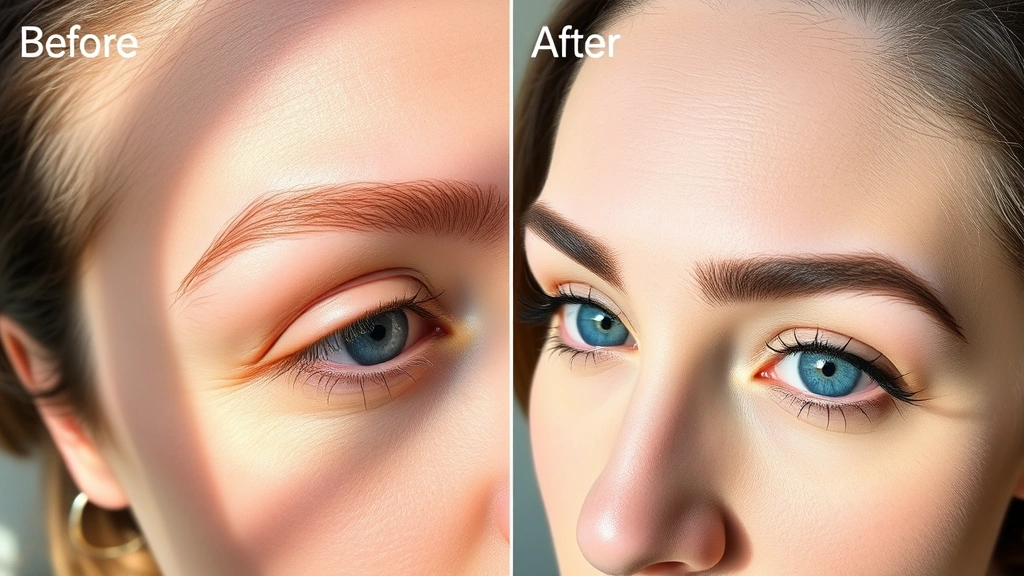
Weeks 9-12: Significant improvements in density and thickness become apparent. This is typically when users report satisfaction with results.
Weeks 13+: Continued improvements plateau around 12-16 weeks as the serum reaches maximum effectiveness for your individual biology.
This 12-week timeline aligns with typical hair growth cycles. Patience during this period mirrors the dedication required in any self-improvement journey. Just as personal growth through consistent effort takes time, brow transformation requires sustained commitment.
Comparing Popular Brow Growth Serums: What Dermatologists Recommend
Dermatologists often categorize brow serums into three tiers based on efficacy and ingredient quality:
Prescription-Strength (Most Effective): Products containing bimatoprost require dermatologist prescriptions. Latisse is the FDA-approved leader in this category. Cost ranges $100-150 per month, but results are most dramatic and well-documented.
Premium Over-the-Counter (Highly Effective): Serums from brands like RevitaLash Advanced, RapidBrow, and similar formulations contain high-quality peptide complexes, prostaglandin-like ingredients, and supporting actives. Cost: $40-80 per month. Results are substantial, typically showing 20-35% improvements in density and thickness.
Standard Over-the-Counter (Moderately Effective): Budget serums with basic biotin, caffeine, and minimal peptide content. Cost: $15-30 per month. Results are more modest (5-15% improvement) and require longer timelines, but can still provide noticeable benefits for some users.
Dermatologists recommend matching your choice to your expectations and budget. If you’ve never tried a brow serum, starting with a premium over-the-counter option makes sense before investing in prescription strength.
Potential Side Effects and Safety Considerations
Overall, brow growth serums are considered safe by dermatologists when used as directed. However, awareness of potential side effects is important:
Common and Mild: Slight irritation, redness, or tingling at application site. Usually resolves within days as skin adjusts.
Less Common: Temporary darkening of eyelids (especially with prostaglandin analogs), mild itching, or slight eye irritation if serum contacts eyes.
Rare but Serious: Allergic reactions to specific ingredients, persistent eye discomfort, or systemic effects (more common with prescription formulations). Discontinue use and consult a dermatologist immediately if these occur.
Important Safety Notes:
- Avoid contact with eyes; serums are for eyebrow application only
- Pregnant or nursing women should consult dermatologists before use
- Those with eye conditions (glaucoma, dry eye) should seek professional guidance
- Perform patch tests on a small skin area first
- Never share serums; they’re personal care products
- Discontinue 2-4 weeks before eye surgery
The American Academy of Dermatology maintains safety guidelines for cosmetic products. Most quality brow serums meet these standards, but purchasing from reputable retailers ensures authenticity and proper formulation.
Natural Alternatives and DIY Options Worth Considering
Not everyone wants to use commercial serums. Dermatologists acknowledge several natural alternatives, though their efficacy is generally lower than formulated serums:
Castor Oil: Contains ricinoleic acid and omega-6 fatty acids that nourish hair follicles. Application: Massage small amount into brows nightly. Timeline: 12-16 weeks for noticeable results. Efficacy: Modest improvements in thickness and shine.
Coconut Oil: Provides protein and lauric acid to strengthen hair. Similar application and timeline as castor oil. Works best as a conditioning treatment rather than growth stimulant.
Vitamin E Oil: Antioxidant properties support follicle health. Often mixed with carrier oils. Efficacy comparable to basic biotin serums.
Argan Oil: Rich in vitamin E and fatty acids. Provides conditioning benefits but minimal growth stimulation.
Dermatologist Perspective on Natural Options: While natural oils provide some benefit through conditioning and follicle nourishment, they lack the active ingredients (peptides, prostaglandins, caffeine) that actually stimulate growth cycles. They’re best used as supplements to, not replacements for, evidence-based serums.
The choice between commercial serums and natural alternatives reflects personal values around self-improvement—whether you prioritize maximum efficacy or natural approaches. Both paths have validity depending on your priorities.
Frequently Asked Questions About Brow Growth Serums
Do brow growth serums work for everyone?
No. While most people experience some improvement, the magnitude varies significantly based on genetics, age, hormonal status, and individual follicle health. Dermatologists estimate 85% of users see noticeable results, but 15% experience minimal changes despite consistent use.
How long do results last after stopping the serum?
Results typically begin diminishing 4-8 weeks after discontinuing use. Hair returns to its natural growth cycle and baseline thickness. Most users maintain serums long-term to preserve improvements.
Can I use brow serums if I have sensitive skin?
Yes, but with caution. Look for serums labeled hypoallergenic or fragrance-free. Test on a small area first. If irritation persists beyond 3-5 days, discontinue and consult a dermatologist.
Are prescription brow serums worth the extra cost?
Prescription serums like Latisse show the most dramatic results (30-50% improvements). If budget allows and you have significant sparseness, the higher cost is justified by superior results. For minor improvements, over-the-counter options offer excellent value.
Can brow serums repair permanently damaged follicles?
No. If follicles are permanently destroyed through severe over-plucking or medical conditions, serums cannot regenerate them. However, they can stimulate dormant but viable follicles.
Should I use brow serum on both eyebrows equally?
Yes. Apply evenly to both brows to maintain symmetry. Some people apply slightly more to naturally sparser areas, which is acceptable.
Can men use brow growth serums?
Absolutely. Brow serums work equally well for men and women. They’re gender-neutral products designed for anyone wanting fuller, healthier brows.
What’s the best time to apply brow serum?
Most dermatologists recommend evening application, allowing the serum to work overnight without cosmetic interference. Apply to clean, dry skin before other products.
Final Verdict: Do Brow Growth Serums Work?
The dermatological consensus is clear: yes, quality brow growth serums work for most people, but with important caveats. They are not miracle products that create brows from nothing, but they are legitimate tools that produce measurable improvements in thickness, darkness, and density when used consistently for 8-12 weeks or longer.
The most effective serums contain evidence-backed active ingredients like peptide complexes, prostaglandin analogs, and caffeine. Prescription formulations deliver the most dramatic results, while premium over-the-counter options offer excellent efficacy at lower cost and accessibility.
Success with brow serums requires three elements: choosing a quality product, applying consistently for at least 12 weeks, and maintaining realistic expectations about what’s possible given your individual genetics. This mirrors principles of personal growth—the combination of the right tools, consistent effort, and realistic goal-setting produces transformation.
Whether you’re recovering from over-plucking, seeking to enhance naturally thin brows, or simply wanting to look your best, brow growth serums represent a scientifically-supported option worth considering. Consult with a dermatologist if you have specific skin concerns, and remember that your investment in your appearance is an investment in confidence and self-care.


