
Boost Black Hair Growth: Top Products Reviewed
Hair growth is more than just a cosmetic concern—it’s deeply connected to self-confidence, cultural identity, and overall well-being. For individuals with textured and Black hair, finding the right black hair growth products can transform not only the health of your hair but also your daily routine and self-image. The journey toward healthier, longer hair requires understanding what works, why it works, and how to maintain consistency with products that genuinely deliver results.
Black hair has unique characteristics that demand specialized care. With naturally lower sebum distribution along the hair shaft, tighter curl patterns, and higher porosity levels, textured hair needs targeted nourishment that mainstream products often fail to provide. This comprehensive guide explores the science behind effective hair growth products, reviews top-performing options, and helps you build a sustainable routine aligned with your personal growth goals—because investing in your hair is investing in yourself.
Understanding Black Hair Growth Science
The hair growth cycle consists of three phases: anagen (growth), catagen (transition), and telogen (resting). For Black hair, the anagen phase typically lasts 3-6 years, but environmental stressors, chemical damage, and inadequate moisture can prematurely push hair into the telogen phase, resulting in shedding and stunted growth. Understanding this biological reality is crucial when selecting black hair growth products that target these specific challenges.
Research from dermatological studies on textured hair reveals that Black hair experiences greater moisture loss due to its helical structure, making hydration the foundation of any effective growth strategy. Products formulated for this hair type must focus on moisture retention, scalp health, and strengthening the hair shaft from root to tip. This is why generic hair growth supplements and products fail—they don’t account for the specific physiological needs of textured hair.
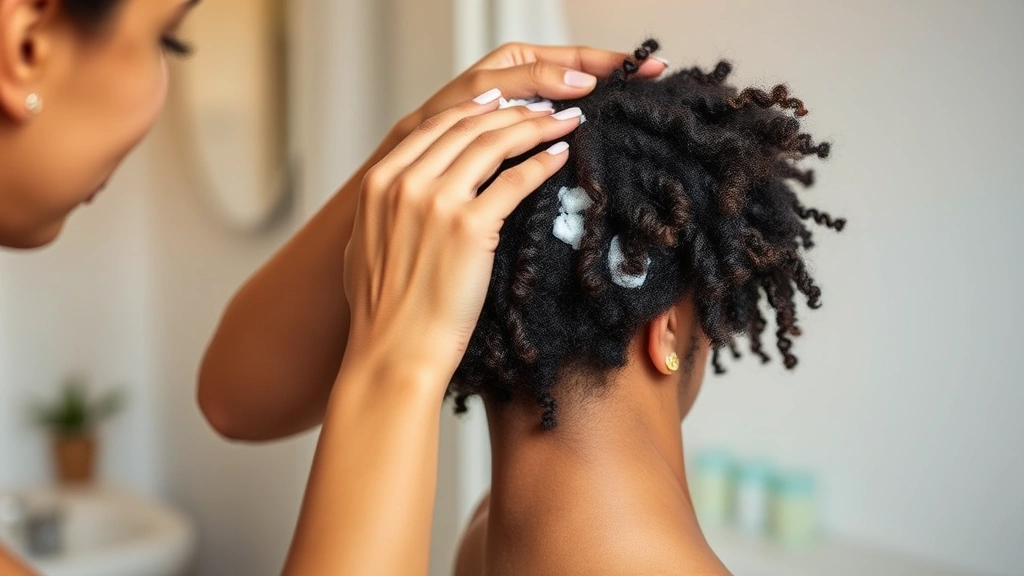
The scalp is where growth begins. A healthy scalp environment promotes stronger hair follicles, improved circulation, and optimal nutrient delivery. Many black hair growth products focus solely on the strands while neglecting the scalp, which is a critical oversight. Your scalp health directly influences how quickly and robustly your hair grows, making scalp-focused treatments non-negotiable in any comprehensive approach.
Key Ingredients That Drive Results
Not all ingredients are created equal when it comes to promoting Black hair growth. Scientific evidence supports specific compounds that have demonstrated efficacy in clinical settings. Understanding these powerhouse ingredients helps you evaluate products critically rather than relying on marketing claims alone.
Biotin and B-Complex Vitamins: These water-soluble vitamins strengthen the hair structure and support the keratin production necessary for growth. Biotin deficiency correlates with hair loss and weakened strands, making supplementation through topical and oral products essential.
Niacinamide (Vitamin B3): This ingredient improves scalp circulation and reduces inflammation, creating an optimal environment for hair follicles to thrive. It also strengthens the hair cuticle and reduces protein loss from the shaft.
Peptides and Amino Acids: Hair is primarily composed of protein, so peptide-rich formulas provide the building blocks necessary for growth. Products containing hydrolyzed collagen, keratin, and amino acid complexes address the protein deficit many textured hair types experience.
Plant-Based Oils: Oils like jojoba, argan, castor, and black seed penetrate the hair shaft and provide deep moisture. These aren’t just surface-level treatments—they actively nourish the hair structure and reduce breakage that impedes length retention.
Adaptogens and Antioxidants: Ingredients like ashwagandha, green tea extract, and resveratrol reduce oxidative stress on hair follicles and promote longevity in the growth phase. Botanical adaptogens show promise in hair loss prevention by regulating stress-related hormones that trigger premature shedding.
When evaluating black hair growth products, look for formulas that combine multiple these ingredients rather than relying on single-ingredient solutions. Synergistic formulas work exponentially better than isolated compounds.
Top Black Hair Growth Products Reviewed
SheaMoisture Raw Shea Butter Restorative Shampoo and Conditioner: This cult-favorite duo addresses the foundational need for moisture in textured hair. The shampoo cleanses without stripping natural oils, while the conditioner provides slip and hydration essential for detangling without breakage. For beginners building a hair growth routine, this is the reliable starting point that prevents damage—the first rule of growth is preventing loss.
Cantu Shea Butter Leave-In Conditioning Repair Cream: This affordable product delivers concentrated moisture and strengthening proteins to damp hair, creating a protective barrier throughout the day. The leave-in format means continuous nourishment without daily washing, reducing manipulation and heat damage that compromise length retention.
Carol’s Daughter Black Jamaican Castor Oil: Pure castor oil penetrates deep into the scalp and hair shaft, promoting blood circulation and providing antimicrobial benefits. Applied weekly to the scalp and hair, this product addresses the root cause of many growth issues—poor scalp health and inadequate moisture.
Mielle Organics Honey & Ginger Styling Gel: This gel holds styles without flaking or crunchiness, allowing protective styling to last longer without reapplication. Extended style longevity means less frequent manipulation, which directly correlates with improved length retention and growth visibility.
Kinky-Curly Knot Today Leave-In Conditioner: Designed specifically for textured hair, this detangler reduces breakage during manipulation by providing slip and moisture. The less breakage you experience, the more apparent your growth becomes—prevention is the most underrated growth strategy.
Cantu Biotin Strengthening Shampoo: This biotin-infused formula directly addresses the vitamin deficiency many experience, strengthening the hair structure from the inside out. Used consistently, biotin-enriched products show visible results in hair resilience within 4-6 weeks.
SheaMoisture Jamaican Black Castor Oil Strengthen & Restore Shampoo: Combining the benefits of castor oil with strengthening proteins, this shampoo tackles multiple growth obstacles simultaneously. The formula respects the delicate nature of textured hair while delivering active ingredients that promote scalp health and follicle strength.
Carol’s Daughter Hair Elixir Oil: This lightweight oil blend absorbs quickly without leaving greasy residue, making it suitable for daily use on hair and scalp. Consistent oil application creates a protective seal that reduces moisture loss—the key to maintaining the hydration necessary for growth.
Aunt Jackie’s Don’t Burn My Hair Shea Butter Creme: This budget-friendly moisturizer provides accessible hydration to those just beginning their hair growth journey. Affordability shouldn’t compromise results; this product proves that effective black hair growth products exist at every price point.
Cantu Argan Oil Plus Shea Butter Edge Control: While edge control might seem cosmetic, maintaining healthy edges requires moisture and protection. This product prevents breakage at the hairline while providing nourishment that supports regrowth in delicate areas.
Building Your Growth-Focused Hair Routine
Product selection is only half the equation. Consistency and routine structure determine whether you see measurable growth or stagnation. Think of your hair routine as a goal-setting framework—you need clear objectives, actionable steps, and accountability to succeed.
Weekly Deep Conditioning: Establish a non-negotiable weekly deep conditioning session. This might involve applying a moisture-rich mask, adding heat (via shower steam or a heating cap), and leaving the treatment on for 15-30 minutes. This single practice accelerates growth more than any individual product because it addresses the foundational moisture deficit.
Scalp Massage and Treatment: Dedicate 5-10 minutes weekly to scalp massage with oil, using firm circular motions to stimulate blood flow. This practice reduces inflammation, improves nutrient delivery to follicles, and creates a healthy foundation for growth. Many people skip this step, which is why they don’t see results despite using quality products.
Protective Styling: Adopt protective styles that minimize daily manipulation—braids, twists, buns, or wigs reduce stress on the hair and allow growth to accumulate visibly. The key is rotating styles to prevent tension alopecia and ensuring styles aren’t so tight that they cause discomfort or breakage.
Minimizing Heat and Chemical Damage: Reduce blow-drying, flat ironing, and chemical treatments during your growth journey. If you must use heat, always apply heat protectant products first. Chemical relaxers, permanent colors, and treatments damage the hair structure, pushing you backward despite using black hair growth products. Consider natural hair or low-manipulation alternatives.
Hydration and Nutrition: Hair growth originates internally. Drinking adequate water, consuming protein-rich foods, and taking hair-supporting supplements (biotin, collagen, iron, zinc) accelerates growth from the inside. Nutritional research shows micronutrient deficiencies directly impact hair growth rates, making dietary changes as important as topical products.
Nighttime Protection: Sleep on a silk or satin pillowcase to reduce friction and moisture loss. Cotton pillowcases create friction that causes breakage and frizz, undoing the benefits of your daytime routine. This simple switch costs minimal money but delivers significant protection.
Developing motivation for consistency requires connecting your hair routine to broader self-care and personal growth goals. When you view hair care as an act of self-respect rather than a chore, adherence improves dramatically.
Common Mistakes Sabotaging Your Progress
Switching Products Too Frequently: Many people abandon products after 2-3 weeks, expecting immediate transformation. Hair growth is a 3-6 month process. Commit to a routine for at least 8-12 weeks before evaluating whether products are effective. Constant switching prevents your hair from adjusting and responding to the active ingredients.
Neglecting the Scalp: You can use premium products on your strands while ignoring scalp health and sabotage your entire routine. The scalp must be clean, moisturized, and free from inflammation for optimal growth. Invest in scalp-specific treatments, not just hair treatments.
Over-Manipulation: Excessive washing, combing, styling, and touching damages hair and slows visible growth. Reduce manipulation frequency, use wide-tooth combs on wet hair only, and handle your hair with intentionality rather than absentmindedly.
Ignoring Protein-Moisture Balance: Black hair needs both protein and moisture, but balance is critical. Too much protein causes brittleness; too much moisture causes weakness. Alternate between protein-focused and moisture-focused treatments weekly to maintain equilibrium.
Using Products Formulated for Other Hair Types: Caucasian and Asian hair have different structural characteristics and moisture needs. Using generic products designed for straight hair often exacerbates dryness and breakage in textured hair. Seek products specifically formulated for Black and textured hair types.
Expecting Growth Without Retention: Growth and retention are different. You might grow new hair, but if you’re experiencing equal or greater breakage, you won’t see length gains. Focus on retention strategies (protective styling, reduced manipulation, deep conditioning) to make growth visible.
Measuring Success and Setting Hair Goals
Effective hair growth requires the same goal-setting principles you’d apply to any personal growth endeavor. Without clear metrics, you can’t assess whether your black hair growth products and routine are working.
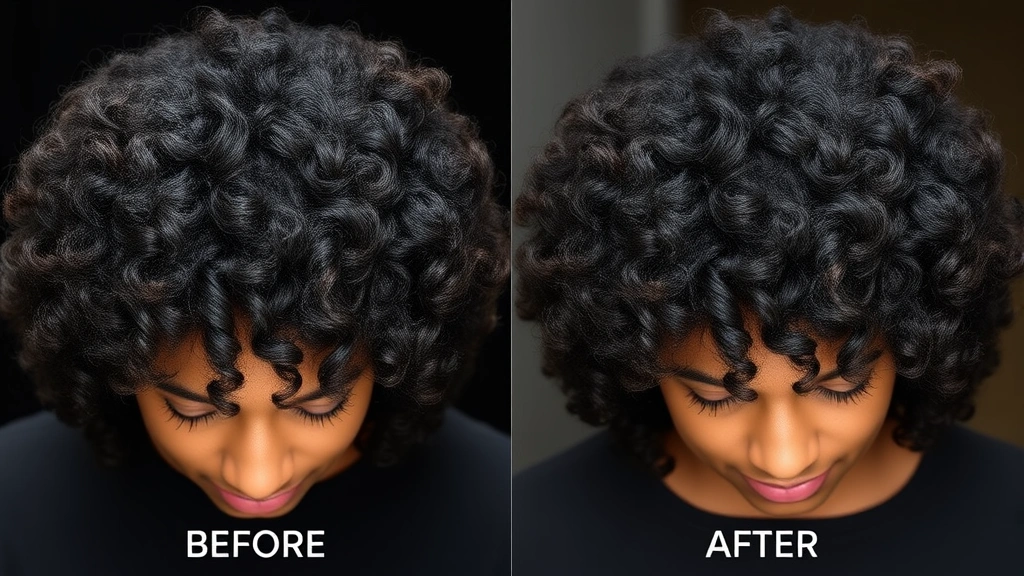
Track Length Regularly: Take baseline photos of your hair from multiple angles, measuring length from a fixed point (like shoulder-length). Repeat measurements monthly. You should see 0.5-1 inch of growth monthly with optimal care and genetics. If you’re seeing less, adjust your routine.
Monitor Hair Health Indicators: Track breakage rates, frizz reduction, shine improvement, and scalp health. These early indicators predict long-term growth success before length becomes obvious. Healthier hair is stronger hair that retains length better.
Document Product Performance: Keep notes on which products deliver the best results for your specific hair type and needs. What works for your friend might not work for you; personalization based on data beats following trends blindly.
Establish Timeline Expectations: Visible length growth typically requires 4-6 months of consistent care. Set realistic timelines: expecting 6 inches of growth in 2 months guarantees disappointment. Patience combined with consistency is the formula for success.
Celebrate Milestones: Acknowledge progress beyond just length—healthier edges, improved curl definition, reduced shedding, and increased manageability are victories worth celebrating. These early wins maintain motivation during the longer journey to length goals.
Remember that hair growth is a manifestation of self-care and respect for your body. By selecting quality black hair growth products and committing to consistent routines, you’re not just growing hair—you’re building discipline, resilience, and self-investment habits that extend into all areas of your life. Visit the Growth Life Hub Blog for more insights on sustainable personal development practices.
FAQ
How long does it take to see results from black hair growth products?
Most people see noticeable improvements in hair health (shine, softness, reduced breakage) within 4-6 weeks. Visible length growth typically requires 3-6 months of consistent use. Hair growth is gradual; patience is essential for accurate assessment.
Can I use black hair growth products on relaxed or chemically treated hair?
Yes, but chemically treated hair requires even more intensive moisture and protein treatments. These products are formulated to address the additional damage and dryness that chemical processing creates. Consider transitioning to natural hair for optimal growth potential.
Are expensive black hair growth products better than affordable options?
Price doesn’t guarantee effectiveness. Many affordable products contain the same active ingredients as luxury brands. Focus on ingredient quality and suitability for your hair type rather than price point. Consistency with affordable products beats sporadic use of expensive ones.
Should I take hair growth supplements alongside topical products?
Yes. Hair growth originates internally with proper nutrition and supplementation. Biotin, collagen, iron, zinc, and vitamin D support growth from within. Combine internal and external approaches for optimal results.
How often should I wash my hair while using growth products?
Reduce washing frequency to 1-2 times weekly for textured hair. Frequent washing strips natural oils and increases breakage. Protective styling between washes reduces the need for frequent shampooing.
Can black hair growth products work for all hair types?
While formulated for textured hair, many products work across hair types. However, those specifically formulated for Black hair address the unique moisture and protein needs of tightly coiled strands more effectively than generic alternatives.


