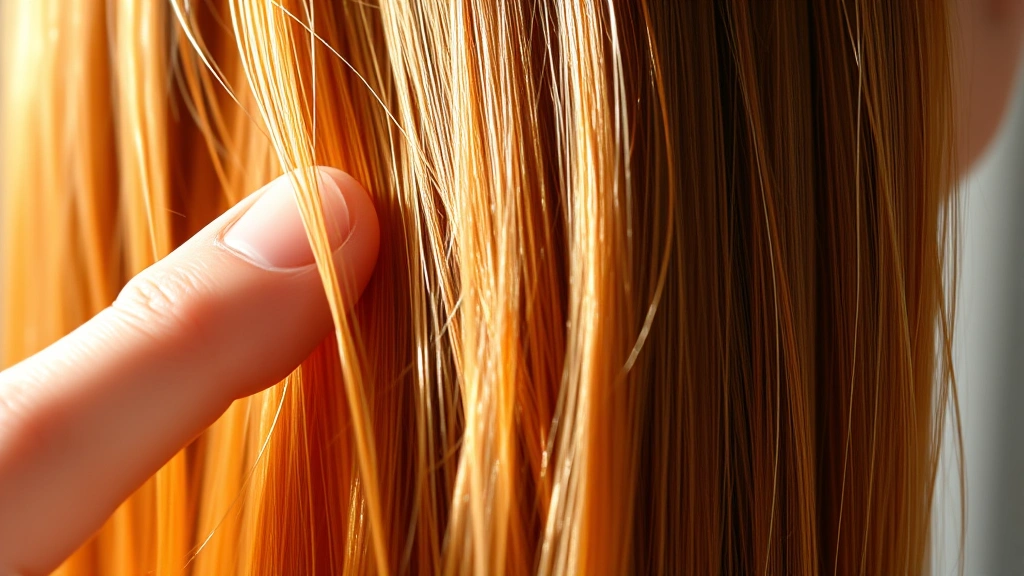
Biotin Gummies for Hair Growth: A Dermatologist’s Comprehensive Review
Hair loss and thinning affect millions of people worldwide, impacting not just physical appearance but also self-confidence and emotional well-being. Many individuals turn to supplements like biotin gummies as a potential solution, hoping to restore thickness, strength, and vitality to their hair. But do these popular supplements actually work, or are they simply another wellness trend? This comprehensive review examines the science behind biotin gummies, their effectiveness for hair growth, and what dermatologists recommend based on current research.
The journey to healthier, fuller hair often begins with understanding the biological factors that influence hair growth. Your hair’s health depends on numerous nutrients, lifestyle factors, and genetic predisposition. Biotin, also known as vitamin B7, has gained significant popularity in recent years as a hair growth supplement. However, separating fact from marketing hype requires examining clinical evidence and understanding how this vitamin actually affects your hair follicles and scalp health.
What Is Biotin and How Does It Work
Biotin is a water-soluble B vitamin that plays a crucial role in metabolic processes within your body. Your body uses biotin to convert food into energy and to support the health of your hair, skin, and nails. Unlike fat-soluble vitamins that your body can store, biotin is not stored in your system, which means consistent intake through diet or supplementation is necessary.
The mechanism by which biotin supports hair growth involves its role as a coenzyme in various metabolic pathways. Specifically, biotin helps your body break down amino acids—the building blocks of keratin, the primary protein that comprises your hair structure. When your body has adequate biotin, it can more efficiently produce and strengthen the keratin in your hair follicles. Additionally, biotin supports the health of your scalp by promoting oil production, which naturally protects and conditions your hair.
Hair growth occurs in three phases: the anagen (growth) phase, catagen (transition) phase, and telogen (resting) phase. Biotin’s role in cellular metabolism means it may help extend the growth phase and support the overall health of follicles throughout these cycles. However, it’s important to note that biotin’s effectiveness largely depends on whether you have a biotin deficiency to begin with.
The Science Behind Biotin for Hair Growth
Research on biotin’s effectiveness for hair growth presents a mixed but somewhat promising picture. A landmark study published in the Skin Appendage Disorders journal examined biotin supplementation in individuals with thinning hair. The results showed that participants who took biotin supplements experienced measurable improvements in hair thickness and reduced hair shedding after several months of consistent use.
Another significant research effort from the National Center for Biotechnology Information reviewed multiple clinical trials on biotin supplementation. The analysis revealed that biotin appears most effective for individuals with documented biotin deficiency, which is relatively rare in developed countries due to adequate dietary sources. For individuals without deficiency, results are less consistent but still show promise, particularly when combined with other nutrients.
The American Academy of Dermatology acknowledges that while biotin supplementation is generally safe and may benefit some individuals, it should not be considered a standalone treatment for significant hair loss. Dermatologists emphasize that hair health depends on multiple factors including genetics, hormonal balance, stress levels, and overall nutrition.
What makes biotin particularly interesting is its synergistic effect with other nutrients. When combined with zinc, iron, and vitamin D, biotin’s effectiveness for hair growth increases substantially. This is why many comprehensive hair growth formulas include biotin alongside complementary nutrients rather than as a standalone ingredient.
Biotin Gummies vs Other Supplement Forms
Biotin supplements come in various forms: tablets, capsules, liquids, and gummies. Each form has distinct advantages and disadvantages that affect absorption, convenience, and effectiveness. Understanding these differences helps you choose the format that best suits your lifestyle and health goals.
Gummy supplements have become increasingly popular due to their palatability and ease of consumption. Unlike pills that require swallowing, gummies are chewed and often taste pleasant, making daily supplementation feel less like a chore. This convenience factor can improve compliance, meaning you’re more likely to take your supplement consistently—a crucial factor for seeing results.
However, gummies present some challenges. The gelatin or pectin base, combined with sweeteners and flavorings, can interfere with absorption rates compared to capsules or tablets. Additionally, gummies typically contain lower biotin concentrations per serving than other forms, requiring larger doses to achieve therapeutic levels. Some biotin gummies contain only 2.5 mcg per serving, while clinical studies often use 2.5 mg (2,500 mcg)—a thousand-fold difference.
Tablets and capsules generally offer higher biotin concentrations and potentially better absorption rates. However, they require swallowing and may cause gastrointestinal discomfort in some individuals. Liquid biotin supplements provide excellent absorption and flexibility in dosing but can be less convenient for on-the-go consumption.
For optimal results with gummies specifically, choose products that contain at least 2.5 mg of biotin per serving and look for formulations that include complementary nutrients like collagen peptides, keratin, or other B vitamins. This approach aligns with the comprehensive nutrition strategy that dermatologists recommend for sustainable hair health improvements.

Recommended Dosage and Safety Considerations
The recommended daily intake of biotin for adults is 30 micrograms (mcg), a level easily achieved through diet alone in most cases. However, for hair growth supplementation, clinical studies typically use doses ranging from 2.5 to 5 milligrams (2,500 to 5,000 mcg) daily—significantly higher than the basic requirement.
This higher dosage is based on the premise that while most people get adequate biotin from food sources, additional supplementation may provide enhanced benefits for hair, skin, and nail health. The good news is that biotin is water-soluble, meaning excess amounts are excreted through urine rather than stored in your body, making toxicity unlikely even at high doses.
Safety research demonstrates that biotin supplementation is generally well-tolerated with minimal side effects. Some individuals report mild gastrointestinal symptoms like nausea or stomach cramping, particularly when taking large doses on an empty stomach. Taking your biotin gummies with food can minimize these effects.
Important considerations for biotin supplementation include:
- Medication interactions: Biotin may interfere with certain laboratory tests and potentially with medications metabolized by the same liver enzymes. Consult your healthcare provider before starting biotin if you take medications regularly.
- Pregnancy and nursing: While biotin is generally considered safe during pregnancy, pregnant and nursing women should consult their healthcare provider about appropriate dosing.
- Existing medical conditions: Individuals with diabetes, thyroid disorders, or other chronic conditions should seek professional guidance before supplementation.
- Timeline for results: Hair growth takes time. Most dermatologists recommend consistent supplementation for at least 3-6 months before expecting visible improvements.

Real Results: What to Expect
Understanding realistic expectations is crucial for maintaining motivation throughout your hair growth journey. Many individuals expect dramatic results within weeks, but hair biology simply doesn’t work that way. Your hair grows approximately half an inch per month, and the benefits of supplementation accumulate gradually over time.
Clinical studies on biotin supplementation show measurable improvements in:
- Hair thickness: Participants typically report increased hair diameter, resulting in fuller-looking hair
- Hair shedding: Reduced daily hair loss, often noticeable when showering or brushing
- Hair strength: Decreased breakage and brittleness, leading to longer hair retention
- Scalp health: Improved scalp condition with reduced dryness and itching
- Hair shine: Enhanced luster and vibrancy as hair structure strengthens
However, results vary significantly based on individual factors. Someone with a severe biotin deficiency will likely see more dramatic improvements than someone with adequate biotin intake from diet. Genetics plays a substantial role—if hair loss runs in your family, biotin alone cannot override genetic predisposition to androgenetic alopecia (male or female pattern baldness).
To maximize results, combine biotin gummies with a holistic approach to personal growth that includes physical health optimization. This means addressing stress through exercise, ensuring adequate sleep, and maintaining a nutrient-dense diet. The connection between overall wellness and hair health is stronger than many realize.
Combining Biotin with Other Hair Health Strategies
Dermatologists consistently recommend a multifaceted approach to hair health rather than relying on any single supplement. Biotin works best as part of a comprehensive strategy that addresses multiple factors influencing hair growth and quality.
Nutritional foundations: Ensure your diet includes adequate protein, iron, zinc, vitamin D, and omega-3 fatty acids. These nutrients work synergistically with biotin to support hair follicle health. If you struggle with consistent healthy eating, consider how increasing your motivation around nutrition can transform your results.
Scalp care practices: Maintain a healthy scalp through regular cleansing with gentle products, scalp massage to improve blood circulation, and protection from excessive heat styling. A healthy scalp environment is fundamental to hair growth, regardless of supplement use.
Stress management: Chronic stress elevates cortisol levels, which can trigger telogen effluvium (stress-induced hair shedding). Implementing stress reduction techniques—meditation, exercise, adequate sleep—directly supports your hair growth efforts.
Hormonal balance: For some individuals, particularly women, hormonal imbalances drive hair loss. If you suspect hormonal involvement, work with a healthcare provider to address underlying conditions like thyroid dysfunction or polycystic ovary syndrome.
Complementary supplements: Biotin performs optimally alongside other hair-supporting nutrients. Consider a comprehensive hair supplement formula containing biotin, collagen, keratin, saw palmetto, and B vitamins for enhanced results.
This integrated approach aligns with principles of sustainable personal development—recognizing that lasting improvements come from addressing root causes rather than seeking quick fixes. Just as personal growth quotes emphasize the importance of consistent effort, hair health improvement requires ongoing commitment to multiple supportive practices.
FAQ
How long does it take to see results from biotin gummies?
Most individuals begin noticing reduced hair shedding within 4-8 weeks of consistent biotin supplementation. However, visible improvements in hair thickness and length typically require 3-6 months of daily use. Remember that hair growth is a slow biological process, and patience is essential.
Can biotin gummies cause hair growth in unwanted places?
This is a common concern, but there’s no scientific evidence that biotin supplementation causes facial hair growth or excessive body hair. Biotin supports the health of existing hair follicles but doesn’t activate dormant follicles or change the distribution of body hair. Hormonal factors, not biotin, drive unwanted hair growth.
Are biotin gummies suitable for all hair types?
Yes, biotin supplementation can benefit all hair types—straight, curly, coily, and textured. The underlying biology of hair growth and the role of biotin in keratin production applies universally. However, different hair types may benefit from complementary care practices specific to their needs.
Can I take biotin gummies if I’m on medications?
Biotin is generally safe with most medications, but it can interfere with certain laboratory tests and potentially affect medications processed through specific liver pathways. Always inform your healthcare provider about biotin supplementation, particularly if you take thyroid medications, blood thinners, or other regular medications.
What’s the difference between biotin gummies and prescription hair growth medications?
Biotin is a dietary supplement that supports hair health through nutritional support, while prescription medications like minoxidil and finasteride directly address hair loss mechanisms—minoxidil stimulates follicles, and finasteride blocks DHT (dihydrotestosterone). For significant hair loss, dermatologists often recommend prescription medications alongside nutritional support like biotin.
Do biotin gummies work for alopecia?
Biotin may help with nutritional alopecia (hair loss due to biotin deficiency), but its effectiveness for pattern baldness or other forms of alopecia is limited. If you have diagnosed alopecia, consult a dermatologist about evidence-based treatments rather than relying solely on biotin supplementation.
Should I choose biotin gummies or pills?
Choose based on your preferences and lifestyle. Gummies offer convenience and palatability, making compliance easier for many people. Pills and capsules typically contain higher biotin concentrations. The most effective supplement is the one you’ll take consistently, so select the format that fits your routine best.
For those interested in expanding their wellness knowledge beyond hair health, exploring the best books for self-growth can provide deeper understanding of how physical health, mindset, and lifestyle choices interconnect.


