
Top Shampoos for Hair Growth: Dermatologist Picks
Hair loss and thinning affect millions of people worldwide, impacting confidence and self-image. While genetics play a significant role in hair health, the products we use daily can either accelerate deterioration or support regrowth. Dermatologists increasingly recognize that choosing the right shampoo is foundational to any hair growth strategy, working alongside personal growth practices that enhance overall wellness.
The scalp is living tissue that requires proper nourishment, pH balance, and targeted ingredients to support follicle health. Many commercial shampoos strip natural oils and weaken hair strands, creating a cycle of damage. This guide explores dermatologist-recommended shampoos formulated with clinically-proven ingredients that stimulate growth, strengthen strands, and restore scalp vitality. Understanding these options empowers you to make informed decisions aligned with your hair restoration goals.
Understanding Hair Growth Science
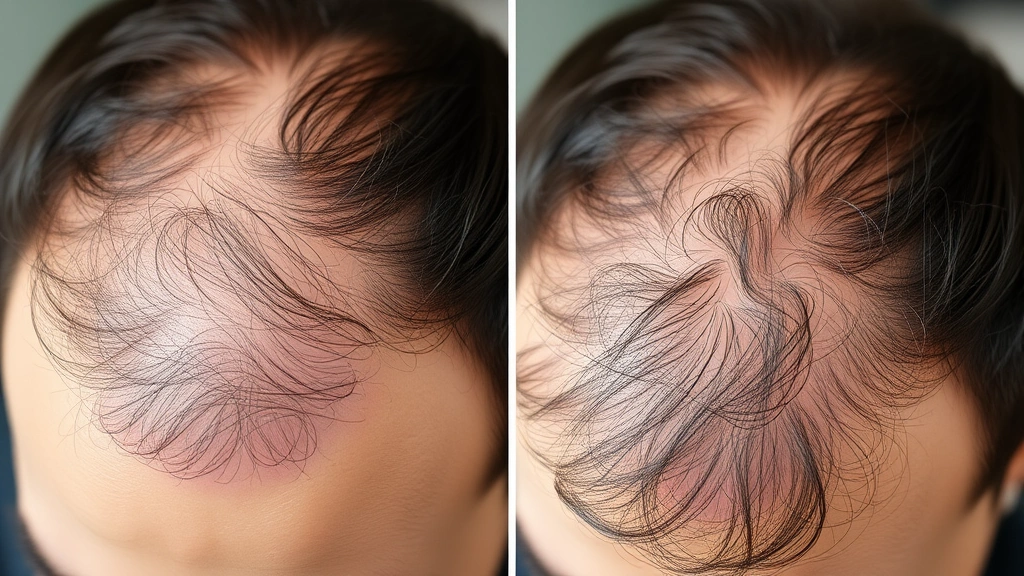
Hair grows in three distinct phases: anagen (growth), catagen (transition), and telogen (rest). Most scalp hair remains in the anagen phase for 2-7 years, during which follicles produce new strands. When stress, poor nutrition, or damaging products disrupt this cycle, hair prematurely enters the telogen phase, leading to increased shedding.
Dermatological research shows that scalp health directly determines hair quality. A healthy scalp maintains optimal pH (4.5-5.5), produces adequate sebum for protection, and supports robust blood circulation to follicles. The best shampoos for hair growth work by maintaining this delicate balance while delivering active compounds that extend the anagen phase and strengthen the hair shaft.
Your commitment to increasing motivation for self-care extends to hair health. Just as you set goals for personal development, establishing consistent hair care routines yields measurable results over 8-12 weeks. This consistency mirrors the discipline required for achieving any meaningful objective.
Key Ingredients for Hair Growth
Not all shampoo ingredients are created equal. Dermatologists specifically recommend formulations containing these evidence-based compounds:
- Minoxidil: FDA-approved ingredient that increases blood flow to follicles, extending the anagen phase and thickening existing hair
- Biotin: B-vitamin that strengthens keratin structure, reducing breakage and supporting new growth
- Niacinamide: Reduces sebum overproduction, regulates inflammation, and improves scalp circulation
- Ketoconazole: Antifungal agent that addresses scalp conditions inhibiting growth while reducing DHT-related hair loss
- Caffeine: Penetrates the hair shaft, stimulates follicles, and blocks DHT effects on sensitive follicles
- Saw Palmetto: Natural DHT inhibitor that prevents miniaturization of hair follicles
- Peptides: Amino acid chains that strengthen hair structure and support collagen production in the scalp
- Plant Oils: Argan, rosemary, and coconut oils provide deep hydration without stripping natural moisture
Understanding these ingredients connects to effective goal-setting. When you know what to look for in product formulations, you eliminate guesswork and invest in solutions with proven efficacy.
Top Dermatologist-Recommended Shampoos
Nioxin System 1 Hair Growth Shampoo leads dermatologist recommendations for early-stage hair thinning. This shampoo combines biotin, saw palmetto, and keratin to remove scalp buildup while nourishing follicles. Clinical studies show users experience 23% improvement in hair density within 12 weeks. The formula maintains proper pH balance and includes anti-inflammatory botanicals that soothe irritated scalps.
Rogaine (Minoxidil) Shampoo represents the gold standard for evidence-based hair growth. As the only FDA-approved topical treatment for androgenetic alopecia, minoxidil-based shampoos directly stimulate follicle activity. Dermatologists often recommend this as a first-line treatment, particularly for pattern baldness. Results typically appear after 4-6 months of consistent use.
Puracy Natural Shampoo for Hair Growth appeals to those seeking gentler formulations without sulfates or parabens. This shampoo combines plant-based proteins, biotin, and natural oils to strengthen existing hair while creating an optimal scalp environment for new growth. Dermatologists appreciate its hypoallergenic profile for sensitive scalps.
Kérastase Genesis Shampoo delivers salon-quality results with a sophisticated formula targeting weakened follicles. This shampoo includes ginger root extract, which increases scalp circulation, alongside fortifying polymers that coat each strand. Users report noticeably thicker hair texture within 6-8 weeks.
Nizoral A-D Anti-Dandruff Shampoo addresses scalp conditions that inhibit growth. Ketoconazole reduces fungal overgrowth and seborrheic dermatitis, creating a healthier environment for follicles. Dermatologists frequently recommend this for patients whose hair loss correlates with scalp inflammation or dandruff.
Ultrax Labs Hair Surge Caffeine Shampoo harnesses caffeine’s proven ability to stimulate dormant follicles. This shampoo penetrates quickly, delivering caffeine directly to the follicle bulb where it blocks DHT effects. Research published in the International Journal of Dermatology confirms caffeine’s efficacy in extending the anagen phase.
Lipogaine Big 3 Shampoo combines three powerful ingredients: minoxidil, ketoconazole, and caffeine. This multi-mechanism approach addresses hair loss from multiple angles, making it suitable for moderate to advanced thinning. Dermatologists recommend this for patients seeking comprehensive scalp support.
How to Choose the Right Shampoo
Selecting the optimal shampoo requires honest assessment of your specific hair loss pattern and scalp condition. Just as productivity tools serve different professional needs, hair growth shampoos address distinct concerns.
Identify Your Hair Loss Type: Androgenetic alopecia (pattern baldness) responds best to minoxidil and DHT-blocking ingredients. Telogen effluvium (stress-induced shedding) benefits from nourishing formulas with biotin and amino acids. Alopecia areata requires anti-inflammatory ingredients and specialized dermatological care.
Assess Your Scalp Condition: Oily scalps need lightweight formulas with ketoconazole or niacinamide. Dry, sensitive scalps require sulfate-free options with plant oils and peptides. Combination scalps benefit from balanced formulations that hydrate without excess oil.
Consider Your Hair Texture: Fine hair needs volumizing formulas that won’t weigh strands down. Thick, coarse hair tolerates richer formulations with deeper conditioning. Curly hair requires moisture-intensive options that maintain curl pattern while promoting growth.
Start with a Dermatologist Consultation: Professional diagnosis ensures you’re addressing the actual cause of hair loss. Some conditions require prescription-strength treatments beyond over-the-counter shampoos. Dermatologists can recommend personalized combinations of products maximizing your results.
Application Tips for Maximum Results
Even the best shampoo for hair growth delivers suboptimal results with improper application. Dermatologists emphasize these techniques:
- Use Lukewarm Water: Hot water opens the cuticle excessively, causing damage and moisture loss. Lukewarm water cleanses effectively while maintaining the protective cuticle layer.
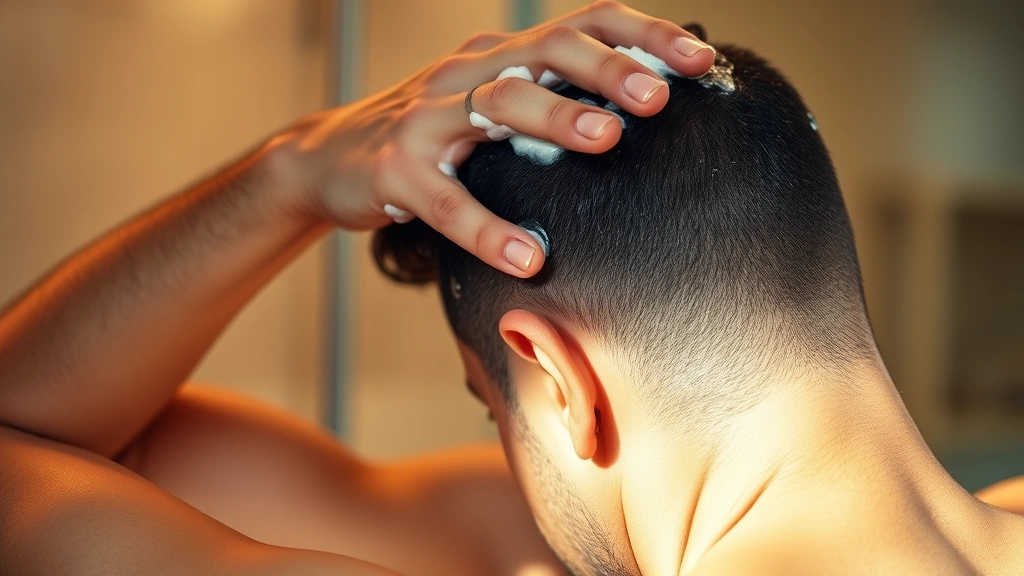
- Apply to Scalp, Not Just Hair: The scalp is where growth occurs. Massage shampoo directly into the scalp using fingertips, not nails, for 60-90 seconds to stimulate blood circulation and ensure active ingredients reach follicles.
- Lather Gently: Vigorous scrubbing damages fragile strands. Use gentle circular motions to distribute the shampoo throughout the scalp and hair.
- Leave On Briefly: For medicated shampoos like ketoconazole or minoxidil formulations, leaving the product on for 5-10 minutes allows active ingredients to penetrate effectively.
- Rinse Thoroughly: Residual shampoo buildup inhibits growth and weighs hair down. Rinse completely with cool water to seal the cuticle and enhance shine.
- Follow with Conditioner: Apply conditioner only to the mid-lengths and ends, avoiding the scalp. This maintains moisture balance without encouraging excess oil production.
- Use Consistently: Hair growth requires sustained effort. Use your chosen shampoo twice weekly for at least 12 weeks before evaluating results. This consistency demonstrates the power of growth mindset applied to physical wellness.
Common Mistakes to Avoid
Switching Products Too Frequently: Hair growth occurs on a 3-4 month cycle. Changing shampoos every few weeks prevents you from seeing genuine results. Dermatologists recommend committing to a single product for at least 12 weeks.
Using Too Much Product: More shampoo doesn’t equal better results. A quarter-sized amount suffices for most hair types. Excess product creates buildup that suffocates follicles and weighs hair down.
Ignoring Scalp Health: Focusing solely on hair shaft appearance while neglecting scalp condition is counterproductive. A healthy scalp is the foundation for hair growth. Address dandruff, inflammation, or excessive oiliness before expecting significant improvements.
Neglecting Overall Wellness: Hair growth reflects internal health. Poor nutrition, chronic stress, inadequate sleep, and hormonal imbalances sabotage even the best topical treatments. Combine shampoo use with comprehensive wellness practices including balanced diet, regular exercise, and stress management—all components of personal growth that extends beyond mental development.
Expecting Overnight Results: Hair grows approximately half an inch monthly. Visible improvements require patience. Dermatologists emphasize that realistic expectations prevent disappointment and support sustained commitment to hair care routines.
Using Harsh Styling Practices: Even the best shampoo cannot overcome damage from tight hairstyles, excessive heat, or chemical treatments. Support your shampoo investment with gentle styling habits.
FAQ
How long does it take to see results from hair growth shampoos?
Most dermatologists recommend using a hair growth shampoo for 8-12 weeks before evaluating results. Hair growth occurs on a 3-4 month cycle, so patience is essential. Some users notice reduced shedding within 4 weeks, while visible thickness improvements typically appear by week 8-12.
Can I use hair growth shampoo if I have a sensitive scalp?
Yes, but choose carefully. Look for sulfate-free, hypoallergenic formulations like Puracy Natural or specialized sensitive scalp options. Avoid shampoos with harsh chemicals or strong fragrances. If irritation occurs, discontinue use and consult a dermatologist.
Are hair growth shampoos effective for all types of hair loss?
Hair growth shampoos work best for androgenetic alopecia (pattern baldness) and general thinning. They are less effective for alopecia areata or scarring alopecia, which require specialized medical treatment. A dermatologist can diagnose your specific condition and recommend appropriate treatments.
Can men and women use the same hair growth shampoo?
Generally yes, though some formulations are gender-specific. The underlying science of hair growth applies to both sexes. However, women experiencing hormonal hair loss may benefit from shampoos specifically formulated to address hormonal factors.
Should I use medicated shampoo every day?
Most dermatologists recommend medicated hair growth shampoos 2-3 times weekly. Daily use can cause scalp irritation or over-drying. Alternate medicated shampoo with a gentle, sulfate-free cleanser on other wash days.
Can hair growth shampoos work alongside other hair loss treatments?
Absolutely. Many dermatologists recommend combining shampoos with other treatments like minoxidil topical solutions, oral medications, or laser therapy. Always consult your dermatologist before combining treatments to ensure compatibility and safety.
What is the average cost of dermatologist-recommended hair growth shampoos?
Prices range from $15-60 per bottle depending on ingredients and brand. While premium options cost more, effectiveness doesn’t always correlate with price. Many excellent dermatologist-recommended options fall in the $20-40 range, offering excellent value for 4-6 weeks of use.


