Best Oil for Hair Growth? Dermatologist Recommendations for Stronger, Healthier Hair
Hair loss and thinning affect millions of people worldwide, and the search for effective solutions often leads to natural remedies. Among the most popular approaches is using oils specifically chosen for their hair-growth-promoting properties. But with countless products on the market, how do you know which oils actually work? This comprehensive guide explores what dermatologists recommend, the science behind hair growth oils, and how to integrate them into your personal development journey toward better self-care.
Your hair health is a reflection of your overall wellness. Just as personal growth requires consistent effort and the right tools, achieving healthy hair growth demands understanding the fundamentals of what works. Whether you’re dealing with stress-related hair loss or simply want to optimize your hair’s natural potential, the right oil can make a significant difference when combined with proper nutrition, stress management, and lifestyle habits.
Understanding Hair Growth and Why Oils Matter
Before diving into specific oil recommendations, it’s essential to understand how hair grows and why oils can support this natural process. Hair growth occurs in three phases: the anagen (growth) phase, catagen (transition) phase, and telogen (resting) phase. Most scalp hair spends two to six years in the growth phase, during which individual strands can grow approximately half an inch per month.
The scalp’s health directly impacts hair growth. When your scalp is dry, inflamed, or lacks proper nutrition, hair follicles struggle to produce strong, healthy strands. This is where oils become valuable. High-quality oils penetrate the scalp and hair shaft, providing essential fatty acids, vitamins, and antioxidants that nourish follicles and strengthen hair from root to tip.
According to research published in Dermatology Practical & Conceptual, natural oils can improve scalp health by reducing inflammation, fighting microbial growth, and providing moisture that prevents breakage. However, not all oils are created equal, and selecting the best oil for your specific hair type and concerns is crucial for optimal results.
Think of your hair care routine as part of your broader growth and transformation plan. When you commit to consistent self-care practices, you’re investing in your overall well-being and confidence.
Top Dermatologist-Recommended Oils for Hair Growth
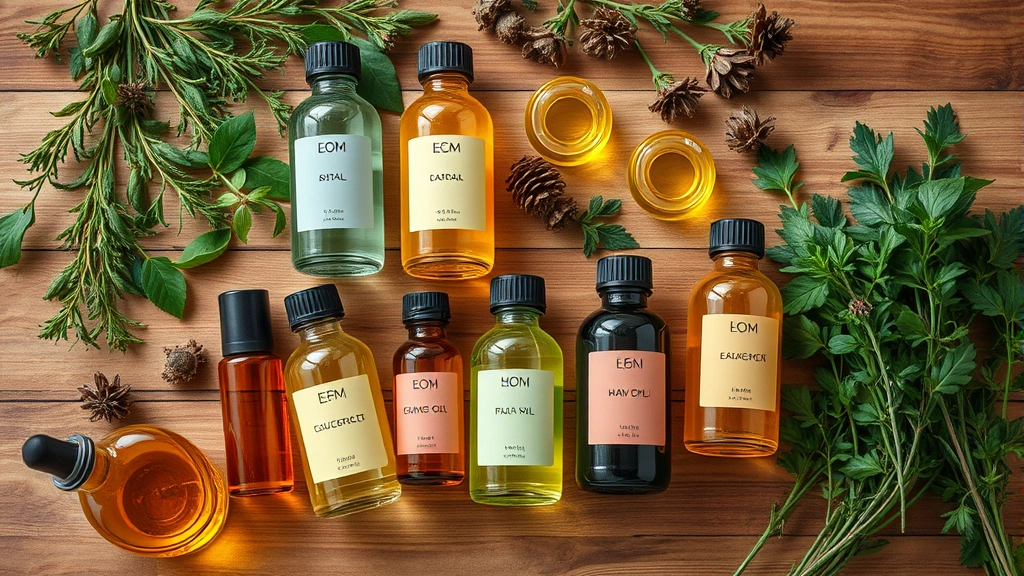
Dermatologists across the globe recommend several oils backed by scientific evidence and clinical experience. These oils have demonstrated effectiveness in promoting hair growth, improving scalp health, and reducing hair loss when used consistently. The most frequently recommended options include coconut oil, rosemary oil, argan oil, and castor oil, each offering unique benefits and mechanisms of action.
When selecting an oil, consider your hair type, scalp condition, and any specific concerns you’re addressing. Fine, thin hair may benefit from lighter oils like argan, while thick, coarse hair can handle heavier options like coconut or castor oil. Additionally, if you have an oily scalp, you might prefer oils with antimicrobial properties that won’t exacerbate existing greasiness.
The key to success with any oil is consistency. Dermatologists emphasize that hair growth is a slow process, and you should use your chosen oil for at least eight to twelve weeks before expecting noticeable results. This timeline aligns with the hair growth cycle and allows sufficient time for the oil’s benefits to accumulate.

Coconut Oil: The Popular Choice
Coconut oil is perhaps the most widely used hair oil globally, and for good reason. Rich in lauric acid and medium-chain fatty acids, coconut oil penetrates the hair shaft more effectively than many other oils, reducing protein loss and strengthening strands from within.
Research published in the Journal of Cosmetic Dermatology demonstrates that coconut oil application significantly reduces hair breakage and improves overall hair quality. The oil’s antimicrobial properties also help maintain a healthy scalp environment, reducing dandruff and inflammation that might otherwise inhibit hair growth.
Benefits of Coconut Oil:
- Deep penetration into hair shaft
- Reduces protein loss during washing
- Antimicrobial and antifungal properties
- Improves scalp circulation
- Strengthens hair from root to tip
- Affordable and widely available
However, coconut oil isn’t ideal for everyone. People with fine hair or oily scalps may find it too heavy, leading to greasiness. Additionally, coconut oil can solidify in cool temperatures, making it less convenient to apply. For best results, warm the oil slightly before application and focus on the scalp and mid-lengths rather than the tips.
Rosemary Oil: Science-Backed Results
Rosemary oil has emerged as one of the most scientifically validated oils for promoting hair growth. A landmark study published in Phytotherapy Research found that rosemary oil was as effective as minoxidil (a common hair growth medication) in promoting hair growth over a six-month period, without the side effects.
The oil works by improving blood circulation to the scalp, stimulating hair follicles, and potentially blocking the effects of DHT (dihydrotestosterone), a hormone implicated in male pattern baldness. Rosemary oil’s active compounds, including carnosic acid and rosmarinic acid, provide antioxidant and anti-inflammatory benefits that support scalp health.
Key Advantages of Rosemary Oil:
- Clinically proven to stimulate hair growth
- Improves scalp blood circulation
- May help prevent hair loss
- Suitable for most hair types
- Pleasant, invigorating scent
- Works well when diluted with carrier oils
Because rosemary oil is potent, it should always be diluted with a carrier oil like coconut, jojoba, or almond oil before application. A typical ratio is 5-10 drops of rosemary essential oil per tablespoon of carrier oil. Apply this mixture to your scalp, massage gently, and leave it on for at least 30 minutes or overnight for maximum benefit.
Argan Oil: Nourishment and Protection
Argan oil, extracted from the kernels of the Moroccan argan tree, is rich in vitamin E, antioxidants, and fatty acids that nourish both the scalp and hair strands. Unlike heavier oils, argan oil absorbs quickly without leaving a greasy residue, making it ideal for those with fine or thin hair.
Dermatologists appreciate argan oil for its ability to improve hair elasticity and reduce breakage. The oil’s high concentration of oleic and linoleic acids helps strengthen the hair cuticle, preventing moisture loss and environmental damage. Additionally, argan oil’s anti-inflammatory properties can soothe an irritated scalp and reduce conditions like psoriasis or dermatitis that might impede hair growth.
Why Argan Oil Stands Out:
- Lightweight and fast-absorbing
- High in vitamin E and antioxidants
- Reduces frizz and improves shine
- Strengthens hair elasticity
- Suitable for all hair types
- Can be used on damp or dry hair
You can apply argan oil directly to damp hair, focusing on the mid-lengths and ends, or massage it into your scalp for nourishment. Some people prefer mixing a few drops into their regular conditioner for added benefits. With consistent use, argan oil helps create an environment where hair can grow stronger and healthier.
Castor Oil: Deep Conditioning Power
Castor oil is a thick, nutrient-dense oil that has been used for centuries in traditional medicine to promote hair growth. Rich in ricinoleic acid, omega-6 and omega-9 fatty acids, and vitamin E, castor oil penetrates deep into the scalp and hair follicles, providing intense nourishment.
Research indicates that castor oil can improve blood circulation to hair follicles, potentially accelerating the hair growth cycle. The oil’s anti-inflammatory and antimicrobial properties also help maintain a healthy scalp environment, reducing conditions that might otherwise inhibit growth.
Benefits of Castor Oil for Hair:
- Intense nourishment and deep conditioning
- Improves scalp circulation
- May accelerate hair growth cycle
- Reduces inflammation and irritation
- Strengthens hair and reduces breakage
- Particularly effective for thick, coarse hair
Because castor oil is quite thick, it works best when mixed with lighter carrier oils or applied as an overnight treatment. Mix equal parts castor oil and coconut oil, apply to your scalp and hair, wrap your head in a warm towel, and leave the treatment on for several hours or overnight. This approach maximizes the oil’s penetration and effectiveness while making it easier to rinse out.
How to Use Hair Growth Oils Effectively
Simply applying oil to your hair isn’t enough to achieve optimal results. The method and frequency of application matter significantly. Dermatologists recommend a strategic approach that maximizes the oil’s benefits while minimizing potential downsides like buildup or greasiness.
Step-by-Step Application Guide:
- Prepare your scalp: Part your hair into sections using a comb or your fingers. This allows you to apply oil directly to the scalp rather than just the hair strands.
- Warm the oil: Slightly warm your chosen oil by placing the container in warm water for a few minutes. Warm oil penetrates more effectively and feels more pleasant during application.
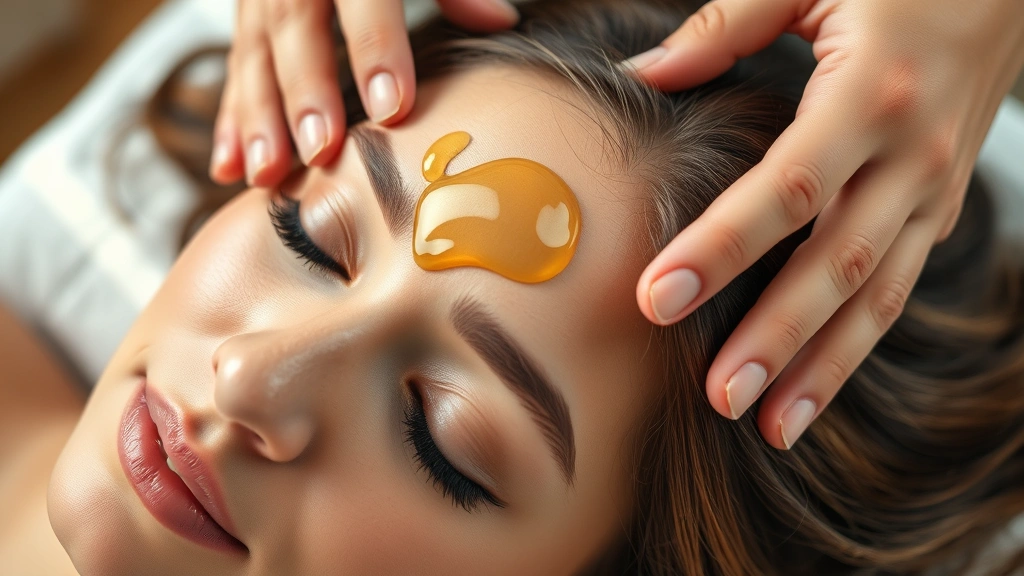
- Apply strategically: Using your fingertips or an applicator bottle, apply oil directly to your scalp, focusing on areas experiencing thinning or loss. Massage gently in circular motions for 5-10 minutes to stimulate blood circulation.
- Extend to hair: After treating the scalp, work the remaining oil through the mid-lengths and ends of your hair to prevent dryness and breakage.
- Leave it on: Allow the oil to sit for at least 30 minutes. Overnight treatments are even more effective if your schedule permits.
- Rinse thoroughly: Use lukewarm water and a gentle shampoo to remove the oil. You may need to shampoo twice to eliminate all residue.
For frequency, dermatologists typically recommend oil treatments once or twice weekly. This schedule provides consistent nourishment without overwhelming your scalp or creating buildup. Adjust frequency based on your hair type—those with oily scalps might use oils once weekly, while those with dry hair could increase to twice weekly or even more.
Common Mistakes to Avoid
Even with the best oils, people often make mistakes that reduce effectiveness or create problems. Being aware of these pitfalls helps you maximize results and maintain healthy hair throughout your treatment journey.
Mistake #1: Using Too Much Oil More oil doesn’t mean faster results. Excessive oil can clog pores, create buildup, and actually inhibit hair growth. Start with small amounts—typically one to three tablespoons depending on hair length and thickness—and adjust as needed.
Mistake #2: Not Diluting Essential Oils Undiluted essential oils like rosemary or peppermint can irritate the scalp and cause damage. Always dilute essential oils with carrier oils at a ratio of 5-10 drops per tablespoon. This protects your scalp while still delivering benefits.
Mistake #3: Expecting Overnight Results Hair growth is a slow biological process. Most people need 8-12 weeks of consistent oil use before noticing significant changes. This timeline requires the patience and persistence discussed in our guide on how to increase motivation. Stay committed to your routine even when results aren’t immediately visible.
Mistake #4: Choosing the Wrong Oil for Your Hair Type Not every oil suits every hair type. Fine, thin hair benefits from lighter oils like argan, while thick, coarse hair handles heavier oils like coconut or castor better. Experiment to find what works for your specific hair characteristics.
Mistake #5: Neglecting Overall Hair Care Oils alone won’t solve all hair problems. Combine oil treatments with a balanced diet, adequate hydration, stress management, and gentle hair handling practices. Think of it as a holistic approach to personal growth applied to your hair health.
Mistake #6: Inconsistent Application Consistency is crucial for hair growth. Sporadic oil treatments won’t produce results. Establish a regular schedule—weekly or twice weekly—and stick with it. This commitment mirrors the dedication required for setting and achieving your goals effectively.
Creating Your Hair Care Routine
Integrating hair growth oils into a comprehensive routine maximizes their effectiveness and supports overall scalp health. Think of this routine as part of your broader self-improvement efforts—just as you’d work smarter, not harder in other areas of life, you should work smart with your hair care.
Weekly Oil Treatment Schedule:
Option 1: Once-Weekly Deep Treatment Choose one day weekly for an intensive oil treatment. Apply your selected oil to your scalp and hair, leave it on for 1-2 hours or overnight, then shampoo thoroughly. This approach works well for those with drier hair or busy schedules.
Option 2: Twice-Weekly Maintenance Apply oil twice weekly for 30 minutes to an hour before washing. This schedule provides more consistent nourishment and may accelerate results, particularly for those dealing with significant hair loss.
Complementary Hair Care Practices:
- Scalp massage: Daily 5-10 minute scalp massages improve circulation and stimulate hair follicles. You can do this while applying oils or simply using your fingertips.
- Gentle shampooing: Use sulfate-free shampoos and lukewarm water to prevent stripping natural oils and causing damage.
- Conditioning: Apply conditioner to mid-lengths and ends, leaving scalp untreated to avoid buildup.
- Minimal heat styling: Reduce blow-drying, flat-ironing, and curling to prevent heat damage. When heat styling is necessary, use heat protectant sprays.
- Silk pillowcases: Sleeping on silk reduces friction and prevents breakage compared to cotton pillowcases.
- Nutritional support: Eat foods rich in biotin, iron, zinc, and protein to support hair growth from within.
- Stress management: Chronic stress can trigger hair loss. Practice meditation, exercise, or other stress-reduction techniques.
- Adequate sleep: Hair growth occurs primarily during sleep, so prioritize 7-9 hours nightly.
By combining strategic oil treatments with these complementary practices, you create an environment where hair can thrive. This comprehensive approach recognizes that hair health is inseparable from overall wellness and personal development.
FAQ
How long does it take for hair growth oils to work?
Most people begin noticing results after 8-12 weeks of consistent use. Hair growth is a gradual biological process, and results depend on various factors including your hair type, overall health, genetics, and how consistently you use the oil. Some people see improvements in hair texture and reduced breakage within 4 weeks, while visible growth typically requires longer.
Can I use multiple oils together?
Yes, combining oils can provide synergistic benefits. Many people mix rosemary oil with coconut oil for enhanced growth promotion, or combine argan oil with castor oil for intense nourishment. Start with small amounts of each oil and adjust based on how your hair responds. Mixing allows you to customize treatments to your specific needs.
Will hair growth oils make my hair greasy?
This depends on how much oil you use, your hair type, and how thoroughly you rinse. Start with smaller amounts and adjust upward if needed. For fine or thin hair, use lighter oils like argan. If greasiness is a problem, reduce the amount of oil or the frequency of treatments. Always ensure you’re rinsing thoroughly with shampoo.
Are hair growth oils safe for all hair types?
Most natural oils are safe for all hair types, but the best choice varies. Fine or thin hair benefits from lighter oils like argan or jojoba. Thick or coarse hair handles heavier oils like coconut or castor better. Those with oily scalps should use oils with antimicrobial properties like rosemary. If you have a sensitive scalp or allergies, test oils on a small area first.
Can hair growth oils help with hair loss?
Hair growth oils can support hair health and may help reduce hair loss caused by poor scalp health, dryness, or breakage. However, they’re not a cure for genetic hair loss or androgenetic alopecia. If you’re experiencing significant hair loss, consult a dermatologist to identify the underlying cause. Oils work best as part of a comprehensive approach that may include medical treatments when necessary.
Should I use oils if I have a sensitive scalp?
Many people with sensitive scalps benefit from oils, but you should choose carefully. Start with gentle, hypoallergenic oils like argan or jojoba. Avoid oils with strong fragrances or potential irritants. Always dilute essential oils properly. If you experience itching, burning, or redness, discontinue use and consult a dermatologist.
Can men use these oils for hair growth?
Absolutely. These oils benefit anyone with hair, regardless of gender. Men experiencing male pattern baldness, thinning, or poor scalp health can use the same oils and application methods. The science behind hair growth oils is universal, though individual results vary based on genetics, age, and overall health.


