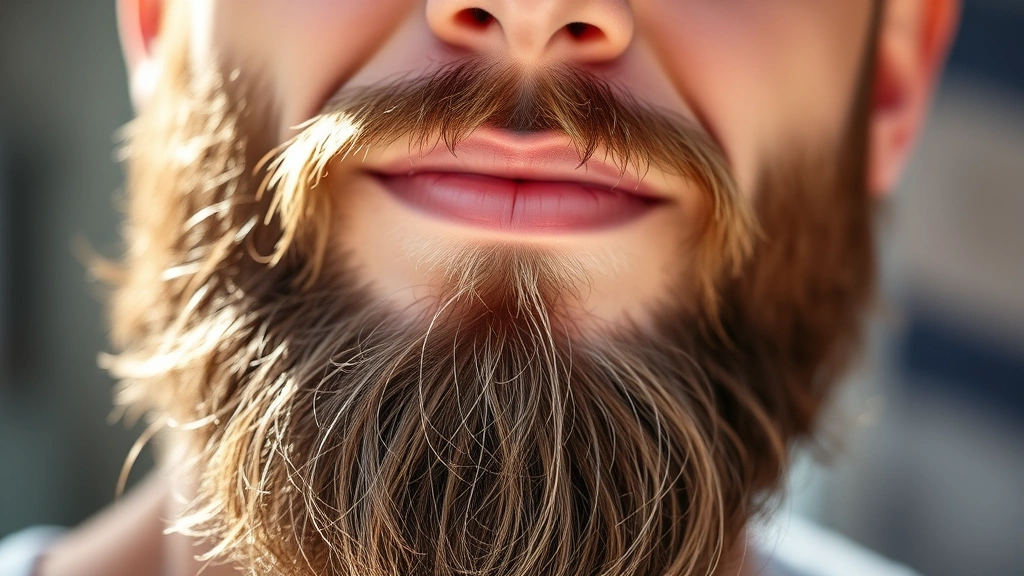
Can Beard Oil Enhance Growth? Dermatologist Insights and Evidence-Based Facts
The beard oil market has exploded in recent years, with countless products promising thicker, fuller, and faster-growing facial hair. Men everywhere are investing in premium oils, beard balms, and growth serums, hoping to achieve that perfectly groomed appearance. But beneath the marketing claims and sleek packaging lies an important question: Can beard oil actually increase beard growth, or is it merely a cosmetic solution that makes existing hair look better?
Understanding the truth about beard oil requires diving into dermatology, hair biology, and what scientific research actually reveals. While beard oil cannot magically transform your genetic potential or accelerate growth rate beyond your natural capacity, it plays a meaningful role in beard health, appearance, and the conditions necessary for optimal growth. This comprehensive guide explores what dermatologists say about beard oil, separates fact from fiction, and provides actionable insights for maximizing your beard’s potential.
How Beard Hair Growth Actually Works
To understand whether beard oil can enhance growth, you must first understand the biological process of facial hair development. Beard growth is governed by three primary factors: genetics, hormones, and overall health. Hair grows from follicles beneath the skin’s surface, with each follicle cycling through distinct phases: the anagen phase (active growth lasting 2-6 years), the catagen phase (transition lasting 2-3 weeks), and the telogen phase (resting period lasting 2-4 months).
During the anagen phase, hair cells divide rapidly, pushing new hair upward through the follicle. The rate at which this occurs is predetermined largely by your genetic makeup and testosterone sensitivity. Your beard’s maximum length, thickness, and growth rate are largely determined before you’re born. However, the health of your beard during this growth process is absolutely something you can influence.
Dermatologists emphasize that while you cannot change your genetic growth potential, you can optimize the environment in which your beard grows. This is where beard oil becomes relevant. A healthy scalp and skin condition promote stronger, more resilient hair that reaches its genetic potential without breaking, falling out prematurely, or becoming damaged.
What Beard Oil Actually Does
Beard oil serves several legitimate functions that support beard health and appearance, even if it doesn’t directly accelerate growth rate. According to dermatological research, quality beard oils provide:
- Moisturization: Beard hair is coarser than scalp hair and prone to dryness. Oil prevents moisture loss and keeps hair hydrated.
- Reduced itching and irritation: The skin beneath your beard is often irritated by friction, ingrown hairs, and dryness. Oil soothes this discomfort.
- Prevention of beard dandruff: Dry skin flakes are common in beards. Proper moisturization reduces this issue.
- Improved appearance: Oil makes beard hair appear shinier, fuller, and more groomed, enhancing aesthetic appeal.
- Protection from environmental damage: A light oil barrier shields beard hair from pollution, UV rays, and harsh weather.
- Reduced breakage: Moisturized, flexible hair breaks less frequently than dry, brittle hair.
This last point is crucial for your personal growth in beard maintenance. When you reduce breakage, your beard appears fuller and reaches its maximum potential length more effectively. While this isn’t technically increasing growth rate, it’s optimizing growth outcomes, which is the practical result most men seek.
Key Ingredients That Support Beard Health
Not all beard oils are created equal. Dermatologists recommend looking for specific ingredients with proven benefits for hair and skin health. Understanding these ingredients helps you make informed choices about which products actually support beard optimization:
Argan Oil: Rich in vitamin E and antioxidants, argan oil penetrates hair shafts and reduces frizz. Research published in the Journal of Cosmetic Dermatology demonstrates its effectiveness in improving hair appearance and reducing damage.
Jojoba Oil: This oil closely mimics skin’s natural sebum, making it ideal for beard care. It moisturizes without leaving residue and helps regulate sebum production on the skin beneath your beard.
Coconut Oil: Studies from the National Center for Biotechnology Information show that coconut oil reduces protein loss in hair, strengthening strands and reducing breakage.
Castor Oil: Traditional use and emerging research suggest castor oil may support scalp health and reduce inflammation, though direct growth acceleration remains unproven.
Vitamin E: This antioxidant protects hair from oxidative stress and supports scalp circulation, contributing to healthier growth conditions.
Essential Oils (tea tree, peppermint, lavender): These provide antimicrobial benefits, reduce itching, and may stimulate mild circulation increases. However, they should always be diluted in carrier oils to avoid skin irritation.
When evaluating beard oil products, check ingredient lists for these proven components. Avoid products with excessive synthetic fragrances, parabens, or silicones, which can clog pores and damage hair over time.
The Genetics Factor: What You Cannot Change
This is the hardest truth about beard growth: genetics determines approximately 80-90% of your beard’s potential. Your genes control hair follicle density, growth rate, terminal length (maximum length hair can reach), and thickness. This is why some men achieve impressive beards within months while others require years of patience.
Your hormonal sensitivity to DHT (dihydrotestosterone), the primary androgen driving beard growth, is also genetically determined. Men with higher DHT sensitivity and greater beard follicle density naturally grow thicker, fuller beards. No beard oil can override this genetic reality.
However, here’s the empowering counterpoint: most men never fully realize their genetic beard potential because they don’t optimize the conditions for growth. This is similar to how pursuing growth and transformation requires intentional strategy. By understanding your genetic baseline and working within it intelligently, you can achieve results that feel transformative.
Lifestyle Factors That Genuinely Impact Growth
While beard oil provides local benefits, systemic factors profoundly influence beard growth. Dermatologists consistently emphasize these lifestyle elements:
Nutrition and Protein: Hair is primarily composed of keratin, a protein. Adequate protein intake (0.8-1.0 grams per pound of body weight) ensures your body has building blocks for hair growth. Biotin, zinc, iron, and B vitamins also support hair health. These nutritional foundations matter far more than any topical product.
Sleep Quality: During sleep, your body increases blood flow to hair follicles and boosts protein synthesis. Poor sleep directly impairs beard growth. Aim for 7-9 hours nightly and prioritize sleep consistency.
Stress Management: Chronic stress elevates cortisol, which can push hair follicles into the telogen phase prematurely. This causes temporary hair shedding and slower growth. Implementing stress-reduction practices is as important as any beard product. Consider how increasing motivation through stress management creates positive cascades in all life areas, including beard health.
Exercise and Circulation: Physical activity increases blood flow throughout your body, including to facial hair follicles. Improved circulation delivers more oxygen and nutrients to growing hair. Regular exercise benefits beard growth as a secondary effect of overall cardiovascular health.
Hydration: Proper water intake supports overall skin health and hair hydration from within. Dehydrated skin becomes flaky and irritated, worsening beard conditions.
Avoiding Smoking: Smoking constricts blood vessels and reduces nutrient delivery to hair follicles. It also ages skin prematurely and increases oxidative stress. Smokers consistently report slower, thinner beard growth.
Sun Protection: UV exposure damages hair proteins and dries out beard hair. Using beard oil with UV protection or wearing hats during extended sun exposure preserves beard health.
Beard Oil vs. Other Growth Solutions
The beard care market offers numerous products claiming to boost growth. Understanding how beard oil compares to alternatives helps you allocate resources effectively:
Minoxidil (Rogaine): This is the only topical treatment with clinical evidence for increasing hair growth and thickness. Originally developed for scalp hair, some dermatologists prescribe it off-label for beard growth. Unlike beard oil, minoxidil actually stimulates hair follicles. However, it requires consistent use and can cause side effects. It’s significantly more expensive than beard oil.
Beard Growth Serums: Many serums combine beard oil with additional active ingredients like biotin or caffeine. While these provide moisturization benefits of beard oil, evidence for enhanced growth beyond oil alone is limited. They typically cost 2-3 times more than quality beard oil.
Beard Vitamins and Supplements: Oral biotin and beard-specific supplement formulas address nutritional deficiencies that limit growth. These can be effective if you’re actually deficient in these nutrients, but they won’t enhance growth beyond your genetic potential. They work systemically, supporting overall health rather than local beard health.
Beard Growth Shampoos and Conditioners: Specialized beard shampoos are gentler than regular hair shampoo, which can damage coarse beard hair. Quality beard shampoo prevents damage and maintains moisture better than beard oil alone, making it a complementary product rather than an alternative.
Dermarolling: Micro-needling devices create tiny punctures in skin, theoretically stimulating collagen production and improving product absorption. Limited evidence supports this for beard growth, and improper use can cause scarring and infection.
The most cost-effective approach combines basic beard oil with fundamental lifestyle optimization. This provides real benefits without excessive expense. If you’re already optimizing lifestyle factors and maintaining proper beard care, beard oil represents excellent value. If you’re neglecting sleep, nutrition, and stress management while expecting beard oil to create results, you’re working against yourself.
How to Choose Quality Beard Oil
With thousands of beard oil products available, selection feels overwhelming. These criteria help identify quality products:
- Ingredient transparency: Reputable brands list all ingredients clearly. Avoid products with vague terms like “fragrance blend” or “proprietary formula.”
- Carrier oil base: The primary ingredient should be a quality carrier oil like jojoba, argan, or coconut oil. These comprise 80-95% of the product.
- Minimal additives: Fewer ingredients means fewer potential irritants. Complex formulas aren’t necessarily better.
- Packaging: Amber or dark glass bottles protect oils from light degradation. Clear plastic bottles suggest lower quality.
- Price reasonableness: Quality beard oil costs $15-30 for 1-2 ounces. Prices significantly higher suggest brand markup rather than superior product.
- User reviews: Real customer feedback reveals whether products deliver promised benefits. Look for reviews mentioning specific results rather than generic praise.
- Dermatologist recommendations: Products endorsed by dermatologists or containing clinically-studied ingredients offer more credibility than celebrity endorsements.
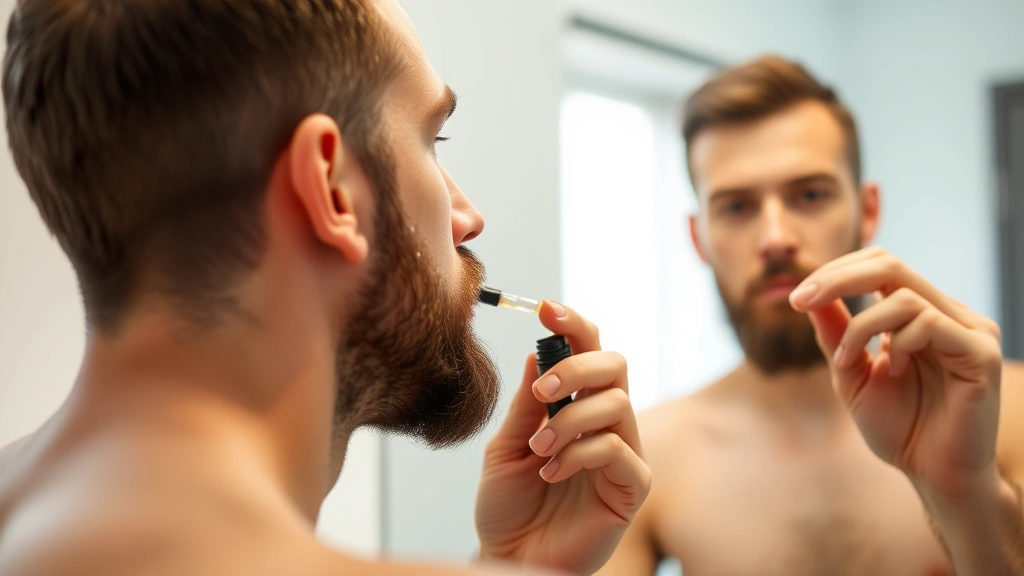
Application matters as much as product quality. Apply beard oil to a clean, damp beard, working it through from roots to tips. Use 3-5 drops for most beards; more isn’t better and creates greasy appearance. Apply daily for optimal moisture maintenance, or every other day if you have oily skin. Consistency matters more than quantity—regular use produces better results than sporadic applications.
Your beard oil selection should align with your goal-setting approach. Define what you want from your beard (appearance, health, length achievement) and select products supporting those specific goals rather than choosing randomly.
FAQ
Does beard oil actually make beards grow faster?
No, beard oil cannot increase the rate at which your beard grows. Growth rate is determined by genetics and hormones. However, beard oil prevents breakage and maintains hair health, allowing your beard to reach its genetic potential more effectively. This creates the practical result of a fuller, longer beard, even if growth speed remains unchanged.
How long does beard oil take to show results?
You’ll notice immediate improvements in appearance and feel—softer, shinier, less itchy beard. However, structural improvements in hair health require consistent use for 2-4 weeks. Significant length or thickness improvements require months of consistent application combined with optimal lifestyle factors.
Can beard oil cause hair loss?
Quality beard oil doesn’t cause hair loss. However, products with silicones or heavy ingredients can clog pores and create conditions promoting follicle problems. This is why ingredient quality matters. If you experience increased shedding after using beard oil, switch to a simpler formulation.
Is beard oil necessary or just marketing?
Beard oil is genuinely beneficial, not purely marketing. However, you can maintain beard health without it through proper cleansing and conditioning. Beard oil accelerates results and improves comfort but isn’t absolutely required. Think of it as optimizing rather than necessitating.
Can I use regular hair oil on my beard?
You can, but beard-specific oils are formulated for coarser hair and thicker skin. Regular hair oils may be too light and leave residue. Beard oils typically use heavier carrier oils better suited to beard texture. The investment in proper beard oil is modest and produces noticeably better results.
Should I use beard oil if I have oily skin?
Yes, but apply less frequently—every other day rather than daily. Focus application on beard hair itself rather than skin. Jojoba oil works particularly well for oily skin because it regulates sebum production. Avoid heavy oils like coconut oil if you’re prone to acne.
How does beard oil relate to overall personal development?
Beard care exemplifies the principle of working smarter, not harder. Rather than expecting magical growth, you optimize conditions within your control—consistent care, quality products, healthy lifestyle. This mirrors personal development: you cannot change your baseline potential, but you can maximize it through intentional, consistent effort. Excellence in appearance reflects excellence in self-care philosophy.
What’s the difference between beard oil and beard balm?
Beard oil is liquid and focuses on moisturization and conditioning. Beard balm is thicker and includes waxes for styling hold. Both have moisturizing benefits; choose based on whether you prioritize conditioning (oil) or styling (balm). Many men use both: oil for daily conditioning and balm for styling.
Beard oil cannot directly increase growth rate, but it supports the health conditions necessary for your beard to reach its genetic potential. Combined with consistent personal development practices—proper nutrition, adequate sleep, stress management, and exercise—quality beard oil becomes part of a comprehensive approach to maximizing your appearance and health. The real growth isn’t in the beard itself; it’s in the discipline and intentionality you bring to self-care. Start with these foundations, maintain consistency, and you’ll achieve beard results that feel genuinely transformative.


