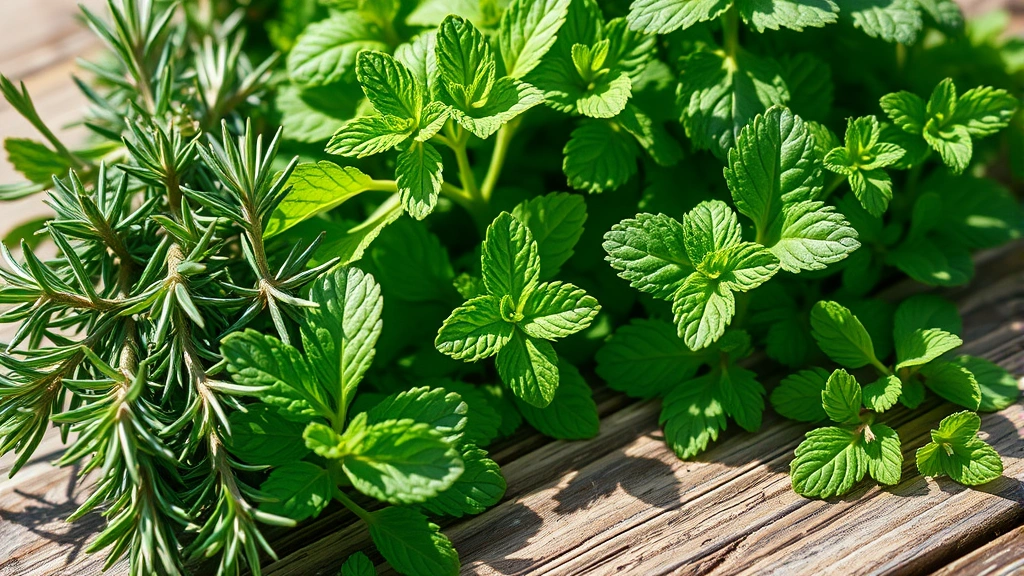
Top Herbs for Hair Growth: Expert Recommendations
Hair loss affects millions of people worldwide, impacting self-confidence and overall well-being. While genetics play a significant role in hair health, natural remedies—particularly herbs—have been used for centuries to promote stronger, fuller hair growth. Unlike synthetic treatments that may come with unwanted side effects, the best herbs for hair growth offer a holistic approach to nourishing your scalp and revitalizing hair from within.
Whether you’re experiencing age-related thinning, post-stress hair loss, or simply want to optimize your hair health, understanding which herbs work and how to use them can transform your hair growth journey. This comprehensive guide explores scientifically-backed herbs that dermatologists and holistic practitioners recommend, along with practical strategies for incorporating them into your daily routine.

Understanding Hair Growth and Natural Solutions
Hair growth occurs in three phases: anagen (growth), catagen (transition), and telogen (resting). Most hair loss results from shortened anagen phases or extended telogen phases, meaning hair doesn’t grow long enough before shedding. This is where herbs become invaluable—they work by extending the growth phase, improving scalp circulation, and reducing inflammation that inhibits follicle function.
Natural herbs contain bioactive compounds like vitamins, minerals, antioxidants, and phytochemicals that address the root causes of hair loss. Unlike pharmaceutical treatments, herbs typically work synergistically with your body’s natural processes. Research from the National Institutes of Health demonstrates that certain botanical extracts can significantly improve hair density and reduce shedding within 3-6 months of consistent use.
As you explore personal growth journeys, remember that physical wellness—including hair health—contributes to your overall confidence and self-image. Taking a proactive approach to hair care reflects the same intentionality you apply to setting and achieving your goals.
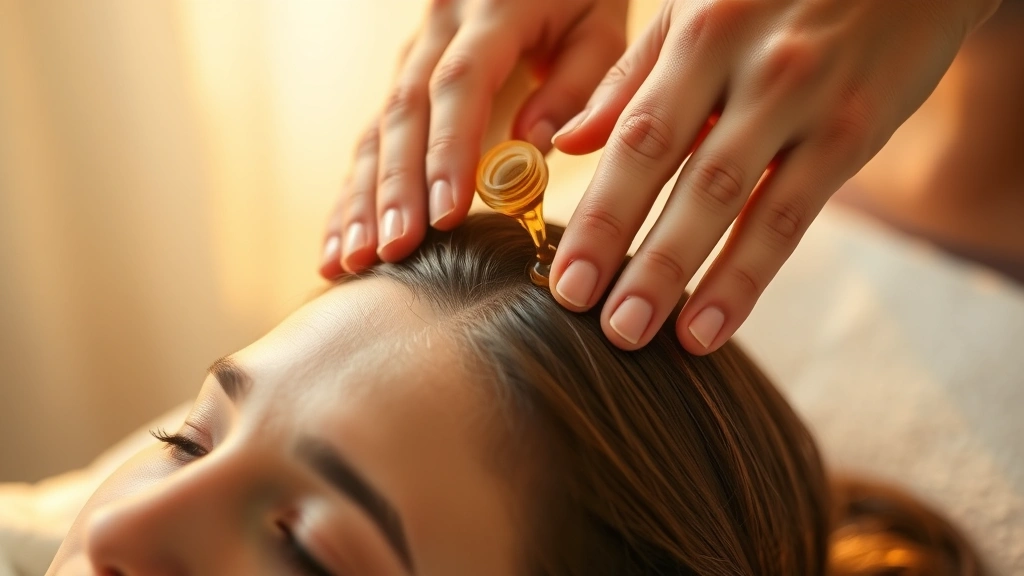
Top Herbs for Hair Growth and Their Benefits
Saw Palmetto: The DHT Blocker
Saw palmetto stands as one of the most researched herbs for hair loss, particularly for androgenetic alopecia (male and female pattern baldness). This herb works by inhibiting 5-alpha reductase, an enzyme that converts testosterone to DHT (dihydrotestosterone), the hormone responsible for hair follicle miniaturization.
Studies published in the Journal of Alternative and Complementary Medicine show that saw palmetto users experienced 60% improvement in hair growth compared to placebo groups. The recommended dosage ranges from 160-320 mg daily, with results typically visible after 3-6 months of consistent use.
Ginseng: Energy and Circulation Enhancer
Korean red ginseng has demonstrated remarkable effectiveness in promoting hair growth by improving blood flow to hair follicles and stimulating growth factor production. This adaptogenic herb reduces stress—a significant contributor to telogen effluvium (stress-induced hair loss)—while energizing follicle activity.
A clinical trial demonstrated that participants taking 3g of red ginseng daily showed significant improvements in hair thickness and growth rate. Ginseng contains ginsenosides, compounds that activate dermal papilla cells, the cells responsible for hair growth initiation.
Rosemary: The Circulation Stimulator
Rosemary oil has earned recognition from dermatologists for its ability to improve scalp blood circulation and reduce inflammation. This Mediterranean herb contains carnosic acid, a powerful antioxidant that protects hair follicles from oxidative stress.
A landmark study comparing rosemary oil to minoxidil (a FDA-approved hair growth treatment) found that both produced similar results after six months, with rosemary showing fewer side effects. The herb works best when applied topically as an infused oil massage, promoting nutrient delivery directly to follicles.
Peppermint: The Follicle Activator
Peppermint oil stimulates hair growth by increasing blood flow and activating growth factors in dermal papilla cells. This cooling herb contains menthol, which enhances vasodilation and creates an optimal environment for hair growth.
Research indicates that peppermint oil application increased hair count by 92% and hair thickness by 89% in study participants. It’s particularly effective when diluted and massaged into the scalp 2-3 times weekly.
Ashwagandha: The Stress Reducer
This adaptogenic herb addresses hair loss at its source by reducing cortisol levels and managing stress-induced hair shedding. Ashwagandha strengthens hair from within by improving nutritional absorption and hormone balance.
The herb contains withanolides, compounds that promote hair follicle recovery and extend the anagen phase. Daily supplementation of 300-500mg shows measurable improvements in hair quality and growth rate within 8-12 weeks.
Nettle Root: The Nutrient Dense Powerhouse
Stinging nettle root contains silica, iron, zinc, and B vitamins—essential nutrients for hair growth that many people lack. This herb also blocks DHT conversion, making it particularly effective for pattern baldness.
Traditional use combined with modern research supports nettle’s effectiveness in improving hair density and reducing shedding. The herb can be consumed as tea (2-3 cups daily) or taken as a standardized extract (300-600mg daily).
Horsetail: The Silica Source
Horsetail contains the highest natural concentration of bioavailable silica, a mineral crucial for hair strength and elasticity. This herb strengthens hair structure, reduces breakage, and promotes growth by improving mineral absorption.
Silica supports collagen synthesis in hair follicles, creating stronger hair shafts. Horsetail tea or supplements (500-1000mg daily) produce noticeable improvements in hair thickness and shine within 3-4 months.
How to Use These Herbs Effectively
Internal Consumption Methods
Herbal teas represent the most accessible way to consume hair-growth herbs. Brew dried herbs in hot water for 5-10 minutes, strain, and drink daily. This method allows your body to absorb water-soluble compounds and nutrients.
Herbal supplements and standardized extracts offer concentrated doses with consistent potency. Choose third-party tested products from reputable manufacturers. Taking supplements with meals enhances absorption of fat-soluble compounds.
Herbal infusions—where herbs steep in hot water for extended periods (30 minutes to several hours)—extract more minerals and nutrients than standard tea brewing.
Topical Application Techniques
Oil infusions created by steeping herbs in carrier oils (coconut, jojoba, or sesame oil) allow direct follicle nourishment. Warm the infused oil slightly and massage into your scalp using circular motions for 5-10 minutes, 2-3 times weekly.
Herbal rinses made from concentrated tea can be applied after shampooing to coat hair and scalp with beneficial compounds. Pour the cool rinse through your hair, massage the scalp, and leave on for several minutes before rinsing lightly.
Hair masks combining powdered herbs with oils and honey create intensive treatments. Apply to damp hair, focus on the scalp, leave for 20-30 minutes, then shampoo thoroughly.
Dosage and Safety Considerations
Most herbs require 3-6 months of consistent use before producing visible results. Hair growth is a slow process, and patience combined with consistency yields the best outcomes. Track your progress with monthly photos to notice subtle improvements.
Consult healthcare providers before using herbs, especially if taking medications or managing health conditions. Some herbs interact with pharmaceuticals or may not suit certain individuals. Pregnant or breastfeeding individuals should exercise particular caution.
Start with lower doses to assess tolerance, then gradually increase to recommended amounts. Quality matters significantly—purchase herbs from trusted sources that provide third-party testing certificates.
Creating Your Hair Growth Plan
Developing a personalized hair growth strategy involves selecting 2-3 complementary herbs based on your specific hair loss type. If you experience DHT-related pattern baldness, combine saw palmetto with rosemary oil. For stress-induced loss, pair ashwagandha with ginseng.
Much like cultivating a growth mindset, hair restoration requires commitment and strategic planning. Set realistic expectations—aim for 10-15% improvement in hair density within three months, with more dramatic results by month six.
Create a simple routine: take herbal supplements with breakfast, apply scalp oil massage twice weekly, and drink herbal tea daily. Consistency matters more than perfection. Building these sustainable habits requires motivation and clear tracking systems.
Document your baseline using scalp photos, hair counts, and measurements. Photograph your scalp every 4-6 weeks under consistent lighting to track density changes. Monitor shedding by counting hairs lost during washing.
Combining Herbs with Lifestyle Changes
Nutrition for Hair Growth
Herbs work optimally when combined with a nutrient-rich diet. Prioritize protein (hair is primarily keratin), iron-rich foods, zinc sources, and omega-3 fatty acids. These macronutrients provide building blocks that herbal treatments activate.
Vitamin deficiencies significantly impair hair growth. Ensure adequate B vitamins, vitamin D, and vitamin E through diet or supplementation. Many people find that addressing nutritional gaps alone produces 20-30% improvement in hair health.
Stress Management and Sleep
Chronic stress elevates cortisol, pushing hair into the telogen phase prematurely. Combine herbal treatments with stress-reduction practices like meditation, yoga, or exercise. Quality sleep (7-9 hours nightly) allows your body to repair hair follicles and balance hormones.
Research demonstrates that individuals combining herbs with stress management see 40% better results than those using herbs alone. Consider this holistic approach as part of your broader personal growth journey.
Scalp Health Practices
Gentle scalp massage increases blood flow and distributes natural oils. Massage your scalp with fingertips (never nails) for 5 minutes daily. This simple practice enhances herb efficacy by improving nutrient delivery.
Use gentle, sulfate-free shampoos that won’t strip natural oils or irritate the scalp. Limit heat styling, tight hairstyles, and chemical treatments that damage hair and stress follicles. Allow your hair recovery time by adopting protective styling practices.
Hydration and Exercise
Proper hydration supports all bodily functions, including hair growth. Drink 2-3 liters of water daily to maintain scalp hydration and support nutrient transport. Regular exercise improves circulation, reduces stress hormones, and promotes overall wellness that benefits hair health.
FAQ
How long does it take to see results from hair growth herbs?
Most people notice initial improvements within 3-4 months of consistent use, with more significant results by 6-8 months. Hair growth is a slow biological process, and patience is essential. Some individuals see results faster depending on the cause of their hair loss and overall health status.
Can I combine multiple herbs together?
Yes, combining complementary herbs often produces better results than using single herbs. Popular combinations include saw palmetto with nettle root for DHT blocking, or rosemary with peppermint for circulation enhancement. However, limit combinations to 2-3 herbs to easily identify what works for you.
Are herbal treatments safe for all hair types?
Most herbs are safe for all hair types, but some may affect oily or dry hair differently. Rosemary and peppermint oils may slightly dry hair, so those with dry hair should use carrier oils. Test herbs on a small scalp area first to ensure no adverse reactions occur.
Can men and women use the same herbs?
Yes, most hair growth herbs work effectively for both men and women. However, pregnant or breastfeeding women should avoid certain herbs like saw palmetto. Consult healthcare providers for personalized recommendations based on individual circumstances.
What’s the difference between herbal supplements and topical applications?
Internal supplements address hair loss from within by improving overall nutrition and hormone balance, while topical applications deliver nutrients directly to follicles and scalp. Combining both approaches typically produces superior results compared to either method alone.
How do I know if an herb is working?
Track progress through monthly photos, reduced shedding during washing, improved hair texture, and increased hair density. Hair growth is subtle—you may not notice dramatic changes weekly, but comparing photos from months apart reveals significant progress. Trust the process and maintain consistency.


