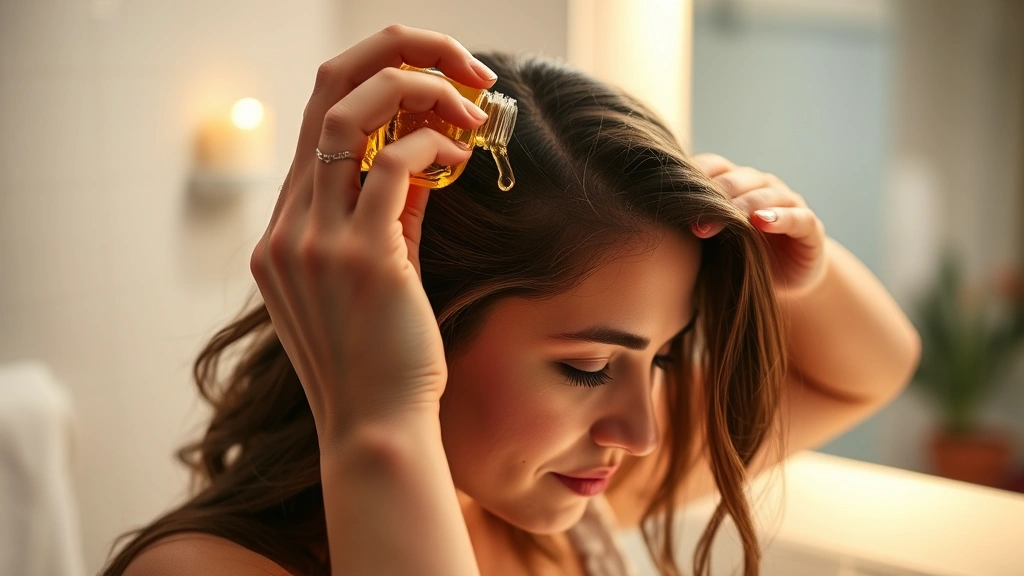
Top Hair Growth Oils: Doctor-Backed Choices for Healthy Hair
Hair loss and thinning affect millions of people worldwide, impacting self-confidence and overall well-being. While genetics play a significant role, the products you use can make a meaningful difference in your hair’s health and growth potential. Doctor-recommended hair growth oils have emerged as evidence-based solutions that combine traditional wisdom with modern scientific validation.
The journey toward healthier, fuller hair doesn’t require expensive treatments or invasive procedures. Instead, incorporating proven hair care solutions into your daily routine can yield impressive results over time. This comprehensive guide explores the most effective hair growth oils that dermatologists and trichologists recommend, backed by scientific research and clinical evidence.
Why Hair Growth Oils Matter for Your Hair Health
Understanding the science behind hair growth is essential for selecting the right oil for your needs. Hair grows in cycles, and various factors—stress, nutrition, hormonal changes, and environmental damage—can disrupt this process. Hair growth oils work through multiple mechanisms: they nourish the scalp, improve blood circulation, reduce inflammation, and strengthen hair shafts from root to tip.
The scalp is essentially skin, and like the rest of your body’s largest organ, it requires proper hydration and nutrient delivery. When you apply therapeutic oils to your scalp, you’re creating an optimal environment for hair follicles to thrive. Developing healthy habits around hair care is part of your broader self-improvement journey, affecting how you present yourself to the world.
Research from the American Academy of Dermatology indicates that topical treatments work best when combined with proper nutrition, stress management, and consistent application. This aligns with the growth mindset philosophy—small, consistent actions compound into significant results over time.
Coconut Oil: The Protein Protector
Coconut oil stands as one of the most researched hair growth oils, with compelling evidence supporting its effectiveness. Its molecular structure allows it to penetrate the hair shaft, reducing protein loss and preventing damage from washing and styling. A landmark study published in the Journal of Cosmetic Science found that coconut oil significantly reduced protein loss in both undamaged and damaged hair.
What makes coconut oil exceptional is its lauric acid content, which has antimicrobial and anti-inflammatory properties. This oil doesn’t just coat the hair surface; it actually penetrates the cortex, strengthening the hair from within. For individuals experiencing breakage or thinning, coconut oil provides structural support that prevents further damage while new, healthier hair grows.
Dermatologists recommend applying coconut oil to damp hair, focusing on the scalp and mid-lengths. Leave it on for at least 30 minutes—overnight applications yield even better results. The consistency of coconut oil makes it ideal for thick or curly hair types, though people with fine or oily hair should use it sparingly to avoid weighing hair down.
When selecting coconut oil, choose virgin, cold-pressed varieties without additives. The processing method significantly impacts the oil’s nutrient profile and effectiveness. Many doctors recommend incorporating coconut oil treatments into a weekly routine, combined with other professional hair growth products for comprehensive care.
Rosemary Oil: Science’s Favorite
Rosemary oil has become the darling of dermatological research, with multiple clinical studies demonstrating its efficacy in promoting hair growth. A groundbreaking study published in Phytotherapy Research compared rosemary oil directly to minoxidil—the FDA-approved hair loss medication—and found comparable results after six months of use.
The mechanism behind rosemary oil’s effectiveness involves improved scalp circulation and increased nutrient delivery to hair follicles. Ursolic acid, a compound found in rosemary, stimulates growth factors within the scalp, encouraging dormant follicles to enter the active growth phase. Additionally, rosemary oil’s antioxidant properties protect hair follicles from oxidative stress and free radical damage.
Because rosemary oil is potent, it should always be diluted with a carrier oil like coconut or jojoba oil before application. A typical mixture is 2-3 drops of rosemary essential oil per tablespoon of carrier oil. This dilution prevents scalp irritation while maintaining therapeutic benefits. Dermatologists recommend applying this mixture to the scalp, massaging gently for 5-10 minutes to enhance circulation.
Clinical research shows that consistent use of rosemary oil produces visible results within 3-6 months. Many doctors recommend it as a first-line natural treatment before considering pharmaceutical interventions, particularly for those experiencing early-stage hair loss or thinning.
Castor Oil: The Circulation Booster
Castor oil’s thick, nutrient-dense composition makes it a powerhouse for hair growth. Rich in ricinoleic acid, omega-6 and omega-9 fatty acids, and vitamin E, castor oil nourishes the scalp while improving blood flow to hair follicles. The warming sensation many people experience when applying castor oil indicates increased circulation—exactly what struggling hair follicles need.
A study in the Journal of Cosmetic Dermatology found that castor oil application increased blood flow to the scalp by up to 40% within the first hour of application. This enhanced circulation delivers oxygen and nutrients directly to hair follicles, revitalizing them and extending the growth phase of the hair cycle.
Castor oil also contains compounds that combat inflammation and infection, common underlying issues in hair loss conditions. For individuals with scalp conditions like seborrheic dermatitis or folliculitis, castor oil provides both treatment and prevention benefits while simultaneously promoting hair growth.
The thickness of castor oil requires careful application. Many dermatologists recommend warming the oil slightly before application and using it as an overnight treatment. Alternatively, mix castor oil with lighter carrier oils to create a more easily spreadable formula. The investment in application time pays dividends, as castor oil users typically report thicker, shinier hair within weeks of consistent use.
Argan Oil: The Scalp Healer
Argan oil, extracted from the kernels of the argan tree native to Morocco, has been used for centuries in traditional medicine. Modern dermatology has validated its benefits, particularly for scalp health and hair strength. Rich in vitamin E, polyphenols, and fatty acids, argan oil addresses multiple aspects of hair health simultaneously.
What distinguishes argan oil is its ability to regulate sebum production. Unlike heavier oils that can clog pores, argan oil balances scalp oil levels—moisturizing dry scalps while preventing excessive oiliness. This balance is crucial for optimal hair growth, as both excessively dry and oily scalps inhibit hair health.
Research published in PubMed demonstrates that argan oil’s antioxidant properties protect hair from environmental damage, UV radiation, and heat styling. For individuals concerned with hair quality and longevity, argan oil provides protective benefits alongside growth promotion.
Argan oil’s lightweight texture makes it suitable for all hair types, including fine or thin hair. Apply a small amount directly to damp hair, focusing on the scalp and ends. The oil absorbs quickly without leaving residue, making it ideal for daytime use. Many doctors recommend using argan oil in combination with other growth-promoting oils for synergistic benefits.
Minoxidil Oil: The Clinical Standard
While not a traditional “oil” in the botanical sense, minoxidil is the only FDA-approved topical medication for hair loss, making it the clinical gold standard. Available over-the-counter in concentrations of 2% or 5%, minoxidil works by extending the growth phase of hair and increasing blood flow to follicles.
Dermatologists often recommend minoxidil for moderate hair loss or as a preventative measure when family history suggests genetic predisposition to baldness. Clinical trials show that minoxidil produces noticeable results in 4-6 months, with continued improvement up to one year of consistent use.
The advantage of minoxidil is its proven efficacy backed by decades of clinical research and FDA approval. The disadvantage is that results require indefinite use—stopping treatment causes hair regrowth to cease. Many doctors recommend combining minoxidil with natural oils to enhance results while potentially reducing required minoxidil concentration.
For those exploring specialized growth solutions like beard oils, minoxidil-based products have also demonstrated effectiveness in beard growth promotion. Consistency is key with minoxidil; applying twice daily for at least three months is necessary before expecting visible results.
How to Use Hair Growth Oils Effectively
Application method significantly impacts oil effectiveness. Simply pouring oil onto your head yields inferior results compared to strategic, massage-based application. Here’s the dermatologist-recommended protocol:
- Preparation: Start with damp hair to enhance oil penetration. If using multiple oils, blend them in a small bowl first.
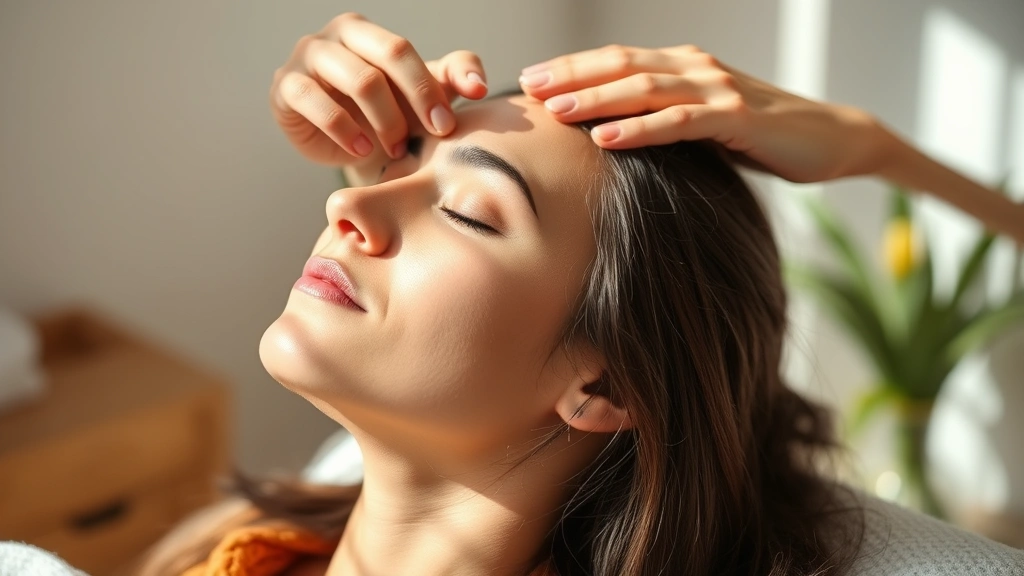
- Scalp massage: Apply oil directly to your scalp, using your fingertips to massage in circular motions for 5-10 minutes. This stimulates blood flow and ensures even distribution.
- Coverage: Work the oil through the lengths of your hair, focusing on mid-lengths and ends if hair is dry.
- Duration: Leave oil on for at least 30 minutes; overnight is optimal. Use a shower cap to prevent staining clothes.
- Frequency: Apply 1-2 times weekly, depending on your hair type and oil viscosity.
- Removal: Shampoo thoroughly to remove all oil residue. Use a clarifying shampoo once monthly to prevent buildup.
Creating a consistent routine is essential—sporadic application produces minimal results. Treat hair oil application as a self-care ritual, a time to nurture yourself while promoting physical health. This mindset aligns with personal development philosophy, where small consistent actions compound into transformation.
Combine oil treatments with other evidence-based practices: maintain adequate protein intake (hair is primarily protein), manage stress through meditation or exercise, ensure sufficient sleep, and avoid excessive heat styling. These holistic approaches address hair health from multiple angles, producing superior results compared to oils alone.
Monitor your progress by taking monthly photos under consistent lighting. Hair growth takes time—expect 4-8 weeks before noticing significant changes. Patience and consistency are more important than trying multiple products simultaneously. Dermatologists recommend selecting 2-3 oils and committing to them for at least three months before evaluating effectiveness.
Frequently Asked Questions
How long does it take to see results from hair growth oils?
Most people notice improvements within 4-8 weeks of consistent use, though significant results typically appear after 3-6 months. Hair growth cycles extend 3-6 years, so patience is essential. Consistency matters more than finding the “perfect” oil—using the same product regularly outperforms switching between options frequently.
Can I use multiple hair growth oils together?
Yes, combining oils can enhance results. A popular combination is rosemary oil diluted in coconut oil with a few drops of argan oil. However, start with single oils to identify any sensitivities, then gradually introduce additional oils. Never exceed 3-4 oils in one mixture, as excessive complexity reduces efficacy.
Are hair growth oils safe for all hair types?
Most oils work for all hair types, but application varies. Thick or curly hair tolerates heavier oils like coconut and castor. Fine or thin hair benefits from lighter oils like argan or jojoba. Those with oily hair should use oils sparingly or dilute them further with lighter carrier oils.
Can hair oils treat scalp conditions?
Many hair growth oils possess antimicrobial and anti-inflammatory properties that address scalp conditions. Rosemary and castor oils are particularly effective for dandruff and scalp inflammation. However, severe scalp conditions require dermatological evaluation and prescription treatment. Oils complement but don’t replace medical treatment.
Should I use hair growth oils if I’m using minoxidil?
Yes, dermatologists often recommend combining natural oils with minoxidil. The oils nourish and protect hair while minoxidil works on the biological level. Wait 30 minutes after applying minoxidil before applying oils to avoid interference. Some doctors suggest morning minoxidil and evening oil treatments.
What’s the difference between essential oils and carrier oils?
Essential oils are concentrated plant extracts requiring dilution before scalp application—never apply undiluted essential oils directly to skin. Carrier oils like coconut, jojoba, and argan are gentler and can be used independently. Essential oils are added to carriers in small amounts (typically 2-3 drops per tablespoon) for safety and efficacy.


