
Does Beard Growth Oil Work? Dermatologist Insights on Facial Hair Health
The beard industry has exploded into a multi-billion dollar market, with countless products promising thicker, fuller, faster-growing facial hair. Beard growth oils sit at the center of this phenomenon, appearing in grooming aisles everywhere and dominating social media advertisements. But beneath the marketing claims and influencer endorsements lies a critical question: do these oils actually work, or are they simply another beauty industry myth?
Understanding whether beard growth oil truly delivers results requires separating scientific evidence from marketing hype. This comprehensive guide examines what dermatologists actually say about beard growth products, the ingredients that matter, and realistic expectations for facial hair development. Whether you’re looking to optimize your personal growth journey—which includes self-care practices—or simply seeking grooming truth, this article provides evidence-based insights into beard health and growth.
How Beard Hair Actually Grows
Before evaluating whether beard growth oils work, it’s essential to understand the biological mechanisms driving facial hair development. Beard growth is primarily controlled by genetics and hormones, specifically androgens like testosterone and dihydrotestosterone (DHT). Your hair follicles contain receptors for these hormones, and sensitivity to these receptors largely determines your beard’s thickness, density, and growth rate.
The hair growth cycle consists of three phases: anagen (active growth), catagen (transition), and telogen (resting). During the anagen phase, cells in the hair follicle divide rapidly, pushing new hair upward. Beard hairs typically remain in the anagen phase for 2-6 years, which is why beards can grow considerably longer than scalp hair. The follicle’s health, blood flow, and nutrient availability directly influence how effectively each phase progresses.
Interestingly, beard growth isn’t entirely predetermined. While genetics account for approximately 80% of beard characteristics, the remaining 20% can be influenced through lifestyle, nutrition, and targeted skincare. This is where beard growth oils potentially enter the equation—not by creating new hair follicles, but by optimizing conditions for existing follicles to perform at their best.
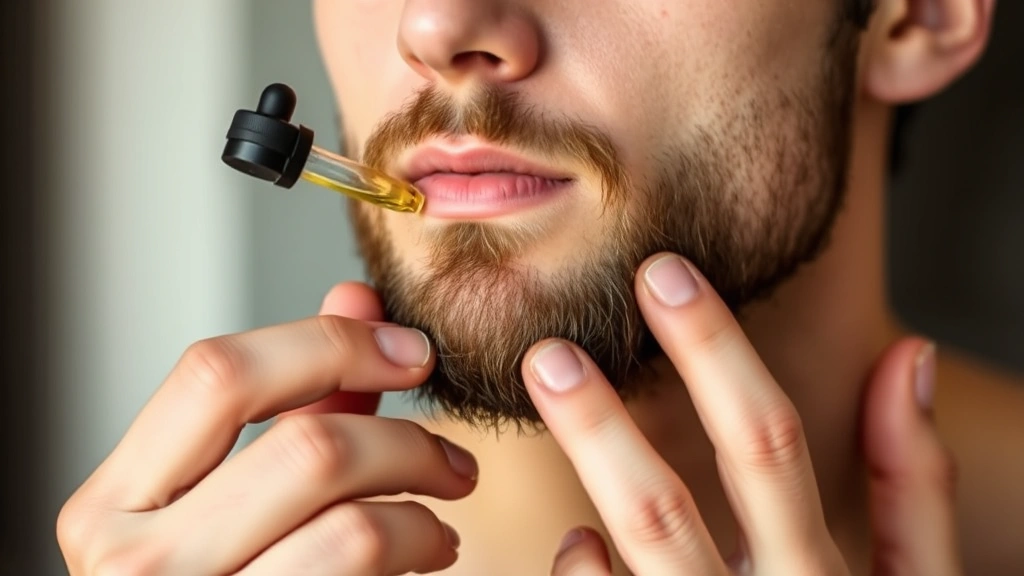
Key Ingredients in Beard Growth Oils
The most effective beard growth oils contain specific ingredients with documented benefits for hair health and skin condition. Understanding these components helps you evaluate products critically rather than relying solely on marketing claims.
Biotin is one of the most researched ingredients for hair health. This B-vitamin supports keratin production, the primary protein in hair structure. Studies published in dermatological journals show that biotin supplementation can improve hair thickness and reduce shedding, particularly in individuals with biotin deficiency.
Argan oil provides essential fatty acids and vitamin E, which moisturize the skin beneath your beard and reduce irritation that can impede growth. Its antioxidant properties help protect hair follicles from oxidative stress.
Jojoba oil closely mimics the skin’s natural sebum, making it excellent for maintaining scalp health. It penetrates deeply without leaving greasy residue and has antimicrobial properties that prevent follicle-clogging bacteria.
Castor oil contains ricinoleic acid, which some research suggests may improve blood circulation to hair follicles. Better circulation means more oxygen and nutrients reaching growing hair.
Rosemary extract has emerged as particularly promising. Research published in PubMed Central demonstrates that rosemary oil may stimulate hair growth through improved scalp circulation and follicle stimulation, with effects comparable to minoxidil in some studies.
Peptides and growth factors in premium beard oils can support collagen synthesis and follicle health, though their effectiveness depends on molecular size and absorption capability.
What Dermatologists Say
The dermatological consensus on beard growth oils is nuanced. Most dermatologists acknowledge that while these products cannot fundamentally change your genetic beard potential, they can support optimal beard health when formulated correctly. Dr. Gary Linkov, a board-certified dermatologist, emphasizes that beard oils work best as maintenance and optimization tools rather than transformative treatments.
The American Academy of Dermatology recognizes that facial hair health depends on three primary factors: hormonal balance, nutritional status, and skin health. Beard oils address the latter two by providing nutrients and maintaining skin condition, but they cannot alter hormonal profiles.
Dermatologists consistently recommend beard oils primarily for their conditioning and protective benefits. Beard hair is coarser than scalp hair and prone to dryness, which causes itchiness and beardruff. Quality beard oils solve this problem effectively, creating an environment where hair can grow without irritation-induced shedding. This represents a real, measurable benefit even if it’s not technically “growth promotion.”
Regarding actual growth stimulation, dermatologists note that evidence for beard-specific growth acceleration is limited compared to topical minoxidil or oral finasteride, which have substantial clinical backing for hair growth.

The Science Behind Effectiveness
Scientific research on beard growth oils specifically is surprisingly sparse compared to general hair health research. Most studies examine individual ingredients rather than complete formulations. This gap between ingredient research and product efficacy is important to understand.
A 2015 study in Toxicology Reports found that argan oil’s antioxidant properties protect against oxidative stress in hair follicles. However, this protection is preventative rather than growth-promoting. Another study in the Journal of Cosmetic Dermatology demonstrated that rosemary oil application improved hair thickness in some participants, though results varied significantly based on individual genetics.
The mechanism through which beard oils might promote growth involves several pathways. First, improved skin health reduces inflammation and irritation that would otherwise trigger premature follicle shedding. Second, better-conditioned hair breaks less frequently, making existing hair appear thicker and longer. Third, optimal moisture levels allow follicles to function more efficiently during the growth phase.
However, these mechanisms are distinct from actual growth acceleration. A beard oil cannot extend your growth phase or increase the number of active follicles beyond your genetic programming. What it can do is ensure that your genetic potential isn’t being limited by poor skin health or inadequate conditioning.
This distinction matters for setting realistic expectations. If your genetics allow for a full beard but poor skin condition causes excessive shedding, beard oil can help you achieve your potential. If your genetics determine sparse facial hair, beard oil won’t transform that pattern.
Realistic Results and Timelines
Honest beard oil marketing would acknowledge that visible results require patience and realistic expectations. Most dermatologists suggest giving any new beard care regimen at least 3-4 months before evaluating effectiveness. This timeframe aligns with the hair growth cycle—you need multiple complete cycles to assess whether products are reducing shedding and supporting growth.
In the first month, you’ll likely notice improved texture, reduced itchiness, and less beardruff. These benefits are real and contribute to better beard health overall. By month two, your beard may appear slightly fuller as breakage decreases and existing hairs strengthen. By month three to four, you might observe modest improvements in growth rate and overall density, assuming your genetics and hormones are supporting beard development.
The maximum realistic improvement from beard oil alone is typically 10-20% enhancement in perceived thickness and a modest acceleration in growth rate. This assumes consistent use of a quality product combined with other supporting factors like good nutrition and stress management.
If you’re seeking more dramatic results—transforming patchy facial hair into a full beard—beard oil alone won’t achieve this. In those cases, dermatologists recommend discussing minoxidil (Rogaine) or finasteride (Propecia), which have clinical evidence for significant hair growth stimulation.
Alternatives to Beard Oils
Understanding the full landscape of beard growth options helps you choose the most effective approach for your situation. Like developing your goal-setting strategy, optimizing beard growth requires choosing the right tools for your specific circumstances.
Minoxidil (Rogaine) is the only topical product with FDA approval for hair growth. Multiple clinical trials demonstrate its effectiveness for beard growth specifically, with studies showing 40-50% improvement in beard density over 6 months. However, it requires ongoing use and has potential side effects.
Finasteride (Propecia) works by reducing DHT, the hormone that can shrink hair follicles in genetically predisposed individuals. It’s effective for some men but requires a prescription and has potential side effects including sexual dysfunction.
Nutritional supplements including biotin, vitamin D, zinc, and iron support overall hair health. If you have deficiencies in these nutrients, supplementation can significantly improve beard quality.
Derma rolling involves using a device with tiny needles to create micro-injuries on facial skin, theoretically stimulating collagen production and improving product absorption. Evidence is mixed, and improper technique can cause damage.
PRP therapy (platelet-rich plasma) involves injecting concentrated platelets into the scalp to stimulate hair follicles. It’s expensive and evidence for beard-specific applications is limited.
Beard growth serums are similar to oils but with different formulations, sometimes including active ingredients like niacinamide or peptides. Quality varies significantly among brands.
Maximizing Beard Growth Potential
Regardless of whether you choose beard oil or alternative approaches, certain lifestyle factors dramatically influence beard growth outcomes. These foundational elements matter more than any single product.
Nutrition directly impacts beard health. Protein, iron, zinc, B vitamins, and omega-3 fatty acids are essential for hair synthesis. Men with inadequate protein intake or micronutrient deficiencies will see limited results from any topical product. Consider consulting a nutritionist to optimize your diet for hair health.
Sleep and stress management influence hormonal balance and follicle function. Chronic stress elevates cortisol, which can push hair follicles prematurely into the telogen (shedding) phase. Quality sleep supports hormone regulation and cellular repair. These factors are non-negotiable for optimal beard growth.
Exercise and cardiovascular health improve blood circulation, delivering more oxygen and nutrients to facial hair follicles. Regular aerobic activity also supports hormonal balance, particularly testosterone levels that influence beard development.
Hydration affects skin health and overall physiological function. Adequate water intake ensures your skin remains supple and healthy, creating an optimal environment for beard growth.
Beard grooming practices matter significantly. Regular trimming removes split ends and damaged hair, making your beard appear fuller and healthier. Gentle brushing distributes natural oils and stimulates blood flow. Avoiding harsh products and excessive heat damage protects existing hair.
Patience and consistency are underrated factors. Your growth mindset regarding beard development—viewing it as a long-term project rather than a quick fix—actually influences outcomes. Men who maintain consistent routines and realistic expectations typically see better results than those seeking overnight transformation.
Consider implementing a comprehensive approach: maintain excellent nutrition, manage stress through meditation or exercise, use a quality beard oil to optimize skin health, and give yourself 4-6 months to evaluate results. This integrated strategy leverages multiple beneficial factors rather than relying on a single product.
FAQ
Can beard growth oil actually make beards grow faster?
Beard oil cannot fundamentally accelerate growth beyond your genetic potential. However, by improving skin health and reducing shedding, it can help your beard reach its natural growth rate more effectively. The net result may appear as modest acceleration, but it’s primarily optimization rather than true growth stimulation.
How long does it take to see results from beard oil?
Initial benefits like reduced itchiness and improved texture appear within 1-2 weeks. More significant improvements in appearance take 3-4 months as the hair growth cycle completes. Patience is essential for fair evaluation.
Is expensive beard oil better than budget options?
Price doesn’t always correlate with effectiveness. What matters is ingredient quality and formulation. An inexpensive beard oil with quality argan and jojoba oil may outperform an expensive product with unnecessary additives. Read ingredient lists carefully rather than assuming premium pricing indicates superior results.
Can beard oil help with patchy beards?
Beard oil can improve the appearance of patchy beards by strengthening existing hair and reducing irritation, but it cannot activate dormant follicles. If patchiness is genetic, beard oil won’t fundamentally change the pattern. Minoxidil has clinical evidence for addressing patchy beards more effectively.
Is beard oil better than beard balm or beard butter?
Different products serve different purposes. Beard oils provide deep conditioning and scalp health benefits. Beard balms offer styling hold with some conditioning. Beard butters provide heavier moisturizing. The best choice depends on your beard type, climate, and specific needs. Many men benefit from using multiple products strategically.
Do I need to use beard oil daily?
Most dermatologists recommend daily application for optimal results, particularly if you have dry skin or coarse beard hair. However, 4-5 times weekly can also be effective. Consistency matters more than frequency—regular use beats sporadic heavy application.
Can beard oil cause acne or skin irritation?
Quality beard oils should not cause acne if they’re non-comedogenic and appropriate for your skin type. However, some individuals may react poorly to specific ingredients. If you experience irritation, try a different formulation or consult a dermatologist. Patch testing before full application is wise.


