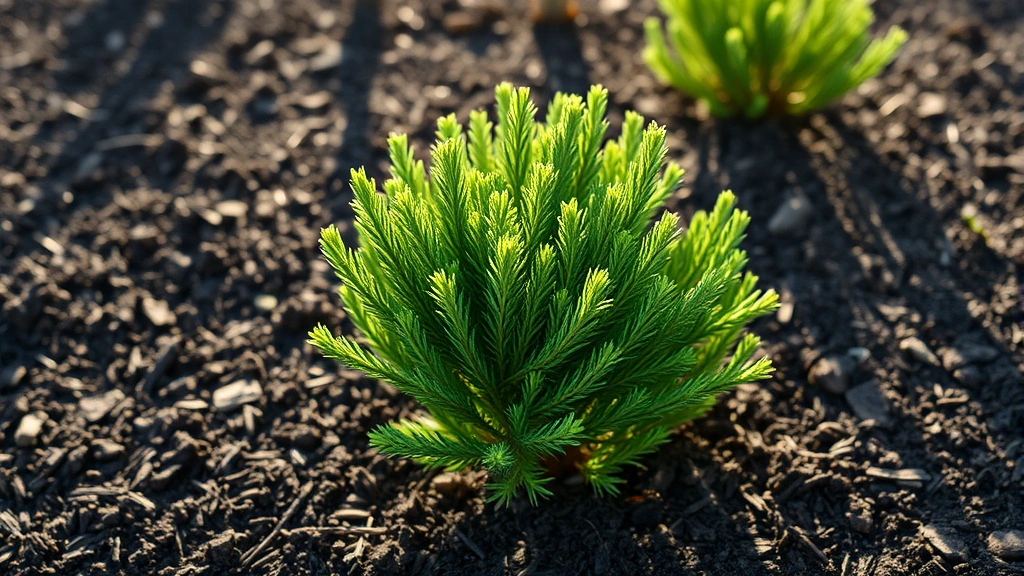
Boost Arborvitae Growth: Expert Tips for Faster, Healthier Development
Arborvitae trees are prized landscape specimens known for their elegant columnar forms and evergreen foliage. However, many gardeners struggle with slower-than-expected arborvitae growth rates, wondering why their trees don’t develop as vigorously as anticipated. The truth is that arborvitae growth depends on multiple interconnected factors—much like how personal growth requires attention to fundamentals. By understanding the science behind arborvitae development and implementing strategic care practices, you can dramatically accelerate your trees’ growth and achieve the lush, full landscape you envision.
Whether you’re establishing a privacy screen, creating a windbreak, or simply want your arborvitae to reach mature size faster, this comprehensive guide provides evidence-based strategies that professional horticulturists use to optimize arborvitae growth rate. The key lies in addressing soil conditions, watering protocols, nutrient management, and environmental factors that directly influence how quickly these trees establish and expand.
Understanding Arborvitae Growth Patterns
Arborvitae trees, scientifically known as Thuja species, exhibit predictable growth patterns that vary by cultivar and growing conditions. Most arborvitae varieties grow between 12 to 24 inches annually under optimal conditions, though some dwarf varieties grow slower while larger cultivars may exceed this range. Understanding your specific arborvitae variety’s genetic potential is crucial—you cannot force a slow-growing cultivar to match the pace of vigorous types, but you can maximize whatever growth rate your variety possesses.
The first three years after planting are critical for establishing strong root systems. During this establishment phase, arborvitae may grow more slowly than mature trees as they allocate energy to root development rather than visible aerial growth. This parallels how goal setting and achievement requires foundational work before visible progress emerges. Once roots are well-established, growth rates typically accelerate significantly.
Arborvitae growth is also seasonal. Most growth occurs during spring and early summer when temperatures are moderate and moisture is abundant. Growth slows considerably during hot summers and stops entirely during winter dormancy. Recognizing these natural rhythms helps you time interventions for maximum effectiveness.
Soil Preparation: The Foundation for Rapid Growth
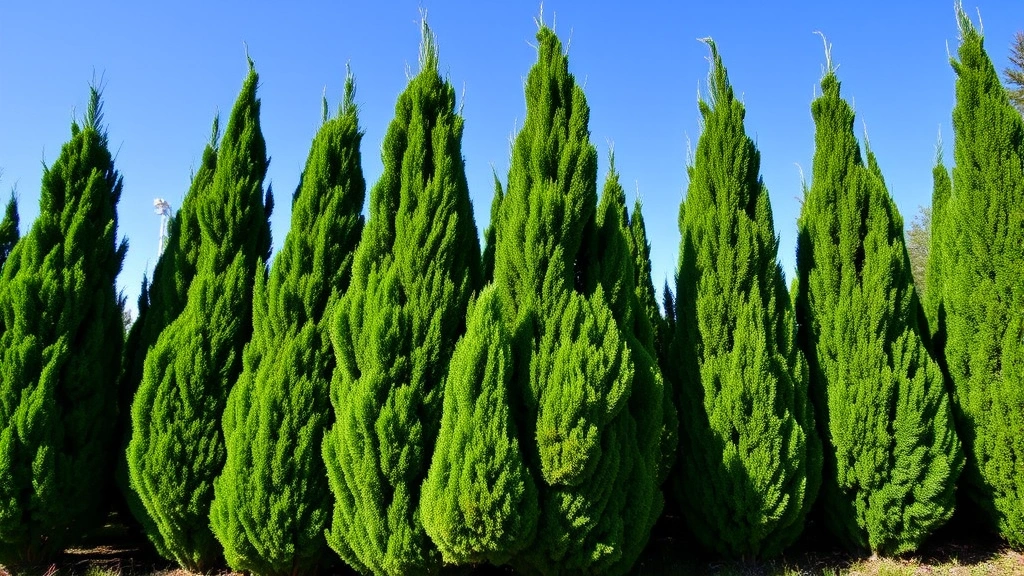
Soil quality directly determines arborvitae growth rate more than almost any other factor. These trees prefer slightly acidic to neutral soil with pH between 6.0 and 7.5. Before planting, conduct a soil test through your local extension service to understand your soil’s current chemistry and structure. This diagnostic approach ensures you’re addressing actual deficiencies rather than guessing.
Arborvitae thrive in well-draining soil rich in organic matter. Poor drainage is one of the primary causes of slow growth and decline in arborvitae. If your native soil is heavy clay or compacted, amend it substantially before planting. Mix in 30 to 40 percent compost or aged bark by volume to improve drainage and aeration. This investment in soil preparation pays dividends for decades.
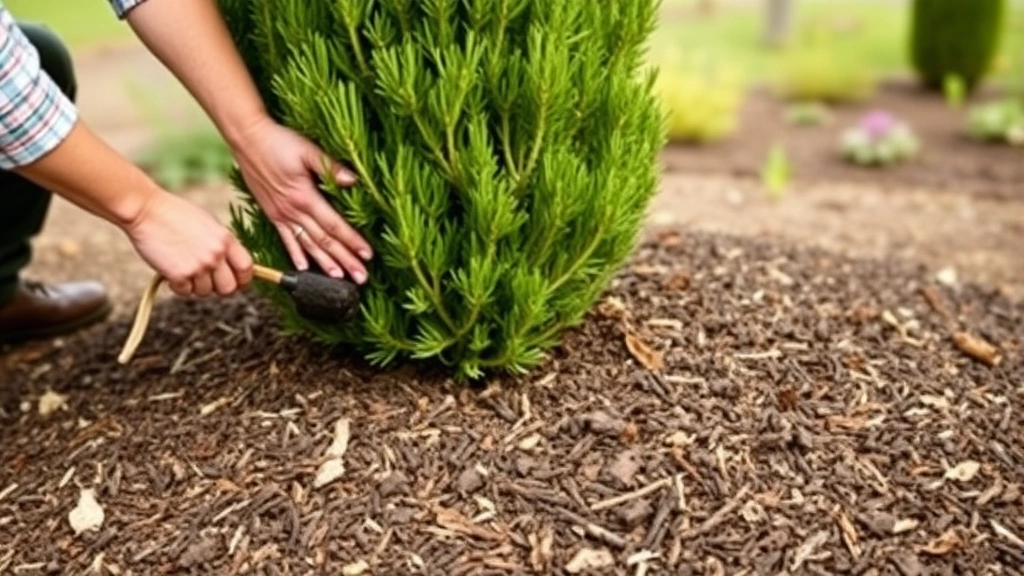
Organic matter serves multiple functions beyond drainage improvement. It increases water-holding capacity in sandy soils, provides slow-release nutrients, and promotes beneficial microbial communities that enhance nutrient availability. Apply a 2 to 3-inch mulch layer around the base of established trees, keeping mulch several inches away from the trunk to prevent rot. As mulch decomposes, it continuously improves soil structure and fertility.
Soil compaction severely restricts arborvitae growth by limiting root expansion and water penetration. If your planting site has been previously compacted by foot traffic or construction, loosen the soil to at least 12 inches deep. For severe compaction, consider installing raised planting beds filled with quality soil mixture rather than attempting to remediate extremely compacted native soil.
Optimal Watering Strategies
Water management profoundly influences arborvitae growth rate. Newly planted arborvitae require consistent moisture during the first growing season—the soil should feel moist but not waterlogged. This mimics natural conditions where young trees establish in moist environments. Water deeply and infrequently rather than shallow daily watering, which encourages deeper root development.
The establishment period typically lasts one full year, during which you should water thoroughly twice weekly if rainfall doesn’t provide adequate moisture. Use a soaker hose or drip irrigation to deliver water directly to the root zone, minimizing foliage wetness that promotes fungal diseases. A moisture meter removes guesswork—soil should register between 40 and 60 percent moisture content for optimal growth.
Once established, mature arborvitae are relatively drought-tolerant, but they still grow faster with consistent moisture. During dry periods, supplemental watering accelerates growth noticeably. Research from the Oregon State University Extension Service demonstrates that arborvitae growth rates increase 15 to 25 percent with consistent irrigation compared to purely rainfall-dependent trees in semi-arid climates.
Avoid overwatering, which is equally problematic as under-watering. Waterlogged soil promotes root rot and fungal diseases that severely stunt growth. The key is finding the balance where soil remains consistently moist but never soggy. In areas with high rainfall, ensure excellent drainage rather than adding supplemental water.
Nutrient Management and Fertilization
While arborvitae aren’t heavy feeders, strategic fertilization accelerates growth, particularly in nutrient-poor soils. Apply balanced fertilizer (10-10-10 NPK ratio) in early spring as new growth begins. This timing ensures nutrients are available when the tree’s metabolic rate peaks. A single application annually is typically sufficient for established trees; newly planted trees benefit from an additional application in early summer.
Nitrogen is the nutrient most frequently limiting arborvitae growth. However, excessive nitrogen creates soft, weak growth susceptible to pest damage and disease. Apply slow-release fertilizers rather than quick-release products. Organic options like fish emulsion, seaweed extract, or granular organic fertilizers provide steady nutrient availability aligned with the tree’s uptake capacity.
Micronutrients—particularly iron, zinc, and manganese—become limiting in high-pH soils, causing chlorosis (yellowing foliage) that reduces photosynthetic capacity and growth. If your arborvitae display yellowing between leaf veins, apply chelated micronutrient products or acidifying fertilizers to lower soil pH and increase micronutrient availability. This intervention often produces dramatic growth improvements within weeks.
Foliar feeding with dilute fertilizer solutions provides rapid nutrient availability during peak growth periods. Spray foliage early morning or late evening to minimize burn risk. This technique is particularly effective for addressing micronutrient deficiencies and supplementing root uptake during establishment.
Pruning Techniques for Enhanced Development
Strategic pruning paradoxically accelerates arborvitae growth by promoting fuller, more vigorous development. Young arborvitae benefit from light pruning to encourage branching and density. Remove the terminal 6 to 12 inches of the main stem in early spring before new growth emerges. This stimulates lateral bud break, creating a bushier form with more total growth potential.
Avoid heavy pruning on established arborvitae, as these trees don’t regenerate from bare wood well. Instead, perform light annual pruning to maintain form and remove any diseased or dead branches. This approach maintains the tree’s energy for growth while keeping it aesthetically pleasing. Think of this as consistent effort toward growth—small regular actions produce better results than sporadic major interventions.
Remove any branches rubbing together or crossing, as these create wounds and weak points. Thin dense interior foliage slightly to improve air circulation, reducing disease pressure. Improved air movement around the canopy prevents fungal infections that weaken the tree and reduce growth rates.
The timing of pruning matters significantly. Late winter before spring growth is ideal, allowing the tree to direct energy toward new growth immediately after pruning. Avoid pruning in fall, which stimulates tender new growth vulnerable to winter damage.
Environmental Factors and Site Selection
Site selection determines whether your arborvitae will thrive or merely survive. Most arborvitae varieties prefer full sun (6+ hours daily), though they tolerate partial shade. Trees in full sun consistently outgrow those in shade by 20 to 40 percent. If possible, select planting locations receiving southern or western exposure that maximizes light exposure.
Wind exposure influences growth rates significantly. While moderate wind strengthens wood structure, excessive wind stress reduces growth and can cause damage. If planting in windy locations, choose wind-tolerant varieties and consider windbreak plantings that protect young trees during establishment. Once mature, most arborvitae tolerate wind well.
Temperature extremes limit arborvitae growth. Most cultivars prefer zones 3 to 8, where they experience appropriate winter dormancy and moderate summer temperatures. In zones 9 and warmer, excessive summer heat stresses trees and slows growth. In such regions, afternoon shade becomes beneficial, and consistent moisture becomes critical.
According to research from Forest Ecology and Management journal, conifer growth rates correlate strongly with winter chilling hours and spring temperature patterns. Trees in locations with appropriate winter dormancy periods show 30 to 50 percent faster growth than those in inappropriate climates.
Common Growth Problems and Solutions
Several common issues suppress arborvitae growth rates. Spider mites, particularly in hot, dry conditions, cause yellowing foliage and stunted growth. Regular misting and miticides address this problem. Bagworms defoliate arborvitae, severely reducing growth. Hand-pick bags in winter or apply biological controls in early summer before bags form.
Root rot from Phytophthora and other pathogens causes the most severe growth problems. Prevention through excellent drainage is far more effective than treatment. If root rot occurs, improve drainage immediately and consider transplanting to better-drained locations. Fungicides provide limited benefit once rot is established.
Winter damage, particularly bronzing of foliage in cold climates, indicates environmental stress that reduces subsequent growth. Select cultivars rated for your hardiness zone and provide afternoon shade in extremely cold locations. Proper fall watering (even in cold climates) reduces winter desiccation damage.
Nutrient deficiencies, particularly nitrogen and iron, visibly slow growth. Yellowing foliage is the primary symptom. Soil testing identifies specific deficiencies, allowing targeted correction. Once addressed, growth typically accelerates within weeks, demonstrating how quickly trees respond to proper conditions—similar to how motivation and momentum build once foundational needs are met.
Arborvitae decline syndrome, a complex condition involving multiple stress factors, causes gradual growth decline and eventual death. Prevention through proper site selection, excellent drainage, and appropriate watering is essential. Once decline is evident, recovery is difficult, making preventive care paramount.
FAQ
How fast do arborvitae trees grow annually?
Most arborvitae varieties grow 12 to 24 inches per year under optimal conditions. Growth rates vary by cultivar—dwarf varieties may grow only 6 inches annually, while vigorous types can exceed 24 inches. Growth slows during the establishment period (first 1-2 years after planting) and accelerates once roots are developed.
What’s the best fertilizer for arborvitae growth?
Balanced slow-release fertilizers (10-10-10 NPK) applied in early spring provide optimal results. Organic options like fish emulsion or seaweed extract promote steady growth without excessive soft foliage. Avoid high-nitrogen fertilizers that create weak growth. In nutrient-poor soils, additional micronutrient supplementation may be necessary.
How often should I water arborvitae?
Newly planted arborvitae require twice-weekly deep watering during the first growing season. Established trees need supplemental watering during dry periods—generally once weekly if rainfall is insufficient. Soil should remain consistently moist but never waterlogged. Once established, arborvitae are relatively drought-tolerant but grow faster with consistent moisture.
Can pruning make arborvitae grow faster?
Light pruning of young arborvitae stimulates branching and bushier growth. Removing the terminal 6 to 12 inches in early spring encourages lateral bud break and increased total growth potential. However, heavy pruning on mature trees should be avoided, as arborvitae don’t regenerate well from bare wood. Strategic light pruning is more effective than aggressive cutting.
Why is my arborvitae growing slowly?
Slow growth typically results from poor drainage, inadequate sunlight, nutrient deficiencies, inconsistent watering, or inappropriate climate. Conduct a soil test to check pH and nutrient levels. Ensure your planting location receives at least 6 hours of direct sunlight daily. Verify that soil drains well and isn’t waterlogged. Address any pest or disease issues. Once underlying causes are corrected, growth typically accelerates significantly.
What soil pH do arborvitae prefer?
Arborvitae prefer slightly acidic to neutral soil with pH between 6.0 and 7.5. Soil testing determines your current pH. If soil is too alkaline, apply sulfur or acidifying fertilizers to lower pH. If too acidic, add lime. Correct pH ensures optimal nutrient availability and microbial activity that support vigorous growth.
How long until arborvitae reach full size?
Growth timeline depends on variety and growing conditions. Most arborvitae reach mature height in 10 to 15 years. Vigorous cultivars in optimal conditions may reach maturity in 8 to 10 years, while slower-growing varieties or trees in less-than-ideal conditions may require 20+ years. Consistent care accelerates this timeline substantially.


