
Boost Growth: Top African Hair Products Reviewed
African hair is unique, beautiful, and deserves specialized care that honors its natural texture and cultural significance. Whether you’re working toward personal growth in your self-care routine or seeking transformative hair health solutions, understanding the right products makes all the difference. The journey to healthier, stronger hair mirrors the broader commitment to growth and transformation in your life.
African hair growth products have evolved dramatically, combining traditional remedies with modern science to deliver results that actually work. From nourishing oils to strengthening treatments, these products address specific challenges like dryness, breakage, and slow growth that many people with textured hair experience. This comprehensive guide reviews the top African hair products on the market, helping you make informed decisions about your hair care investment.

Understanding African Hair Structure
Before diving into product reviews, it’s crucial to understand why African hair requires different care approaches. African hair typically has a coiled or kinky texture with a unique curl pattern that affects how moisture travels along the hair shaft. Unlike straight hair, where natural oils easily slide down the hair, textured hair struggles with moisture retention because sebum cannot efficiently coat each strand.
This structural difference means African hair is naturally more prone to dryness and breakage. The scalp produces the same amount of oil, but the curl pattern prevents it from distributing evenly. Understanding this fundamental difference—much like understanding your personal growth mindset—empowers you to choose products that work with your hair’s natural characteristics rather than against them.
The porosity of African hair also varies significantly. High-porosity hair absorbs moisture quickly but loses it just as fast, while low-porosity hair has a tightly sealed cuticle that resists moisture absorption. Identifying your hair’s porosity level helps you select products that will actually benefit your specific hair type. Many people discover their hair porosity through simple water tests or by consulting with specialists who understand textured hair care.
Additionally, the density of African hair—how many strands grow per square inch—affects which products work best. Finer-textured hair needs lighter products to avoid buildup, while coarser hair can handle richer, heavier formulations. This personalization mirrors the concept of growth mindset quotes that emphasize understanding yourself deeply before pursuing transformation.
Essential Oils and Natural Treatments
Essential oils have been used in African hair care for centuries, and modern science increasingly validates their effectiveness. These concentrated plant extracts offer remarkable benefits when properly diluted and applied to hair and scalp. The best essential oils for African hair growth include those with proven anti-inflammatory, antimicrobial, and circulation-boosting properties.
Jamaican Black Castor Oil stands out as one of the most popular choices among people seeking African hair growth products. This oil, derived from castor beans, contains ricinoleic acid that may improve blood circulation to the scalp. Research published in the Journal of Cosmetic Dermatology suggests castor oil’s anti-inflammatory properties can support scalp health. Many users report thicker, faster-growing hair with consistent application over three to six months.
Coconut oil remains a staple in traditional African hair care, offering deep moisturizing properties and natural antimicrobial benefits. However, coconut oil works best for people with higher porosity hair, as it can leave residue on low-porosity strands. When selecting coconut oil products, choose virgin or extra-virgin varieties that haven’t been heavily processed, as these retain more beneficial compounds.
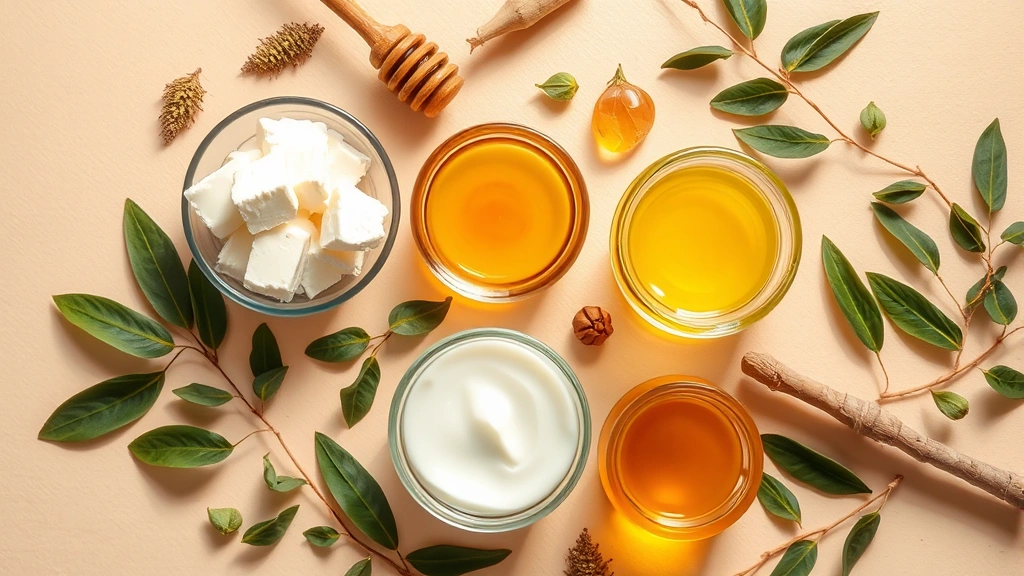
Shea butter, a traditional African ingredient, provides exceptional moisture and contains vitamins A and E that nourish hair from root to tip. Many premium African hair growth products feature shea butter as a primary ingredient because it melts into hair without leaving greasy buildup. The rich, creamy texture makes it ideal for sealing moisture into textured hair after washing.
Argan oil, while originating from Morocco, has become integral to many African hair care routines. This lightweight oil penetrates the hair shaft, reducing frizz and adding shine without weighing down curls. For those exploring hair growth serum options, argan-based products offer an excellent natural alternative to synthetic formulations.
Peppermint oil deserves special mention for its ability to stimulate scalp blood flow. When diluted properly and massaged into the scalp, peppermint oil creates a refreshing tingle that many users find energizing. This stimulation may encourage healthier hair growth, though results vary individually.
Growth Serums and Stimulants
Modern African hair growth products often combine traditional ingredients with scientifically-formulated serums designed to maximize growth potential. These concentrated treatments target the scalp and hair roots, delivering potent ingredients directly where they’re needed most.
Biotin-enriched serums have gained significant popularity, as biotin is a B-vitamin essential for keratin production. Keratin forms the structural foundation of hair, so adequate biotin supports stronger, more resilient strands. Many African hair growth serums combine biotin with botanical extracts for synergistic benefits. Studies in the Dermatology Practical and Conceptual journal indicate biotin supplementation may improve hair thickness and reduce shedding.
Products containing caffeine have emerged as effective growth stimulants. Caffeine increases blood flow to hair follicles and may extend the anagen (growth) phase of the hair cycle. Several leading African hair brands now incorporate caffeine into their serums, often combining it with niacinamide for enhanced results. Application is typically twice daily for optimal effectiveness.
Peptide-based serums represent cutting-edge formulations that strengthen hair at the molecular level. These amino acid chains support collagen production and improve hair elasticity, reducing breakage during styling. High-quality African hair growth products featuring peptides tend to show visible results within eight to twelve weeks of consistent use.
Minoxidil alternatives derived from natural sources have also entered the market. While prescription minoxidil remains the gold standard for medical hair loss, natural growth serums offer accessible options for those seeking growth life hub solutions without pharmaceutical interventions. Products containing redensyl or capixyl show promising results in clinical studies for promoting hair density.
The application method matters significantly. Most serums work best when applied to clean, damp scalp and massaged gently for two to three minutes. This massage stimulates blood circulation independently, amplifying the serum’s effectiveness. Many people integrate this ritual into their daily routine, making it a meditative practice that supports both physical and mental wellness.
Deep Conditioning Products
Deep conditioning treatments are non-negotiable for African hair health. These intensive moisture masks penetrate the hair shaft, restoring hydration and repairing damage from heat styling, chemical treatments, and environmental stressors. The best African hair growth products include powerful deep conditioners as part of a comprehensive routine.
Protein-rich deep conditioners strengthen hair by filling gaps in the cuticle layer. These treatments contain hydrolyzed proteins that coat and reinforce each strand. However, protein balance is crucial—too much protein can make hair brittle, while too little leaves it weak and stretchy. Most experts recommend protein treatments every two to four weeks, depending on hair condition.
Moisture-focused deep conditioners, often formulated with glycerin and humectants, attract and retain water within the hair shaft. These work beautifully for high-porosity hair that needs intensive hydration. Look for products featuring aloe vera, honey, or plant-derived glycerin, which are gentler than synthetic humectants.
Cream-based masks suit those with lower porosity hair, as their heavier consistency ensures penetration despite the hair’s resistance. These rich formulations often include butter and oils that nourish without requiring extensive rinsing. Many users leave cream masks on overnight for maximum benefit, waking to noticeably softer, shinier hair.
The frequency of deep conditioning depends on your hair’s current condition and texture. Severely damaged hair may benefit from weekly treatments, while healthy hair typically needs them once or twice monthly. This commitment to consistent care mirrors the dedication required for personal growth mindset development—regular, intentional practice produces transformative results.
Heat application enhances deep conditioning effectiveness. Using a shower cap with warm water, or applying heat from a warm towel, opens the hair cuticle and allows products to penetrate more deeply. This simple technique, costing nothing extra, significantly improves product efficacy.
Protective Styling Solutions
Protective styling is fundamental to African hair growth strategy. When hair is styled in ways that minimize manipulation and reduce friction, it experiences less breakage, allowing length retention and growth. Several products support protective styling by reducing frizz, providing hold, and protecting hair edges.
Styling creams and butters designed for textured hair create definition while maintaining moisture. Unlike traditional hair gels that dry hair out, quality styling products for African hair contain conditioning ingredients that enhance curl pattern while providing hold. Shea butter-based styling creams are particularly popular because they offer medium hold without crunchiness.
Edge control products deserve special attention, as edges are particularly fragile and prone to breakage from tight styling. The best edge controls combine strong hold with nourishing ingredients like castor oil and aloe vera. Applying edge control to clean, moisturized edges and using minimal tension prevents the traction alopecia that can result from consistently tight hairstyles.
Leave-in conditioners are essential for protective styling success. These lightweight products maintain moisture between wash days without weighing down curls. Applied to damp hair before styling, leave-in conditioners provide ongoing hydration and protection. Many people apply leave-in conditioner before bed as part of their nighttime routine, ensuring hair stays moisturized during sleep.
Silk or satin accessories prevent friction damage during sleep and protective styling. Silk pillowcases, bonnets, and hair wraps reduce moisture loss and breakage compared to cotton alternatives. While not technically a product, incorporating these accessories represents an investment in your hair’s health that complements chemical products beautifully.
Budget-Friendly Options
Excellent African hair growth products exist at every price point. You don’t need expensive brands to achieve healthy, growing hair—consistency and understanding your hair’s needs matter more than price tags.
Drugstore brands now offer quality options specifically formulated for textured hair. Many major retailers carry lines developed by hair experts who understand African hair’s unique needs. These products may lack the premium packaging of luxury brands, but their formulations are often comparable.
DIY treatments using kitchen staples provide effective, budget-friendly alternatives. A simple mixture of coconut oil, honey, and banana creates a nourishing mask. Avocado and olive oil combine beautifully for protein-rich treatments. While these require more preparation time than commercial products, they cost pennies and often deliver impressive results.
Bulk purchasing and loyalty programs help reduce costs for regular users. Many brands offer subscription services that provide discounts for consistent purchases. Buying larger sizes of frequently-used products like oils and conditioners typically costs less per ounce than smaller bottles.
Generic versions of popular products often contain identical or similar formulations to name brands. Comparing ingredient lists helps identify effective budget options. Many dermatologists and trichologists recommend focusing on key active ingredients rather than brand prestige when selecting African hair growth products.
The investment in quality hair care ultimately saves money by reducing damage, preventing hair loss, and minimizing the need for corrective treatments. Think of product investment as part of your broader growth and transformation plan—the upfront investment in self-care produces long-term returns in confidence and health.
Creating Your Personalized Hair Care Routine
The most effective African hair growth product regimen is one tailored to your specific hair type, porosity, density, and current condition. A personalized routine typically includes four components: cleansing, conditioning, treatment, and styling.
Cleansing should happen every one to two weeks using sulfate-free shampoos or co-washing (conditioning wash) methods that preserve natural oils. Frequent washing strips moisture, while infrequent washing allows buildup. Finding your optimal wash schedule requires experimentation and observation.
Conditioning happens after every cleanse with rinse-out conditioners that restore moisture. This step is non-negotiable for African hair health. Spend at least five minutes allowing conditioner to sit in your hair, detangling gently with a wide-tooth comb while conditioned.
Treatments include deep conditioning masks, oils, serums, and specialized growth products. These weekly or bi-weekly applications provide intensive nourishment and address specific concerns like slow growth or excessive breakage. Consistency matters more than product variety—using one effective treatment regularly beats rotating through many mediocre options.
Styling with protective techniques and appropriate products maintains your hair’s health between treatments. Protective styles like braids, twists, and buns minimize daily manipulation while allowing your hair to rest and recover.
Tracking progress through photos every four weeks helps you assess whether your routine is working. Hair growth takes time—typically six to twelve months to see significant changes—but consistent care produces undeniable results. This patience and persistence in hair care mirrors the mindset required for broader personal growth journeys.
Scientific Research on African Hair Care
Understanding the science behind African hair products helps you make evidence-based choices. Research published in the International Journal of Dermatology demonstrates that natural oils significantly improve hair strength and elasticity. Studies specifically examining castor oil, coconut oil, and argan oil show measurable improvements in hair health markers.
A landmark study in Nutrients Journal found that biotin supplementation combined with topical treatments improved hair thickness in people with thinning hair. The combination approach—internal supplementation plus external products—proved more effective than either method alone. This suggests that comprehensive African hair growth strategies should consider both dietary support and topical applications.
Research from PubMed Central on scalp health indicates that massage increases blood flow to hair follicles by up to 40% when performed consistently. This validates the importance of massage techniques during product application—you’re not just applying products, you’re actively stimulating growth through improved circulation.
Studies examining protective styling’s impact on hair retention show that reducing tension and friction decreases breakage significantly. Research published in the Journal of Cosmetic Dermatology found that people using protective styling techniques retained approximately 30% more hair length over twelve months compared to those using daily manipulation styles.
The emerging field of cosmetic microbiology has revealed that scalp microbiome health directly impacts hair growth. Certain natural ingredients like tea tree oil and neem support beneficial bacteria while inhibiting harmful ones. This scientific validation of traditional African ingredients reinforces why these products remain effective centuries after their initial use.
Common Mistakes to Avoid
Even with quality African hair growth products, mistakes in application or routine can undermine results. Understanding these pitfalls helps you maximize your investment.
Over-washing remains the most common mistake. Frequent shampooing strips natural oils faster than they can replenish, leaving hair dry and prone to breakage. Limiting washes to once or twice weekly preserves moisture and allows products to work more effectively.
Applying products to dry hair prevents proper penetration and distribution. Always apply conditioners, oils, and serums to damp hair, where the cuticle is slightly open and more receptive. This simple adjustment dramatically improves product effectiveness.
Neglecting the scalp while focusing exclusively on hair length limits growth potential. A healthy scalp produces healthy hair, so prioritize scalp treatments and massage. Many premium African hair growth products specifically target scalp health because it’s foundational to overall hair success.
Using excessive heat before hair has adequate moisture damages the cuticle layer, causing frizz and breakage. Always deep condition before heat styling, and use heat protectant products. Better yet, embrace heat-free styling methods that work beautifully with textured hair.
Inconsistent application prevents you from seeing results. Hair growth products require patience and consistency—typically four to twelve weeks before noticeable changes. Many people abandon effective products after just weeks because they expect immediate results. Commit to at least twelve weeks of consistent use before evaluating effectiveness.
FAQ
How long does it take African hair growth products to work?
Most African hair growth products require four to twelve weeks of consistent use before producing visible results. Hair grows approximately half an inch monthly, so significant length changes take time. However, improvements in texture, shine, and breakage reduction often appear within four to six weeks with quality products and proper technique.
Can I use multiple growth serums simultaneously?
While tempting, using multiple growth serums simultaneously can cause buildup and reduce individual product effectiveness. Instead, choose one high-quality serum and use it consistently for twelve weeks before evaluating results or switching. If you want to combine products, pair a serum with a complementary deep conditioner or oil rather than multiple active treatments.
Are natural African hair products better than synthetic ones?
Natural and synthetic products both have merit. Natural ingredients like castor oil and shea butter offer proven benefits with minimal side effects. Synthetic actives like minoxidil and peptides provide clinically-validated results. The best approach combines both—using natural products for daily maintenance and targeted synthetic treatments for specific concerns.
What’s the difference between leave-in conditioner and regular conditioner?
Leave-in conditioners remain in hair after washing, providing ongoing hydration and protection. Regular conditioners rinse out, providing immediate moisture but no lasting benefit. Both serve important purposes—regular conditioners provide deep moisture during wash day, while leave-in conditioners maintain hydration between washes.
How do I know if a product is causing buildup?
Buildup manifests as dull, weighed-down hair that feels sticky or looks flat. Your curls may lose definition, and hair may feel stiff despite moisture. If you notice these signs, clarify with a sulfate-free clarifying shampoo, then reassess whether that product suits your hair. Some people with low-porosity hair are prone to buildup and need lighter formulations.
Should I get a hair analysis before choosing products?
Professional hair analysis helps identify your specific hair type, porosity, density, and condition level. Many salons specializing in textured hair offer this service, providing personalized product recommendations. While not essential, professional guidance accelerates the process of finding products that work for your unique hair. Alternatively, you can conduct simple at-home tests like the porosity test using room-temperature water.
Can African hair growth products help with alopecia?
While quality products support scalp and hair health, clinical alopecia requires professional medical evaluation. Consult a dermatologist or trichologist if you experience significant hair loss. Prescription treatments like minoxidil or finasteride may be necessary alongside supportive products. Natural growth serums work best for prevention and maintenance rather than treating medical conditions.
How do I choose between oils and creams for styling?
Oils work best for lightweight, elongated curls, while creams suit denser, coarser textures needing more hold and moisture. High-porosity hair often prefers creams that seal moisture, while low-porosity hair may do better with lighter oils that won’t cause buildup. Experiment with both to discover your preference, remembering that your needs may change seasonally.


