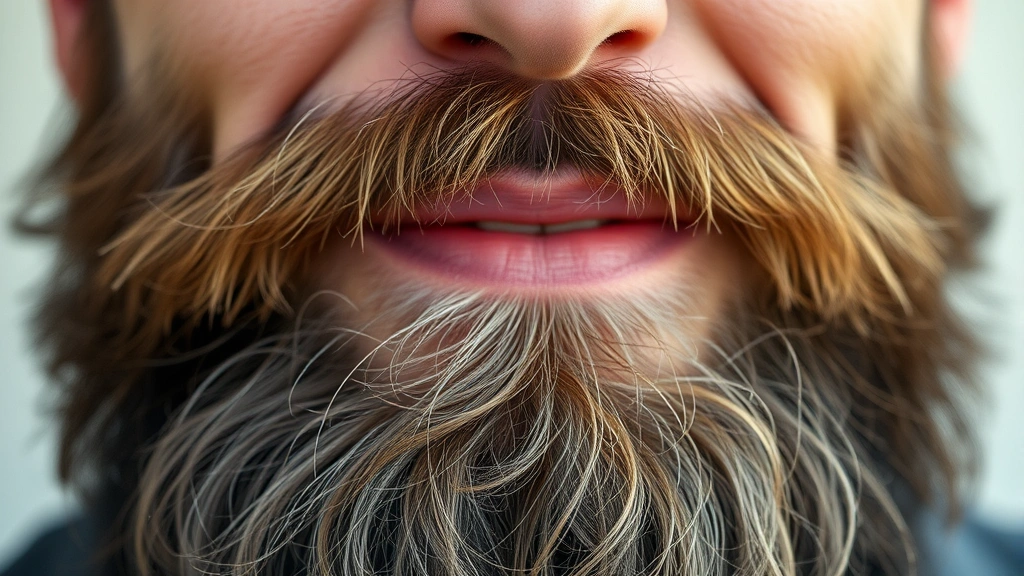
Boost Beard Growth: Dermatologist-Approved Serums
A well-groomed beard represents more than just facial hair—it’s a statement of confidence, discipline, and self-care. Yet many men struggle with patchy growth, slow development, or weak beard quality. The frustration of waiting months for visible results can derail even the most committed beard enthusiasts. This is where beard growth serums enter the picture, offering science-backed solutions to accelerate facial hair development and improve overall beard health.
The beard growth serum market has exploded in recent years, with countless products claiming miraculous results. However, not all serums are created equal. Some rely on outdated formulations, while others lack clinical evidence. Understanding which ingredients actually work—and how dermatologists recommend using them—is essential for achieving the beard of your dreams. This comprehensive guide explores the most effective, dermatologist-approved serums available today, along with the science behind their success.
Just as personal growth requires consistent effort and the right tools, beard development demands patience combined with evidence-based products. Let’s discover how to optimize your beard growth journey.
Understanding Beard Growth Biology
Before investing in a beard growth serum, it’s crucial to understand how facial hair actually grows. Your beard’s health and speed of growth depend on multiple biological factors, including genetics, hormone levels, age, and overall health. The hair growth cycle consists of three phases: the anagen (growth) phase, catagen (transition) phase, and telogen (resting) phase.
Testosterone and its derivative, dihydrotestosterone (DHT), play significant roles in beard development. Higher DHT levels generally correlate with thicker, faster-growing facial hair. However, genetics largely determine your baseline hormone levels and how sensitive your follicles are to these hormones. This explains why some men can grow impressive beards in months while others require years.
Nutritional deficiencies also significantly impact beard growth. Iron, zinc, B vitamins, and protein are essential for healthy hair production. Many men with slow beard growth actually suffer from micronutrient deficiencies rather than hormonal issues. This is why dermatologists often recommend comprehensive approaches combining topical serums with dietary optimization.
The scalp and facial skin contain specialized sebaceous glands that produce natural oils. These oils protect hair follicles and promote healthy growth. When your skin becomes dry or irritated, beard growth slows considerably. Quality serums work by maintaining optimal skin conditions while delivering growth-promoting ingredients directly to follicles.
Key Ingredients in Effective Serums
Not all beard growth serum ingredients are equally effective. Dermatologists consistently recommend products containing these scientifically-validated components:
Minoxidil (Rogaine) stands as the gold standard for hair growth stimulation. Originally developed for scalp hair loss, minoxidil has proven equally effective for facial hair. This ingredient extends the anagen phase, meaning hair stays in active growth longer. Research published in the Journal of Dermatological Treatment demonstrates minoxidil increases beard thickness and density within 4-6 months of consistent use.
Biotin is a B-vitamin essential for keratin production, the primary protein component of hair. Studies show biotin supplementation improves hair strength and growth rate, particularly in individuals with existing deficiencies. While biotin alone won’t dramatically accelerate growth, it provides foundational support for follicle health.
Caffeine may seem surprising, but research indicates caffeine stimulates hair follicles and increases blood flow to facial skin. A study in Dermatology Practical & Conceptual found caffeine-containing serums enhanced hair growth velocity compared to control groups. Caffeine also provides antioxidant benefits, protecting follicles from environmental damage.
Peptides and growth factors work by signaling follicles to remain in the growth phase longer. These molecules communicate with hair cells, essentially telling them to keep producing. Advanced serums increasingly incorporate peptide technology for enhanced results.
Niacinamide (Vitamin B3) strengthens the skin barrier, improves sebum production, and reduces inflammation. Healthy skin provides optimal conditions for beard growth. Niacinamide also improves blood circulation, ensuring follicles receive adequate nutrients.
Saw Palmetto is a natural DHT blocker. While blocking DHT might seem counterintuitive for beard growth, saw palmetto specifically prevents excessive DHT from causing follicle miniaturization on the scalp while maintaining beard-promoting effects. This ingredient appeals to men concerned about hair loss while growing beards.
Top Dermatologist-Approved Products
Rogaine for Men (Minoxidil 5%) remains the most clinically-proven beard growth solution available. Dermatologists consistently recommend this product because extensive research supports its efficacy. The 5% concentration provides optimal results for facial hair without excessive side effects. Most users notice visible improvements within 3-4 months, with peak results around six months.
Beard Growth Serums with Peptides represent the newest generation of facial hair enhancement products. Premium brands now combine minoxidil with advanced peptide complexes, niacinamide, and botanical extracts. These formulations offer improved absorption and reduced irritation compared to older products.
Biotin Supplementation Combined with Topical Serums works synergistically for maximum impact. Taking a daily biotin supplement (2.5mg) alongside topical application creates comprehensive support. Dermatologists often recommend this dual approach for men experiencing slow growth despite healthy genetics.
Caffeine-Based Serums work best as complementary products rather than primary solutions. Using a caffeine serum in the morning followed by minoxidil at night optimizes results throughout the day. The caffeine boosts circulation and follicle activity, while minoxidil sustains growth phase extension overnight.
When selecting a beard growth serum, prioritize products with transparent ingredient lists and clinical backing. Avoid serums making exaggerated claims or lacking scientific support. Your dermatologist can recommend specific products based on your skin type and individual needs.
How to Use Beard Growth Serums Correctly
Even the most effective beard growth serum fails if applied incorrectly. Proper application technique significantly impacts results. Start by cleansing your facial area with a gentle, sulfate-free cleanser. Pat skin dry completely—serums work better on clean, dry skin as moisture can dilute active ingredients.
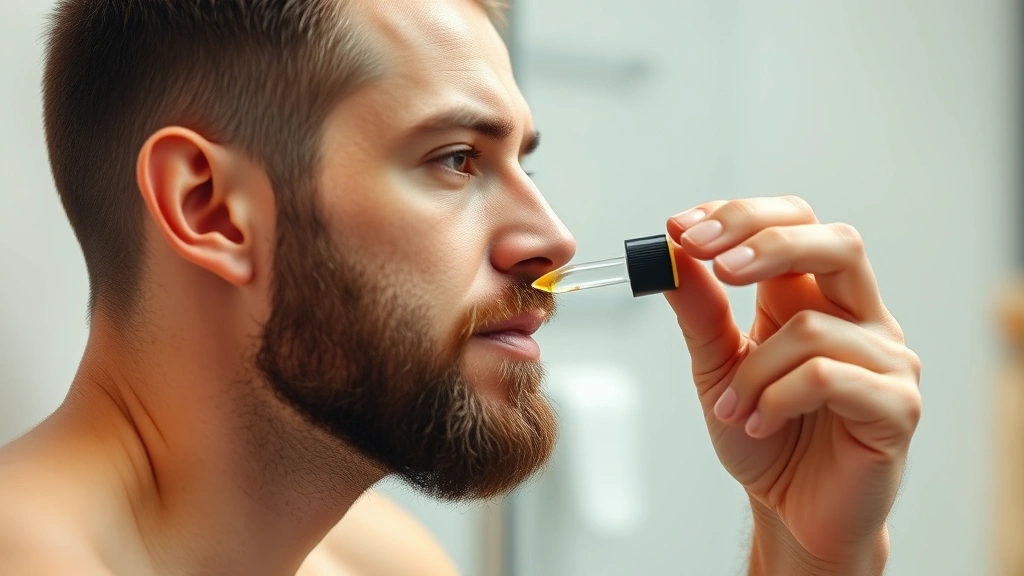
Apply the serum directly to the beard area, working it into the skin beneath the hair. Most serums require 2-3 applications daily, with morning and evening being ideal times. Use approximately one dropper full per application, distributing it evenly across the entire beard region. Massage gently for 30-60 seconds to improve absorption and stimulation.
Consistency is absolutely critical. Dermatologists emphasize that beard growth serums require daily use for minimum 4-6 months before meaningful results appear. Missing applications or stopping prematurely wastes previous progress. Treat serum application like brushing teeth—a non-negotiable daily habit.
Avoid common application mistakes that reduce effectiveness. Don’t apply serum to wet skin, as this dilutes the active ingredients. Never apply excessive amounts hoping for faster results; this wastes product and may cause irritation. Don’t wash the serum off immediately after application; allow at least 4 hours for absorption.
If using minoxidil-based serums, be aware of potential shedding during the first 2-4 weeks. This temporary increase in hair loss actually indicates the serum is working—it’s pushing resting hairs into the growth phase. This initial shedding precedes thicker, healthier beard growth. Understanding this phenomenon prevents unnecessary discouragement.
Timeline and Realistic Expectations
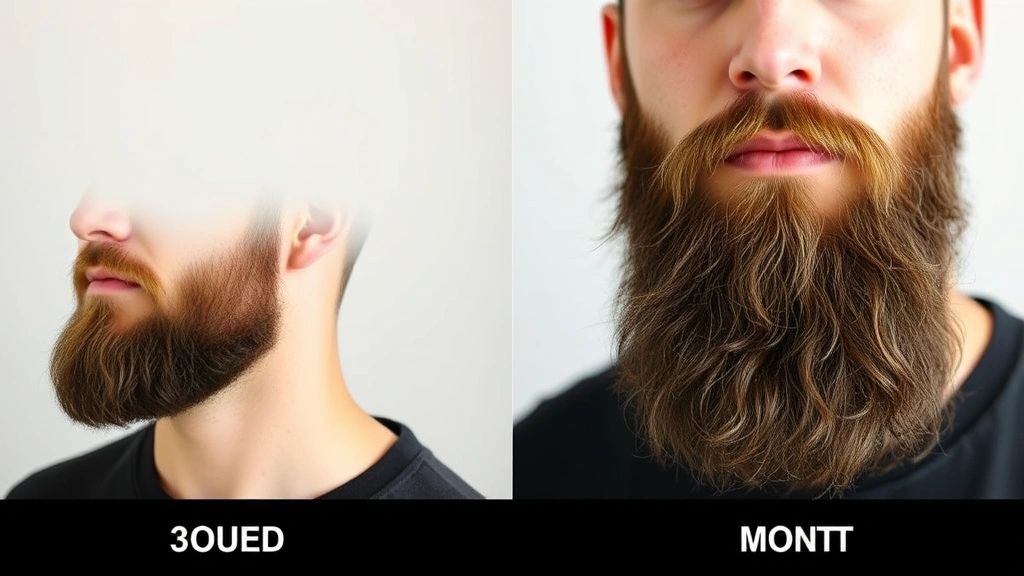
Understanding realistic timelines prevents disappointment and maintains growth mindset motivation. Beard growth serums don’t produce overnight transformations. Here’s what you can realistically expect:
- Weeks 1-2: Improved skin health and hydration. You may notice your existing beard feels softer and looks shinier.
- Weeks 3-6: Potential temporary shedding if using minoxidil. This is normal and indicates activation of dormant follicles.
- Weeks 8-12: New hair growth becomes visible, though it may be fine and light initially. Beard density begins improving.
- Months 4-6: Significant improvements in thickness, density, and growth rate. This is when most users see dramatic results.
- Months 6-12: Continued improvement and refinement. Some men achieve their best results after 6-9 months of consistent use.
Individual results vary based on genetics, age, overall health, and product choice. A 25-year-old man with strong genetic predisposition might see results in 3 months, while a 45-year-old with genetic limitations might require 6-8 months. This parallels how to increase motivation through realistic goal-setting—understanding your unique timeline prevents discouragement.
Dermatologists note that results plateau after 6-12 months. You won’t achieve continuous acceleration indefinitely; rather, you’ll reach an optimal state determined by your genetics. At this point, maintenance requires continued serum use to sustain results.
Complementary Strategies for Maximum Growth
Beard growth serums work best within a comprehensive self-care strategy. Optimizing multiple factors dramatically improves results. Think of this like goal setting and achievement—multiple aligned strategies compound toward success.
Nutrition and Supplementation provide the raw materials for beard growth. Ensure adequate protein intake (0.8-1g per pound of body weight), as hair consists primarily of keratin protein. Include iron-rich foods like red meat, spinach, and lentils. Zinc supports hormone balance and follicle health. Consider supplementing with:
- Biotin: 2.5-5mg daily
- Zinc: 15-30mg daily
- Iron: Only if deficient (consult your doctor)
- B-complex vitamins: Essential for hair metabolism
- Vitamin D: Supports follicle cycling
Sleep and Stress Management profoundly impact beard growth. During sleep, your body releases growth hormone and repairs cellular damage. Aim for 7-9 hours nightly. Chronic stress elevates cortisol, which suppresses beard growth and shifts more hairs into the telogen (resting) phase. Meditation, exercise, and proper rest directly support facial hair development.
Exercise and Cardiovascular Health increase blood flow throughout your body, including to facial follicles. Regular aerobic exercise improves hormone balance, reduces stress, and enhances nutrient delivery to growing hair. Strength training boosts testosterone naturally, supporting beard development.
Beard Grooming Practices maintain serum effectiveness and prevent damage. Trim your beard every 4-6 weeks to remove split ends and damaged hair. Use a beard-specific conditioner to maintain moisture balance. Avoid harsh soaps that strip natural oils. Brush gently with a beard brush to stimulate follicles and distribute natural oils.
Hydration supports all biological processes, including hair growth. Drink adequate water daily (typically 3-4 liters for most men). Proper hydration improves skin elasticity, supports nutrient transport, and maintains optimal conditions for serum absorption.
Avoiding Harmful Habits prevents setbacks. Smoking reduces blood flow and damages hair health. Excessive alcohol consumption depletes B vitamins essential for growth. Poor diet lacking nutrients starves follicles of building blocks. Eliminating these habits amplifies serum effectiveness.
Consider using productivity tools for professionals to track your beard growth journey. Taking monthly photos, recording measurements, and monitoring supplementation creates accountability and helps you identify what works best for your unique situation.
Return to your Growth LifeHub Blog regularly for updated insights on personal development and self-improvement strategies applicable to any goal, including beard optimization.
FAQ
How long before I see beard growth serum results?
Most users notice improvements within 8-12 weeks, with significant results appearing around 4-6 months. However, some men require up to 8 months for optimal results. Consistency matters more than patience—daily application is essential.
Can women use beard growth serums?
While designed for men, minoxidil-based serums are technically gender-neutral. However, women should consult dermatologists before use, as minoxidil can cause unwanted facial hair growth. Some women use these products on eyebrows with professional guidance.
Are beard growth serums safe?
Minoxidil-based serums are FDA-approved and generally safe when used as directed. Side effects are typically minimal, though some men experience temporary scalp irritation or shedding. Consult your dermatologist if you have cardiovascular conditions, as minoxidil was originally developed as a blood pressure medication.
Can I use beard serum with other skincare products?
Yes, but apply serums before heavier products. Use this order: cleanser → serum → moisturizer. Allow 5-10 minutes between products for absorption. Avoid applying serums simultaneously with vitamin C or retinol products, as these may interact.
What’s the difference between beard serums and beard oils?
Beard serums contain active growth-promoting ingredients and absorb quickly into skin. Beard oils primarily condition existing hair and provide shine. Use serums for growth stimulation and oils for maintenance and appearance. They’re complementary rather than competitive products.
Do I need to use beard serum forever?
Most men maintain results with continued use. If you stop applying serum, beard growth gradually returns to baseline. However, improvements in beard thickness achieved during the growth phase often persist partially even after discontinuation, as you’ve developed denser follicles.
Can genetics prevent beard growth serums from working?
Genetics determine your maximum potential, but serums help you reach that potential faster and fuller. Even men with modest genetic predisposition see improvements. Serums work within your biological limits, not beyond them.


