
Beard Oil for Growth: Barber-Approved Tips to Maximize Your Facial Hair Potential
Growing a thick, healthy beard isn’t just about patience—it’s about strategy, consistency, and using the right tools. Beard oil for growth has become a cornerstone of modern grooming routines, and for good reason. Barbers across the world recommend quality beard oils not merely for aesthetic appeal, but for the science-backed benefits they provide to facial hair health and skin vitality. Whether you’re just starting your beard journey or looking to optimize your existing growth, understanding how to leverage beard oil effectively can transform your results.
The relationship between proper grooming and personal development mirrors the broader principle of personal growth—small, consistent actions compound into remarkable transformations. Your beard represents more than facial hair; it’s a reflection of discipline, self-care, and commitment to self-improvement. This comprehensive guide will walk you through everything barbers know about using beard oil for optimal growth, combining professional insights with evidence-based practices.
Understanding Beard Oil and Hair Growth Science
Beard oil works through multiple mechanisms to promote healthy facial hair growth. At its core, beard oil conditions the hair shaft, moisturizes the underlying skin, and provides essential nutrients that support follicle health. The science is straightforward: healthy skin produces healthier hair, and conditioned hair is less prone to breakage, allowing your beard to reach its full length potential.
The facial hair growth cycle consists of three phases: anagen (active growth), catagen (transition), and telogen (resting). Quality beard oil extends the anagen phase by nourishing hair follicles and maintaining optimal scalp conditions. According to research published in Dermatology Practical & Conceptual, proper hair follicle nutrition significantly impacts growth rate and hair thickness.
Barbers understand that beard growth isn’t purely genetic—environmental factors, hydration, and follicle health play crucial roles. When you apply beard oil regularly, you’re essentially creating an optimal microenvironment for your facial hair to thrive. This principle aligns with the concept of working smarter, not harder—instead of forcing growth through willpower alone, you’re optimizing conditions for natural success.
Essential Ingredients in Growth-Promoting Beard Oils
Not all beard oils are created equal. Barber-recommended formulations contain specific ingredients chosen for their proven efficacy in promoting hair growth and skin health.
Jojoba Oil: This carrier oil closely mimics sebum, your skin’s natural oil. It penetrates deeply, providing moisture without leaving greasy residue. Jojoba oil contains zinc, copper, and selenium—minerals essential for hair follicle function.
Argan Oil: Rich in vitamin E and fatty acids, argan oil strengthens hair shafts and reduces breakage. It’s particularly effective for coarse facial hair, making it a staple in professional-grade beard oils.
Coconut Oil: This ingredient has lauric acid, which penetrates the hair shaft better than most oils. Studies show coconut oil reduces protein loss in hair, maintaining strength and promoting thickness.
Castor Oil: Containing ricinoleic acid and omega-6 fatty acids, castor oil stimulates blood circulation to hair follicles. Barbers often recommend it specifically for growth enhancement.
Essential Oils: Peppermint, rosemary, and tea tree oils aren’t just for fragrance. Research indicates peppermint oil increases hair growth rate by improving scalp blood flow. Rosemary oil similarly enhances circulation and has been shown to be as effective as minoxidil in some studies.
When selecting beard oil, look for products with minimal synthetic additives and maximum natural ingredients. The best oils for growth contain carrier oils as the base with 3-5 essential oils specifically chosen for their growth-promoting properties.
Image placeholder:
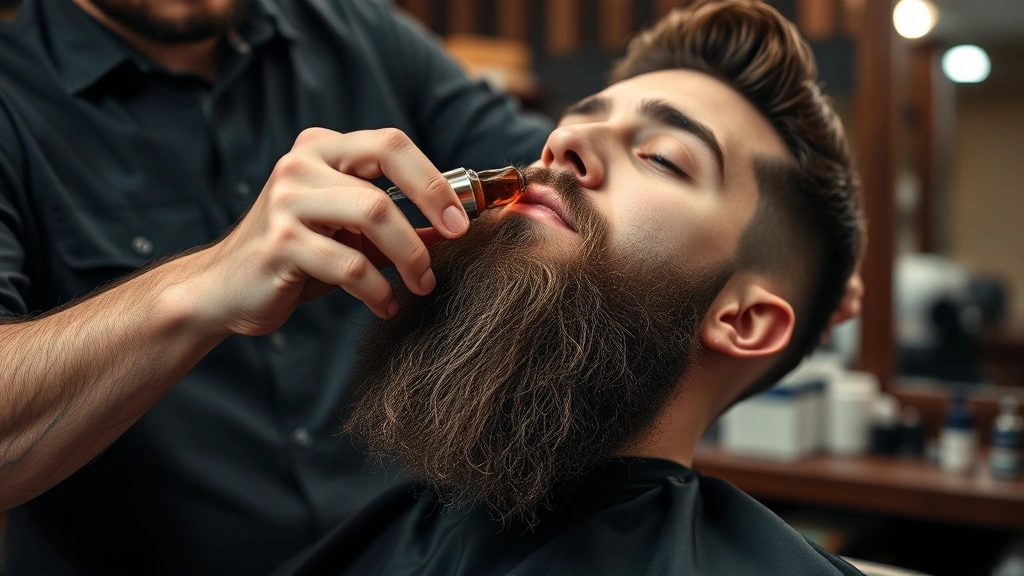
Step-by-Step Application Techniques Barbers Recommend
Application technique matters as much as product quality. Improper application wastes product and delivers suboptimal results. Here’s the barber-approved method:
- Timing: Apply beard oil immediately after showering when your beard is damp. This allows the oil to penetrate more effectively and lock in moisture.
- Quantity: Start with 3-5 drops for a full beard, 2-3 for a developing one. More isn’t better—excess oil looks greasy and attracts dirt.
- Distribution: Rub the oil between your palms, then work it through your beard starting at the roots. Use downward strokes to encourage proper hair orientation.
- Skin Coverage: Don’t neglect the skin beneath your beard. Massage the oil into your facial skin, paying special attention to areas prone to irritation or dryness.
- Combing: Use a beard comb to distribute the oil evenly and style your beard. This also stimulates blood flow to follicles.
- Frequency: Daily application provides optimal results, though every other day works for less aggressive growth goals.
The key principle here mirrors the importance of setting and achieving goals effectively—consistency and proper execution matter more than sporadic intense effort.
Creating Your Beard Growth Routine
Sustainable beard growth requires integrating beard oil into a comprehensive routine. Professional barbers structure their recommendations around three pillars: cleansing, conditioning, and maintenance.
Cleansing: Use a beard-specific shampoo 2-3 times weekly. Regular shampoo strips natural oils, hindering growth. Beard shampoo gently cleanses without over-drying.
Conditioning: Apply beard oil or beard balm daily. This maintains moisture and provides consistent nourishment to hair and skin.
Maintenance: Trim every 3-4 weeks to remove split ends. While counterintuitive, removing damaged hair allows healthy growth to continue unimpeded.
Think of this routine as your personal growth framework. Just as increasing motivation requires consistent habits, beard growth demands regular attention and structured practices.
Image placeholder:

Combining Beard Oil with Other Growth Methods
Beard oil works best as part of an integrated approach. Barbers recommend combining it with complementary practices for accelerated results.
Nutrition: Hair growth depends on protein, zinc, iron, and B vitamins. Adequate nutrition provides the building blocks for healthy hair. Focus on lean meats, legumes, nuts, and leafy greens.
Hydration: Drinking sufficient water (minimum 2 liters daily) ensures your skin remains hydrated from within, improving beard growth conditions.
Sleep: Hair growth accelerates during sleep when your body increases hormone production. Aim for 7-9 hours nightly.
Stress Management: Chronic stress elevates cortisol, which can inhibit hair growth. Implement stress-reduction practices like meditation, exercise, or breathing techniques.
Exercise: Regular physical activity improves circulation, delivering more nutrients to facial hair follicles. Even 30 minutes of daily activity significantly impacts growth rates.
This holistic approach reflects the broader principle of adopting a growth mindset—understanding that meaningful results come from addressing multiple factors simultaneously rather than relying on single solutions.
Common Mistakes That Sabotage Beard Growth
Even with quality beard oil, certain mistakes prevent optimal results. Barbers consistently see these growth-limiting errors:
Inconsistent Application: Using beard oil sporadically won’t produce results. Growth requires daily commitment. This mirrors the principle that consistent improvement compounds over time—missing applications breaks the compounding effect.
Excessive Washing: Washing your beard daily strips natural oils, forcing you to compensate with more product. Limit washing to 2-3 times weekly.
Poor Quality Oil: Cheap oils often contain fillers and synthetic ingredients that don’t penetrate effectively. Invest in quality formulations from reputable brands.
Ignoring Scalp Health: Beard health originates at the skin level. Ignoring scalp irritation or dryness limits growth potential. Address underlying skin issues first.
Improper Trimming: Some men avoid trims, thinking it slows growth. Actually, regular trims remove split ends that travel up the hair shaft, ultimately stunting growth.
Unrealistic Expectations: Beard growth takes time. Expecting results in weeks rather than months leads to premature abandonment of routines.
Timeline: What to Expect From Consistent Use
Understanding realistic timelines helps maintain motivation. Here’s what barber experience shows:
Weeks 1-2: Your beard feels softer and less itchy. Oil penetrates existing hair, improving texture immediately. This quick win motivates continued use.
Weeks 3-4: Visible improvements emerge. Your beard appears fuller and healthier. Breakage decreases noticeably.
Weeks 5-8: Growth rate accelerates. You’ll notice increased length and thickness. This is when the benefits become undeniable.
Months 3-6: Significant transformation occurs. Your beard reaches new lengths and develops its mature character. The investment in consistent application pays dividends.
Beyond 6 Months: Continued application maintains growth momentum. Your beard reaches its genetic potential, limited only by individual factors.
This progression demonstrates the power of compound growth—small daily actions produce exponential results over time, a principle applicable to all personal growth endeavors.
FAQ
Can beard oil alone make my beard grow faster?
Beard oil optimizes conditions for growth but doesn’t override genetics. It can increase growth rate by 10-15% through improved follicle health, but it works best combined with proper nutrition, sleep, and stress management.
How long before I see results from beard oil?
Most people notice softer, healthier-feeling beard texture within 1-2 weeks. Visible growth improvements typically appear by week 4-5 of consistent daily use.
Is expensive beard oil better than affordable options?
Price doesn’t guarantee quality. Look for products with natural ingredients like jojoba, argan, and castor oils rather than synthetic fillers. Mid-range products from reputable brands often outperform expensive luxury options.
Can I use regular coconut oil as beard oil?
Yes, pure coconut oil works, though formulated beard oils typically combine multiple ingredients for enhanced effectiveness. If using pure oil, apply sparingly to avoid excessive greasiness.
Should I use beard oil if I have sensitive skin?
Absolutely, but choose oils carefully. Jojoba and argan oils are hypoallergenic. Perform a patch test first. If irritation occurs, discontinue and consult a dermatologist.
Does beard oil work on all beard types?
Yes, though benefits vary. Coarser beards benefit most dramatically from conditioning oils. Finer beards need lighter formulations to avoid looking greasy. Barbers can recommend appropriate oils for your specific beard type.
Can women use beard oil for facial hair growth?
Beard oil works on any facial hair, regardless of gender. The conditioning and follicle-nourishing benefits apply universally. However, consult a dermatologist before use if concerned about hormonal effects.
Is beard oil better than beard balm for growth?
Both serve different purposes. Oil provides maximum nourishment and penetration, ideal for growth. Balm offers hold and styling benefits with some conditioning. Many barbers recommend using both—oil daily for growth, balm for styling.


