Boost Hair Growth? Top Shampoo Picks Reviewed
Hair loss and thinning can significantly impact your confidence and self-image. While genetics play a role in hair health, the products you use daily matter more than most people realize. The right hair growth shampoo and conditioner can nourish your scalp, strengthen follicles, and create an environment where healthy hair thrives. This comprehensive guide explores the science behind hair growth products and reveals which formulations actually deliver results.
Just as personal growth requires consistent effort and the right tools, hair restoration demands a strategic approach. Your hair’s health reflects your overall wellness, nutrition, and self-care practices. By understanding what makes an effective hair growth shampoo work, you can make informed decisions that align with your hair goals and lifestyle.
Understanding Hair Growth Science
Your hair grows in cycles: the anagen (growth) phase, catagen (transitional) phase, and telogen (resting) phase. Most hair remains in the growth phase for 2-7 years, which is why consistency matters when using hair growth products. Research from the National Center for Biotechnology Information confirms that targeted scalp treatments can extend the anagen phase and reduce premature shedding.
Hair follicles require specific nutrients to function optimally. When your scalp lacks proper hydration, circulation, or essential minerals, hair enters the telogen phase prematurely, resulting in noticeable hair loss. A quality hair growth shampoo and conditioner addresses these deficiencies by delivering bioavailable nutrients directly to follicles and the scalp microbiome.
The scalp is living tissue that responds to environmental factors, stress levels, and chemical exposure. Just as you’d increase motivation through targeted strategies, you can stimulate hair growth through deliberate product selection and scalp care practices. Understanding this science empowers you to move beyond marketing hype and choose products backed by evidence.
Key Ingredients in Hair Growth Formulas
Not all hair growth shampoos are created equal. The most effective formulations contain clinically-studied ingredients proven to stimulate follicle activity and improve hair quality. Here are the powerhouse components to seek:
- Minoxidil: The only FDA-approved topical treatment for hair loss, minoxidil increases blood flow to hair follicles and extends the growth phase. Products containing 2-5% minoxidil show measurable results within 3-6 months.
- Biotin: This B-vitamin strengthens hair structure and reduces breakage. Research demonstrates that biotin supplementation, combined with topical application, improves hair thickness and elasticity.
- Caffeine: Caffeine stimulates hair follicles and blocks DHT (dihydrotestosterone), a hormone linked to hair loss. Caffeine-infused shampoos penetrate the scalp and energize dormant follicles.
- Niacinamide: Also called vitamin B3, niacinamide improves scalp circulation and reduces inflammation. It works synergistically with other active ingredients to create optimal growth conditions.
- Saw Palmetto: This natural extract inhibits 5-alpha reductase, the enzyme that converts testosterone to DHT. Many botanical-focused hair growth products feature saw palmetto as their primary active ingredient.
- Peptides: These amino acid chains strengthen hair structure and stimulate collagen production in the scalp. Peptide-enriched conditioners create a protective barrier around each hair strand.
- Zinc and Selenium: Essential minerals that regulate sebum production and support follicle health. Deficiency in these minerals correlates with increased hair loss.
When evaluating a hair growth shampoo and conditioner, check the ingredient list for these evidence-based components. The order matters—ingredients listed first represent higher concentrations in the formula.
Top Shampoo and Conditioner Picks
After analyzing formulations, clinical studies, and user outcomes, these products consistently outperform alternatives in the hair growth category:
Premium Option: Minoxidil-Based Shampoo Systems
Products containing FDA-approved minoxidil represent the gold standard for hair regrowth. These formulations combine minoxidil with supplementary ingredients like biotin and niacinamide to maximize efficacy. Clinical trials show that users experience 20-40% improvement in hair density within six months. The investment is significant, but results are measurable and documented.
Best Natural Formula: Caffeine and Saw Palmetto Blend
For those preferring botanical ingredients, shampoos combining caffeine extract with saw palmetto deliver impressive results without prescription requirements. These formulations improve scalp circulation while blocking DHT naturally. Many users report reduced shedding within 4-8 weeks and visible new growth within 3-4 months. The botanical approach aligns with holistic wellness practices, similar to how goal setting requires alignment with your values.
Best Budget-Friendly Option: Biotin and Peptide Conditioner
High-quality conditioners featuring biotin and peptides strengthen existing hair and reduce breakage, making hair appear thicker. While these don’t regrow lost hair like minoxidil, they prevent further deterioration and create healthier conditions for new growth. These products are accessible, affordable, and show results within 6-8 weeks of consistent use.
Best for Sensitive Scalps: Sulfate-Free with Niacinamide
Sensitive scalps require gentler formulations. Sulfate-free shampoos with niacinamide reduce inflammation and irritation while still providing growth-stimulating benefits. These products are ideal for people with eczema, psoriasis, or chemical sensitivity. Results take longer (8-12 weeks) but are sustainable long-term.
How to Maximize Results
Selecting the right hair growth shampoo and conditioner is just the beginning. Your application technique and complementary habits dramatically influence outcomes. Think of this like growth mindset quotes that emphasize effort and consistency—hair restoration requires both the right tools and proper technique.
Optimal Washing Protocol
- Use lukewarm (not hot) water, which reduces scalp irritation and preserves natural oils
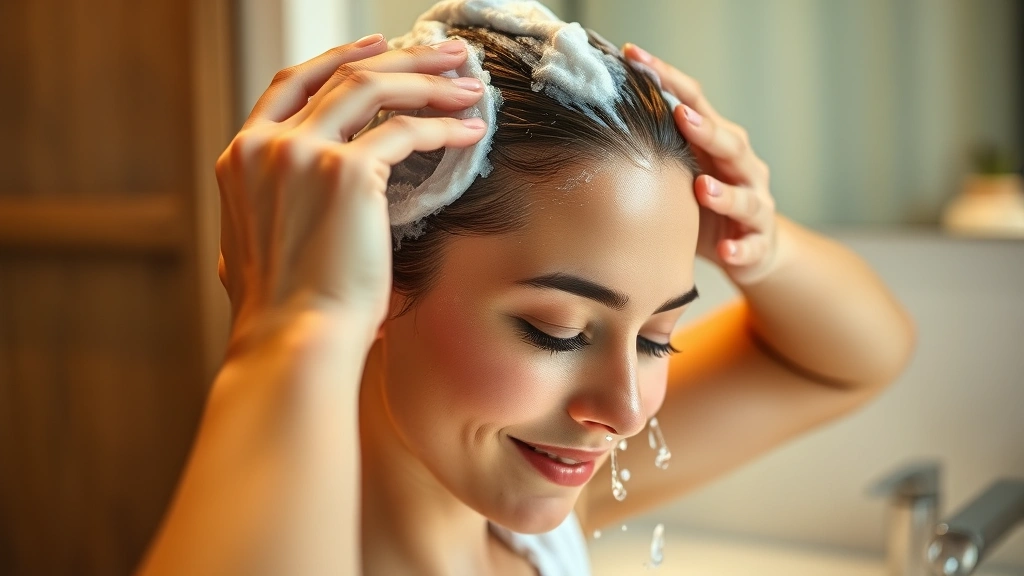
- Massage shampoo into scalp for 2-3 minutes using fingertips, not nails, to stimulate circulation
- Leave conditioner on hair for 3-5 minutes to allow ingredient penetration
- Rinse thoroughly with cool water to seal the hair cuticle
- Wash hair 3-4 times weekly; over-washing strips natural protective oils
Complementary Practices
Hair growth products work best alongside supportive lifestyle habits. Ensure adequate protein intake (hair is primarily keratin, a protein), manage stress levels, and prioritize sleep quality. Research shows that chronic stress elevates cortisol, which accelerates hair loss. Regular exercise improves circulation and nutrient delivery to follicles. These practices connect to broader personal development principles where holistic wellness supports all growth goals.
Patience and Consistency
Hair growth takes time. Most quality products require 8-16 weeks of consistent use before visible results emerge. This timeline aligns with natural hair growth cycles. Many people abandon effective products too quickly, never reaching the threshold where improvements become apparent. Commit to at least 12 weeks before evaluating effectiveness.
Common Mistakes to Avoid
Even with excellent products, common errors sabotage results. Understanding these pitfalls helps you optimize your hair restoration journey.
Switching Products Too Frequently
Changing shampoos every few weeks prevents you from experiencing genuine results. Hair growth cycles require consistent nutrient delivery. Give each product at least 12 weeks before switching. Frequent changes confuse your scalp microbiome and disrupt the follicle stimulation process.
Neglecting Scalp Health
Healthy hair grows from a healthy scalp. If you ignore scalp care—using hot water, harsh brushing, or wearing tight hairstyles—no shampoo will overcome these obstacles. Treat your scalp as the delicate ecosystem it is. Gentle handling and appropriate moisture balance create the foundation for effective hair growth products to work.
Ignoring Nutritional Deficiencies
Topical products can’t overcome systemic nutritional gaps. If your diet lacks iron, zinc, vitamin D, or B vitamins, hair growth will remain limited. Consider blood work to identify deficiencies. Supplementation combined with quality shampoo creates synergistic effects that topical treatment alone cannot achieve.
Unrealistic Expectations
Hair growth shampoos and conditioners improve hair quality and extend the growth phase, but they’re not miracle cures for advanced male or female pattern baldness. Genetics still play a significant role. Set realistic goals: expect improved thickness, reduced shedding, and stronger new growth rather than complete hair restoration if you have significant loss.
Inconsistent Application
Results require consistency. Using your hair growth shampoo and conditioner sporadically undermines their effectiveness. Build hair care into your non-negotiable daily routine, just as you would growth school practices that develop your potential.
FAQ
How long until I see results from hair growth shampoo?
Most users notice reduced shedding within 4-8 weeks and visible new growth within 12-16 weeks. Results vary based on the severity of hair loss, product potency, and individual biology. Consistency matters more than timeline—commitment to at least 12 weeks provides the most accurate assessment of effectiveness.
Can women use the same hair growth products as men?
Generally yes, though concentrations may differ. Women should avoid products with extremely high minoxidil concentrations (above 2-3%) without medical guidance. Botanical-based formulations work equally well for both genders. Consult a dermatologist if you’re pregnant or nursing before using any medicated hair growth products.
Do I need both shampoo and conditioner, or just one?
Using both together creates optimal results. Shampoos cleanse and deliver active ingredients to the scalp and follicles, while conditioners nourish hair strands and prevent breakage. The combination addresses multiple aspects of hair health. If budget is limited, prioritize the shampoo, as it provides the most direct scalp contact.
Will hair loss resume if I stop using the product?
Yes, for most hair growth shampoos and conditioners. These products manage hair loss rather than permanently cure it. When you discontinue use, your hair typically returns to its previous growth pattern within several months. This is why consistency and long-term commitment matter. Think of hair care as ongoing personal growth rather than a one-time fix.
Are natural hair growth products as effective as medicated ones?
Natural products containing caffeine, saw palmetto, and botanical extracts show solid results, but they’re generally less potent than FDA-approved medicated formulations like minoxidil. Natural options work best for prevention and mild to moderate hair loss. For advanced hair loss, medicated products provide stronger clinical evidence. Many people combine both approaches for comprehensive results.
Can I use hair growth shampoo if I have a sensitive scalp?
Yes, but select formulations specifically designed for sensitivity. Look for sulfate-free, fragrance-free options with soothing ingredients like niacinamide, aloe vera, or chamomile. Perform a patch test before full application. If irritation occurs, discontinue and consult a dermatologist. Your scalp health is non-negotiable—aggressive products that cause irritation will worsen hair loss.


