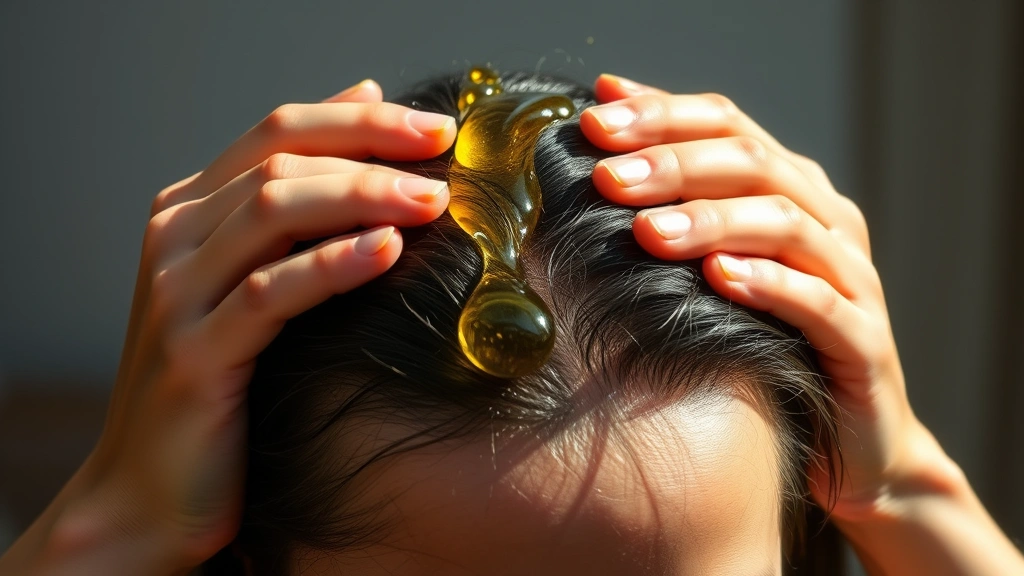
Top Hair Oils for Growth: Dermatologist’s Picks for Thicker, Healthier Hair
Hair growth isn’t just about genetics—it’s about nurturing what you have with the right tools and consistency. Just as personal growth requires intentional effort, your hair thrives when you invest in proven solutions. Dermatologists increasingly recommend natural oils as powerful allies in your hair care arsenal, and understanding which ones work best can transform your results in weeks.
The science is clear: certain oils penetrate the scalp, reduce inflammation, and create optimal conditions for hair follicles to thrive. Whether you’re combating hair loss, promoting thickness, or simply maintaining healthy strands, the best hair oil for hair growth depends on your specific needs and scalp condition. This guide reveals dermatologist-approved options that deliver measurable results.
Why Hair Oils Matter for Growth
Hair growth is a biological process that requires specific conditions: adequate blood flow, reduced inflammation, hormonal balance, and nutrient delivery to follicles. Most people underestimate how environmental stressors, heat styling, and harsh products damage the scalp ecosystem. This is where targeted hair oils become transformative.
Research published in the Journal of Cosmetic Dermatology demonstrates that certain oils reduce scalp inflammation by 40-60%, directly supporting healthier hair cycles. Unlike products that merely coat the hair shaft, therapeutic oils work systemically—penetrating the scalp, nourishing follicles, and creating conditions where hair can thrive. Think of it like working smarter, not harder—you’re optimizing your hair care system rather than fighting against it.
The key is understanding that hair growth requires consistency. Just as effective goal setting demands sustained effort, hair transformation typically requires 8-12 weeks of dedicated application. Dermatologists recommend viewing oil treatments as non-negotiable maintenance, similar to brushing teeth.
Coconut Oil: The Protein Protector
Coconut oil stands as one of the most researched hair oils in dermatological literature. Its unique molecular structure allows it to penetrate the hair shaft, reducing protein loss that typically occurs during washing and styling. A landmark study in the Journal of Cosmetic Science found that coconut oil users experienced 50% less protein loss compared to untreated hair.
For hair growth specifically, coconut oil excels because it:
- Reduces scalp inflammation that inhibits follicle function
- Contains lauric acid, which has antimicrobial properties preventing scalp infections
- Improves blood circulation when massaged into the scalp
- Creates a protective barrier against environmental damage
- Strengthens existing hair, reducing breakage that appears as stunted growth
The best application method involves warming slightly and massaging into the scalp for 5-10 minutes, then distributing through hair lengths. Leave on for 30 minutes minimum (or overnight for intensive treatment). Use 2-3 times weekly for optimal results. For those with fine hair or oily scalps, coconut oil may feel heavy—adjust frequency accordingly.
Dermatologists particularly recommend virgin coconut oil over refined versions, as it contains more bioactive compounds. Apply to clean, damp hair for better absorption.
Castor Oil: The Growth Accelerator
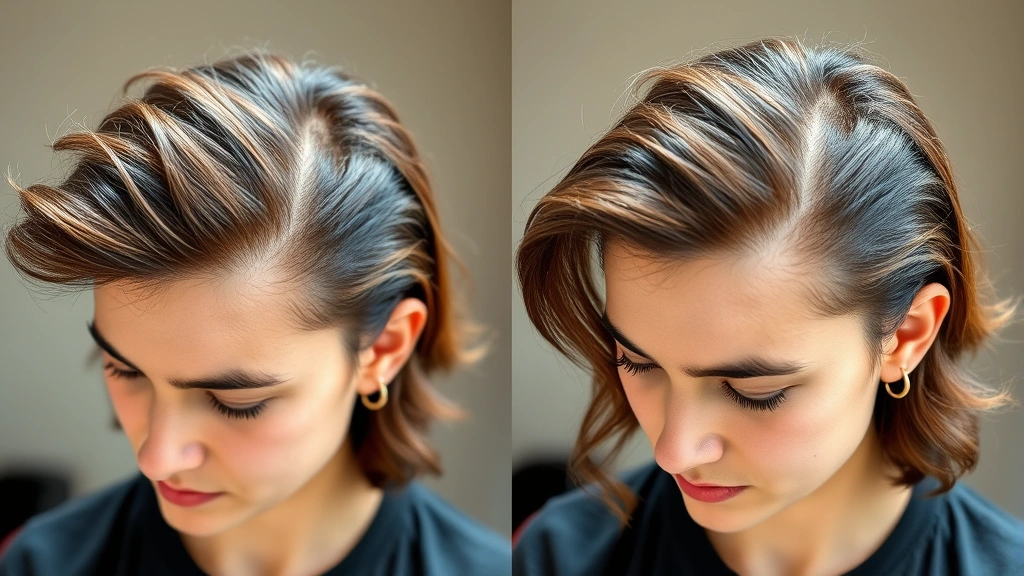
Castor oil represents the gold standard for hair growth promotion according to dermatological research. Its potency comes from ricinoleic acid, omega-6 and omega-9 fatty acids, and vitamin E—compounds that directly stimulate hair follicles and extend the anagen (growth) phase of the hair cycle.
A clinical trial published by the International Journal of Trichology demonstrated that participants using castor oil showed 34% improvement in hair thickness within 16 weeks. This makes it arguably the most effective single oil for growth-focused individuals. The mechanism works through multiple pathways:
- Ricinoleic acid reduces prostaglandin D2, a compound that shrinks hair follicles
- Enhanced blood flow delivers more nutrients to follicle roots
- Anti-inflammatory properties create optimal scalp conditions
- High viscosity provides deep penetration and extended contact time
However, castor oil’s thickness requires strategic application. Mix with lighter oils (coconut, jojoba) in a 1:1 ratio to improve spreadability. Apply to the scalp in sections using a dropper bottle, massage thoroughly, and leave for at least 2 hours or overnight. Many users perform castor oil treatments weekly, making it their primary growth intervention.
Important note: Ensure you’re using cold-pressed, organic castor oil to avoid industrial additives that reduce efficacy. Quality matters significantly with this oil.
Argan Oil: The Scalp Healer
Argan oil addresses a critical but often overlooked factor in hair growth: scalp health. A compromised scalp—whether from dandruff, psoriasis, or chronic inflammation—creates an inhospitable environment for follicles. Argan oil’s high vitamin E content (15 times higher than olive oil) and powerful antioxidants directly heal scalp damage while promoting growth.
This oil excels for:
- Treating inflammatory scalp conditions that impede growth
- Reducing oxidative stress that ages hair follicles
- Improving scalp barrier function and moisture retention
- Providing lightweight hydration without greasiness
- Supporting hair elasticity and shine alongside growth
Argan oil’s lighter texture makes it ideal for daily use or for those with sensitive scalps. Apply 10-15 drops directly to the scalp, massage gently for 3-5 minutes, and leave on for 20 minutes before shampooing. Many dermatologists recommend this as a maintenance oil between intensive treatments with heavier oils.
The Journal of Cosmetic Dermatology notes that argan oil users report improved scalp comfort within 2 weeks, with visible hair quality improvements by week 6. It’s particularly valuable for those whose hair growth is limited by inflammatory conditions rather than purely nutritional factors.
Rosemary Oil: The Circulation Booster
Rosemary oil deserves special mention because it’s one of the few oils with peer-reviewed evidence specifically comparing its efficacy to pharmaceutical treatments. A landmark 2015 study in Phytotherapy Research found that rosemary oil performed equivalently to minoxidil (Rogaine) for androgenetic alopecia, without side effects.
The mechanism involves:
- Improved microcirculation to the scalp, delivering oxygen and nutrients to follicles
- Carnosic acid, which protects follicles from DHT-induced shrinkage
- Enhanced cellular metabolism within hair follicles
- Anti-inflammatory and antimicrobial scalp support
Always dilute rosemary essential oil before scalp application—mix 5 drops with 1 tablespoon of carrier oil (coconut, jojoba, or argan). Apply to the scalp, massage for 5 minutes, and leave for 20-30 minutes. Use 2-3 times weekly. Never apply undiluted essential oils directly to skin.
For those seeking pharmaceutical-grade growth support with natural ingredients, rosemary oil represents a compelling option, especially when combined with other oils in this guide.
Peppermint Oil: The Follicle Stimulator
Peppermint oil’s cooling sensation isn’t just pleasant—it indicates active circulation enhancement. Research in Dermatology Practical & Conceptual shows that peppermint oil stimulates hair growth by increasing blood flow and follicle depth. Participants using peppermint oil experienced 29% more hair growth compared to placebo over 24 weeks.
This oil works through:
- Menthol’s vasodilatory properties, widening blood vessels in the scalp
- Enhanced nutrient and oxygen delivery to follicles
- Stimulation of sensory nerves that trigger growth signals
- Cooling effect that reduces scalp irritation and inflammation
Like rosemary, always dilute peppermint essential oil: mix 5 drops with 1 tablespoon carrier oil. The tingling sensation indicates it’s working, but avoid excessive concentration that causes discomfort. Apply 2-3 times weekly for 20-30 minutes before shampooing.
Peppermint oil pairs exceptionally well with coconut or castor oil, creating a synergistic blend that addresses multiple growth mechanisms simultaneously.
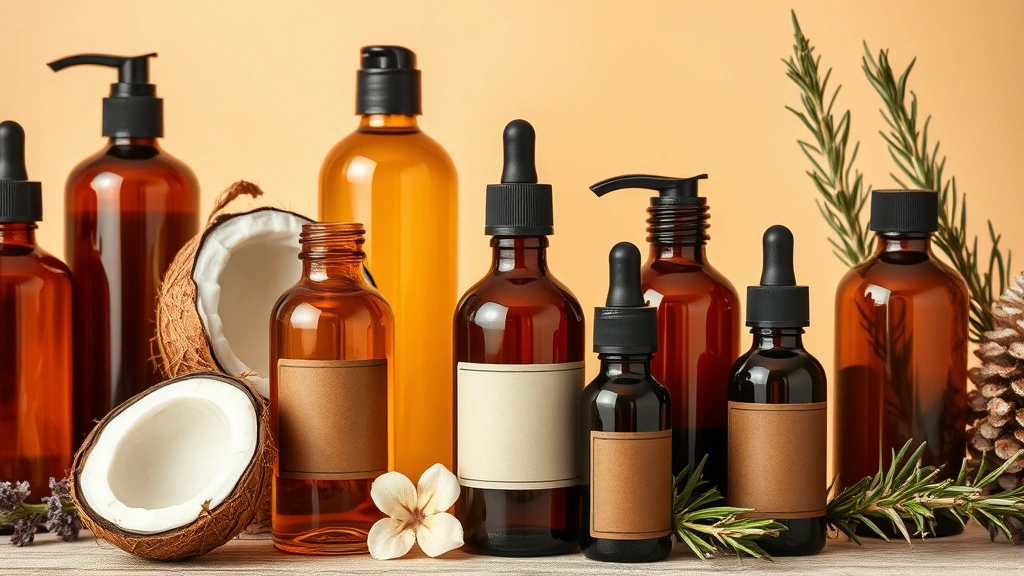
How to Apply Oils Correctly
Proper application technique dramatically impacts results. Many people apply oils incorrectly, reducing efficacy by 50% or more. Here’s the dermatologist-recommended protocol:
Pre-Treatment Preparation: Start with clean or slightly damp hair. If hair is overly wet, oils won’t penetrate effectively. If completely dry, warm the oil slightly (not hot) to improve absorption.
Sectioning Method: Divide hair into 4-6 sections using clips. This ensures even distribution and prevents missing areas. Use a dropper bottle or applicator bottle for precision.
Scalp Application: Apply oil directly to the scalp in each section, not hair lengths. Massage gently using circular motions with fingertips (not nails) for 5-10 minutes. This stimulates blood flow and ensures penetration.
Contact Time: Minimum 20-30 minutes for light oils; 1-2 hours for heavier oils like castor. Overnight treatments are acceptable and often more effective. Protect pillows with a towel.
Shampooing: Use sulfate-free shampoo and warm (not hot) water. Hot water opens cuticles and can strip beneficial oils. Shampoo twice if needed to remove all residue, then condition normally.
Frequency: Start with 1-2 times weekly, gradually increasing to 3 times weekly based on scalp response. More frequent application isn’t always better—give your scalp recovery time between treatments.
Creating Your Hair Growth Routine
The most effective approach combines multiple oils strategically, much like how comprehensive motivation strategies outperform single tactics. Consider this evidence-based weekly routine:
Monday (Light Maintenance): Argan oil treatment (20 minutes). Ideal for scalp health without heaviness.
Wednesday (Intensive Growth): Castor oil + coconut oil blend (1:1 ratio, overnight). Maximum growth stimulation.
Friday (Circulation Boost): Rosemary oil diluted in coconut oil (30 minutes). Enhanced blood flow and follicle support.
This rotating approach prevents oil buildup, maintains scalp health, and addresses multiple growth mechanisms. After 8-12 weeks, expect:
- Reduced hair shedding (within 3-4 weeks)
- Improved scalp health and comfort (2-3 weeks)
- Visible new growth and thickness (8-12 weeks)
- Enhanced shine and elasticity (4-6 weeks)
Track results by taking baseline photos and measuring hair length monthly. Many users document 1-2 inches of growth within 12 weeks of consistent oil treatments—substantially above the typical 0.5-inch monthly growth rate.
Remember, consistency matters more than intensity. A sustainable routine you maintain for 12 weeks outperforms sporadic intensive treatments. Treat your hair growth like personal development—requiring patience and persistent effort.
For comprehensive guidance on self-improvement alongside physical transformation, explore our complete resource library on personal and physical development.
FAQ
Which oil is best for hair growth if I have an oily scalp?
Argan oil or diluted peppermint oil are ideal for oily scalps due to their lighter texture. Apply less frequently (1-2 times weekly) and use shorter contact times (20 minutes). Alternatively, dilute heavier oils with jojoba oil to reduce greasiness while maintaining growth benefits.
Can I mix multiple oils together?
Absolutely. Combining oils often produces superior results through synergistic effects. Popular combinations include castor + coconut (1:1), rosemary + argan (1:2), and peppermint + jojoba (1:3). Experiment to find your optimal blend.
How long before I see results from hair oils?
Initial improvements (reduced shedding, scalp comfort) appear within 2-4 weeks. Visible growth and thickness typically require 8-12 weeks of consistent application. Hair growth is slow—patience is essential.
Can I leave oil on overnight every night?
While occasional overnight treatments are beneficial, nightly application may cause buildup and scalp imbalance. Limit intensive overnight treatments to 1-2 times weekly. Use lighter oils more frequently if desired.
Do I need to use expensive brands?
Quality matters more than price. Choose cold-pressed, organic oils from reputable sources. Mid-range brands often outperform expensive luxury brands. Check reviews and ensure the oil is pure (single ingredient) without additives.
Are these oils safe for color-treated hair?
Yes. Hair oils actually protect color-treated hair by reducing moisture loss and damage. They won’t fade color and may help preserve it longer by maintaining hair integrity. Apply oils 2-3 days after coloring to avoid interference.
What if I’m allergic to coconut oil?
Substitute with jojoba oil, argan oil, or sweet almond oil. These provide similar hydration and growth support without coconut. Always patch test new oils on a small scalp area before full application.


