Does Derma Roller Boost Beard Growth? Expert Insight
The quest for a thicker, fuller beard has driven men to explore countless treatments and techniques. Among the trending solutions is the derma roller—a handheld device covered with tiny needles that punctures the skin in controlled patterns. But does this popular tool actually work for beard growth, or is it just another overhyped beauty gadget? This comprehensive guide examines the science, the evidence, and expert recommendations to help you make an informed decision about whether a derma roller belongs in your grooming routine.
Beard growth is influenced by genetics, hormones, age, nutrition, and overall health. While no external tool can completely override your genetic blueprint, certain treatments can optimize the conditions for better hair growth. The derma roller works through a mechanism called microneedling, which has gained significant traction in dermatology and cosmetic medicine. Understanding how this process functions and what research actually shows is essential before investing time and money into this approach.
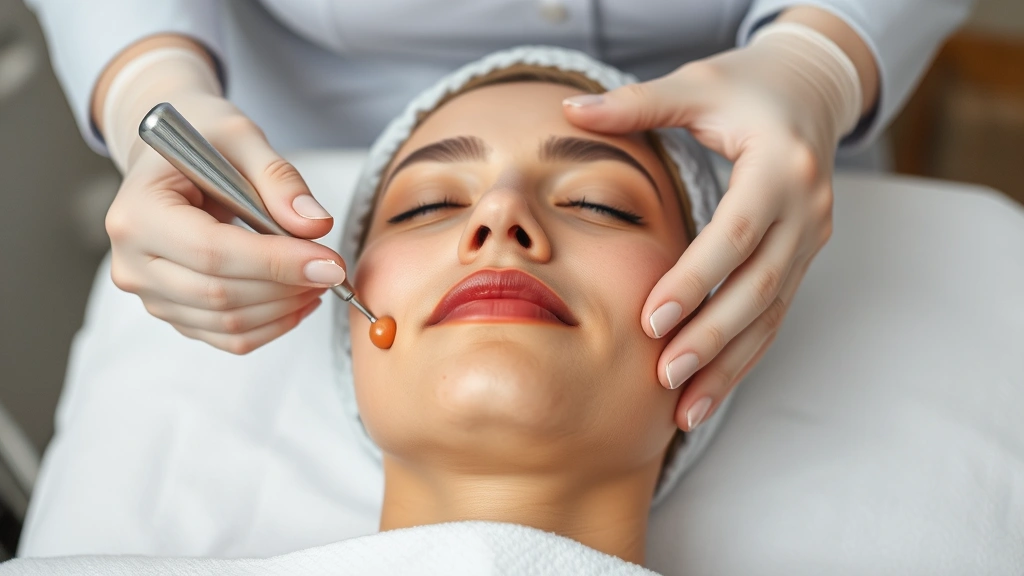
How Derma Roller Works for Hair Growth
A derma roller is a cylindrical device with hundreds of tiny needles arranged in rows. When rolled across the skin, these needles create micro-injuries—controlled punctures that trigger your body’s natural healing response. This process, known as microneedling or collagen induction therapy, stimulates the production of collagen and elastin, two proteins crucial for skin health and hair follicle function.
When you use a derma roller on your beard area, the micro-injuries activate several biological processes. First, they trigger an inflammatory response that recruits growth factors and immune cells to the area. Second, the skin responds to these micro-injuries by increasing collagen production, which strengthens the dermal layer where hair follicles are anchored. Third, the process may improve blood circulation to the treatment area, potentially delivering more nutrients and oxygen to hair follicles.
The needle size matters significantly. Derma rollers typically range from 0.25mm to 3mm in length. For beard growth, most experts recommend using rollers between 0.5mm and 1.5mm. Smaller needles (0.25-0.5mm) primarily affect the epidermis and are gentler but may have limited effectiveness. Larger needles (2-3mm) penetrate deeper but require professional administration and carry higher risks of complications.
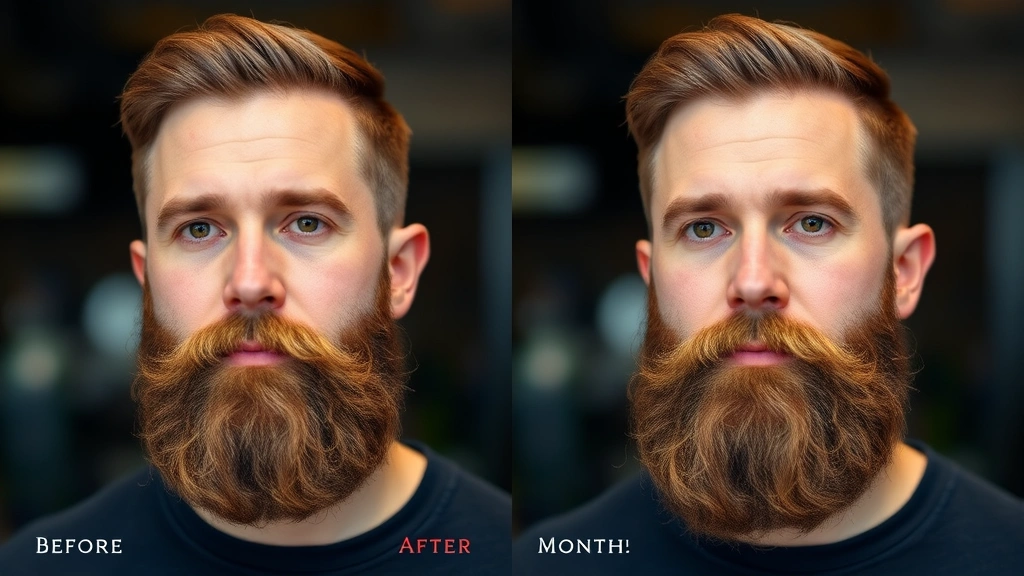
Scientific Evidence and Research
The scientific foundation for derma rolling’s effectiveness in hair growth is mixed but promising. Research published in dermatological journals demonstrates that microneedling can improve hair density and thickness in certain contexts. A notable study in the journal Dermatologic Surgery found that microneedling combined with topical treatments showed significant improvements in hair growth compared to topical treatments alone.
One of the most compelling studies involved patients with androgenetic alopecia (male pattern baldness) who received microneedling treatments. The results showed measurable increases in hair count and thickness, particularly when combined with minoxidil (Rogaine). This suggests that derma rolling may work synergistically with other treatments rather than as a standalone solution.
However, most existing research focuses on scalp hair rather than facial hair specifically. The beard area presents different characteristics—thicker skin, different follicle density, and distinct growth cycles—which means results may vary. Research on facial hair growth is less extensive, making it harder to draw definitive conclusions about derma roller effectiveness specifically for beards.
What we do know is that microneedling increases growth factor production, including insulin-like growth factor (IGF-1) and vascular endothelial growth factor (VEGF), both of which support hair follicle health. This biological mechanism provides a reasonable theoretical foundation, even if more beard-specific studies are needed.
Beard-Specific Benefits and Limitations
The potential benefits of using a derma roller for beard growth include improved follicle health, enhanced nutrient delivery, and increased collagen production in the dermal layer. If you’re experiencing patchy beard growth or slow growth in specific areas, a derma roller might help optimize conditions for better results. The device is also relatively affordable compared to professional treatments, making it accessible for most men interested in experimenting.
However, significant limitations exist. First, genetics ultimately determine your beard’s maximum potential. If your family history includes sparse facial hair, a derma roller won’t transform you into someone with dense whiskers. Second, results typically take months to become visible, requiring consistency and patience. Third, the derma roller works best as a complement to other beard growth strategies rather than a standalone solution.
The facial skin is more delicate than scalp skin, and the beard area is particularly sensitive. The proximity to eyes, lips, and mucous membranes means you need extra caution during application. Improper technique can lead to irritation, infection, or scarring. Additionally, if you have active acne, rosacea, or other skin conditions, derma rolling can exacerbate these issues.
Another limitation is that derma rolling stimulates growth in existing follicles but cannot activate dormant follicles that never developed. If you have naturally sparse beard genetics, you’re working within those constraints. The tool optimizes what you have rather than creating entirely new hair growth capacity.
Proper Technique and Safety
Using a derma roller correctly is crucial for safety and effectiveness. Start by selecting an appropriate needle size—0.5mm to 1mm is generally recommended for facial hair. Anything larger requires professional supervision. Before rolling, cleanse your face thoroughly and apply a hydrating serum or hyaluronic acid product to reduce friction.
When rolling, use gentle, consistent pressure. Avoid pressing hard or rolling repeatedly over the same area. Work in vertical, horizontal, and diagonal directions, covering the entire beard area. The entire process should take about 5-10 minutes. Most experts recommend microneedling once every two weeks initially, then potentially increasing to weekly sessions after your skin adapts.
Post-treatment care is equally important. After microneedling, avoid harsh products, direct sun exposure, and intense exercise for 24-48 hours. Apply soothing, non-irritating products like aloe vera or centella asiatica. Avoid using retinoids, vitamin C serums, or acids immediately after treatment. Your skin will be more permeable and sensitive, so simplify your routine temporarily.
Safety considerations include using sterile devices, avoiding the eye area, and stopping if you experience excessive pain, bleeding, or signs of infection. If you have active skin infections, severe acne, or conditions like hemophilia, consult a dermatologist before attempting derma rolling.
Alternatives and Comparison
Several other approaches compete with derma rolling for beard growth enhancement. Minoxidil (Rogaine) is FDA-approved for hair loss and has stronger scientific evidence than derma rolling alone. When combined with microneedling, results improve significantly. However, minoxidil requires ongoing use, and some men experience shedding initially.
Finasteride (Propecia) addresses the hormonal component of hair loss by blocking DHT, a hormone that miniaturizes hair follicles in genetically predisposed men. It’s more effective for scalp hair but may have some relevance for beard growth in certain cases.
Beard growth serums and supplements containing biotin, saw palmetto, and other ingredients have mixed evidence. While some support overall hair health, they’re not as rigorously studied as pharmaceutical options. Proper nutrition and supplementation matter, but they work best when combined with other strategies.
Professional treatments like PRP (platelet-rich plasma) injections and low-level laser therapy show promise but cost significantly more than home derma rolling. These may be worth considering if home treatments don’t deliver desired results after several months.
The most effective approach typically combines multiple strategies: derma rolling, topical treatments like minoxidil, proper nutrition, stress management, and consistent grooming habits. Think of it like setting and achieving personal growth goals—sustainable results come from integrated approaches rather than single interventions.
Expert Recommendations
Leading dermatologists generally view derma rolling as a safe, potentially beneficial adjunct to beard growth optimization when used correctly. The American Academy of Dermatology acknowledges microneedling’s role in stimulating collagen production, though they emphasize the need for proper technique and realistic expectations.
Most experts recommend starting with a 0.5mm roller used once every two weeks. After two to three months without adverse effects, you can increase frequency or needle size gradually. Combine derma rolling with other proven strategies rather than relying on it exclusively. If you’re concerned about beard growth, consulting a dermatologist ensures you address any underlying hormonal or nutritional factors.
Experts also emphasize that consistency matters more than intensity. Regular, gentle microneedling over months yields better results than aggressive, sporadic sessions. The skin needs time to respond to the stimulus and produce the collagen and growth factors that support hair health.
Consider your personal growth mindset when approaching beard enhancement. Just as growth mindset quotes remind us that development requires patience and effort, beard growth improvement requires sustained commitment to proper technique and complementary lifestyle factors.
Another expert consensus point: manage expectations realistically. Derma rolling can potentially improve beard density by 10-20% in optimal conditions, but it won’t create a completely different beard than your genetics allow. The best candidates for derma rolling are men with relatively healthy beard growth who want to optimize thickness or address minor patchy areas.
FAQ
How long before I see results from derma rolling for beard growth?
Most people don’t notice significant changes for 8-12 weeks of consistent use. Hair growth cycles are slow, and the biological adaptations triggered by microneedling require time. Some men report initial improvements in skin texture within 2-4 weeks, but visible beard density changes typically take longer.
Can I use a derma roller if I have sensitive skin?
You can, but start with caution. Begin with a smaller needle size (0.25-0.5mm) and longer intervals between sessions (every 3-4 weeks initially). Patch test on a small area first. If you have conditions like rosacea or eczema, consult a dermatologist before starting.
Is derma rolling painful?
It shouldn’t be severely painful. You may feel mild discomfort or slight tingling, but sharp pain indicates you’re pressing too hard or using needles that are too long. Apply numbing cream beforehand if you’re sensitive, and always use gentle, consistent pressure.
Can I combine derma rolling with other beard growth products?
Yes, and this is actually recommended. Derma rolling enhances skin permeability, allowing topical products to penetrate deeper. However, wait 24-48 hours after rolling before applying strong actives like retinoids or acids. Gentle hydrating products and minoxidil work well in combination with microneedling.
Do I need professional microneedling or is home derma rolling sufficient?
Home derma rolling with appropriate needle sizes (0.5-1.5mm) is safe and effective for many people. Professional treatments use longer needles (1.5-3mm) and may deliver better results but cost significantly more. Start at home; if you don’t see results after 3-4 months, consider professional options.
What’s the difference between derma rolling and derma stamping for beard growth?
Derma stamping uses a handheld stamp with needles rather than a rolling motion. Both create similar micro-injuries and trigger collagen production. Stamping may be more precise for targeted areas, while rolling covers larger surfaces faster. Effectiveness is comparable when done correctly.
Can women use derma rollers for facial hair reduction?
Derma rolling doesn’t reduce hair growth; it stimulates it. Women concerned about facial hair should explore other options like electrolysis, laser hair removal, or consulting an endocrinologist about hormonal factors. Derma rolling would be counterproductive for this goal.
For more insights on personal development and achieving your goals, explore our personal growth resources and discover how consistency and strategic approaches drive meaningful change in all areas of life, including physical self-improvement.