Chia Seeds for Breast Growth? Nutrition Insights and Evidence-Based Facts
The internet is flooded with claims about superfoods that can enhance body composition, and chia seeds frequently appear in these discussions. Many people wonder if consuming chia seeds can contribute to breast growth, hoping for a natural solution to body image concerns. While chia seeds are undeniably nutritious, the reality of their impact on breast development requires a nuanced understanding of nutrition science, hormonal biology, and realistic expectations.
This comprehensive guide separates fact from fiction, examining what chia seeds actually offer nutritionally and how they fit into a holistic approach to health and self-improvement. Whether you’re interested in optimizing your nutrition or understanding body composition changes, understanding the science behind these claims is essential for making informed decisions about your health journey.
Understanding Chia Seeds Nutritionally
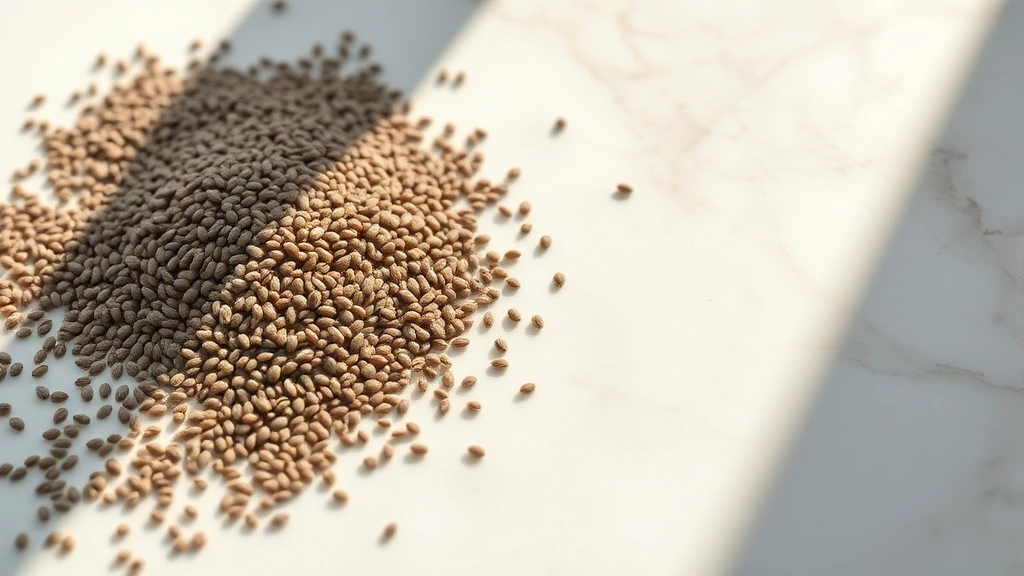
Chia seeds are packed with impressive nutritional credentials that make them genuinely valuable for overall health. These tiny seeds contain approximately 10 grams of fiber per ounce, making them one of the best plant-based fiber sources available. They’re also rich in omega-3 fatty acids, providing roughly 5 grams per serving, which supports heart health and cognitive function.
Beyond fiber and omega-3s, chia seeds deliver quality protein, containing about 3 grams per ounce. They include essential minerals like magnesium, manganese, phosphorus, and calcium. The antioxidant profile is remarkable, featuring chlorogenic acid and caffeic acid, which combat oxidative stress in the body. These nutrients genuinely support metabolic health, sustained energy, and cellular function.
When incorporated into a balanced diet, chia seeds contribute to satiety, blood sugar regulation, and digestive health. They absorb up to 12 times their weight in liquid, expanding in your stomach and promoting feelings of fullness. This property makes them valuable for anyone managing their nutrition strategically, though it’s important to consume them with adequate water to avoid digestive discomfort.
However, the nutritional excellence of chia seeds doesn’t automatically translate to targeted body changes. Nutrition is complex, and consuming a single food—no matter how nutrient-dense—cannot override the fundamental biological processes governing body development.
The Truth About Breast Growth and Nutrition
Breast tissue composition is primarily determined by genetics, hormonal levels, body fat percentage, and age. The mammary gland consists of glandular tissue, connective tissue, and adipose (fat) tissue. While nutrition influences overall body composition, including fat distribution, the idea that specific foods can target breast growth is not supported by scientific evidence.
Breast development occurs primarily during puberty under the influence of estrogen and progesterone. After this developmental window closes, significant natural growth is unlikely without hormonal intervention or surgical procedures. This is a critical point: no food, supplement, or herb can replicate the hormonal cascade that drives adolescent breast development in adults.
That said, nutrition absolutely matters for overall body composition. If someone increases overall body fat through improved nutrition and caloric intake, some of that fat distribution may occur in breast tissue, as breasts contain significant adipose tissue. However, this is a consequence of general weight gain, not a targeted effect of chia seeds specifically.
Additionally, as you explore personal growth and self-improvement, it’s worth examining why certain body image concerns arise and developing a healthier relationship with your natural body. This mindset shift often proves more valuable than chasing quick fixes.
Hormonal Factors That Influence Breast Development
Understanding hormones is crucial for realistic expectations about breast growth. Estrogen, progesterone, prolactin, and thyroid hormones all influence breast tissue development and composition. These hormones are regulated by the hypothalamus, pituitary gland, and ovaries in a complex feedback system that’s difficult to influence through diet alone.
While certain foods contain compounds that weakly interact with estrogen receptors, the concentrations required to produce noticeable effects would be impractical to achieve through normal food consumption. The body also has robust mechanisms for regulating hormone levels, making it resistant to dietary manipulation of hormone production.
If someone experiences hormonal imbalances affecting breast tissue—such as insufficient estrogen due to low body fat, excessive exercise, or medical conditions—nutrition can help address the underlying issue. Adequate caloric intake, sufficient fat consumption, and micronutrient sufficiency support hormonal balance. But this is about restoring normal function, not enhancing development beyond genetic potential.
For anyone seriously concerned about hormonal health or breast development, consulting with a healthcare provider or endocrinologist is essential. They can assess whether nutritional deficiencies, hormonal imbalances, or other medical factors are involved.
Phytoestrogens and Plant-Based Compounds
Chia seeds contain phytoestrogens—plant compounds that structurally resemble estrogen and can weakly bind to estrogen receptors. This is where much of the confusion originates. Sources claim that phytoestrogens in foods like chia, flax, and soy can increase estrogen levels and promote breast growth.
The scientific reality is more nuanced. While phytoestrogens do interact with estrogen receptors, they typically act as selective estrogen receptor modulators (SERMs), meaning they can either enhance or inhibit estrogen signaling depending on context, tissue type, and existing hormone levels. Research on phytoestrogens shows they have minimal systemic effects on circulating estrogen in most people.
Additionally, the phytoestrogen concentration in chia seeds is relatively low compared to foods like flax seeds or soy. You would need to consume impractically large quantities to potentially influence hormone levels. The body’s efficient digestion and elimination processes further reduce bioavailability of these compounds.
Studies examining soy consumption—which contains higher phytoestrogen concentrations—show minimal effects on breast growth in adults. Some research suggests phytoestrogens might have modest protective effects against certain cancers, but breast enlargement is not an established outcome.
Building a Comprehensive Nutrition Strategy
Rather than chasing myths about specific foods, a more productive approach involves establishing solid foundational nutrition habits. This aligns with the broader philosophy of how to increase motivation through evidence-based practices—applying the same principle to nutrition means focusing on what actually works.
A balanced nutrition strategy supporting optimal body composition includes:
- Adequate protein intake: Essential for muscle maintenance and metabolic health. Aim for 0.7-1 gram per pound of body weight.
- Healthy fat consumption: Critical for hormone production and nutrient absorption. Include sources like avocados, nuts, seeds, fatty fish, and olive oil.
- Sufficient calories: Undereating compromises hormonal function and overall health. Calculate your maintenance calories and adjust based on goals.
- Micronutrient density: Ensure adequate intake of vitamins and minerals supporting metabolic function.
- Hydration: Fundamental for all physiological processes, including hormone regulation and nutrient transport.
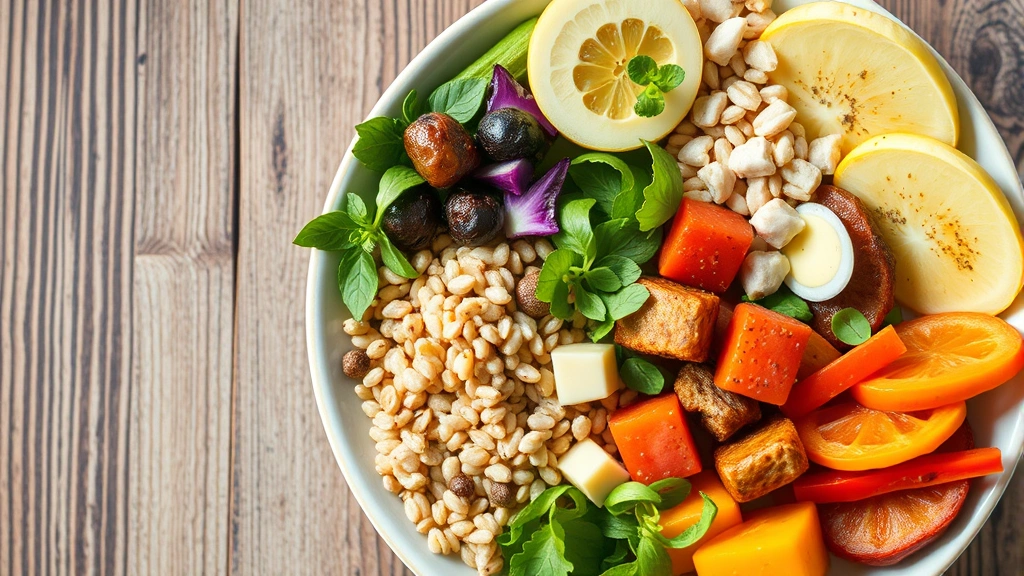
Chia seeds fit excellently into this framework as a nutrient-dense whole food. Their fiber, omega-3s, protein, and minerals contribute meaningfully to overall nutrition. But they’re one component of a comprehensive approach, not a magic solution.
If body composition changes are desired, the fundamental drivers are caloric balance and resistance training. Consuming adequate calories with sufficient protein while engaging in strength training promotes muscle development and supports healthy body composition. This approach is evidence-based, sustainable, and produces tangible results.
Lifestyle Factors Supporting Body Composition
Beyond nutrition, multiple lifestyle factors influence how your body looks and feels. These interconnected elements deserve attention as part of any body improvement journey.
Resistance Training: Strength training increases muscle mass and metabolic rate while improving posture. Better posture naturally makes breasts appear fuller and more prominent. Progressive resistance training also builds confidence and body awareness, supporting the psychological aspect of body image.
Sleep Quality: During sleep, growth hormone is released and hormones are regulated. Poor sleep disrupts cortisol, insulin, and reproductive hormones. Prioritizing 7-9 hours of quality sleep supports hormonal balance and body composition goals.
Stress Management: Chronic stress elevates cortisol, which interferes with sex hormone balance and promotes fat storage in unfavorable patterns. Practices like meditation, yoga, and time in nature reduce stress and support hormonal health. This connects to the broader concept of growth mindset, which includes managing mental state.
Movement Variety: Combine strength training with cardiovascular activity and flexibility work. This comprehensive approach supports cardiovascular health, metabolic function, and body composition.
Clothing and Fashion: Often overlooked but significant, wearing properly fitted bras and flattering clothing styles can dramatically affect appearance. This is a practical, immediate way to feel more confident about your body.
Body Image and Acceptance: Research in body image psychology shows that accepting and appreciating your natural body leads to better mental health outcomes than pursuing impossible standards. Personal growth quotes often emphasize self-acceptance as foundational to genuine improvement.
The most sustainable path to body confidence involves realistic expectations, evidence-based practices, and self-compassion. This holistic approach produces lasting results rather than temporary satisfaction from chasing myths.
FAQ
Can chia seeds increase breast size?
No. While chia seeds are nutritious and support overall health, they contain no compounds that specifically target breast tissue growth. Breast development is primarily determined by genetics, hormones, age, and body composition. Chia seeds cannot override these biological factors.
Do phytoestrogens in chia seeds act like estrogen?
Phytoestrogens weakly interact with estrogen receptors but have minimal systemic effects on circulating hormone levels. The concentration in chia seeds is relatively low, and you would need impractically large quantities to potentially influence hormones. The body also has robust mechanisms for regulating hormone levels.
What’s the best way to improve body composition?
Focus on caloric balance appropriate for your goals, adequate protein intake, resistance training, quality sleep, stress management, and consistency. These evidence-based practices produce measurable results. Chia seeds can support this strategy as a nutrient-dense food, but they’re not a primary driver of change.
Are there any foods that can increase breast growth?
No food can specifically increase breast tissue growth in adults. However, maintaining adequate overall nutrition and body fat supports healthy breast appearance. If concerned about hormonal factors, consult a healthcare provider rather than relying on dietary solutions.
How long would it take to see results from eating chia seeds?
You won’t see breast growth from chia seeds specifically. You may notice improved energy, digestion, and overall health within weeks of adding them to a balanced diet. Body composition changes from improved nutrition and exercise typically become visible after 8-12 weeks of consistent effort.
Are chia seeds safe to consume daily?
Yes, chia seeds are safe for most people when consumed as part of a balanced diet. Start with small amounts (1-2 tablespoons daily) and increase gradually while drinking plenty of water, as their high fiber content can cause digestive discomfort if consumed excessively without adequate hydration.
What’s a realistic approach to body improvement?
Set achievable goals based on your genetics and current situation. Focus on controllable variables: nutrition quality, consistent exercise, sleep, and stress management. Combine this with developing self-compassion and realistic body expectations. This comprehensive approach, explored in best books for self growth, produces sustainable results and improved quality of life.
The journey toward body confidence and health is ultimately about personal development in its truest sense—making informed decisions, taking consistent action, and developing self-compassion. Chia seeds are an excellent nutritional tool, but they’re part of a larger picture of health and wellness that extends far beyond any single food.


