Tea Tree Oil for Hair Growth: Dermatologist Insights
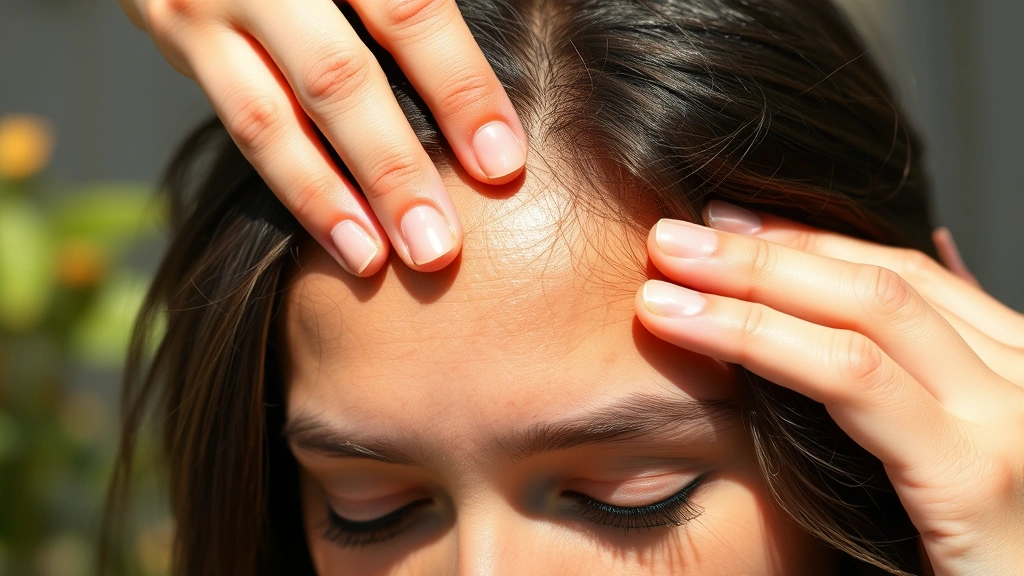
Hair loss affects millions of people worldwide, prompting countless searches for natural remedies and effective solutions. Among the most popular options circulating in wellness communities is tea tree oil, a concentrated extract from the leaves of the Australian tea tree plant. But can tea tree oil actually help hair growth, or is this merely another trending wellness claim? Understanding the science behind this essential oil requires examining both dermatological research and practical application methods that real people use to combat hair loss and promote scalp health.
The journey toward healthier hair growth mirrors the broader personal development process—it demands patience, consistency, and evidence-based decision-making. Just as achieving meaningful goals requires strategic planning, addressing hair concerns requires understanding the root causes and implementing proven interventions. This comprehensive guide explores what dermatologists actually say about tea tree oil’s potential for hair growth, backed by scientific evidence and practical insights.
Understanding Hair Growth Biology
Before evaluating whether tea tree oil can help hair growth, it’s essential to understand how hair actually grows and what factors influence this process. The human hair growth cycle consists of three primary phases: anagen (growth phase), catagen (transition phase), and telogen (resting phase). During the anagen phase, which typically lasts two to seven years, the hair follicle actively produces new hair cells. The dermal papilla, a small structure at the base of each follicle, contains stem cells responsible for generating new hair.
Hair growth is influenced by numerous factors including genetics, hormones, nutritional status, stress levels, and scalp health. Scalp conditions like seborrheic dermatitis, psoriasis, and folliculitis can disrupt this delicate process by causing inflammation, excess oil production, or bacterial colonization. When the scalp environment becomes compromised, hair follicles may prematurely enter the telogen phase, leading to increased shedding and reduced growth. This is where topical treatments like tea tree oil theoretically come into play—by improving scalp health and creating an optimal environment for hair growth.
Research from dermatological journals indicates that scalp health directly correlates with hair growth rates and follicle longevity. When dermatologists assess hair loss, they often examine scalp condition first, recognizing that addressing underlying scalp issues frequently improves hair growth outcomes. This foundational understanding helps explain why tea tree oil’s purported scalp-healing properties have generated so much interest in the hair care community.
Tea Tree Oil: Composition and Properties
Tea tree oil contains over 100 chemical compounds, with terpineol and cineole being the most abundant and bioactive components. These compounds give tea tree oil its distinctive antimicrobial, anti-inflammatory, and antifungal properties. The oil has been used in traditional medicine for centuries and has gained significant scientific validation in recent decades. Dermatologists recognize tea tree oil as a legitimate therapeutic agent for certain skin conditions, though its specific application to hair growth requires more targeted examination.
The antimicrobial properties of tea tree oil are particularly relevant to scalp health. The scalp naturally hosts a diverse microbiome of bacteria and fungi, most of which are beneficial. However, when pathogenic bacteria or fungi proliferate excessively, they can trigger inflammation, sebum dysregulation, and follicle dysfunction. Tea tree oil’s ability to inhibit the growth of common scalp pathogens—including Malassezia species and various bacterial strains—suggests a potential mechanism for improving scalp conditions that may indirectly support hair growth.
Additionally, tea tree oil demonstrates anti-inflammatory properties that may help reduce scalp irritation and swelling around hair follicles. Inflammation is increasingly recognized as a contributing factor in various types of hair loss, particularly androgenetic alopecia. By reducing inflammatory markers on the scalp, tea tree oil could theoretically create a more favorable environment for sustained hair growth. However, dermatologists emphasize that this anti-inflammatory effect, while promising, is not a direct treatment for pattern hair loss.
Scientific Evidence for Hair Growth
When examining whether tea tree oil can directly stimulate hair growth, the scientific evidence becomes more nuanced. While numerous studies confirm tea tree oil’s antimicrobial and anti-inflammatory properties, direct evidence of hair growth stimulation remains limited. A landmark study published in the Journal of the American Academy of Dermatology examined tea tree oil’s effectiveness for various dermatological conditions but noted that specific research on hair growth was sparse.
One notable study published in Phytotherapy Research examined a combination formula containing tea tree oil and found modest improvements in hair growth metrics when applied consistently over 12 weeks. Participants using the tea tree oil-based treatment showed increased hair diameter and reduced hair loss compared to control groups. However, researchers acknowledged that isolating tea tree oil’s specific contribution was challenging, as the formula contained multiple active ingredients. This highlights an important limitation: most positive results involve complex formulations rather than pure tea tree oil alone.
Dermatologists often recommend tea tree oil as a supportive therapy rather than a primary treatment for hair loss. The rationale is straightforward: while tea tree oil may not directly trigger new hair growth through biological mechanisms, it can improve the scalp conditions necessary for optimal hair growth. Think of it as creating the right foundation—just as personal growth requires foundational self-awareness, hair growth requires a healthy scalp foundation.
Research from Phytomedicine journal suggests that tea tree oil’s benefits for hair health emerge through cumulative effects on scalp health rather than direct follicle stimulation. This distinction is crucial for setting realistic expectations about what tea tree oil can achieve.
How Tea Tree Oil Benefits Scalp Health
The connection between scalp health and hair growth is fundamental to understanding tea tree oil’s potential benefits. A healthy scalp exhibits balanced sebum production, minimal inflammation, and a well-regulated microbiome. Tea tree oil addresses each of these factors through different mechanisms.
Antimicrobial Action: Tea tree oil’s primary benefit involves controlling scalp microbiota. By inhibiting pathogenic bacteria and fungi, tea tree oil helps maintain a balanced scalp ecosystem. This is particularly beneficial for individuals with dandruff, seborrheic dermatitis, or folliculitis—conditions that frequently accompany or exacerbate hair loss. When these conditions are controlled, hair follicles experience less stress and can focus energy on growth rather than fighting infection or inflammation.
Sebum Regulation: Excess sebum production can suffocate hair follicles and create an environment favorable to pathogenic microorganisms. Tea tree oil helps regulate sebaceous gland activity, promoting a balanced oil level that protects the scalp without creating an occlusive environment. This moderate sebum level is optimal for hair growth, as it maintains moisture while allowing proper gas exchange at the follicle level.
Inflammation Reduction: Scalp inflammation disrupts the delicate signaling pathways necessary for sustained hair growth. Tea tree oil’s anti-inflammatory compounds reduce inflammatory cytokines and oxidative stress on the scalp. Research indicates that individuals with inflammatory scalp conditions experience higher rates of hair loss, making inflammation reduction a worthwhile therapeutic goal. By calming the scalp environment, tea tree oil may indirectly support longer anagen phases and reduced telogen shedding.
Improved Blood Circulation: Some evidence suggests that tea tree oil’s warming properties and skin-stimulating effects may enhance localized blood circulation to hair follicles. Increased blood flow delivers more oxygen and nutrients to follicle cells, potentially supporting the metabolic demands of active hair growth. While this mechanism requires more research, improved circulation is universally recognized as beneficial for hair health.
Proper Application Methods
Dermatologists emphasize that proper application is critical for both safety and efficacy. Tea tree oil is highly concentrated and should never be applied directly to the scalp undiluted. Doing so can cause irritation, burning sensations, and allergic reactions. The appropriate approach involves diluting tea tree oil with a carrier oil before topical application.
Recommended Dilution Ratios: The standard recommendation is 2-3 drops of tea tree oil per tablespoon of carrier oil (approximately 1-2% concentration). Common carrier oils include coconut oil, jojoba oil, argan oil, and almond oil. Each carrier oil offers additional benefits—coconut oil provides antimicrobial properties, jojoba oil mimics scalp sebum composition, and argan oil offers antioxidant protection.
Application Procedure: Mix the diluted solution thoroughly, then apply it to the scalp using your fingertips, working in sections from the front hairline to the back. Massage gently for 3-5 minutes to ensure even distribution and to enhance blood circulation. Leave the mixture on your scalp for at least 30 minutes (or overnight for deeper penetration), then shampoo thoroughly to remove the oil.
Frequency: Dermatologists typically recommend 2-3 applications per week rather than daily use. Overuse can disrupt the scalp’s natural pH balance and microbiome, potentially causing rebound effects. Consistency matters more than frequency—applying the treatment regularly for 8-12 weeks allows sufficient time to assess whether it’s producing noticeable benefits for your specific situation.
Commercial Products: Many shampoos and conditioners contain tea tree oil as a minor ingredient. While these products are convenient and safer due to proper dilution, the concentration of tea tree oil is often too low to produce meaningful effects. For more potent results, dermatologists frequently recommend preparing your own diluted formula or using specialized scalp treatments formulated with higher tea tree oil concentrations.
Combining Tea Tree Oil With Other Approaches
Tea tree oil works best as part of a comprehensive hair care strategy rather than as a standalone solution. Just as maintaining motivation requires multiple reinforcing strategies, addressing hair loss effectively requires a multifaceted approach.
Nutritional Support: Hair growth depends on adequate intake of protein, iron, zinc, biotin, and B vitamins. Even with optimal scalp health, deficiencies in these nutrients will limit hair growth. Consider incorporating nutrient-dense foods or supplements after consulting with a healthcare provider. This nutritional foundation is essential for maximizing the benefits of any topical treatment.
Stress Management: Psychological stress triggers telogen effluvium, a condition characterized by premature hair shedding. Implementing stress-reduction techniques—meditation, exercise, adequate sleep—supports hair health at a systemic level. Research demonstrates that individuals addressing both scalp health and stress levels experience superior outcomes compared to those focusing on scalp treatment alone.
Medical Treatments: For significant hair loss, dermatologists often recommend clinically proven medications like minoxidil or finasteride. Tea tree oil complements these treatments by improving scalp health, but doesn’t replace them for moderate to severe hair loss. Combining tea tree oil with medical treatments creates a synergistic approach that addresses multiple mechanisms of hair loss.
Gentle Hair Care Practices: Minimize mechanical stress on hair by using wide-toothed combs, avoiding tight hairstyles, and reducing heat styling frequency. Wash hair with lukewarm rather than hot water, as excessive heat can compromise the scalp barrier. These practices work synergistically with tea tree oil to create an optimal environment for hair growth.
Regular Scalp Massages: Even without tea tree oil, scalp massage enhances blood circulation and reduces tension that might impair follicle function. Combining scalp massage with tea tree oil application amplifies circulation benefits. Dermatological research supports 5-10 minute daily scalp massages as an evidence-based practice for supporting hair growth.
Safety Considerations and Precautions
While tea tree oil is generally recognized as safe when properly diluted, certain precautions are essential. Dermatologists emphasize that natural doesn’t automatically mean risk-free—concentrated essential oils can cause serious reactions if misused.
Allergic Reactions: Some individuals experience contact dermatitis when exposed to tea tree oil, even in diluted form. Before full-scalp application, perform a patch test by applying diluted tea tree oil behind your ear or on a small scalp section and waiting 24 hours. If itching, redness, or burning occurs, discontinue use and rinse thoroughly with water.
Scalp Sensitivity: Individuals with sensitive scalps, eczema, or psoriasis should use tea tree oil cautiously and at lower concentrations (1% or less). Some people experience temporary dryness or flaking when first using tea tree oil as their scalp adjusts. This typically resolves within 1-2 weeks, but discontinuing use is advisable if irritation persists.
Pregnancy and Nursing: While topical tea tree oil is generally considered safe during pregnancy and nursing, some medical professionals recommend avoiding it as a precaution. Consult your healthcare provider before using tea tree oil if you’re pregnant or breastfeeding.
Drug Interactions: Tea tree oil may interact with certain medications. If you take immunosuppressants or medications affecting hormone levels, discuss tea tree oil use with your healthcare provider beforehand. Additionally, avoid combining tea tree oil with other potent topical treatments without dermatological guidance.
Toxicity Risk: Never ingest tea tree oil, as it can cause serious toxicity. Additionally, keep tea tree oil away from children and pets, as they’re more susceptible to adverse reactions. Store the oil in a cool, dark place in clearly labeled bottles to prevent accidental ingestion.
Photosensitivity: Some evidence suggests that certain tea tree oil components may increase sun sensitivity. Apply sunscreen to your scalp if you’ll be exposed to direct sunlight after tea tree oil treatment, particularly if you have a tendency toward photosensitivity.
FAQ
Can tea tree oil regrow hair that’s already been lost?
Tea tree oil cannot regenerate hair from completely dormant follicles. However, if follicles are still in early stages of miniaturization (as in pattern hair loss), improving scalp health through tea tree oil may help preserve remaining hair and potentially extend the growth phase. For significant hair regrowth, combining tea tree oil with clinically proven treatments like minoxidil offers better results.
How long does it take to see results from tea tree oil?
Most dermatologists recommend using tea tree oil consistently for 8-12 weeks before evaluating effectiveness. Hair growth cycles are naturally slow, with visible changes typically requiring 2-3 months of continuous treatment. If you don’t notice improvements after 12 weeks of consistent application, tea tree oil may not be effective for your specific situation.
Is tea tree oil better than other scalp treatments?
Tea tree oil offers unique antimicrobial and anti-inflammatory benefits, but other treatments may be more effective for specific conditions. Zinc pyrithione is excellent for dandruff, salicylic acid helps with sebum buildup, and ketoconazole addresses fungal infections. The best choice depends on your underlying scalp condition. Consider consulting a dermatologist to identify which treatment aligns with your specific needs.
Can I use tea tree oil with minoxidil or finasteride?
Yes, tea tree oil can be safely combined with medical hair loss treatments. In fact, dermatologists often recommend this combination because tea tree oil improves scalp health while medications address the biological mechanisms of hair loss. Apply tea tree oil at different times than your medication (for example, tea tree oil in the evening, minoxidil in the morning) to avoid interactions.
What’s the best carrier oil to use with tea tree oil?
Coconut oil offers additional antimicrobial benefits, jojoba oil closely mimics natural scalp sebum, and argan oil provides antioxidant protection. Choose based on your scalp type—if you have oily scalp, use lighter carrier oils like jojoba; if you have dry scalp, coconut or argan oil provide more nourishment. Experiment to find which combination feels most beneficial for your hair and scalp.
Can tea tree oil treat male pattern baldness?
Tea tree oil alone cannot treat androgenetic alopecia (male pattern baldness), which is primarily driven by genetic sensitivity to DHT. However, as part of a comprehensive approach including finasteride, minoxidil, and healthy lifestyle practices, tea tree oil may provide modest supportive benefits by maintaining optimal scalp health. The most effective approach combines medical treatments with scalp care.
Is tea tree oil effective for female hair loss?
Tea tree oil may be beneficial for female hair loss related to scalp conditions like seborrheic dermatitis or folliculitis. However, for female pattern hair loss (androgenetic alopecia), effectiveness is limited without concurrent medical treatment. Women experiencing hair loss should consult dermatologists to identify underlying causes and develop appropriate treatment plans that may incorporate tea tree oil as a supportive element.
Can I leave tea tree oil on my scalp overnight?
Yes, overnight application is safe and may enhance results by allowing longer contact time with the scalp. However, use proper dilution and ensure you’re not developing irritation. Some people prefer overnight applications because they minimize disruption to daily routines. In the morning, shampoo thoroughly to remove the oil residue and prevent buildup.
Tea tree oil represents a promising natural complement to comprehensive hair care strategies, backed by solid evidence for scalp health improvement even if direct hair growth stimulation remains modest. By understanding what dermatological science actually demonstrates about tea tree oil’s mechanisms and limitations, you can make informed decisions about whether incorporating it into your personal growth journey toward healthier hair makes sense for your specific situation. Remember, just as achieving meaningful personal growth requires realistic expectations and consistent effort, addressing hair concerns demands patience and multifaceted approaches rather than relying on any single solution.


