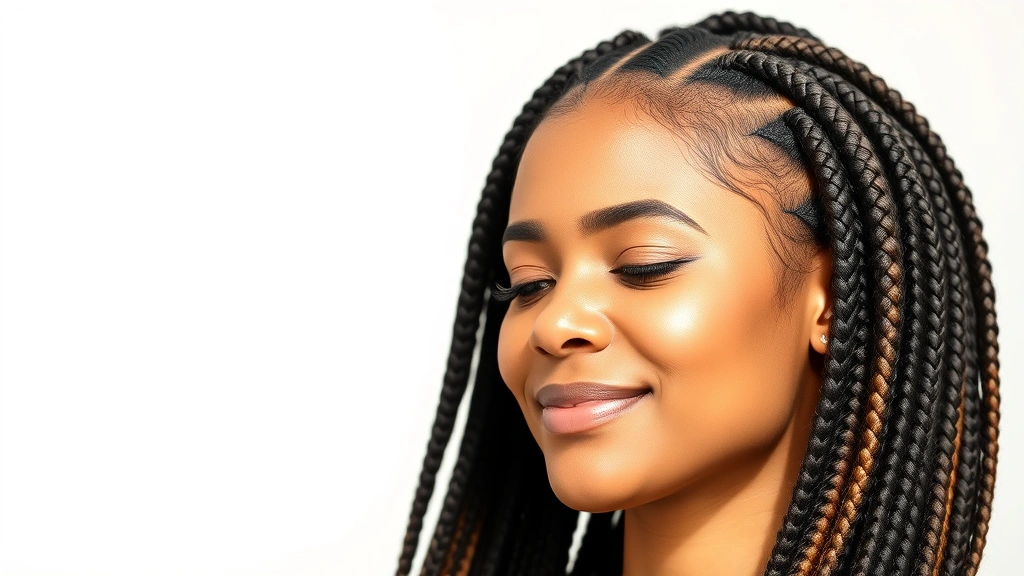
Braids & Hair Growth: Dermatologist Insights on Protective Styling
The relationship between braids and hair growth has sparked countless conversations in beauty communities, salons, and dermatology offices worldwide. Many people believe that braiding their hair directly stimulates growth, while others worry about potential damage from tension and weight. The truth, as with most hair care topics, lies somewhere in between—and it’s backed by actual science rather than myth.
Understanding how braids affect your hair requires knowledge of hair biology, scalp health, and the mechanics of protective styling. Dermatologists have conducted extensive research on this topic, revealing that while braids don’t magically accelerate hair growth, they can create optimal conditions for healthier, longer hair by protecting strands from environmental damage and manipulation. This comprehensive guide explores what the science actually says about braids and hair growth, helping you make informed decisions about your styling choices.
How Hair Growth Actually Works
Before evaluating whether braids can help hair growth, it’s essential to understand the biological process of hair development. Your hair grows from the root, or follicle, located beneath the skin’s surface in the dermis layer. Each hair follicle cycles through three distinct phases: the anagen phase (active growth), catagen phase (transitional period), and telogen phase (resting period).
During the anagen phase, which typically lasts between two to seven years, your hair actively grows approximately half an inch per month on average. This growth rate is determined by genetics, age, hormonal balance, nutrition, and overall health—not by external styling methods. The common misconception that braids directly stimulate faster growth stems from misunderstanding this biological reality. No hairstyle can accelerate the rate at which your hair cells divide and produce new strands.
However, what styling choices can influence is how much of your growing hair you retain. If your hair breaks off due to friction, environmental exposure, or harsh manipulation, you won’t see length retention even though your hair is growing at its normal rate. This distinction is crucial: braids don’t make hair grow faster, but they can help you keep more of the hair you’re already growing.
Dermatologists emphasize that maintaining scalp health directly impacts hair growth potential. Your scalp contains sebaceous glands that produce sebum, a natural oil that protects and nourishes hair strands. When your scalp is healthy and balanced, your hair grows optimally. Conversely, inflammation, infection, or buildup can interfere with the hair growth cycle, potentially pushing more hairs into the telogen phase prematurely.
The Science Behind Protective Styling
Protective styling refers to hairstyles that minimize manipulation and environmental exposure of your hair strands. Braids fall into this category because they bundle hair together, reducing the surface area exposed to friction, UV rays, pollution, and moisture fluctuations. Research published in dermatological journals supports the protective styling concept as a legitimate strategy for personal growth in your hair journey.
When hair is left down and loose, each strand experiences constant friction from clothing, pillows, and environmental elements. This friction causes the cuticle layer—the outer protective layer of your hair shaft—to lift and roughen. Over time, this leads to cuticle damage, moisture loss, and breakage. Braids protect against this by keeping strands bundled and reducing movement.
The protective styling mechanism works through several pathways. First, braids reduce water loss from hair strands by limiting exposure to air and environmental moisture fluctuations. Second, they minimize mechanical stress from combing, brushing, and daily handling. Third, they protect hair from UV radiation and pollution. Fourth, they reduce friction-induced breakage at the ends of your hair, which are the oldest and most vulnerable segments.
A study from the Journal of Cosmetic Dermatology examining protective hairstyles found that individuals who consistently wore protective styles experienced significantly better length retention than those who wore their hair down regularly. Importantly, this wasn’t because the hair grew faster—it was because less hair broke off.
Understanding this mechanism helps explain why many people report seeing better growth results with protective styling. They’re not experiencing accelerated growth; they’re experiencing improved retention of the hair they’re already growing. This is equally valuable for achieving longer, healthier hair, just through a different biological pathway than direct growth stimulation.
Tension and Traction Alopecia Concerns
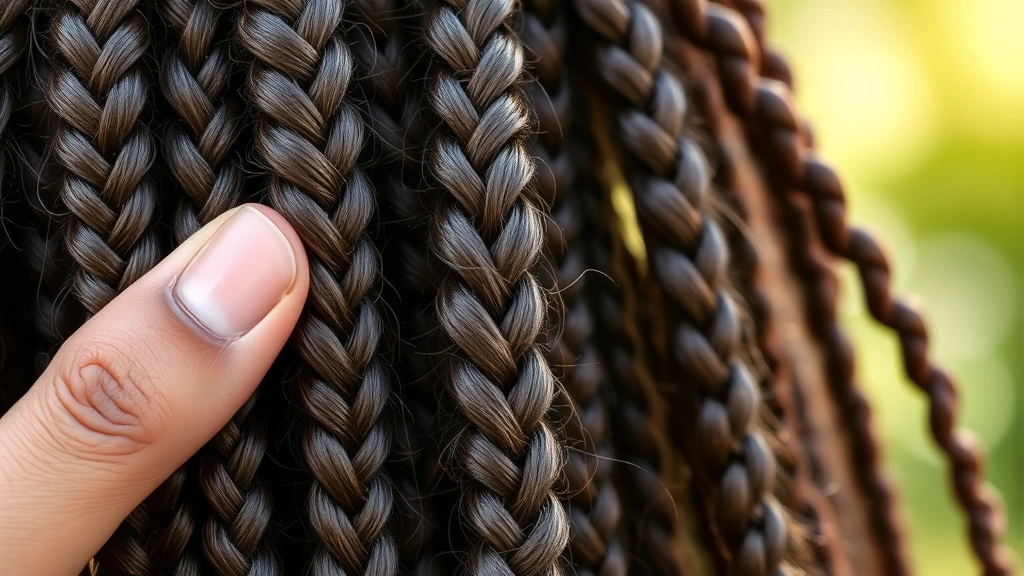
While protective styling offers benefits, dermatologists universally warn about the risks of excessive tension. Traction alopecia—hair loss caused by prolonged tension on hair follicles—represents a significant concern with braided styles, particularly when braids are too tight or worn continuously without breaks.
When braids are pulled too tightly, they create constant tension on the hair root and follicle. This sustained tension can cause inflammation of the follicle, leading to hair loss. The condition typically appears as hair loss along the hairline, temples, or areas where braids are anchored most tightly. In early stages, traction alopecia is reversible—once you remove the tension and allow follicles to recover, hair can regrow. However, if tension continues for extended periods, permanent follicle damage can occur, resulting in permanent hair loss.
Dermatologists recommend several precautions to avoid traction alopecia. First, ensure your braids are loose enough that you can fit a finger comfortably between the braid and your scalp. Second, avoid wearing the same braiding pattern repeatedly; alternate between different styles to distribute tension across different follicles. Third, take breaks between protective styles—don’t wear braids continuously for months without giving your hair and scalp recovery time.
The severity of traction alopecia risk depends on multiple factors: braid tightness, duration of wear, frequency of styling, your individual hair density and follicle strength, and genetic predisposition. Some individuals develop symptoms quickly with tight braids, while others tolerate tension better. This variability explains why some people successfully use braids for growth mindset approaches to hair care while others experience damage.
Research from the American Academy of Dermatology emphasizes that protective styling only provides benefits when executed properly. Poorly done protective styling causes more damage than wearing hair down naturally. This critical distinction means that braiding technique and maintenance matter enormously for achieving positive outcomes.
Benefits of Braiding for Hair Health
When braids are done correctly—with appropriate tension, proper maintenance, and strategic timing—they offer legitimate benefits for hair health and length retention. Understanding these benefits helps you maximize the positive aspects of protective styling while minimizing risks.
Reduced Breakage: The primary benefit of braiding is decreased breakage from friction and manipulation. By keeping hair bundled, braids reduce the mechanical stress that causes split ends and strand breakage. This is especially valuable for textured hair types, which are naturally more prone to breakage than straight hair types.
Improved Moisture Retention: Braids reduce water loss from hair strands by limiting exposure to air and environmental factors. This is particularly beneficial in dry climates or during seasons with low humidity. Better moisture retention means healthier, more elastic hair that’s less prone to breaking.
Decreased Manipulation: Protective styles reduce the need for daily combing, brushing, and styling. Excessive manipulation damages hair, so reducing handling frequency directly improves hair health. This benefit extends to those who struggle with the habit of touching, playing with, or constantly manipulating their hair.
Protection from Environmental Damage: UV radiation, pollution, and chlorine exposure all damage hair. Braids provide a physical barrier against these environmental stressors. This is why people who braid their hair often notice less dryness and color fading than those who wear hair down.
Scalp Health Support: When done correctly, braids can actually improve scalp health by reducing product buildup on the scalp itself. With less frequent washing and styling, your scalp’s natural oil production can balance more effectively. A healthier scalp creates better conditions for optimal hair growth.
Best Practices for Growth-Friendly Braids
To maximize benefits while minimizing risks, follow these dermatologist-recommended practices when braiding your hair for growth and health goals.
Braid Tension Guidelines: Your braids should feel comfortable and secure but never tight. The standard test is the finger rule—you should be able to slip one finger comfortably between the braid and your scalp without resistance. If you can fit more than two fingers, the braid is likely too loose and won’t provide protective benefits. If you can’t fit one finger, the braid is too tight and poses traction alopecia risk.
Maintenance Schedule: Dermatologists recommend wearing protective braids for no longer than 8-12 weeks continuously. After this period, remove the braids and give your hair and scalp a break for at least 1-2 weeks before reinstalling. This rotation prevents follicle fatigue and allows your scalp to reset its natural oil balance.
Scalp Care During Braiding: Even with protective styles, your scalp needs attention. Wash your scalp every 7-10 days using a gentle, sulfate-free shampoo applied directly to the roots. Use a spray bottle to direct water precisely to the scalp without disturbing the braids. This maintains scalp health and prevents buildup that can impede hair growth.
Moisturizing Strategy: While braids reduce moisture loss, they don’t eliminate the need for hydration. Apply leave-in conditioner or hair oil to your braids, focusing on the mid-lengths and ends. Lightweight oils like jojoba or argan oil work better than heavy products that accumulate buildup.
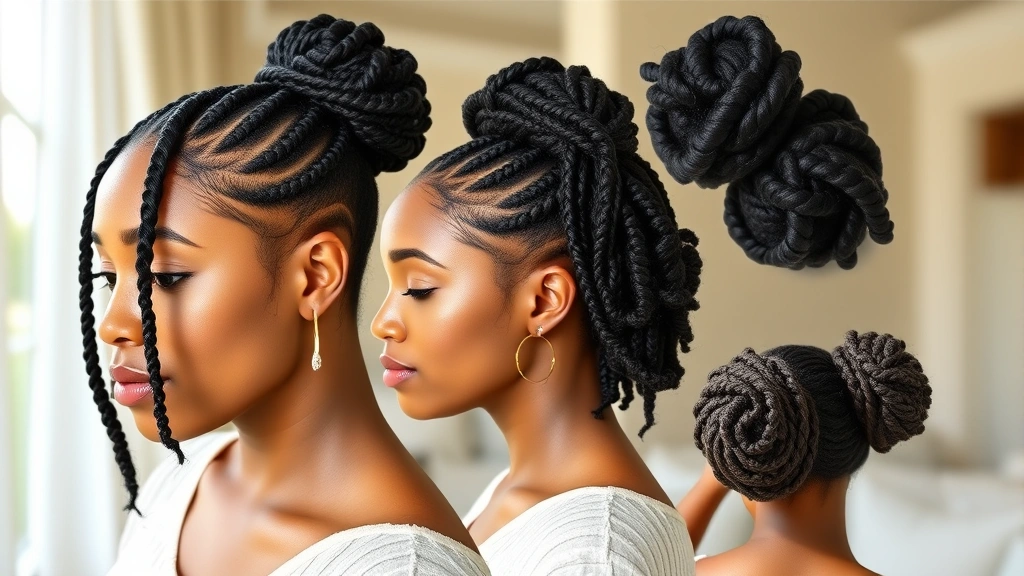
Protective Styling Variety: Rotate between different protective styles—braids, twists, buns, and other low-manipulation styles. This distributes tension across different hair sections and prevents repeated stress on the same follicles. Varying your styles also prevents boredom and keeps your hair care approach fresh.
Foundation Health: Remember that protective styling is just one component of hair growth support. Ensure you’re also addressing the foundational factors that influence hair growth: adequate protein and micronutrient intake, stress management, quality sleep, and overall health. You can review Growth LifteHub Blog for comprehensive wellness approaches that support hair health from the inside out.
Common Braiding Mistakes to Avoid
Many people experience hair damage from braids not because the concept is flawed, but because they make preventable mistakes. Understanding these errors helps you protect your hair effectively.
Installing Braids Too Tightly: This is the most common mistake. Stylists sometimes braid too tightly for aesthetic reasons or to make styles last longer, but this directly increases traction alopecia risk. Always communicate clearly with your stylist about comfort and tension preferences. If you experience any scalp pain or tension headaches, the braids are too tight and should be reinstalled.
Wearing Braids Too Long: Leaving braids in for months without breaks causes cumulative stress on follicles. The longer braids stay in, the more tension they create on the same follicles. Stick to the 8-12 week guideline and take breaks between styles.
Neglecting Scalp Care: Some people avoid washing their scalp while wearing braids, thinking this protects the style. Actually, scalp buildup creates inflammation that impairs hair growth. Maintain regular scalp cleansing even with protective styles.
Using Heavy Products: Applying thick, heavy oils and butters to braids can create buildup that weighs down hair and causes breakage. Use lightweight, water-based products instead. More product doesn’t equal better hydration; the right product type matters more.
Removing Braids Carelessly: How you take braids down matters as much as how you put them in. Never cut braids out or yank them apart aggressively. Take time to gently unravel each braid, detangle gently, and treat your hair with extra care after removal. Your hair is most vulnerable right after braid removal, so deep condition and avoid additional styling for a few days.
Ignoring Individual Hair Needs: Not all hair types respond equally to braiding. Fine hair, damaged hair, or hair with low density may not tolerate protective styling as well as thick, healthy hair. If you notice increased breakage or hair loss with braids, this might not be the right protective style for your hair type. Consider alternatives like loose twists, buns, or bantu knots.
Skipping Pre-Braiding Preparation: Starting with tangled, dry hair makes braiding more difficult and damaging. Properly detangle your hair, apply leave-in conditioner, and ensure hair is in optimal condition before braiding. This reduces breakage during installation and makes the entire process smoother.
FAQ
Do braids actually make hair grow faster?
No, braids don’t accelerate hair growth rate. Hair grows at a genetically determined pace—approximately half an inch monthly for most people. However, braids help you retain more of the hair you’re already growing by protecting strands from breakage. This results in visible length gain, which many people interpret as faster growth. The distinction is important: you’re not growing hair faster, you’re keeping more of it.
How long should I keep braids in?
Dermatologists recommend wearing braids for 8-12 weeks maximum before removing them and taking a 1-2 week break. Continuous braiding beyond this timeframe increases traction alopecia risk. After your break, you can reinstall braids or try a different protective style. This rotation approach prevents cumulative follicle stress and maintains scalp health.
Can braids cause permanent hair loss?
Yes, but only if braids are too tight and worn continuously for extended periods. Traction alopecia in early stages is reversible—remove the tension and follicles recover. However, if tension continues for months or years, permanent follicle damage can occur, causing permanent hair loss. This is why proper tension and regular breaks are essential. Visit the American Academy of Dermatology website for more information on traction alopecia prevention.
Which braid styles are safest for hair growth?
Looser styles with minimal tension are safest. Box braids with appropriate tension, loose twists, and cornrows that aren’t pulled too tightly all work well. Avoid styles that anchor heavily at the hairline or temple area, as these create concentrated tension on delicate follicles. Discuss style options with your stylist and prioritize comfort over aesthetic intensity.
Should I wash my hair while wearing braids?
Yes, you should wash your scalp every 7-10 days even with protective styles. Use a gentle shampoo applied directly to the scalp using a spray bottle. Avoid washing the braids themselves excessively, but don’t skip scalp cleansing. A clean, healthy scalp is essential for optimal hair growth.
What’s the difference between protective styling and damaging tight styles?
The difference comes down to tension level and duration. Protective styling uses appropriate tension that doesn’t cause discomfort and includes regular breaks. Damaging tight styles create constant tension, cause scalp pain, and continue for months without breaks. If your braids cause any scalp pain, headaches, or discomfort, they’re too tight and should be adjusted or removed immediately.
Can I use braids if I have fine or thin hair?
Fine and thin hair can tolerate braids, but with extra caution. Use even looser tension than recommended for thicker hair, wear braids for shorter durations (6-8 weeks instead of 8-12), and take longer breaks between styles. Monitor your scalp and hair closely for any signs of stress. Some fine-haired individuals find that lighter protective styles like loose twists work better than braids.
How does protective styling support my overall growth journey?
Protective styling is one tool in a comprehensive approach to hair health. Like any personal development strategy, it works best as part of a larger system. Combine protective styling with proper nutrition, stress management, quality sleep, and consistent scalp care. Review Calculator for Exponential Growth concepts—small consistent improvements in multiple areas create compounding results in hair health and overall wellness.


